

Daily B12 for energy is not just a catchy phrase; it’s a crucial aspect of our daily health that plays a significant role in how we feel and function. Vitamin B12 is essential for converting the food we eat into energy, and it’s a powerhouse that supports our red blood cells and cognitive function. Whether you’re an athlete looking to enhance performance or someone simply trying to maintain energy levels throughout the day, understanding B12’s role can help you unlock your vitality.
This vitamin is often overlooked, yet its contributions to energy metabolism, mental clarity, and overall health are profound. As we delve into the specifics of B12—from its daily requirements and sources to the consequences of deficiency—it’s clear that this nutrient is key to sustaining our energy and enhancing our well-being.
The Role of Vitamin B12 in Energy Metabolism
Vitamin B12 is a crucial water-soluble vitamin that plays a significant role in energy metabolism. It is involved in various biochemical processes that convert food into usable energy. By supporting the transformation of carbohydrates, fats, and proteins into energy, Vitamin B12 helps maintain optimal cellular function and overall vitality. Understanding its mechanisms provides insight into how it can influence our energy levels and general well-being.
Vitamin B12, also known as cobalamin, is integral to several metabolic pathways. One of its primary roles is in the conversion of homocysteine to methionine, an essential amino acid. This reaction is vital for DNA synthesis and methylation, which are processes that impact cellular energy production. Furthermore, Vitamin B12 is necessary for the conversion of methylmalonyl-CoA to succinyl-CoA, a critical step in the breakdown of certain fatty acids and amino acids for energy. Without adequate B12, these pathways become inefficient, leading to decreased energy production.
Vitamin B12 and Red Blood Cell Production
The relationship between Vitamin B12 and red blood cell production is crucial for maintaining energy levels. B12 plays a significant role in erythropoiesis, the process of producing red blood cells in the bone marrow. This vitamin is essential for the synthesis of DNA during the division of red blood cells. A deficiency in Vitamin B12 can lead to megaloblastic anemia, characterized by the production of large, immature, and dysfunctional red blood cells. These ineffective cells result in reduced oxygen delivery to tissues, leading to fatigue and diminished energy levels.
The importance of red blood cells in energy metabolism cannot be overstated. Their primary function is to transport oxygen throughout the body, which is vital for aerobic respiration—a process that generates energy in the form of ATP (adenosine triphosphate). Adequate levels of Vitamin B12 ensure the formation of healthy red blood cells, facilitating efficient oxygen transport. This is particularly crucial during physical activity, where the demand for oxygen and energy increases. In summary, Vitamin B12 is essential not only for energy production at the cellular level but also for ensuring that the body has the necessary oxygen-carrying capacity to fuel energy needs effectively.
Daily B12 Requirements and Sources
Vitamin B12, also known as cobalamin, plays a crucial role in energy production, neurological function, and the synthesis of red blood cells. Understanding the daily requirements of this vitamin and the various sources that provide it is essential for maintaining overall health, especially for individuals with specific dietary patterns.
The recommended daily intake of vitamin B12 varies based on age, lifestyle, and specific health needs. For most adults, the recommended dietary allowance (RDA) is approximately 2.4 micrograms per day. However, this amount can differ for certain groups, including pregnant and breastfeeding women, who may require higher amounts to support fetal development and milk production. Below is a breakdown of the daily B12 requirements by age and lifestyle:
Daily B12 Requirements
- Infants (0-6 months): 0.4 micrograms
- Children (1-3 years): 0.9 micrograms
- Children (4-8 years): 1.2 micrograms
- Teens (9-13 years): 1.8 micrograms
- Adults (14 years and older): 2.4 micrograms
- Pregnant women: 2.6 micrograms
- Breastfeeding women: 2.8 micrograms
Vitamin B12 is predominantly found in animal-based foods, making it essential for those consuming a meat-rich diet. Good dietary sources include:
Sources of B12
To ensure adequate intake of vitamin B12, incorporating a variety of food sources is recommended. Below are examples of rich sources of B12:
- Meat: Beef and liver are some of the richest sources.
- Poultry: Chicken and turkey also provide significant amounts.
- Fish: Salmon, trout, and sardines are excellent choices.
- Dairy products: Milk, yogurt, and cheese are good sources for those who consume dairy.
- Eggs: A reliable source for those who include them in their diet.
For individuals following vegan or vegetarian diets, obtaining sufficient vitamin B12 can be a challenge, as plant-based foods generally do not contain this vitamin naturally. As a result, supplementation is often necessary to avoid deficiency. Fortified foods, such as plant-based milk, breakfast cereals, and nutritional yeast, can provide an alternative source of B12.
Importance of B12 Supplementation
Vitamin B12 supplementation is crucial for vegans and vegetarians due to the absence of reliable dietary sources. Regular consumption of B12 supplements helps prevent deficiency, which can lead to serious health issues, including anemia and neurological problems.
The body can store several years’ worth of vitamin B12, but it is important to replenish these stores regularly, especially for those on restricted diets.
In summary, understanding the daily requirements for vitamin B12 and incorporating appropriate dietary sources, along with supplementation when necessary, is vital for maintaining energy levels and overall health.
Symptoms of B12 Deficiency and Its Impact on Energy Levels
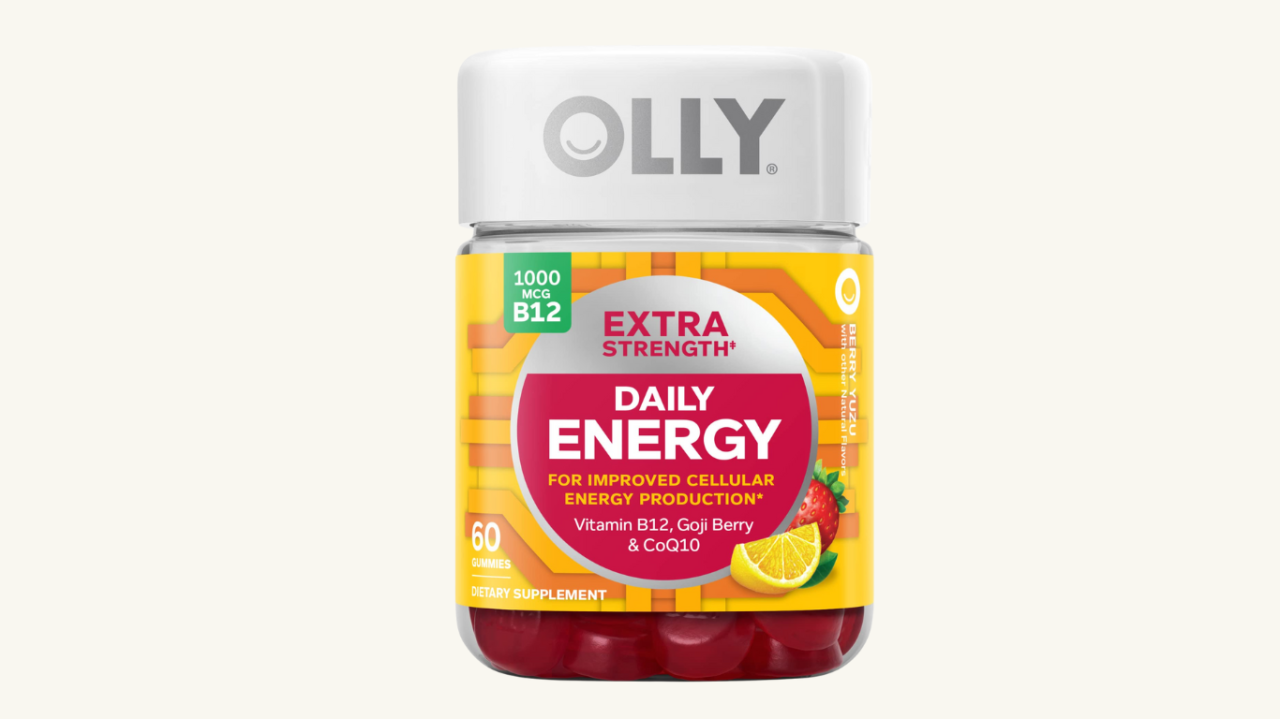
Vitamin B12 plays a pivotal role in maintaining our overall health, particularly concerning energy production and mental clarity. Deficiency in this essential nutrient can lead to a variety of physical and mental symptoms that significantly impact an individual’s daily life. Recognizing these symptoms early can aid in prompt intervention and treatment, restoring vitality and well-being.
A lack of vitamin B12 can manifest in numerous ways, affecting both the body and mind. Common physical symptoms include fatigue, weakness, pale skin, and dizziness. Mentally, individuals may experience memory problems, mood changes, and increased feelings of depression or anxiety. The connection between fatigue and weakness is particularly notable; many people report feeling drained and lethargic, which can severely affect their productivity and quality of life. Understanding these symptoms is crucial, as they often lead to a vicious cycle of inactivity and further energy depletion.
Physical and Mental Symptoms of B12 Deficiency
The symptoms related to B12 deficiency can be both debilitating and diverse. Here are some key physical and mental symptoms associated with this deficiency:
- Fatigue and Weakness: Chronic fatigue is one of the most common symptoms, often described as an overwhelming sense of tiredness that doesn’t improve with rest. Weakness in muscles can make daily activities feel monumental.
- Pale or Jaundiced Skin: A deficiency can lead to a decrease in red blood cell production, resulting in pale or slightly yellowish skin due to the build-up of bilirubin.
- Nerve Problems: Tingling sensations, numbness in the hands and feet, or difficulty walking can occur due to damage to the nervous system.
- Cognitive Difficulties: Memory loss, difficulty concentrating, and confusion can arise, often leading to feelings of frustration and anxiety.
- Mood Changes: Increased feelings of sadness, irritability, or anxiety are common, as B12 plays a vital role in the synthesis of neurotransmitters like serotonin and dopamine.
The link between fatigue and weakness primarily stems from B12’s role in red blood cell formation and energy metabolism. When red blood cell production is impaired, oxygen transport throughout the body diminishes, leading to feelings of exhaustion and weakness. This lack of energy is not just physical; it can deeply influence mental health, contributing to a sense of despair and decreased motivation.
“In individuals with B12 deficiency, energy levels can dramatically improve with proper supplementation, showcasing the essential role this vitamin plays in daily vitality.”
Real-life examples underscore the significance of maintaining adequate B12 levels. For instance, a case study of a 45-year-old office worker revealed that after months of feeling uncharacteristically tired and irritable, she was diagnosed with a B12 deficiency. Following a regimen of B12 injections and dietary changes, she reported a significant boost in her energy levels and overall mood within just a few weeks. Similar stories abound, highlighting how timely intervention can transform lives and restore energy levels and enthusiasm for daily activities.
The Connection Between B12 and Mental Clarity
Vitamin B12 plays a crucial role in maintaining optimal cognitive function and energy levels in our daily activities. Adequate levels of this essential nutrient can significantly enhance mental clarity, concentration, and overall cognitive performance. As we navigate through busy schedules and demanding tasks, the impact of B12 on our mental agility cannot be overstated, making it a vital component of our wellness regimen.
Research has shown that vitamin B12 is essential for the production of neurotransmitters, which are critical for communication between neurons. Deficiency in B12 can lead to cognitive impairments and may contribute to feelings of mental fatigue. Studies have indicated that individuals with low B12 levels often report challenges with memory, focus, and even mood stability. For instance, a study published in the “American Journal of Clinical Nutrition” found a correlation between lower B12 levels and increased cognitive decline in older adults. This highlights the importance of maintaining adequate B12 levels to support mental clarity and reduce fatigue.
Effects of B12 on Mental Fatigue and Clarity
Understanding how vitamin B12 influences mental fatigue and clarity is essential for optimizing cognitive function. Several studies have drawn attention to the link between B12 levels and cognitive health. A consistent observation is that individuals who consume sufficient amounts of B12 tend to experience lower levels of fatigue and improved focus compared to those who are deficient.
A notable study assessed a group of individuals with cognitive complaints and found that after supplementation with B12, many participants reported significant improvements in their mental clarity and reduced feelings of exhaustion. Additionally, the relationship between B12 and the prevention of mood disorders has also been documented, suggesting that maintaining adequate levels can contribute positively to overall mental well-being.
To ensure optimal B12 levels for enhanced mental clarity, consider the following recommendations:
- Incorporate B12-rich foods into your diet, such as lean meats, fish, dairy products, and fortified cereals. These foods are excellent sources of B12 that can help maintain adequate levels.
- Consider B12 supplementation if dietary intake is insufficient, especially for vegetarians and vegans who may not get enough of this nutrient from food alone.
- Schedule regular check-ups with your healthcare provider to monitor B12 levels, particularly if you are experiencing symptoms of deficiency, such as fatigue or cognitive decline.
- Be mindful of medications that may affect B12 absorption, such as certain antacids and metformin, and discuss alternatives with your doctor if necessary.
“Vitamin B12 is not just crucial for physical health; it’s essential for maintaining mental sharpness and clarity.”
Maintaining adequate vitamin B12 levels is not only vital for physical health but also critical for cognitive function and mental well-being. By prioritizing B12 in our daily nutrition and being aware of our body’s needs, we can enhance our mental clarity and combat fatigue effectively.
Impact of Age on B12 Absorption and Energy Levels
As we age, our bodies undergo various changes that can influence the absorption of essential nutrients, particularly vitamin B12. This vitamin is crucial for energy production, DNA synthesis, and the formation of red blood cells. Understanding how age affects B12 absorption can help older adults maintain their energy levels and overall well-being.
The body’s ability to absorb vitamin B12 diminishes with age due to several physiological changes. One primary factor is the decrease in stomach acid production, which is essential for releasing B12 from food sources. Additionally, age-related digestive issues, such as atrophic gastritis, can further impair absorption. This can lead to a deficiency in B12, resulting in symptoms like fatigue, weakness, and cognitive decline. Ensuring adequate B12 intake becomes even more critical as we get older.
Effects of Digestive Issues on B12 Absorption
Digestive health plays a vital role in nutrient absorption, and many older adults experience challenges that can hinder their ability to absorb B12 effectively. Some key factors include:
- Reduced Stomach Acid: Lower levels of hydrochloric acid can inhibit the release of B12 from food sources, leading to potential deficiencies.
- Intrinsic Factor Deficiency: This protein, produced by the stomach, is necessary for B12 absorption. Age-related decline can result in lower intrinsic factor levels.
- Medications: Common medications like proton pump inhibitors (PPIs) and antacids can interfere with stomach acid production, further affecting B12 absorption.
To ensure that older adults meet their B12 needs for sustained energy, consider the following tips:
- Include B12-rich foods: Incorporate sources such as lean meats, fish, dairy products, and fortified cereals into the diet.
- Consider supplementation: Discuss B12 supplements with a healthcare provider, especially if dietary intake is insufficient.
- Regular check-ups: Regular blood tests can help monitor B12 levels and detect deficiencies early.
- Watch for symptoms: Be aware of signs of deficiency, such as fatigue, weakness, or neurological issues, and consult a healthcare professional if they arise.
The Role of B12 in Athletic Performance and Recovery
Vitamin B12 plays a pivotal role in the athletic world, serving as a key player in energy production and recovery processes essential for peak performance. Athletes, particularly those engaged in high-intensity training, benefit significantly from adequate B12 levels, as this vitamin is crucial for maintaining optimal energy metabolism, red blood cell formation, and overall recovery post-exercise.
B12 is integral to the production of red blood cells, which transport oxygen throughout the body. This oxygen delivery is vital during exercise, particularly for endurance athletes who rely heavily on aerobic metabolism. Furthermore, B12 contributes to the nervous system’s health, which helps in muscle coordination and quick recovery from strenuous workouts. Without sufficient B12, athletes may experience fatigue, decreased performance, and prolonged recovery times.
Effects of B12 Supplementation on Performance
The impact of B12 supplementation varies between different types of athletes, notably those engaged in endurance versus strength training. Endurance athletes, such as marathon runners and cyclists, often see substantial improvements in their performance when their B12 levels are optimized. This is because B12 aids in converting carbohydrates into glucose, which is crucial for sustained energy during long workouts.
In contrast, strength trainers may experience different benefits from B12. While energy production is still important, the vitamin’s role in muscle recovery and repair becomes more prominent. B12 supports protein synthesis, which is essential for muscle growth and recovery after intense strength training sessions. The following table Artikels various sources of B12 along with their benefits specifically tailored for athletes:
| B12 Source | Benefits for Athletes |
|---|---|
| Fish (e.g., salmon, trout) | Rich in omega-3 fatty acids and protein; supports cardiovascular health and muscle repair. |
| Meat (e.g., beef, chicken) | High in iron and protein; enhances red blood cell production and energy levels. |
| Dairy products (e.g., milk, yogurt) | Provides calcium and protein; aids in muscle function and recovery time. |
| Eggs | Contains essential amino acids; important for muscle growth and overall recovery. |
| Fortified cereals | Convenient source of B12; beneficial for vegetarians and vegans to meet daily requirements. |
In conclusion, ensuring adequate intake of Vitamin B12 is crucial for athletes who wish to optimize their performance and recovery. Incorporating various B12-rich sources into their diets can lead to improved energy efficiency, enhanced endurance, and more effective recovery strategies after intense training sessions.
Myths and Misconceptions About B12 and Energy
Vitamin B12 has garnered significant attention for its role in energy production, yet many myths persist regarding its supplementation and effects. Understanding these myths is crucial for making informed decisions about B12 intake, especially considering its importance for overall health. This section aims to clarify common misconceptions surrounding B12 and its relation to energy levels.
Common Myths Surrounding B12
Despite the growing awareness of vitamin B12, several myths continue to circulate, leading to confusion among consumers. Here are some common myths along with the facts that debunk them:
- Myth: B12 supplements are only necessary for vegetarians and vegans. Many believe that only those avoiding animal products need B12 supplements. In reality, individuals with malabsorption issues or certain health conditions can also benefit from supplementation.
- Myth: Higher doses of B12 lead to greater energy. While adequate B12 levels are essential for energy metabolism, excess amounts do not translate to enhanced energy levels. The body regulates B12 absorption, and any surplus is generally excreted.
- Myth: All B12 supplements are the same. There are various forms of B12, including cyanocobalamin and methylcobalamin, each with different absorption rates. It’s important to choose the right form for individual needs, as some may be more effective than others.
- Myth: B12 injections are necessary for everyone. While some individuals, particularly those with severe deficiencies or absorption issues, may require injections, most people can achieve adequate levels through oral supplementation or dietary sources.
The prevalence of these myths can lead to misunderstandings about B12’s role in health, potentially resulting in inadequate or unnecessary supplementation.
Implications of Misinformation on Public Health
The spread of misinformation regarding vitamin B12 has significant implications for public health. Misguided beliefs can lead to both deficiencies and overuse of supplements, impacting overall well-being. For instance:
- Deficiencies: Individuals who underestimate their need for B12 may experience fatigue, cognitive decline, and other serious health issues over time.
- Over-supplementation: Conversely, taking unnecessary high doses of B12 can result in wasteful spending and may overshadow the importance of a balanced diet rich in various nutrients.
- Healthcare Guidance: Misinformation can influence healthcare professionals’ recommendations, potentially leading to misdiagnosis or inappropriate treatments.
Understanding and addressing these myths is vital for promoting accurate knowledge about vitamin B12 and ensuring the public adheres to effective nutritional practices. As we strive for optimal health, separating fact from fiction regarding B12 supplementation plays a critical role in achieving energy balance and overall wellness.
Best Practices for Supplementing with B12
Supplementing with vitamin B12 can play a crucial role in maintaining energy levels and overall health, particularly for those at risk of deficiency. Understanding the different forms of B12 available and how to properly incorporate them into your routine can enhance their effectiveness and benefits.
Vitamin B12 supplements come in various forms, including cyanocobalamin, methylcobalamin, adenosylcobalamin, and hydroxocobalamin. Each form has different absorption rates and effectiveness. Cyanocobalamin is a synthetic form commonly used in supplements, known for its stability and cost-effectiveness. However, it requires conversion in the body to its active forms. Methylcobalamin and adenosylcobalamin are bioactive forms that do not require conversion, making them readily usable by the body. Hydroxocobalamin is often used in injections and can be more effective for individuals with absorption issues.
Choosing the Right B12 Supplement
Selecting the right B12 supplement should be based on individual health needs, dietary habits, and specific deficiencies. Consider the following guidelines:
- Assess dietary intake: Individuals who follow a vegetarian or vegan diet may require supplementation due to lower dietary sources.
- Consider health conditions: Conditions affecting absorption, like pernicious anemia or gastrointestinal disorders, may necessitate specific forms.
- Check potency: Look for supplements that provide adequate dosages, typically ranging from 500 to 5000 micrograms, based on personal health needs.
- Evaluate the delivery method: Options include tablets, sublingual forms, patches, and injections. Choose one that fits your preference and lifestyle.
- Consult a healthcare provider: Personalized advice from a professional can ensure the right form and dosage for optimal benefits.
Incorporating B12 supplements into your daily routine can enhance their efficacy and ensure consistent intake. Here are some tips to help you seamlessly add B12 to your lifestyle:
- Set a daily reminder: Use your phone or a calendar to remind you to take your supplement at the same time each day.
- Combine with meals: Taking B12 with food can improve absorption and help make it a regular part of your routine.
- Pair with other vitamins: Consider taking B12 with other B vitamins, as they often work synergistically.
- Keep it visible: Store your supplements in a place where you’ll see them daily, such as next to your toothbrush or coffee maker.
- Track your intake: Use a journal or app to monitor your supplement schedule and ensure consistent intake.
By understanding the different forms of B12 and following best practices for supplementation, you can effectively support your energy levels and overall health.
Ultimate Conclusion
In conclusion, embracing Daily B12 for energy could be the game-changer in your quest for vitality. Whether through dietary sources or supplementation, maintaining adequate B12 levels can significantly impact your energy, mental clarity, and overall health. As we’ve explored, understanding the nuances of B12 not only debunks common myths but also empowers individuals to make informed choices about their nutrition and health.
Popular Questions
What are the signs of B12 deficiency?
Common signs include fatigue, weakness, and mental fog, along with more severe symptoms like nerve damage if left untreated.
Can I get enough B12 from a vegan diet?
It can be challenging, but fortified foods and supplements can help vegans meet their B12 needs.
How can I tell if I need a B12 supplement?
If you experience fatigue, weakness, or cognitive issues, consult a healthcare provider who can recommend testing and supplementation if necessary.
Is it safe to take B12 supplements?
Generally, B12 supplements are safe, but it’s important to consult a healthcare professional for personalized advice.
How long does it take to feel the effects of B12 supplementation?
Many people report feeling more energetic within a few weeks of starting supplementation, but it may vary based on individual health and deficiency severity.

Leave a Reply