

Getting enough iron is essential for maintaining optimal health, yet many people overlook its importance. Daily Iron supplement plays a crucial role in supporting bodily functions, particularly for those at risk of deficiency. Whether it’s boosting energy levels or strengthening the immune system, understanding the significance of iron can lead to improved overall wellness.
Iron deficiency is more common than you might think, affecting millions worldwide. Factors such as diet, lifestyle, and specific health conditions can leave individuals vulnerable to low iron levels. This overview will dive into why daily iron supplementation is not only beneficial but often necessary for certain populations.
The Importance of Daily Iron Supplementation in Maintaining Health
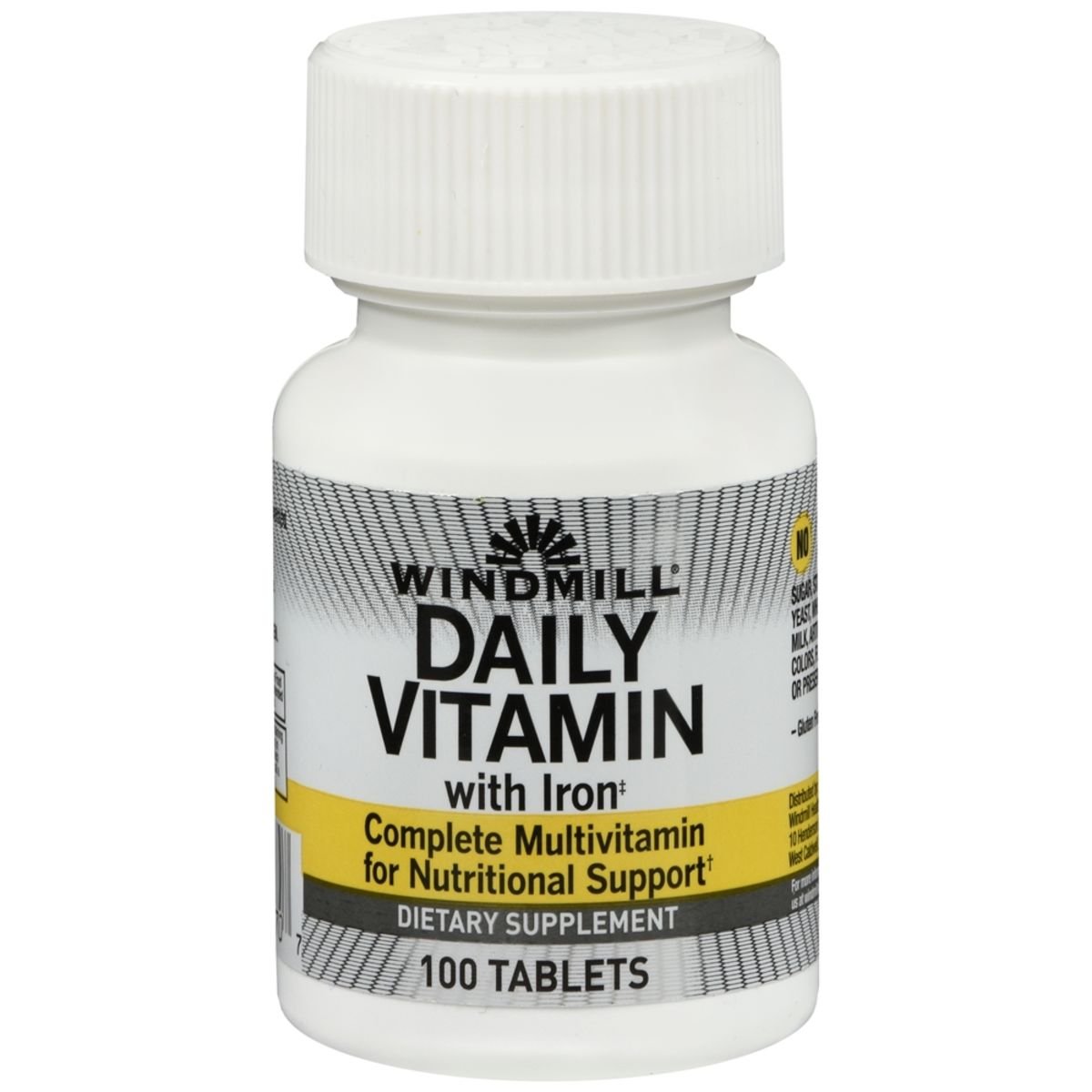
Daily iron supplementation plays a crucial role in supporting overall health, particularly for individuals at higher risk of deficiency. Iron is an essential mineral that is vital for several bodily functions, including the formation of hemoglobin, which is responsible for transporting oxygen in the blood. Without adequate iron, the body struggles to produce enough healthy red blood cells, leading to fatigue and other health complications.
Iron supplementation becomes necessary for certain populations, including pregnant women, young children, vegetarians, and those with specific health conditions. These groups often have increased iron requirements or may not get enough iron from their diets. For instance, pregnant women need more iron to support the developing fetus, while vegetarians might find it challenging to obtain sufficient iron from plant-based sources alone.
Health Benefits of Daily Iron Intake
Regular intake of iron can lead to a variety of health benefits that contribute positively to overall well-being. Enhanced energy levels and improved immune function are two significant advantages associated with sufficient iron consumption. Iron deficiency can lead to anemia, characterized by low energy and reduced ability to fight infections, which can severely impact daily life.
The following points highlight the critical benefits of daily iron intake:
- Improved Energy Levels: Adequate iron levels boost the production of hemoglobin, enhancing oxygen transport to the muscles and organs, which helps in reducing feelings of fatigue.
- Strengthened Immune Function: Iron plays a vital role in the immune system by supporting the growth and maturation of immune cells, improving the body’s ability to combat infections.
- Cognitive Function: Sufficient iron is essential for maintaining cognitive abilities, as iron is involved in neurotransmitter synthesis, which affects mood and mental clarity.
- Enhanced Athletic Performance: Athletes, especially women, may experience improved endurance and performance when iron levels are optimized, as it directly affects stamina and energy expenditure.
Iron deficiency is a prevalent public health issue affecting millions worldwide. According to the World Health Organization (WHO), an estimated 1.62 billion people are anemic globally, with iron deficiency being the leading cause. Particularly vulnerable groups include pregnant women, with over 38% affected in developing countries, and young children, where rates can exceed 50% in some regions. The implications of iron deficiency extend beyond individual health, affecting economic productivity and overall community well-being.
“Addressing iron deficiency is crucial not only for individual health but also for the enhancement of public health systems and economic development.”
Identifying Signs of Iron Deficiency and the Need for Supplementation
Iron deficiency is a common nutritional deficiency that can significantly impact various aspects of daily life. Many individuals are unaware of the subtle signs and symptoms they may be experiencing, often attributing them to stress or fatigue. Recognizing these signs is crucial to ensure timely intervention and maintain overall health.
Iron plays a vital role in the production of hemoglobin, which is necessary for transporting oxygen throughout the body. When the body’s iron levels are low, it can lead to a variety of symptoms that can disrupt your quality of life. Some common symptoms associated with iron deficiency include fatigue, weakness, pale skin, shortness of breath, and dizziness. Additionally, individuals may experience restless leg syndrome or brittle nails. These symptoms can hinder one’s ability to concentrate at work, engage in physical activities, or enjoy social interactions comfortably.
Groups at Greater Risk for Iron Deficiency
Certain demographics are more susceptible to developing iron deficiency and may require supplementation. Understanding these groups can help in identifying individuals who need to take proactive measures regarding their iron intake.
The following groups are often at higher risk for iron deficiency:
- Women of Reproductive Age: Due to menstruation, women may lose significant amounts of iron, making them more prone to deficiency, especially if iron-rich foods are not adequately included in their diet.
- Pregnant Women: During pregnancy, the body’s demand for iron increases dramatically to support fetal development, leading to a higher likelihood of deficiency if not monitored and supplemented as needed.
- Infants and Young Children: Developing children have higher iron needs for growth and development. Exclusively breastfed infants, particularly beyond six months without adequate iron-rich foods, are at risk.
- Elderly Individuals: Older adults may have a reduced ability to absorb iron and could also have dietary restrictions that decrease their iron intake.
- Vegetarians and Vegans: Those following plant-based diets might not consume enough heme iron, which is more readily absorbed by the body, making it essential for them to monitor their iron levels closely.
It is essential to recognize that untreated iron deficiency can lead to anemia, a condition characterized by a decrease in red blood cells, which can severely impact overall health and vitality.
Anecdotal evidence from individuals suffering from iron deficiency illustrates the impact it can have on everyday life. For instance, a young woman in her late twenties reported struggling to keep up with her children and often felt exhausted after minimal physical activity. After a comprehensive evaluation, she was diagnosed with iron deficiency anemia. Following a recommendation for iron supplementation and dietary changes, she experienced a significant boost in her energy levels and an overall improvement in her daily functionality. Similarly, older adults have shared stories of feeling physically weak and lethargic until discovering their iron levels were dangerously low. Upon initiating supplementation, many reported a marked improvement in their stamina and cognitive function.
In summary, recognizing the signs of iron deficiency and understanding the groups at risk can lead to timely intervention and improved health outcomes, emphasizing the importance of proper nutrition and supplementation.
Different Forms of Iron Supplements and Their Effectiveness
Iron supplements come in various forms, and understanding their differences is vital for choosing the right one for your needs. Iron plays a crucial role in transporting oxygen in the blood and is essential for overall health. However, not all iron supplements are created equal, and their effectiveness can vary significantly based on their composition, absorption rates, and potential side effects.
Several common types of iron supplements include ferrous sulfate, ferrous gluconate, and heme iron. Each of these has unique properties that influence their absorption in the body, as well as any adverse effects they may cause. Below, we will explore these forms in detail and provide a comparative table highlighting their benefits and drawbacks.
Comparison of Different Iron Supplements
Understanding the specifics of each iron supplement can help you make informed choices. The effectiveness and tolerability of these supplements can vary based on individual physiological responses. The following table summarizes the key aspects of each type of iron supplement, including their absorption rates and known side effects.
| Iron Supplement Type | Absorption Rate | Benefits | Drawbacks |
|---|---|---|---|
| Ferrous Sulfate | 20-30% absorption | Highly effective; commonly prescribed; economical. | May cause gastrointestinal discomfort; constipation; nausea. |
| Ferrous Gluconate | 10-20% absorption | Gentler on the stomach; offers a lower dose of elemental iron. | Less effective for severe deficiency; may need higher doses. |
| Heme Iron | 20-35% absorption | Derived from animal sources; more efficiently absorbed. | Limited availability; may not be suitable for vegetarians or vegans. |
The absorption rates listed above indicate how effectively the body can utilize the iron from each supplement type. For instance, ferrous sulfate, while common and effective, may lead to gastrointestinal side effects for some individuals. In contrast, ferrous gluconate is often recommended for those who experience discomfort with ferrous sulfate but might require higher doses for efficacy. Heme iron, derived from animal products, is absorbed better than non-heme iron forms but may not be suitable for everyone.
Choosing the right iron supplement should consider personal health needs, dietary restrictions, and potential side effects.
Dosage Recommendations for Daily Iron Supplementation
Iron is an essential mineral that plays a crucial role in maintaining healthy bodily functions. The recommended daily intake of iron varies across different demographic groups. These recommendations are designed to help meet the unique needs of various populations, including children, pregnant women, and the elderly, ensuring they receive adequate amounts without risking health issues associated with both deficiency and excess.
Recommended Daily Intake for Different Groups
Understanding the recommended daily intake can help individuals make informed choices about iron supplementation. Below are the guidelines for various demographic groups:
- Children:
The recommended dietary allowance (RDA) for iron varies by age. For example, children aged 1-3 years require about 7 mg of iron per day, while those aged 4-8 years need approximately 10 mg. - Pregnant Women:
The iron requirements significantly increase during pregnancy, with an RDA of 27 mg per day to support fetal development and expand maternal blood volume. - Elderly:
Older adults typically require around 8 mg per day. However, women over 50 should consider the RDA of 8 mg post-menopause.
Consulting a Healthcare Professional
Before starting any iron supplementation, it is essential to consult with a healthcare professional. They can assess individual health needs and help determine the appropriate dosage based on factors like diet, overall health, and specific medical conditions. A healthcare provider may recommend blood tests to measure iron levels or to diagnose conditions such as iron-deficiency anemia, which can inform the exact dosage required for effective supplementation.
“Personalized guidance from a healthcare professional ensures safe and effective iron intake tailored to individual needs.”
Risks of Excessive Iron Intake
Excessive iron intake can lead to serious health complications, including iron overload, which may cause damage to organs such as the liver, heart, and pancreas. It is vital to monitor the total intake from both supplements and dietary sources to avoid exceeding the upper intake levels. The tolerable upper intake level (UL) for adults is set at 45 mg per day. To mitigate risks, individuals should:
- Be aware of total dietary iron consumption.
- Avoid taking multiple iron supplements simultaneously.
- Regularly consult healthcare providers to evaluate iron levels.
Iron supplementation can be beneficial when done correctly, but understanding the recommended dosages and potential risks is crucial for maintaining health and well-being.
Dietary Sources of Iron and How They Complement Supplements
Iron is a crucial mineral that plays a vital role in various bodily functions, including the formation of red blood cells and the transportation of oxygen. While supplements can be beneficial for those with iron deficiencies, a balanced diet rich in iron can often meet daily needs and reduce reliance on supplements. Understanding the sources of iron in food, as well as how they work in conjunction with other nutrients, is essential for maintaining optimal health.
Iron is categorized into two types: heme and non-heme iron. Heme iron is derived from animal sources and is generally more easily absorbed by the body compared to non-heme iron, which comes from plant sources. A diet that includes both types of iron can help ensure adequate intake, especially when combined with foods rich in vitamin C, which enhances the absorption of non-heme iron.
Food Sources of Iron
Incorporating iron-rich foods into your diet is a practical way to achieve necessary iron intake. Below are various dietary sources of iron categorized into heme and non-heme sources:
- Heme Iron Sources:
- Red meat (beef, lamb)
- Poultry (chicken, turkey)
- Fish and shellfish (tuna, salmon, oysters)
- Non-Heme Iron Sources:
- Legumes (lentils, chickpeas, beans)
- Nuts and seeds (pumpkin seeds, almonds)
- Whole grains (quinoa, brown rice, oatmeal)
- Dark leafy greens (spinach, kale)
- Dried fruits (apricots, raisins)
The combination of these heme and non-heme sources in meals can significantly improve iron levels. Interestingly, the presence of vitamin C can enhance the absorption of non-heme iron. Foods like oranges, strawberries, bell peppers, and broccoli can be paired with non-heme sources to optimize iron uptake.
Example Meal Plan for Iron Intake
Creating balanced meals that include iron-rich foods is an effective strategy to meet daily requirements. Below is a simple meal plan that incorporates various sources of iron:
| Meal | Example Dishes |
|---|---|
| Breakfast | Oatmeal topped with sliced almonds and fresh strawberries |
| Lunch | Spinach salad with grilled chicken, cherry tomatoes, and a lemon vinaigrette |
| Snack | Hummus with carrot sticks and a sprinkle of pumpkin seeds |
| Dinner | Quinoa bowl with black beans, sautéed kale, and a side of baked salmon |
By integrating these iron-rich foods and pairing them with vitamin C sources, individuals can effectively meet their iron needs while enjoying a diverse and nutritious diet. Incorporating a variety of foods not only ensures adequate iron intake but also contributes to overall health and well-being.
The Impact of Iron Supplements on Athletic Performance
Iron plays a crucial role in athletic performance, especially for endurance athletes who rely on optimal oxygen transport to sustain energy levels during their activities. Adequate iron levels are essential for maintaining hemoglobin levels, which carry oxygen to muscles, making it imperative for athletes to monitor their iron intake closely. The impact of iron on performance becomes particularly evident in sports such as long-distance running, cycling, and swimming, where endurance is a major factor.
Research has demonstrated a strong connection between iron levels and athletic performance. Several studies have indicated that athletes with low iron stores may experience diminished endurance and increased fatigue, which can significantly hamper performance. In a study published in the “Journal of Sports Medicine,” researchers found that iron supplementation improved hemoglobin levels and increased exercise capacity in female distance runners who were iron deficient. This suggests that correcting iron deficiency can lead to measurable improvements in performance metrics such as time to exhaustion and overall stamina.
Effects of Iron Supplementation on Endurance
The relationship between iron supplementation and athletic performance is supported by various evidence-based findings. Here are some key points outlining the benefits of iron supplementation for endurance athletes:
- Increased Oxygen Delivery: Iron is a critical component of hemoglobin, which is necessary for transporting oxygen in the blood. Improved oxygen delivery enhances overall endurance during prolonged physical activities.
- Enhanced Energy Levels: Low iron levels can lead to fatigue and a lack of energy. Supplementing with iron helps restore energy levels, allowing athletes to train harder and longer.
- Improved Recovery: Adequate iron levels can aid in faster recovery from workouts due to better oxygenation of muscles, thus reducing muscle soreness and fatigue.
- Research Evidence: A meta-analysis published in the “American Journal of Clinical Nutrition” found that iron supplementation positively influenced exercise performance in the majority of studies reviewed, particularly among those with iron deficiency.
Testimonials from athletes underscore the positive effects of daily iron supplementation. For instance, an elite marathon runner shared, “After incorporating iron supplements into my routine, I noticed a significant improvement in my energy levels. My times improved, and I felt less fatigued after long runs.” Another competitive cyclist remarked, “I struggled with endurance until I started taking iron. Now, I’m able to push through the toughest races without feeling drained.” These personal accounts reflect the potential benefits of iron supplementation for enhancing athletic performance, particularly in endurance sports where every ounce of energy counts.
In conclusion, maintaining optimal iron levels through supplementation can be a game-changer for athletes, especially those engaged in endurance sports. The evidence supports the notion that iron is not just a mineral; it’s an essential ally in the quest for peak performance.
Common Myths and Misconceptions about Iron Supplements
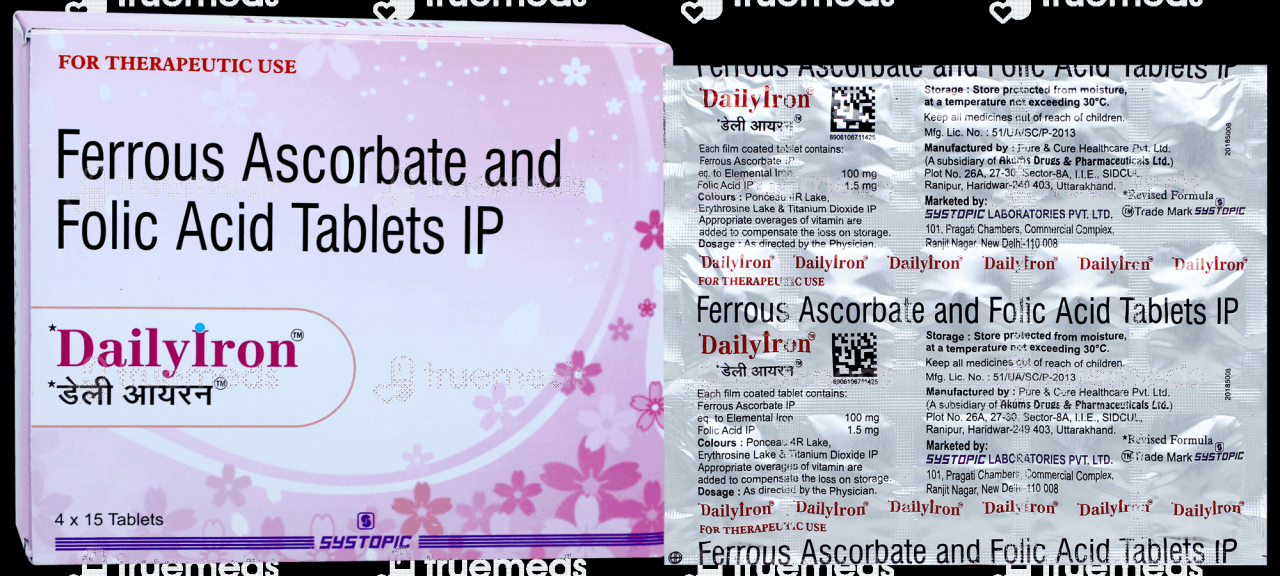
Iron supplements are often surrounded by a cloud of misunderstanding, leading many to either overestimate their necessity or to dismiss them outright. This section aims to unravel some of the most common myths about iron supplementation, providing clarity on when and why they may be necessary. Misconceptions can lead to inappropriate self-diagnosis and supplementation practices that could compromise health.
One prevalent belief is that individuals who consume a balanced diet do not require iron supplements. While a balanced diet is essential, it may not always guarantee adequate iron intake due to various factors such as absorption issues, dietary restrictions, and increased needs during certain life stages. The body’s ability to absorb iron is influenced by the form of iron consumed and the presence of other dietary components.
Myths Surrounding Iron Supplementation
Understanding the difference between myth and reality regarding iron supplementation is crucial. Below are some common myths:
- Myth 1: Everyone needs iron supplements.
- Myth 2: Vegetarians and vegans never get enough iron.
- Myth 3: Higher doses of iron are better.
- Myth 4: Iron supplements are only for women.
- Myth 5: Taking iron supplements will instantly increase energy levels.
Not everyone requires iron supplementation; it is primarily recommended for those with deficiencies, pregnant women, and individuals with certain medical conditions.
While plant-based diets contain non-heme iron, which is less readily absorbed, careful meal planning can ensure adequate intake.
Excessive iron intake can lead to toxicity and serious health issues; supplementation should always align with recommended dosages.
Men can also experience iron deficiency, particularly athletes or those with specific health conditions.
While correcting an iron deficiency can improve energy levels over time, results will not be immediate, and iron should not be used as a quick fix for fatigue.
“The necessity and dosage of iron supplementation should always be based on individual health needs and guided by healthcare professionals.”
Scientific studies indicate that iron supplementation is particularly beneficial for individuals at risk of deficiency, which can include pregnant women, growing children, and those with chronic blood loss. The recommended dietary allowance (RDA) varies by age, sex, and life stage; for example, adult men typically require 8 mg/day of iron, while women of reproductive age may need 18 mg/day.
In conclusion, it is vital to address these misconceptions to empower individuals with accurate information about iron supplementation, thereby fostering informed decisions regarding their health and nutritional needs. Knowledge about the body’s requirements and the effects of iron can significantly enhance one’s well-being.
User Experiences and Reviews of Daily Iron Supplements
Incorporating daily iron supplements into one’s routine can be a transformative experience, especially for individuals with iron deficiency or increased iron demands. Many users have shared their personal journeys, highlighting both the challenges and successes associated with using these supplements. These firsthand accounts provide valuable insights into the effectiveness of different products and the outcomes of regular use.
While daily iron supplements can offer significant benefits, users often encounter a range of common challenges. Adjusting to the supplement can lead to gastrointestinal discomfort, and some individuals may struggle with finding the right product that suits their needs. However, many have reported positive changes in their energy levels, mood, and overall well-being after regular intake. Below are some personal stories and notable experiences shared by users that illustrate the diverse effects of daily iron supplementation.
Personal Stories and Testimonials
The following testimonials reflect a mixture of experiences with daily iron supplements, showcasing both the hurdles faced and the triumphs achieved:
-
“After months of feeling fatigued, I decided to try an iron supplement. Within a few weeks, my energy levels significantly improved, and I felt more like myself again!”
– Sarah, 28
-
“I initially experienced stomach issues with a ferrous sulfate supplement, but switching to a gentle, plant-based iron made all the difference. No more discomfort!”
– James, 34
-
“I was skeptical at first, but after noticing my hair started to regain its thickness, I became a firm believer in iron supplements. It worked wonders for me!”
– Lisa, 42
-
“I had to try a few brands before finding one that didn’t upset my stomach. Now, I take it daily and feel more energetic throughout the day.”
– Mark, 29
-
“As a vegan, I was struggling with iron levels. A recommended supplement helped me raise my levels and feel healthier overall.”
– Emily, 31
The experiences shared highlight that while many individuals may have initial challenges with side effects or finding the right type of iron, the long-term benefits often outweigh these hurdles. Users frequently emphasize the importance of consulting with a healthcare provider to find the most suitable formulation for their specific needs, ensuring a more comfortable supplementation experience. Readers are encouraged to share their own experiences with various brands or formulations, as this collective feedback can guide others in their journey toward better health.
Closing Summary
In summary, daily iron supplementation can significantly enhance health and vitality, especially for those who struggle to meet their iron needs through diet alone. As we have explored, recognizing the signs of deficiency, understanding the types of supplements available, and consulting healthcare professionals are vital steps. With the right knowledge and approach, daily iron supplements can be a game-changer in your health regimen.
Popular Questions
What are the signs of iron deficiency?
Common signs include fatigue, weakness, pale skin, and shortness of breath.
Can I get enough iron from my diet alone?
While it’s possible, many individuals require supplements to meet their needs effectively, especially vegetarians and pregnant women.
Are there side effects of taking iron supplements?
Possible side effects include gastrointestinal issues like constipation, nausea, or stomach cramps.
How long does it take to see results from iron supplementation?
Improvements can vary, but many people notice a difference within a few weeks to a couple of months.
Is it safe to take iron supplements daily?
Yes, but it is important to follow recommended dosages and consult a healthcare provider to avoid risks of excess intake.

Leave a Reply