

Daily folic acid is an essential nutrient that plays a crucial role in our overall health and well-being. Often overshadowed by other vitamins, folic acid is vital for various bodily functions, including cellular growth, DNA synthesis, and the prevention of certain health conditions. Understanding the importance of this nutrient can significantly impact your nutritional choices, particularly for specific populations such as pregnant women and those with certain health conditions.
Folic acid is a synthetic form of folate, a water-soluble B vitamin found in many foods. It helps the body produce and maintain new cells, making it particularly critical during periods of rapid growth like pregnancy. Consuming adequate amounts of folic acid can contribute to a healthier life, reducing the risk of chronic diseases, supporting mental well-being, and promoting optimal maternal health.
The Importance of Daily Folic Acid in Nutritional Health
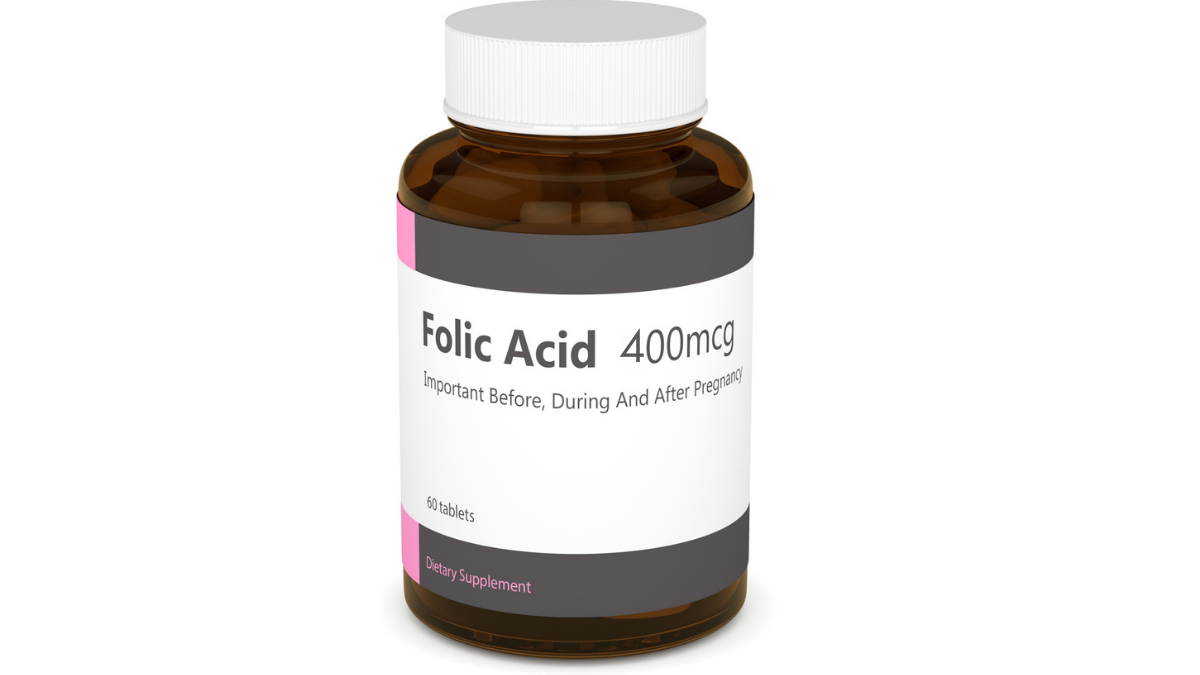
Folic acid, also known as vitamin B9, plays a crucial role in maintaining optimal nutritional health. Its significance extends beyond just a dietary supplement; it is essential for various bodily functions, particularly in cellular function and DNA synthesis. This vitamin is vital for everyone, but some populations require higher amounts to support their health needs.
Daily folic acid intake contributes significantly to overall nutritional health by aiding in several key physiological processes. One of the most critical roles of folic acid is its involvement in DNA synthesis and repair, which is fundamental for cell division and growth. This is especially important during periods of rapid growth, such as during pregnancy and early childhood. Folic acid assists in producing red blood cells, which transport oxygen throughout the body, thereby ensuring that all organs function efficiently. Moreover, it helps in reducing homocysteine levels, an amino acid linked to cardiovascular diseases, thus promoting heart health.
Populations Benefiting from Daily Folic Acid Intake
Certain groups may experience more significant benefits from daily folic acid supplementation due to various health-related factors. Understanding these populations can highlight the critical importance of this nutrient.
- Pregnant Women: Folic acid is vital in preventing neural tube defects in developing fetuses. It is recommended that women who are planning to conceive start taking folic acid at least one month before pregnancy and continue through the first trimester.
- Individuals with Anemia: Those suffering from certain types of anemia, particularly megaloblastic anemia, can greatly benefit from increased folic acid intake, as it plays a significant role in red blood cell formation.
- Elderly Population: Older adults often have dietary deficiencies and may require additional folic acid to maintain cognitive function and overall health, as it is essential for neurological health.
- People with Malabsorption Issues: Conditions that affect the gastrointestinal tract, such as celiac disease, can hinder the absorption of folate. Supplementation becomes crucial for these individuals to meet their daily requirements.
“Adequate folic acid intake is essential not just for cellular function, but for overall health and well-being across different life stages.”
Recommended Daily Allowance of Folic Acid for Different Age Groups
Folic acid, a vital B-vitamin, plays a crucial role in DNA synthesis, red blood cell formation, and overall cellular health. Understanding the recommended daily allowance (RDA) for different age groups is essential for ensuring adequate intake and preventing deficiencies. The RDA varies based on several factors, including age, gender, and specific life stages such as pregnancy and lactation.
The RDA for folic acid is established by health organizations and is designed to meet the needs of most healthy individuals. It is important to adhere to these guidelines to maintain optimal health. The following Artikels the recommended daily allowances for various age groups:
Daily Allowance by Age Group
The daily allowance for folic acid is adjusted according to age and specific physiological needs. The following table summarizes the RDA for different demographics:
| Age Group | Recommended Daily Allowance (mcg) |
|---|---|
| Infants (0-6 months) | 65 mcg |
| Infants (7-12 months) | 80 mcg |
| Children (1-3 years) | 150 mcg |
| Children (4-8 years) | 200 mcg |
| Children (9-13 years) | 300 mcg |
| Teens (14-18 years) | 400 mcg |
| Adults (19 years and older) | 400 mcg |
| Pregnant Women | 600 mcg |
| Lactating Women | 500 mcg |
It is essential to note that certain conditions can influence individual folic acid needs. For example, during pregnancy, the demand for folic acid increases significantly to support fetal development and prevent neural tube defects. Lactating mothers also require higher amounts to ensure adequate nutrition for their infants.
Effects of Insufficient and Excessive Folic Acid Intake
Inadequate folic acid intake can lead to several health issues, primarily affecting red blood cell production and neurological functions. Insufficient levels may result in folate deficiency anemia, characterized by symptoms such as fatigue, weakness, and irritability. Additionally, low folic acid during pregnancy can increase the risk of developmental disorders in the fetus, such as spina bifida.
On the other hand, excessive folic acid intake, particularly from supplements, can mask symptoms of vitamin B12 deficiency, leading to complications such as nerve damage. The tolerable upper intake level for folic acid in adults is set at 1,000 mcg per day. Therefore, while folic acid is essential for health, both deficiency and excess can have serious consequences.
Optimal intake of folic acid is crucial for maintaining good health and preventing serious medical conditions.
The Best Dietary Sources of Folic Acid for Daily Consumption
Folic acid, also known as vitamin B9, is essential for numerous bodily functions, including DNA synthesis and repair, cell division, and the production of red blood cells. Incorporating adequate amounts of folic acid into your daily diet is crucial, especially for pregnant women to support fetal development. Fortunately, there are plenty of delicious and nutritious foods rich in folic acid that you can enjoy daily.
Leafy greens, legumes, nuts, and fortified foods are among the best dietary sources of folic acid. By including these foods in your meals, you can easily meet your daily requirements. Here’s a closer look at some of the top sources:
Top Food Sources Rich in Folic Acid
Including a variety of foods in your diet can boost your folic acid intake. Here are some of the best options you should consider:
| Food Item | Folic Acid Content (µg per 100g) |
|---|---|
| Spinach (cooked) | 194 |
| Lentils (cooked) | 181 |
| Asparagus (cooked) | 149 |
| Broccoli (cooked) | 108 |
| Chickpeas (cooked) | 172 |
| Brussels Sprouts (cooked) | 61 |
| Fortified Cereals | 400 (varies by brand) |
| Peanuts | 168 |
| Oranges | 30 |
Incorporating these folic acid-rich foods into your meals can be both simple and tasty. Here are some effective tips on how to include them in your daily diet:
– Salads: Use spinach, kale, or mixed greens as a base for salads. Top them with chickpeas or lentils for added protein and folate.
– Smoothies: Blend spinach or kale with fruits like bananas and oranges for a refreshing and nutritious smoothie.
– Soups: Add broccoli or asparagus to soups and stews, enhancing both the flavor and nutritional value.
– Snacks: Roasted peanuts or hummus made from chickpeas can serve as healthy snacks throughout the day.
– Breakfast: Choose fortified cereals as a breakfast option, pairing them with milk or yogurt and fresh fruit for a balanced start to your day.
By integrating these foods into your meals, you can ensure you’re getting enough folic acid for optimal health.
The Impact of Daily Folic Acid on Maternal Health
Daily folic acid intake is a critical aspect of maternal health during pregnancy, offering numerous benefits that support both the mother and the developing fetus. This essential B vitamin plays a significant role in cell division and the formation of DNA, which is crucial for the growth and development of the baby. Pregnant women are advised to consume adequate amounts of folic acid to ensure a healthy pregnancy outcome.
Folic acid is particularly known for its role in the prevention of neural tube defects (NTDs), which are serious birth defects of the brain and spine. The neural tube develops into the central nervous system, and its proper formation is vital; hence, adequate folic acid intake is essential during the early stages of pregnancy when the neural tube is forming. Research has shown that women who consume enough folic acid before conception and during the first trimester can significantly reduce the risk of NTDs.
Statistics and Studies on Folic Acid Benefits
The significance of daily folic acid intake is backed by various studies and statistics that highlight its effectiveness in promoting maternal health and preventing birth defects. Key findings include:
- According to the Centers for Disease Control and Prevention (CDC), taking folic acid before and during pregnancy can reduce the risk of NTDs by up to 70%.
- A study published in the American Journal of Clinical Nutrition found that women who took folic acid supplements during the periconceptional period had a 50% lower risk of having a child with an NTD.
- Research from the World Health Organization (WHO) indicated that countries with mandatory folic acid fortification in food saw a significant decline in the incidence of neural tube defects.
- Data from the National Institutes of Health (NIH) reveals that approximately 300,000 pregnancies are affected by NTDs each year globally, emphasizing the importance of folic acid supplementation.
“Folic acid supplementation before and during early pregnancy is a simple, cost-effective measure to significantly reduce the occurrence of neural tube defects.”
In addition to NTD prevention, folic acid contributes to overall maternal health by reducing the risk of pregnancy complications such as preeclampsia and anemia. Adequate folic acid intake supports healthy fetal growth and development, ensuring that mothers can have healthier pregnancies and better outcomes for their babies.
Potential Side Effects and Risks of Overconsumption of Folic Acid
Folic acid, a B-vitamin essential for DNA synthesis and repair, is crucial for overall health, particularly during pregnancy. However, excessive intake of this nutrient can lead to several side effects and health risks. Understanding these implications is vital for anyone considering supplementation beyond their dietary intake.
Overconsumption of folic acid can lead to various adverse effects. While the body can tolerate a certain level of this vitamin, excessive amounts may mask vitamin B12 deficiency, potentially leading to neurological issues. Furthermore, high doses of folic acid have been linked to an increased risk of certain cancers, particularly in individuals with pre-existing conditions. Consuming more than the recommended dietary allowance (RDA) can lead to symptoms such as digestive disturbances, insomnia, and skin reactions. It’s important to monitor intake levels closely to avoid these potential complications.
Comparison of Folic Acid Supplementation and Natural Dietary Intake
The distinction between folic acid supplementation and natural dietary sources is essential for understanding the risks involved. Here are some key points regarding the two sources:
- Natural Sources: Foods rich in folate, such as leafy greens, legumes, and citrus fruits, provide a balanced intake that is less likely to exceed safe levels. These sources also offer additional nutrients that contribute to overall health.
- Supplementation Benefits: Folic acid supplements are beneficial in specific populations, such as pregnant women, where higher doses are recommended to prevent neural tube defects. However, this should be guided by a healthcare professional.
- Risks of Excessive Supplementation: Unlike natural food sources, synthetic folic acid in supplements can lead to excessive intakes, particularly when combined with fortified foods. Monitoring total intake is crucial to avoid side effects.
The tolerable upper intake level for folic acid for adults is set at 1,000 micrograms per day from supplements and fortified foods.
Safety Guidelines for Folic Acid Supplementation
To ensure safe usage of folic acid supplements, specific guidelines should be followed to mitigate health risks. These recommendations are important for various demographics, especially those who are pregnant or may be considering higher doses for health reasons.
- Consultation with Healthcare Providers: Always discuss with a healthcare professional before starting any supplementation, particularly at high doses.
- Monitor Dietary Intake: Keep track of both dietary sources and supplements to maintain a healthy balance and avoid exceeding the recommended limits.
- Awareness of Symptoms: Be mindful of any adverse effects that arise from supplementation, such as gastrointestinal issues or changes in energy levels, and report these to a healthcare provider.
- Consider Individual Health Conditions: Individuals with a history of cancer or a family history of certain diseases should approach folic acid supplementation with caution, as it may exacerbate underlying conditions.
The Role of Folic Acid in Mental Health and Cognitive Function
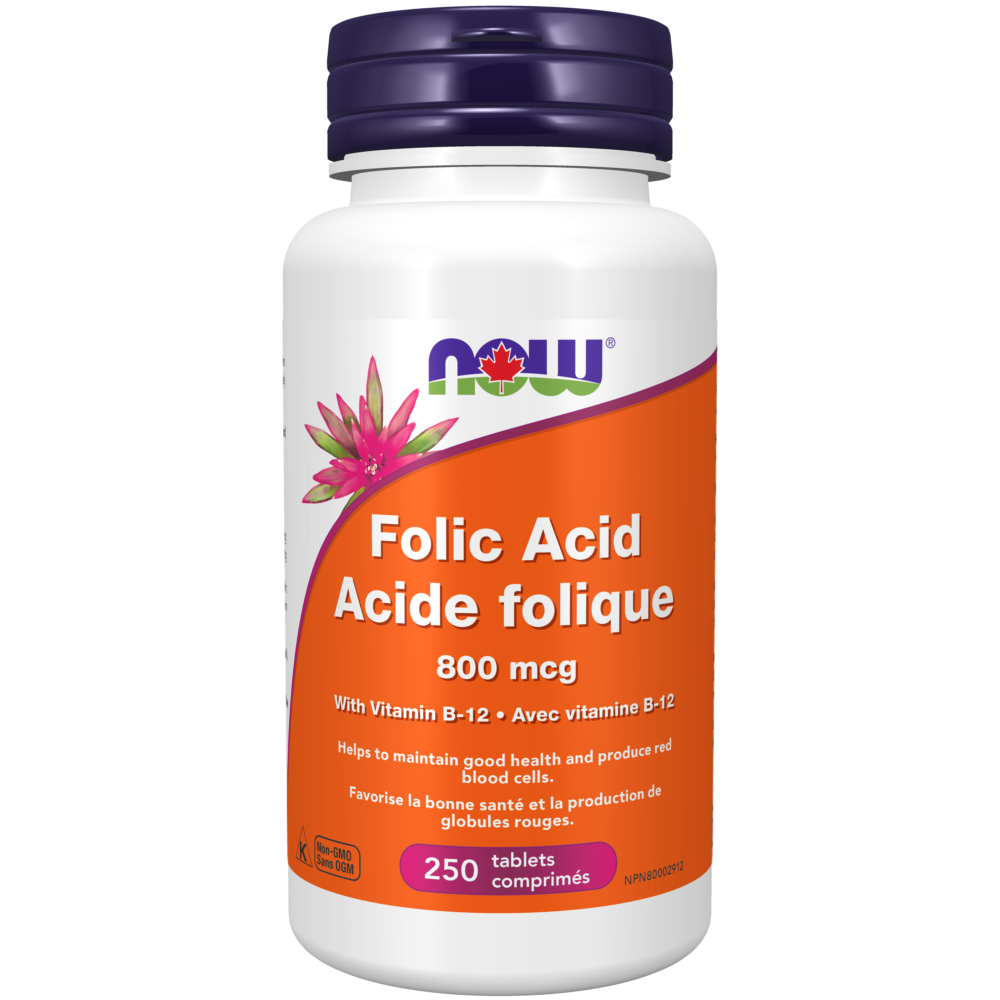
Folic acid, a B-vitamin, is not only essential for physical health but also plays a significant role in mental health and cognitive function. Its importance in the synthesis of neurotransmitters and DNA makes it vital for maintaining optimal brain function. This section will delve into the link between daily folic acid intake and mental well-being, exploring how deficiencies can lead to various mental health issues.
Folic acid is critical for the production of neurotransmitters, such as serotonin, dopamine, and norepinephrine, which are essential for mood regulation and cognitive processes. Adequate folic acid levels are associated with improved cognitive function and mental clarity. Conversely, a deficiency in folic acid can lead to elevated homocysteine levels, which is linked to an increased risk of cognitive decline and mood disorders. Research has suggested that individuals with low folate levels may be more susceptible to anxiety and depression, highlighting the importance of maintaining adequate folic acid intake for mental well-being.
Folic Acid Deficiency and Mental Health Conditions
The relationship between folic acid deficiency and mental health conditions is well-documented. Low levels of folate can contribute to the development and exacerbation of conditions such as depression and anxiety.
Research indicates that individuals with major depressive disorder often have lower folate levels compared to non-depressed individuals. This deficiency can manifest in various ways, impacting emotional health and overall cognitive function.
– Studies suggest:
– Individuals with low folate levels may be less responsive to antidepressant medications.
– Supplementation of folic acid can enhance the effectiveness of antidepressants in some patients.
The correlation between folic acid and mental health underscores the importance of regular dietary intake. Foods rich in folate, such as leafy greens, legumes, and fortified grains, can help improve mental health outcomes and potentially mitigate symptoms of mood disorders.
Research on Folic Acid and Cognitive Decline in Older Adults
Ongoing research is revealing the protective role of folic acid in cognitive health, particularly among older adults. Cognitive decline is a significant concern in aging populations, and studies have shown that maintaining adequate folate levels may help slow this decline.
Several key findings from recent studies include:
– A study published in the “American Journal of Clinical Nutrition” indicated that higher folate intake is associated with better cognitive performance in older adults.
– Research in the “Journal of Alzheimer’s Disease” found that low folate levels were linked to an increased risk of Alzheimer’s disease and other forms of dementia.
These findings suggest that ensuring sufficient folic acid intake through diet or supplementation could be a proactive measure in preserving cognitive function as one ages.
– Important highlights include:
– Folate is involved in the synthesis of neurotransmitters essential for cognitive function.
– Regular intake of folic acid-rich foods can support cognitive health and potentially delay the onset of cognitive decline.
Understanding the role of folic acid in mental health and cognitive function highlights its significance beyond just physical health, emphasizing the need for adequate intake for overall well-being.
How to Choose the Right Folic Acid Supplement
Selecting an appropriate folic acid supplement is essential for ensuring you get the right amount of this vital nutrient. With various options available on the market, it can be overwhelming to determine which supplement best suits your needs. Understanding the different forms, dosages, and label information can help simplify your selection process.
When choosing a folic acid supplement, consider the form of folate it contains, as well as the dosage you need based on your individual requirements. Folic acid is the synthetic form of folate, while naturally occurring folate can be found in foods. Supplements may come in various forms, including tablets, capsules, and gummies.
Important Considerations for Supplement Selection
There are several important factors to consider when purchasing a folic acid supplement. Understanding these can make a significant difference in your overall health.
- Form of Folic Acid: Look for supplements that contain L-methylfolate, the active form of folate, especially if you have a genetic mutation that affects folate metabolism.
- Dosage: The recommended dietary allowance (RDA) for folic acid varies: 400 mcg for most adults, 600 mcg for pregnant individuals, and higher amounts may be needed if you have specific health conditions.
- Certification: Choose supplements that have third-party certifications to ensure quality and purity, such as those from USP or NSF.
- Additional Ingredients: Be mindful of other ingredients in the supplement, including fillers, preservatives, or allergens, that may not align with your dietary needs.
Understanding Supplement Labels
Reading and understanding the labels on folic acid supplements is crucial for making an informed choice. Labels can provide insights into the quality and effectiveness of the supplement.
“A supplement label should clearly state the amount of active ingredient, serving size, and any potential allergens.”
When reviewing a label, pay attention to the following:
- Serving Size: Ensure the serving size aligns with the dosage you require.
- Active Ingredients: Check that the label specifies the form of folic acid used.
- Expiration Date: Use supplements before their expiration date for maximum effectiveness.
- Allergen Information: Look for any allergen warnings if you have sensitivities.
Comparison of Popular Folic Acid Supplements
To help you make a more informed decision, here’s a comparison of some widely available folic acid supplements:
| Brand | Form | Dosage (per serving) | Active Ingredient | Third-party tested |
|---|---|---|---|---|
| Nature Made | Tablet | 400 mcg | Folic Acid | Yes |
| Solgar | Capsule | 400 mcg | L-Methylfolate | Yes |
| Garden of Life | Gummy | 400 mcg | Folic Acid | No |
| Thorne Research | Capsule | 1,000 mcg | L-Methylfolate | Yes |
By taking the time to consider these aspects, you can confidently select a folic acid supplement that meets your health needs and complements your lifestyle.
Folate vs. Folic Acid
Folate and folic acid are two terms often used interchangeably, but they refer to different forms of vitamin B9. Understanding these differences is crucial for effective dietary planning and maintaining optimal health. This section will elucidate their scientific distinctions, dietary sources, and how they are absorbed in the body, as well as their biochemical roles.
Folate, the natural form of vitamin B9, is found in various foods such as leafy greens, beans, and citrus fruits. It is vital for DNA synthesis and repair, as well as red blood cell formation. On the other hand, folic acid is the synthetic form, commonly found in supplements and fortified foods. The body absorbs folic acid more efficiently than folate, but it requires conversion to its active form, tetrahydrofolate (THF), for utilization. This conversion process primarily occurs in the liver, where enzymes convert folic acid into active folate that the body can use.
Biochemical Processes Involving Folate and Folic Acid
The biochemical processes for both folate and folic acid play a significant role in cellular function and overall health. The metabolic pathway involves several key steps where both forms contribute to crucial bodily functions.
The conversion of folic acid into its active form requires specific enzymes, including dihydrofolate reductase (DHFR). This process is important because THF is essential for the synthesis of nucleotides, which are the building blocks of DNA and RNA. The presence of adequate levels of both forms affects cellular replication and repair, making it vital during periods of rapid growth such as pregnancy.
Additionally, folate is involved in the methylation cycle, which is critical for maintaining proper gene expression and preventing mutations. Methylation influences many physiological processes, including neurotransmitter synthesis, which can impact mood and mental health.
Key biochemical roles of folate include:
-
DNA synthesis and repair: Folate provides the necessary components for synthesizing nucleic acids.
-
Red blood cell formation: Folate is crucial for the production of healthy red blood cells, preventing anemia.
-
Methylation: Folate plays a pivotal role in regulating gene expression and cellular metabolism.
-
Prevention of neural tube defects: Adequate folate intake before and during pregnancy significantly reduces the risk of these birth defects.
In summary, recognizing the differences between folate and folic acid, along with their respective biochemical processes, is essential for creating effective dietary strategies that promote optimal health and prevent nutrient deficiencies.
Final Review
In conclusion, daily folic acid is undeniably a cornerstone of nutritional health, offering advantages ranging from cellular support to enhanced maternal wellness. With the right knowledge about recommended intake, dietary sources, and the potential risks of deficiency or excess, individuals can make informed decisions that benefit their health. By incorporating folic acid into your routine, you’re not just nourishing your body; you’re investing in a healthier future.
FAQ Section
What are the symptoms of folic acid deficiency?
Symptoms can include fatigue, weakness, irritability, and more serious complications such as anemia or birth defects in pregnancy.
Can I get enough folic acid from diet alone?
Yes, with a balanced diet rich in leafy greens, legumes, and fortified foods, most people can meet their folic acid needs.
Is it safe to take folic acid supplements daily?
For most people, daily supplementation is safe, but it’s important to consult a healthcare provider to determine the appropriate dosage.
How does folic acid affect mood and mental health?
Research suggests that adequate folic acid levels may help improve mood and reduce symptoms of depression and anxiety.
Can folic acid interact with medications?
Yes, folic acid can interact with certain medications, so it’s important to discuss any supplements with your healthcare provider, especially if you’re on medication.

Leave a Reply