

Daily nutrition needs are essential in understanding how we fuel our bodies for optimal health and vitality. Nourishing ourselves adequately is not just about filling our stomachs; it’s about providing the necessary components that our bodies require to function efficiently. In today’s fast-paced world, where convenience often takes precedence over health, grasping the significance of daily nutrition is more crucial than ever. This narrative delves into the intricate relationship between our dietary choices and overall well-being, shedding light on how age, gender, and activity levels can influence our nutritional requirements.
From the foundational food groups to creating balanced meal plans and understanding hydration’s impact, this exploration will equip you with the knowledge to make informed dietary choices. Whether you’re a busy professional, a parent, or an athlete, recognizing your unique nutrition needs can lead to a healthier lifestyle and improved quality of life.
Understanding daily nutrition needs and their importance
Daily nutrition needs are fundamental to maintaining overall health and well-being. Nutrition provides the essential nutrients our bodies need to function optimally, from macronutrients like carbohydrates, proteins, and fats to micronutrients such as vitamins and minerals. Each of these components plays a specific role, contributing to everything from energy production to immune function and bone health. Understanding these needs is crucial, as it empowers individuals to make informed dietary choices that support their health goals, enhance their quality of life, and prevent chronic diseases.
Nutritional requirements can vary significantly based on several factors, including age, gender, and activity level. For instance, children and teenagers require more calories and specific nutrients to support their rapid growth and development. Adult women generally need additional iron and calcium, particularly during pregnancy and lactation, while men may need more protein to support muscle mass. As activity levels increase, so do caloric needs; athletes require higher energy intake to fuel their performance and recovery. Conversely, sedentary individuals may need fewer calories but should still focus on a balanced intake of nutrients to maintain health.
Ignoring daily nutritional requirements can lead to a myriad of health issues. A deficiency in essential vitamins can result in conditions such as scurvy from a lack of vitamin C or rickets from insufficient vitamin D and calcium. Over time, inadequate nutrition can weaken the immune system, increase the risk of chronic diseases like diabetes and heart disease, and impair cognitive function. Furthermore, excess calories without proper nutritional balance can lead to obesity, which is linked to numerous health problems.
A comprehensive understanding of these nutritional needs is vital for making healthy choices and ensuring that our bodies receive the necessary nutrients. Recognizing the relationship between our daily nutrition and health outcomes can motivate individuals to prioritize their dietary habits and advocate for a well-rounded diet rich in whole foods, such as fruits, vegetables, whole grains, lean proteins, and healthy fats.
Variability of Nutritional Requirements
The variability of nutritional requirements is essential to consider for tailoring dietary practices. Nutritional needs are not one-size-fits-all; they fluctuate based on several parameters.
- Age: Infants, children, teenagers, adults, and seniors all have different nutrient requirements. For instance, infants require high-fat diets for brain development, while older adults need more calcium and vitamin D to maintain bone health.
- Gender: Men and women have distinct nutritional needs, influenced by physiological differences. Women typically need more iron and folic acid, especially during menstruation and pregnancy.
- Activity Level: Active individuals, especially athletes, have increased energy and protein needs to support their training and recovery. Sedentary individuals, on the other hand, may require fewer calories but must still focus on nutrient-dense foods.
Nutritional requirements should be monitored and adjusted according to these factors to maintain health and prevent deficiencies. Regular consultations with nutritionists or dietitians can help individuals personalize their dietary plans effectively, ensuring they meet their unique needs.
The major food groups and their contributions to daily nutrition
Understanding the role of major food groups in daily nutrition is crucial for maintaining a balanced diet and overall health. These food groups provide essential nutrients that our bodies need to function optimally. Carbohydrates, proteins, fats, vitamins, and minerals each play unique roles and contribute significantly to our daily nutritional needs. By incorporating a variety of foods from each group, we can ensure we are meeting our nutritional requirements effectively.
Carbohydrates are the body’s primary source of energy. They are essential for fueling our brain and muscles, especially during physical activity. Complex carbohydrates found in whole grains, fruits, and vegetables provide consistent energy, while simple sugars offer a quick energy boost. Examples include oats, brown rice, and bananas, which not only provide energy but also dietary fiber that aids digestion.
Proteins are vital for growth, repair, and maintenance of body tissues. They are made up of amino acids, some of which the body cannot produce and must be obtained from food. Lean meats, fish, beans, and legumes are excellent sources of protein. Incorporating foods like chicken breast, lentils, and Greek yogurt can help meet daily protein needs.
Fats, often misunderstood, are essential for various bodily functions, including hormone production and nutrient absorption. Healthy fats, such as those found in avocados, nuts, and olive oil, support heart health and provide a concentrated energy source. It’s important to focus on unsaturated fats while limiting saturated and trans fats for optimal health.
Vitamins are organic compounds needed in small amounts for various metabolic processes. They play roles in immune function, energy production, and bone health. Fruits and vegetables, particularly leafy greens, citrus fruits, and berries, are rich in vitamins. For instance, vitamin C is abundant in oranges and helps boost the immune system, while vitamin K is crucial for blood clotting and can be found in spinach.
Minerals, such as calcium, potassium, and iron, support numerous bodily functions, including bone health, fluid balance, and oxygen transport in the blood. Dairy products, leafy greens, nuts, and whole grains are excellent sources of minerals. For instance, dairy provides calcium, which is vital for strong bones, while red meat is a rich source of iron.
The following table summarizes the major food groups, their primary functions, and recommended daily servings:
| Food Group | Primary Function | Recommended Daily Servings |
|---|---|---|
| Carbohydrates | Provide energy and support metabolic functions | 6-8 servings |
| Proteins | Repair and build tissues, support enzyme and hormone production | 2-3 servings |
| Fats | Support cell growth, hormone production, and nutrient absorption | 2-3 servings |
| Vitamins | Support various metabolic processes, immune function, and overall health | Varies by vitamin; include a variety of fruits and vegetables |
| Minerals | Support bone health, fluid balance, and oxygen transport | Include a variety of foods rich in minerals |
Incorporating a balanced variety of food from these major groups into daily meals can help meet our nutritional needs effectively, promoting overall health and well-being.
How to create a balanced meal plan for daily nutrition
Creating a balanced meal plan is essential for maintaining good health and ensuring that your body gets the nutrients it needs to function optimally. A well-structured meal plan helps individuals manage their weight, boosts energy levels, and reduces the risk of chronic diseases. To design a balanced meal plan, one must consider the essential food groups, portion sizes, and personal dietary preferences.
Principles of a balanced meal plan
A balanced meal plan incorporates a variety of foods to ensure that all nutritional needs are met. The foundational principles include:
1. Inclusion of Food Groups: Aim for a mix of carbohydrates, proteins, fats, vitamins, and minerals. Incorporating fruits, vegetables, whole grains, lean proteins, and healthy fats provides a comprehensive nutrient profile that supports overall health.
2. Focus on Whole Foods: Prioritize whole, minimally processed foods over refined options. Whole foods contain more nutrients and fewer unhealthy additives, making them better choices for a healthy diet.
3. Adequate Hydration: Water is crucial for digestion, absorption, and metabolic processes. Incorporate hydration as a key component of your meal plan, suggesting water intake alongside meals and snacks.
4. Meal Frequency: Determine an eating schedule that works for you, whether it’s three main meals with healthy snacks in between or smaller, more frequent meals throughout the day. Consistency can aid metabolism and energy levels.
5. Personalization: Tailor your meal plan to fit individual dietary restrictions, preferences, and lifestyle factors. Knowing your specific caloric and nutritional needs can make meal planning more effective.
Importance of portion control
Portion control plays a critical role in managing caloric intake and maintaining a healthy weight. Understanding serving sizes helps prevent overeating and ensures that meals are balanced.
– Visual Gauges: Use visual cues to estimate portion sizes. For example, a serving of meat should be about the size of your palm, while carbohydrates like rice or pasta can be portioned to the size of your fist.
– Measuring Tools: Utilize measuring cups and spoons for accuracy, especially when starting a new meal plan. Weighing food can also help establish a better understanding of serving sizes.
– Listening to Your Body: Pay attention to hunger cues and eat until you are satisfied, not stuffed. This mindfulness can help you develop a healthier relationship with food.
Sample one-day meal plan
Here’s a sample one-day meal plan that meets daily nutritional requirements, including snacks:
| Meal | Food Items |
|—————|—————————————————-|
| Breakfast | Oatmeal topped with sliced banana and almonds, served with a glass of low-fat milk |
| Morning Snack | Greek yogurt with mixed berries |
| Lunch | Grilled chicken salad with mixed greens, cherry tomatoes, cucumber, chickpeas, and vinaigrette |
| Afternoon Snack | A small apple with a tablespoon of almond butter |
| Dinner | Baked salmon, quinoa, and steamed broccoli |
| Evening Snack | A handful of baby carrots with hummus |
This meal plan incorporates a variety of food groups and ensures that you’re getting balanced nutrition throughout the day. Monitoring portion sizes and making adjustments based on individual needs will enhance the effectiveness of this plan.
Understanding dietary guidelines and how to apply them
Dietary guidelines play a crucial role in promoting health and preventing chronic diseases. Established by health organizations such as the USDA and WHO, these guidelines are designed to help individuals make informed food choices. By following these recommendations, one can maintain a balanced diet, support overall wellness, and reduce the risk of various health issues. It’s essential to understand these guidelines and how to incorporate them into daily life for better health outcomes.
Current dietary guidelines emphasize a balanced intake of various food groups, including fruits, vegetables, whole grains, lean proteins, and healthy fats. They recommend limiting added sugars, sodium, and saturated fats to promote overall health. The guidelines encourage individuals to create meals that are rich in nutrients while being mindful of portion sizes. For example, the USDA’s MyPlate initiative visually represents how a balanced meal should look, advocating for half the plate to be filled with fruits and vegetables and the other half divided between grains and proteins. This visual cue simplifies the concept of portion control and balanced meals.
Comparison of dietary plans
Several popular dietary plans exist that align with or deviate from the current dietary guidelines. The Mediterranean diet, vegetarian diet, and low-carb diets each have unique characteristics and benefits.
The Mediterranean diet is renowned for its heart-healthy benefits, emphasizing whole foods like fruits, vegetables, nuts, seeds, legumes, fish, and olive oil, while minimizing processed foods and red meats. This diet aligns closely with the dietary guidelines, promoting a high intake of plant-based foods and healthy fats. Research suggests that following the Mediterranean diet can reduce the risk of heart disease and improve cognitive function.
In contrast, the vegetarian diet excludes meat and may vary in its inclusion of dairy and eggs. This diet can be nutrient-dense and offers benefits such as lower risks of heart disease and certain cancers. However, individuals following a vegetarian diet must ensure adequate intake of nutrients typically found in animal products, such as vitamin B12, iron, and omega-3 fatty acids.
Low-carb diets, including ketogenic and Atkins diets, focus on reducing carbohydrate intake to encourage the body to burn fat for fuel. While some studies show weight loss benefits and improved blood sugar control, these diets can sometimes contradict dietary guidelines by promoting higher protein and fat intake. It’s vital for individuals on low-carb diets to consider nutrient density and avoid overly processed options.
Tips for following dietary guidelines
Adhering to dietary guidelines can be straightforward with practical strategies. Here are some tips to help individuals incorporate these guidelines into their daily lives effectively:
1. Plan meals ahead of time: Weekly meal planning helps ensure a balanced intake of nutrients while avoiding impulsive food choices.
2. Incorporate variety: Aim to include a wide range of fruits, vegetables, and whole grains in your meals to ensure a broad spectrum of nutrients.
3. Focus on whole foods: Choose whole, minimally processed foods whenever possible to enhance nutrient intake and reduce added sugars and sodium.
4. Practice portion control: Use smaller plates and servings to help manage portion sizes, which can prevent overeating and promote healthier eating habits.
5. Stay hydrated: Drink plenty of water throughout the day. Sometimes thirst can be mistaken for hunger, leading to unnecessary snacking.
6. Read nutrition labels: Familiarize yourself with reading nutrition labels to make informed choices about what goes into your meals. Look for items with lower sugar, sodium, and unhealthy fats.
7. Make gradual changes: Start by making small adjustments to your diet instead of overhauling everything at once. Gradual changes are often more sustainable.
By implementing these tips, individuals can effectively adhere to dietary guidelines, fostering better nutrition and overall health in their daily lives.
The role of hydration in meeting daily nutrition needs
Water plays a crucial role in maintaining overall health and supporting daily nutritional needs. It is often overlooked in discussions about nutrition, yet hydration is essential for numerous bodily functions. Water helps transport nutrients, regulate body temperature, and support digestion. When we consider our daily nutrition, it’s vital to recognize that hydration is just as important as the food we consume.
Proper hydration influences everything from energy levels to cognitive function. The human body is composed of about 60% water, and dehydration can lead to fatigue, decreased performance, and even serious health issues. Maintaining adequate fluid intake is necessary not just for physical performance but also for mental clarity and emotional well-being. The amount of water each person needs can vary significantly based on several factors, including climate, activity level, and individual health conditions.
Factors Affecting Hydration Needs
Understanding the varying hydration needs is essential for optimizing health. Here are some key factors that affect how much water each individual should consume:
- Climate: Hot and humid weather can increase fluid loss through sweat, necessitating higher water intake to maintain hydration.
- Activity Level: Physical activity increases the need for hydration. Athletes or individuals engaging in strenuous exercise may require significantly more water to replenish fluids lost through sweat.
- Health Conditions: Certain medical conditions or medications can influence hydration needs. For instance, people with kidney disorders may require specific fluid restrictions, while those with fever, vomiting, or diarrhea may need increased water intake.
To better understand daily hydration needs, the following table Artikels the recommended fluid intake based on age and gender:
| Age Group | Recommended Daily Fluid Intake (liters) |
|---|---|
| Children (4-8 years) | 1.5 – 2.1 |
| Girls (9-13 years) | 2.1 |
| Boys (9-13 years) | 2.4 |
| Women (14-50 years) | 2.0 – 2.7 |
| Men (14-50 years) | 3.0 – 3.7 |
| Older Adults (51+ years) | 1.5 – 2.5 |
Water is essential for life; it is a key player in almost every bodily function, from digestion to circulation.
Common misconceptions about daily nutrition needs
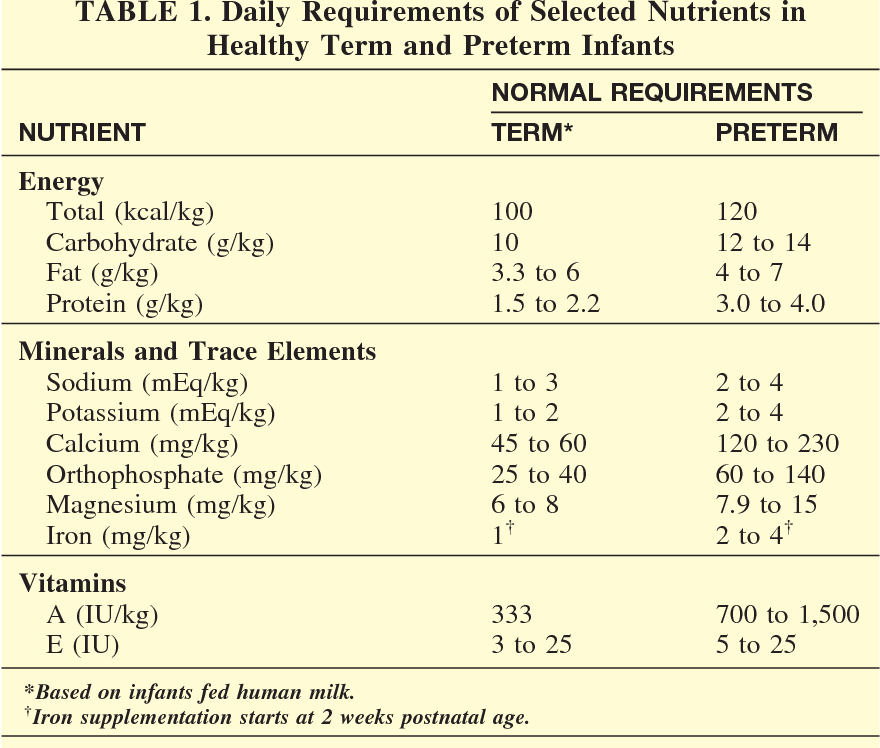
Nutrition is a vital aspect of our health, influencing everything from our energy levels to our susceptibility to disease. Despite the wealth of information available, many misconceptions persist about daily nutritional needs. Understanding these myths is essential for making informed dietary choices and promoting overall well-being.
One common misconception is that all carbohydrates are bad, leading people to avoid them altogether. In reality, carbohydrates are a crucial source of energy, especially for brain function and physical activity. Complex carbohydrates, such as whole grains, fruits, and vegetables, provide essential nutrients and fiber, contributing to a balanced diet. Eliminating these foods can result in energy deficits and nutritional deficiencies.
Another widespread myth is that high-protein diets are the only way to build muscle or lose weight. While protein is indeed important for muscle repair and growth, the body also requires fats and carbohydrates for optimal functioning. Overemphasizing protein can lead to an unbalanced diet, potentially causing kidney strain and nutrient imbalances. Instead, a balanced intake of macronutrients is crucial for effective weight management and muscle development.
Some individuals believe that skipping meals, particularly breakfast, is an effective way to lose weight. However, skipping meals can lead to overeating later in the day, slowing down metabolism and causing fatigue. Regular meals help maintain energy levels and promote better nutrient absorption, making it easier to manage weight in the long run.
Misinformation and poor dietary choices
The influence of misinformation on dietary choices can be profound, often leading individuals to adopt unhealthy habits. For example, the belief that “fat makes you fat” has led many to shun healthy fats found in avocados, nuts, and fish. This can result in a diet lacking in essential fatty acids, impacting heart health and overall nutrient balance.
Another instance is the widespread popularity of detox diets and cleanses, which often promote the idea that the body needs help to eliminate toxins. These diets can be restrictive, lacking essential nutrients and setting individuals up for binge eating once the detox period ends. Such approaches can foster a cycle of unhealthy eating behaviors.
To combat misinformation effectively, individuals must develop strategies for verifying nutritional information. Here are some helpful tips:
- Rely on reputable sources: Consult registered dietitians, reputable health organizations, and peer-reviewed studies for balanced and accurate information on nutrition.
- Check multiple sources: Cross-reference information from different reliable sources to ensure consistency and accuracy.
- Be cautious of trendy diets: A healthy diet should be sustainable, focusing on a variety of whole foods rather than quick fixes or overly restrictive plans.
- Look for scientific evidence: Pay attention to studies supporting nutritional claims, focusing on outcomes from large, well-designed research.
- Stay informed about food labeling: Understanding nutrition labels can help individuals make better choices and identify misleading marketing claims.
“Nutrition is not a one-size-fits-all approach; it’s essential to personalize dietary choices based on individual needs and lifestyles.”
The impact of lifestyle factors on daily nutrition requirements
Understanding the influence of lifestyle factors on daily nutrition is essential for maintaining overall health and well-being. Factors such as stress, sleep, and exercise play significant roles in determining nutritional needs. When these elements of our lifestyle fluctuate, so too do our dietary requirements, necessitating adjustments to ensure optimal health.
Stress is a prevalent factor that significantly affects nutritional requirements. When the body is under stress, it often requires additional nutrients to cope with heightened levels of cortisol, the primary stress hormone. Stress can lead to increased cravings for comfort foods, typically high in sugar and fat, which can disrupt balanced nutrition. Additionally, stressful periods can impair digestion and nutrient absorption, leading to deficiencies. The body may need more vitamin C, magnesium, and B vitamins to counteract stress-related fatigue and anxiety.
Influence of Sleep and Exercise on Nutritional Needs
Sleep and exercise are two lifestyle factors that greatly influence nutritional needs. Quality sleep is crucial for recovery and metabolic regulation. Lack of sleep can lead to hormonal imbalances, affecting hunger hormones like ghrelin and leptin. This imbalance can result in increased appetite and cravings, often for unhealthy foods. Therefore, individuals may require adjustments in carbohydrate and protein intake to maintain energy levels and support muscle recovery.
Exercise also impacts nutritional needs significantly. Active individuals need higher protein intake to support muscle repair and recovery, as well as additional calories to sustain energy levels. The intensity and frequency of workouts will dictate specific nutrient requirements, especially carbohydrates for glycogen replenishment after endurance activities.
To adapt daily nutrition effectively in response to lifestyle changes, consider the following methods:
– Assess Your Activity Level: Monitor your physical activity and adjust caloric intake based on whether you are more or less active.
– Prioritize Whole Foods: Focus on nutrient-dense foods like fruits, vegetables, whole grains, lean proteins, and healthy fats to support overall health, especially during stressful times.
– Stay Hydrated: Increased physical activity and stress can lead to dehydration, which may affect nutrient absorption and energy levels. Aim for adequate water intake throughout the day.
– Mindful Eating Practices: Being aware of your body’s nutritional needs and hunger cues can help mitigate the negative effects of stress and promote healthier food choices.
– Regular Meal Timing: Establishing a consistent eating schedule can help regulate hunger and energy levels, particularly during periods of increased stress or changes in exercise routines.
By understanding and adapting to the various lifestyle factors influencing nutrition, individuals can make informed dietary choices that align with their physical and mental well-being.
Special considerations for daily nutrition in specific populations
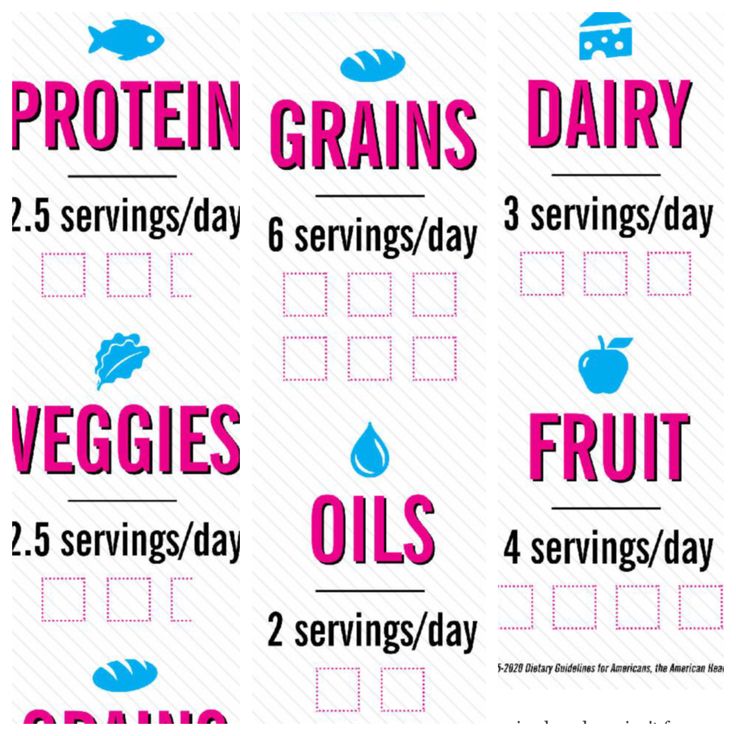
Nutrition is a fundamental aspect of health that varies considerably among different populations. Understanding these unique nutritional needs is essential for promoting optimal health outcomes. Pregnant women, children, the elderly, and athletes each have distinct dietary requirements that differ significantly from those of the general population. Meeting these specific needs can help support growth, development, and overall well-being.
Nutritional needs of specific populations
Each of these groups requires specific nutrients in varying quantities to maintain health and functionality. For instance, pregnant women need increased levels of certain vitamins and minerals to support fetal development. Children require adequate calories and nutrients for growth and cognitive development. The elderly often need fewer calories but more nutrient-dense foods to prevent deficiencies. Athletes require higher energy intake to fuel performance and promote recovery.
The following are tailored nutritional strategies for each specific group, emphasizing the importance of addressing their unique requirements:
Pregnant Women
Pregnant women have heightened nutritional needs, primarily to support the growing fetus. Key nutrients include:
- Folic acid: Essential for fetal neural development; recommended intake is 600 mcg per day.
- Iron: Supports increased blood volume and helps prevent anemia; aim for 27 mg per day.
- Calcium: Important for bone health; recommended intake is 1,000 mg per day.
- Protein: Necessary for tissue growth; increase intake to about 75-100 grams per day.
Children
Children are in a critical period of growth and development, necessitating a balanced diet rich in essential nutrients.
- Caloric intake: Varies by age and activity level, generally between 1,000 to 2,500 calories.
- Vitamins: Ensure adequate intake of vitamins A, C, and D for overall health.
- Healthy fats: Important for brain development; include sources like avocados and fish.
- Iron and fiber: Include iron-rich foods and fiber to promote healthy digestion.
Elderly
Nutritional strategies for the elderly focus on maintaining health and preventing chronic diseases while accommodating reduced caloric needs.
- Nutrient density: Emphasize foods high in nutrients but low in calories.
- Hydration: Ensure adequate fluid intake to prevent dehydration.
- Calcium and vitamin D: Important for bone health; aim for 1,200 mg of calcium and 800 IU of vitamin D.
- Fiber: Increase fiber intake to support digestive health; target is 25 grams per day.
Athletes
Athletes have increased energy and nutrient needs to support their training and competition.
- Carbohydrates: Crucial for energy; aim for 6-10 grams per kilogram of body weight.
- Protein: Essential for muscle repair; recommended intake is 1.2-2.0 grams per kilogram of body weight.
- Hydration: Regularly hydrate to maintain performance; consider electrolyte balance.
- Healthy fats: Support energy needs and overall health; include sources like nuts and seeds.
Final Conclusion
In conclusion, understanding daily nutrition needs is not merely an academic exercise; it is a practical guide to achieving better health. By appreciating the vital roles played by various food groups, implementing balanced meal plans, and staying hydrated, we can make significant strides toward our health goals. Moreover, debunking common nutrition myths and recognizing the influence of lifestyle factors will empower you to make educated choices. Ultimately, embracing a tailored approach to nutrition allows us to thrive, no matter our individual circumstances.
FAQ Section
What are daily nutrition needs?
Daily nutrition needs refer to the specific amounts of nutrients required for maintaining health, which vary based on age, gender, and activity levels.
Why is hydration important for daily nutrition?
Hydration is critical for digestion, nutrient absorption, and overall bodily functions, impacting energy levels and physical performance.
How can I determine my specific nutritional needs?
Consulting a healthcare professional or a registered dietitian can help you assess your individual nutritional requirements based on your lifestyle and health goals.
What is a balanced meal?
A balanced meal includes a variety of food groups in appropriate proportions, ensuring that you receive essential nutrients in each meal.
Are supplements necessary for daily nutrition?
While whole foods are the best source of nutrients, supplements may be beneficial for individuals with specific deficiencies or dietary restrictions.
How can I debunk nutrition myths?
To verify nutritional information, it’s important to consult reputable sources, such as registered dietitians or scientific studies, rather than relying on social media or anecdotal evidence.

Leave a Reply