

Daily Omega 3 is often touted as a powerhouse nutrient essential for maintaining optimal health. These fatty acids play a crucial role in various bodily functions, from supporting brain health to reducing inflammation. In a world where dietary choices can be overwhelming, understanding the significance of Omega 3 in our daily intake can help make informed decisions that positively impact our well-being.
Whether you’re looking to enhance your heart health, boost your mental clarity, or simply embrace a balanced diet, Omega 3 fatty acids should be on your radar. With sources ranging from fatty fish to flaxseeds, incorporating these beneficial fats into your meals can be both delicious and nutritious. Let’s dive into the myriad benefits of Daily Omega 3 and how it can transform your health.
The Importance of Daily Omega 3 in a Balanced Diet
Omega 3 fatty acids are essential nutrients that play a pivotal role in maintaining overall health and wellness. These polyunsaturated fats are not produced by the body, hence they must be obtained through diet or supplementation. Incorporating daily Omega 3 into your meals can significantly enhance your quality of life, supporting critical bodily functions and preventing various health issues.
Omega 3 fatty acids, particularly EPA (eicosapentaenoic acid) and DHA (docosahexaenoic acid), are crucial for brain and heart health. Research has shown that these fatty acids contribute to cognitive function, helping to reduce the risk of neurodegenerative diseases. For instance, DHA is a major structural component of the cerebral cortex, which is involved in memory and cognitive abilities. Studies suggest that individuals with higher Omega 3 intake exhibit better memory retention and improved mood stability, potentially lowering the risk of depression and anxiety.
In terms of heart health, Omega 3 fatty acids have been linked to a reduction in cardiovascular disease risk. They help lower triglyceride levels, reduce blood pressure, and prevent blood clots, making them vital for a healthy circulatory system. The American Heart Association recommends consuming at least two servings of fatty fish per week to gain the benefits of Omega 3s, which can contribute to a lower risk of heart attacks and strokes.
Recommended Daily Intake of Omega 3
Understanding the recommended daily intake of Omega 3 is essential for different age groups to ensure adequate levels for optimal health. Here’s a breakdown of the suggested intake levels:
- Infants (0-12 months): 0.5 grams (500 mg) of ALA (alpha-linolenic acid) per day
- Children (1-3 years): 0.7 grams (700 mg) ALA per day
- Children (4-8 years): 0.9 grams (900 mg) ALA per day
- Adolescents (9-13 years): 1.2 grams (1,200 mg) ALA per day
- Women (14-18 years): 1.1 grams (1,100 mg) ALA per day
- Men (14-18 years): 1.6 grams (1,600 mg) ALA per day
- Adult Women: 1.1 grams (1,100 mg) ALA per day
- Adult Men: 1.6 grams (1,600 mg) ALA per day
- Pregnant Women: 1.4 grams (1,400 mg) ALA per day
- Nursing Women: 1.3 grams (1,300 mg) ALA per day
Regularly meeting these recommendations can help ensure that individuals receive the neuroprotective and cardiovascular benefits associated with Omega 3 fatty acids. Addressing these intake levels is crucial in a balanced diet, particularly as we age and our health needs evolve.
Incorporating Omega 3 fatty acids into your daily routine is a proactive step toward enhancing brain function and promoting heart health.
Sources of Omega 3 and Their Benefits
Omega-3 fatty acids are essential nutrients that play a crucial role in maintaining overall health. They are primarily known for their benefits in heart health, brain function, and reducing inflammation. Obtaining a sufficient amount of omega-3s through diet is vital, as the body cannot produce them on its own. Understanding the various sources of omega-3s and their specific health advantages can guide dietary choices.
Several food sources are rich in omega-3 fatty acids, each offering unique health benefits. The main types of omega-3s found in food are eicosapentaenoic acid (EPA) and docosahexaenoic acid (DHA), which are typically found in animal sources, and alpha-linolenic acid (ALA), predominantly found in plant sources. Below, we explore both plant-based and animal-based sources of omega-3s, along with their nutritional profiles and health benefits.
Animal-Based Sources of Omega 3
Animal-based sources are primarily rich in EPA and DHA, which are known for their potent anti-inflammatory properties and heart health benefits. Incorporating these foods into your diet can significantly enhance omega-3 intake.
- Fatty Fish: Examples include salmon, mackerel, sardines, and herring. These fish are not only delicious but also packed with omega-3s. For instance, a 3-ounce serving of salmon contains approximately 1,500–2,500 mg of combined EPA and DHA. Regular consumption can reduce the risk of heart disease and improve brain health.
- Fish Oil Supplements: These supplements are concentrated sources of EPA and DHA, often recommended for those who do not consume enough fish. A typical fish oil capsule may provide around 1,000 mg of omega-3s, contributing to better cardiovascular health and cognitive function.
- Krill Oil: Sourced from tiny crustaceans, krill oil also contains EPA and DHA, along with antioxidants like astaxanthin. A 300 mg serving can provide about 150 mg of omega-3s, supporting heart health and reducing inflammation.
Plant-Based Sources of Omega 3
Plant-based sources of omega-3 primarily contain ALA, which the body can convert to EPA and DHA, albeit at a low efficiency. These sources are essential for those following vegetarian or vegan diets.
- Flaxseeds: Flaxseeds are one of the richest plant sources of ALA, with about 2,350 mg of omega-3s in one tablespoon of ground seeds. They are also a great source of fiber and can help reduce cholesterol levels.
- Chia Seeds: These tiny seeds pack about 5,060 mg of ALA per ounce. Rich in fiber and protein, chia seeds can help promote heart health and regulate blood sugar levels.
- Walnuts: A handful of walnuts (about 1 ounce) contains approximately 2,570 mg of ALA. They are also rich in antioxidants and have been linked to improved brain health.
- Hemp Seeds: With about 6,000 mg of ALA in three tablespoons, hemp seeds are also a complete protein source, providing all essential amino acids. They support cardiovascular health and skin health.
Understanding EPA and DHA
EPA and DHA are often found together in marine sources, contributing to various health benefits. While both are essential, they serve different functions in the body.
“EPA is primarily known for its anti-inflammatory effects, helping to reduce symptoms of arthritis and improve cardiovascular health. DHA plays a critical role in brain health, supporting cognitive function and potentially lowering the risk of dementia.”
In summary, including a diverse range of omega-3-rich foods in your diet can provide numerous health benefits, from reducing inflammation to supporting heart and brain health. Whether from marine or plant sources, omega-3 fatty acids are vital for overall wellness.
Daily Omega 3 Supplementation
Omega-3 fatty acids are essential nutrients that play a significant role in maintaining optimal health. While they can be obtained from various foods, many individuals opt for omega-3 supplementation for convenience and potential health benefits. However, understanding the pros and cons of daily omega-3 supplementation is crucial to making informed choices for your health.
Advantages of Supplementing with Omega 3 Oils
Supplementing with omega-3 oils offers several advantages compared to obtaining them solely from food sources. First, supplementation can help individuals who may not consume enough omega-3-rich foods, such as fatty fish, walnuts, and flaxseeds. Additionally, fish oil supplements provide a concentrated dose of omega-3 fatty acids, which can be beneficial for specific health conditions, such as heart disease, inflammatory disorders, and cognitive decline.
The following are key benefits of omega-3 supplementation:
- Convenience: Omega-3 supplements are easy to take and can provide a consistent dose without the need for meal planning.
- Higher Dosage: Supplements can deliver higher levels of EPA and DHA, the most beneficial forms of omega-3, compared to typical dietary sources.
- Purity and Safety: Reputable brands often test their products for contaminants like heavy metals and PCBs, ensuring a safer option than some fish sources.
- Targeted Health Benefits: Omega-3 supplements can be particularly effective for individuals with specific health concerns, offering tailored support.
Types of Omega 3 Supplements Available
The market offers a variety of omega-3 supplements, primarily in the form of fish oil, krill oil, and algal oil. Each type has its unique attributes regarding purity and effectiveness.
Fish oil is the most commonly used supplement and is derived from oily fish like mackerel, salmon, and sardines. It is typically high in EPA and DHA; however, the quality can vary significantly between brands. Consumers should look for products labeled as “molecularly distilled” to ensure high purity and lower levels of contaminants.
Krill oil, sourced from tiny crustaceans, is another option that is gaining popularity. It contains antioxidants like astaxanthin, which may enhance stability and absorption, making it potentially more effective than regular fish oil.
Algal oil is derived from algae, making it the preferred choice for vegetarians and vegans. It provides a direct source of DHA and is considered highly sustainable, but often at a higher price point.
When comparing these types, it’s essential to consider their bioavailability, the presence of contaminants, and individual health needs.
Potential Side Effects of Omega 3 Supplementation
While omega-3 supplements are generally safe for most people, they can cause side effects in some cases. Understanding these potential side effects is essential for those considering supplementation.
Common side effects include:
- Gastrointestinal Issues: Some individuals may experience nausea, diarrhea, or bloating when taking omega-3 supplements, especially in high doses.
- Fishy Aftertaste: Fish oil supplements may lead to a fishy aftertaste or burps, which can be unpleasant.
- Increased Bleeding Risk: High doses can thin the blood, increasing bleeding risk. Individuals on blood-thinning medications should consult a healthcare professional before starting supplementation.
- Allergic Reactions: Those allergic to fish or shellfish should exercise caution and consider alternative sources like algal oil.
People with certain health conditions, pregnant or breastfeeding women, and those taking medications should be particularly cautious about omega-3 supplementation. Consulting with a healthcare provider can help determine the right approach, considering individual health needs and potential interactions.
Omega 3 and Its Role in Mental Health
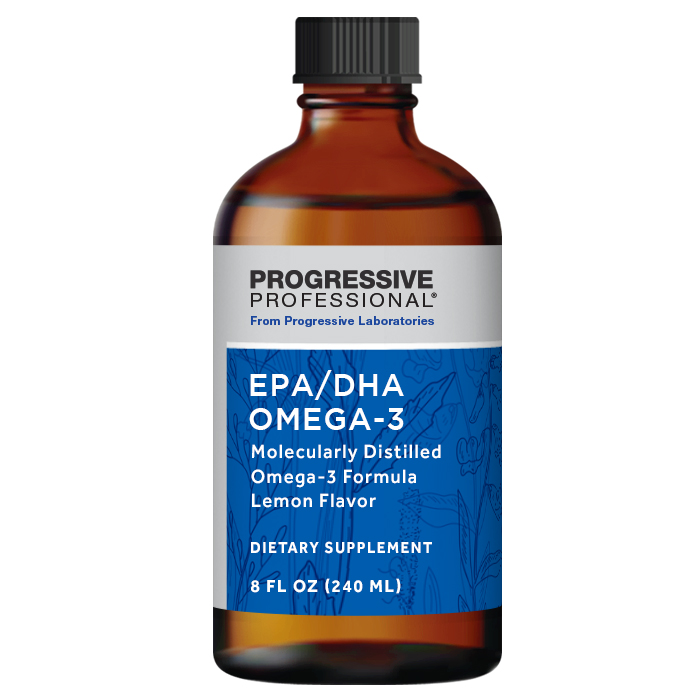
Omega-3 fatty acids are not just essential for physical health; they play a significant role in mental wellness as well. The growing body of research suggests that these nutrients can influence mood disorders such as depression and anxiety, highlighting the importance of incorporating omega-3s into our diets for improved mental health.
Studies have shown that omega-3 fatty acids, particularly EPA (eicosapentaenoic acid) and DHA (docosahexaenoic acid), can have a positive impact on mood regulation. Research indicates that individuals with lower levels of omega-3s in their diet are more prone to experiencing symptoms of depression and anxiety. A notable study published in the journal “JAMA Network Open” found that increased omega-3 intake was associated with a significant reduction in depressive symptoms, suggesting that these fatty acids may serve as a natural adjunct treatment for mood disorders.
Research Findings Supporting Omega 3 and Mental Health
Numerous studies have explored the correlation between omega-3 intake and mental health improvements. The following findings underscore this relationship:
- A meta-analysis of 26 clinical trials involving over 1,600 participants indicated that omega-3 supplementation reduced depressive symptoms, particularly in those diagnosed with major depressive disorder.
- Research in the American Journal of Psychiatry revealed that higher levels of omega-3s were linked to a lower risk of developing depression in adults.
- A study published in the journal “Psychological Medicine” found that individuals with bipolar disorder showed significant improvement in mood stability when supplemented with omega-3 fatty acids.
The strength of these findings emphasizes the potential role of omega-3 fatty acids as a preventive and therapeutic measure for individuals struggling with mood disorders.
Incorporating Omega 3 into Your Diet
To enhance mental wellness through omega-3s, it’s crucial to integrate them into daily dietary habits. Here are practical tips to do so:
- Consume fatty fish such as salmon, mackerel, and sardines at least twice a week, as they are rich sources of EPA and DHA.
- Add flaxseeds, chia seeds, or walnuts to smoothies, salads, or yogurts to increase ALA (alpha-linolenic acid) intake, which the body can convert to omega-3s.
- Incorporate omega-3 fortified foods, such as eggs or yogurt, into your meals for additional nutrients without changing your diet drastically.
- Consider an omega-3 supplement if dietary sources are insufficient, but consult with a healthcare provider for proper dosage tailored to your needs.
Embracing these dietary changes can lead to improved mood and overall mental health. By making conscious choices to include omega-3 fatty acids, individuals can harness their potential benefits for better emotional well-being.
The Relationship Between Omega 3 and Inflammation
Omega-3 fatty acids are well-regarded for their numerous health benefits, particularly their anti-inflammatory properties. Chronic inflammation is linked to various diseases, including heart disease, diabetes, and autoimmune disorders. Understanding how omega-3 fatty acids can alleviate inflammation offers insight into their potential role in preventing and managing these conditions.
Research has shown that omega-3 fatty acids, primarily found in fish oil and flaxseeds, can significantly reduce inflammation in the body. They work by altering the production of inflammatory chemicals called eicosanoids, leading to a decrease in inflammatory responses. For instance, omega-3s compete with omega-6 fatty acids for the same metabolic enzymes, which can result in a more favorable balance that promotes anti-inflammatory effects.
Evidence of Omega 3’s Impact on Inflammatory Conditions
Numerous studies have illustrated the positive effects of omega-3 fatty acids on conditions characterized by inflammation. For example, a study published in the “Journal of the American College of Cardiology” found that individuals who consumed higher amounts of omega-3s had a reduced risk of heart disease, attributed largely to their anti-inflammatory properties. Another notable case was the examination of rheumatoid arthritis patients, where supplementation with omega-3s led to a marked decrease in joint pain and stiffness.
The following case studies highlight specific instances where omega-3 supplementation demonstrated substantial anti-inflammatory effects:
1. Rheumatoid Arthritis: A clinical trial involving patients with rheumatoid arthritis displayed significant reductions in disease activity scores and morning stiffness after eight weeks of omega-3 supplementation.
2. Asthma: A systematic review indicated that omega-3 supplementation improved lung function and reduced the requirement for medication in asthmatic patients, showcasing its role in managing respiratory inflammation.
3. Inflammatory Bowel Disease: Patients with inflammatory bowel disease (IBD) reported fewer flare-ups and improved overall gut health with consistent omega-3 intake, particularly from fish oil.
Incorporating omega-3s into daily nutrition can be enhanced through various lifestyle changes. The following strategies can optimize the anti-inflammatory benefits of omega-3 fatty acids:
To achieve the best results in managing inflammation, consider the following recommendations:
- Increase consumption of fatty fish such as salmon, mackerel, and sardines, which are rich in omega-3s.
- Incorporate plant-based sources of omega-3, like flaxseeds, chia seeds, and walnuts, into your diet.
- Limit intake of omega-6 fatty acids found in processed foods, which can promote inflammation.
- Engage in regular physical activity, as exercise can help reduce overall inflammation in the body.
- Adopt a balanced diet rich in antioxidants from fruits and vegetables, which can complement the anti-inflammatory effects of omega-3.
These lifestyle modifications not only enhance the benefits of omega-3 fatty acids but also contribute to overall health and well-being by mitigating chronic inflammation and its associated risks.
Recommendations for Choosing the Right Omega 3 Supplements
Selecting the right omega 3 supplement can be a daunting task, given the vast array of options available. Understanding the factors that contribute to the quality and effectiveness of these supplements is essential for making an informed choice.
Purity and concentration are two critical aspects to consider when evaluating omega 3 supplements. High-quality products should be free from harmful contaminants such as heavy metals, PCBs, and other toxins. Additionally, the concentration of omega 3 fatty acids, particularly EPA and DHA, should be clearly listed, as this indicates the potency of the supplement.
Factors to Consider When Choosing Omega 3 Supplements
When selecting omega 3 supplements, it’s important to evaluate several key factors that contribute to their quality and effectiveness. Below are some aspects to consider:
- Source of Omega 3: Look for supplements derived from reputable sources such as wild-caught fish, krill, or algae. Algal oil is a great vegetarian alternative.
- Purity Testing: Choose products that have undergone third-party testing for purity and potency. This ensures they are free from harmful substances.
- Concentration of EPA and DHA: Check the label for the amounts of EPA and DHA per serving. Higher concentrations are often more effective.
- Form of Omega 3: Omega 3 supplements come in various forms such as triglycerides, ethyl esters, and phospholipids. Triglyceride forms are generally better absorbed.
- Freshness: Omega 3 oils can oxidize quickly, leading to rancidity. Look for products with antioxidant ingredients like vitamin E that promote freshness.
Comparison Table of Popular Omega 3 Supplements
To facilitate the selection process, the following table compares the attributes of some well-known omega 3 supplements:
| Brand | Source | EPA/DHA Concentration (mg per serving) | Purity Testing | Form |
|---|---|---|---|---|
| OmegaVia | Fish Oil | 650/450 | Third-party tested | Triglyceride |
| Nordic Naturals | Fish Oil | 540/360 | Third-party tested | Triglyceride |
| Garden of Life | Algal Oil | 400/200 | Third-party tested | Triglyceride |
| Kirkland Signature | Fish Oil | 540/360 | Third-party tested | Ethyl Ester |
| Vitafusion | Fish Oil | 300/200 | No testing information | Gummy |
Tips for Reading Labels and Identifying High-Quality Omega 3 Products
Understanding how to read supplement labels is crucial for ensuring you select a high-quality omega 3 product. Here are some tips to guide you:
First, always look for the total amount of EPA and DHA combined, as this will give you a clear idea of the supplement’s effectiveness.
High-quality omega 3 supplements typically contain a minimum of 500 mg of combined EPA and DHA per serving.
Next, check for certification from independent organizations which can validate the quality and purity, such as the International Fish Oil Standards (IFOS) or the United States Pharmacopeia (USP).
Also, examine the ingredient list for any unnecessary fillers, artificial colors, or flavors. A cleaner label with fewer ingredients often indicates a higher-quality product.
Lastly, pay attention to the expiration date. Freshness is key to getting the most benefit from your omega 3 supplement, so opt for products with a longer shelf life.
Daily Omega 3 Consumption in Different Demographics
Omega-3 fatty acids are essential nutrients that play a crucial role in maintaining health across various life stages. Different demographics, including children, pregnant women, and the elderly, have unique requirements for omega-3s due to their physiological needs. Understanding these variations is vital for ensuring adequate intake and optimizing health outcomes within these populations.
Various lifestyle and dietary preferences greatly influence omega-3 consumption patterns. For instance, individuals with a predominantly plant-based diet might rely on flaxseeds and walnuts as their primary sources of omega-3s, whereas those consuming a traditional diet may include fatty fish such as salmon and mackerel. The presence of omega-3s in diets can be affected by factors like geographic location, local food availability, cultural attitudes towards certain foods, and socioeconomic status. In urban areas, there may be a higher prevalence of omega-3 supplements, driven by health trends and awareness; conversely, rural populations might have a diet rich in omega-3 from locally sourced fish.
Omega 3 Needs by Demographic Groups
Understanding the specific omega-3 requirements for different demographic groups is essential for public health initiatives.
- Children: Omega-3s are vital for brain development and function in infants and young children. The recommended intake is approximately 0.5 grams per day, with sources like fish and fortified foods being key.
- Pregnant Women: Expecting mothers require higher omega-3 intake (around 1.4 grams per day) to support fetal brain and eye development. This can be achieved through diets rich in fish or supplements as advised by healthcare providers.
- The Elderly: Omega-3s can play a role in reducing the risk of age-related diseases. Older adults should aim for about 1.1 grams per day, focusing on oily fish and possibly algae-based supplements if dietary intake is insufficient.
Cultural dietary practices significantly shape omega-3 intake. In Nordic cultures, for example, fish consumption is deeply embedded in culinary traditions, with dishes featuring herring and salmon being common, reflecting a historical reliance on marine resources. Similarly, Mediterranean diets, rich in omega-3 from olive oil, fatty fish, and nuts, are celebrated not just for taste but for their health benefits, contributing to lower rates of heart disease. These cultural practices demonstrate the historical significance of omega-3-rich foods, highlighting their role in shaping dietary habits and nutritional health across generations.
Innovative Ways to Incorporate Omega 3 into Daily Meals

Incorporating Omega 3 fatty acids into your daily meals can be both enjoyable and beneficial for your health. These essential fats are known for their heart health benefits, brain function support, and anti-inflammatory properties. Finding creative ways to include them in your meals can enhance your diet significantly.
Meal prep and planning are vital components in ensuring a consistent intake of Omega 3 throughout the week. By being strategic about your cooking and ingredient choices, you can make sure you’re not just getting your Omega 3s but also enjoying delicious meals in the process.
Creative Recipes for Omega 3-Rich Meals
Incorporating Omega 3-rich foods into your meals can be done deliciously with a few innovative recipes. Here are some ideas that can easily fit into your daily routine:
- Chia Seed Pudding: Combine 3 tablespoons of chia seeds with 1 cup of almond milk and a dash of vanilla extract. Let it sit overnight in the fridge. In the morning, top it with fresh fruits and nuts for a nutrient-packed breakfast.
- Walnut and Spinach Pesto: Blend 1 cup of spinach, ½ cup of walnuts, garlic, and olive oil until smooth. Toss with whole-grain pasta or use as a spread on sandwiches to enjoy the nutty flavor of walnuts rich in Omega 3.
- Lemon-Dill Salmon: Marinate salmon fillets in olive oil, lemon juice, and fresh dill. Bake at 350°F (175°C) for 15-20 minutes. Serve with a side of roasted vegetables for a wholesome dinner.
- Flaxseed Smoothie: Blend 1 banana, 1 tablespoon of flaxseeds, a handful of spinach, and 1 cup of yogurt. This smoothie is a delicious way to start your day with a boost of Omega 3s.
Meal Prep Strategies for Omega 3 Intake
To maximize your Omega 3 intake throughout the week, consider developing meal prep routines that include these nutrient-dense foods. Below are some effective strategies:
- Batch Cooking: Prepare large quantities of Omega 3-friendly foods like salmon or quinoa and store them in portioned containers for easy access during the week.
- Snack Packs: Create snack packs with mixed nuts that include walnuts and flaxseeds, making it easy to grab a healthy snack on the go.
- Freezing Smoothies: Pre-pack smoothie ingredients in freezer bags, including spinach and flaxseeds, so you can blend a nutritious drink quickly each morning.
- Incorporating Supplements: If consistency is a challenge, consider Omega 3 supplements that can complement your meals and ensure you’re meeting your daily needs.
Enhancing Palatability of Omega 3 Foods
Making Omega 3-rich foods appealing is essential for regular consumption. Here are effective tips to enhance their flavor and texture:
- Flavor Pairing: Use herbs and spices creatively. For instance, pairing salmon with a spicy mango salsa can elevate its taste and make it more enjoyable.
- Texture Variations: Incorporate crunchy elements like toasted nuts or seeds in salads or yogurt to provide a satisfying contrast to creamy or soft foods.
- Use of Dressings: Create dressings with olive oil and vinegar for salads, adding a rich taste while including Omega 3 from olive oil.
- Fun Presentations: Serve dishes in a visually appealing way; for example, create colorful bowls with layers of grains, vegetables, and Omega 3 sources, inviting more consumption.
Incorporating Omega 3 into your daily meals doesn’t have to be bland or boring. With these innovative recipes, meal prep strategies, and tips for enhancing flavor, you can easily enjoy the health benefits of these essential fats.
Closure
In closing, Daily Omega 3 stands out as a vital component of a healthy lifestyle, influencing everything from mood to inflammation. By understanding its benefits and finding ways to incorporate it into your daily routine, you can take significant strides toward improved health. Remember, whether through food sources or supplementation, making Omega 3 a staple in your diet can pave the way for a healthier future.
Questions and Answers
What are the symptoms of Omega 3 deficiency?
Symptoms may include fatigue, dry skin, mood swings, and joint pain.
Can I get enough Omega 3 from a vegetarian diet?
Yes, plant-based sources like flaxseeds, chia seeds, and walnuts provide ALA, a type of Omega 3.
How long does it take to see benefits from Omega 3 supplements?
Some benefits, like improved mood, can be noticed within a few weeks, while others may take longer.
Is there a difference between Omega 3 from fish oil and plant sources?
Yes, fish oil contains EPA and DHA, which are more readily used by the body, while plant sources provide ALA.
Can I take Omega 3 supplements if I’m on blood thinners?
Consult your doctor, as Omega 3 can have a blood-thinning effect, which may interact with medications.
What is the best time to take Omega 3 supplements?
Taking them with meals can enhance absorption and reduce potential digestive issues.

Leave a Reply