

Daily postnatal vitamin serves as a critical lifeline for new mothers, ensuring they receive the essential nutrients needed during the pivotal postpartum period. As their bodies undergo significant physiological changes, these vitamins play a vital role in aiding recovery, supporting mental health, and boosting lactation. Understanding the importance of these nutrients can make a significant difference in a mother’s journey.
From combating fatigue to enhancing mood stability, daily postnatal vitamins are not just a supplement; they are a necessity for many women in their recovery journey. With the right information on sources, dosages, and dietary considerations, new mothers can navigate their postnatal nutrition confidently and effectively.
Understanding the Importance of Daily Postnatal Vitamins for New Mothers
After giving birth, new mothers undergo a myriad of changes that can impact their health and well-being. Daily postnatal vitamins play a crucial role in providing the necessary nutrients that support recovery and promote overall wellness during this transformative period. This guide dives into the essential nutrients found in postnatal vitamins, the physiological changes that occur after childbirth, and the potential ramifications of neglecting these vital supplements.
Essential Nutrients in Daily Postnatal Vitamins
Daily postnatal vitamins are formulated to meet the unique nutritional needs of new mothers. These vitamins typically include key nutrients such as:
- Folic Acid: Important for DNA synthesis and cellular division, folic acid supports the health of both mother and baby, aiding in tissue growth and repair.
- Iron: Essential for replenishing iron stores depleted during pregnancy and childbirth, iron helps in maintaining energy levels and preventing anemia.
- Calcium: Vital for bone health, calcium supports the mother’s skeletal system while also providing necessary nutrients for breastfeeding and the baby’s development.
- Vitamin D: Enhances calcium absorption, vitamin D is crucial for bone health and immune function, particularly during the postpartum period.
- Omega-3 Fatty Acids: Support brain health and are linked to better mood regulation, which can be particularly beneficial for new mothers experiencing postpartum changes.
These nutrients not only help in replenishing the body but also support the mother’s overall health as she adapts to new challenges.
Physiological Changes in New Mothers and the Role of Vitamins
Following childbirth, women experience significant physiological changes that can strain their bodies. The hormonal fluctuations, physical fatigue, and potential stress of caring for a newborn place new mothers in a vulnerable state. Postnatal vitamins help mitigate these effects by providing essential nutrients necessary for recovery.
For instance, the body’s demand for nutrients increases post-delivery. Vitamins such as B12 and other B vitamins are crucial for energy production, helping combat fatigue that many new mothers face. Additionally, antioxidants found in postnatal vitamins support the immune system, which might be weakened during this period due to physical stress and sleep deprivation.
Consequences of Not Taking Postnatal Vitamins
Neglecting to take postnatal vitamins can lead to several health issues for new mothers. These consequences can range from mild to severe, impacting both physical and mental health.
Without proper supplementation:
- Increased Fatigue: Insufficient iron and B vitamins can lead to anemia, causing increased tiredness and reduced energy levels.
- Weakened Immune System: Lack of key nutrients may impair immune function, making mothers more susceptible to infections.
- Bone Health Issues: Insufficient calcium and vitamin D can lead to bone density loss, increasing the risk of fractures.
- Postpartum Depression: A deficiency in omega-3 fatty acids and other nutrients has been linked to an increased risk of mood disorders, including postpartum depression.
By prioritizing daily postnatal vitamins, new mothers can better support their bodies and ensure a smoother recovery during the postpartum phase.
Identifying the Best Sources for Daily Postnatal Vitamins
When it comes to postnatal health, ensuring adequate vitamin intake is essential for both recovery and nourishment. New mothers need to focus on sources that provide the necessary vitamins and minerals to support their body during this crucial time. This segment will explore the best sources for daily postnatal vitamins, comparing natural food sources with supplements, while also offering recommendations and guidelines for label reading.
Comparison of Natural Food Sources and Supplements for Postnatal Vitamins
Natural food sources are often the best way to obtain essential nutrients, as they provide a complex range of vitamins, minerals, and antioxidants that work synergistically in the body. Foods rich in postnatal vitamins include leafy greens, nuts, seeds, dairy products, and whole grains. For example, spinach and kale are excellent sources of Vitamin K and folate, while almonds provide Vitamin E and healthy fats.
However, many women find it challenging to meet their nutritional needs solely through diet, especially when adjusting to the demands of a newborn. In such cases, postnatal vitamin supplements can serve as an effective alternative. Supplements are designed to fill the gaps and ensure adequate intake of vital nutrients. They often contain higher concentrations of specific vitamins such as Iron, Omega-3 Fatty Acids, and Calcium, which can be harder to obtain from food alone.
While both food sources and supplements have their benefits, a balanced approach that combines both can be most effective in supporting postnatal health.
Recommendations for Reputable Brands and Products
Choosing high-quality postnatal vitamins can significantly impact your health and wellness journey. Here are a few reputable brands and products celebrated for their quality and efficacy:
- Garden of Life Organic Prenatal Vitamins: Made from whole foods, these vitamins provide essential nutrients from natural sources.
- New Chapter Perfect Postnatal Vitamins: Known for their fermented nutrients, these are gentle on the stomach and enhance absorption.
- Nature Made Postnatal Multivitamin: A well-rounded option that includes DHA for brain development.
When selecting a product, it’s crucial to consider factors such as ingredient sourcing, presence of allergens, and customer reviews to ensure you’re making a sound choice.
Reading Labels to Ensure Quality of Postnatal Vitamins
Understanding how to read vitamin labels can be a game-changer in selecting the right postnatal vitamins. Here are key points to consider:
Always look for third-party testing certifications, which ensure the product meets specific quality standards.
- Ingredient List: Ensure that the vitamins contain forms of nutrients that are bioavailable, such as methylated folate instead of folic acid.
- Dosage: Check that the dosages align with recommended daily values without exceeding safe limits.
- Additives: Be cautious of fillers and artificial additives that can detract from the overall quality of the supplement.
In summary, a well-informed approach to selecting postnatal vitamins involves a blend of natural foods and high-quality supplements while understanding product labels for optimal benefits. This knowledge allows new mothers to make choices that support both their health and that of their growing baby.
Exploring the Recommended Dosages for Daily Postnatal Vitamins
Postnatal vitamins are crucial for new mothers, playing a significant role in recovery and nourishment during the postpartum phase. Understanding the recommended dosages can help ensure that mothers receive the essential nutrients needed for both themselves and their babies. This segment will delve into standard dosage recommendations and the factors that may influence these dosages, as well as possible signs of overdose or deficiency.
Standard Dosage Recommendations
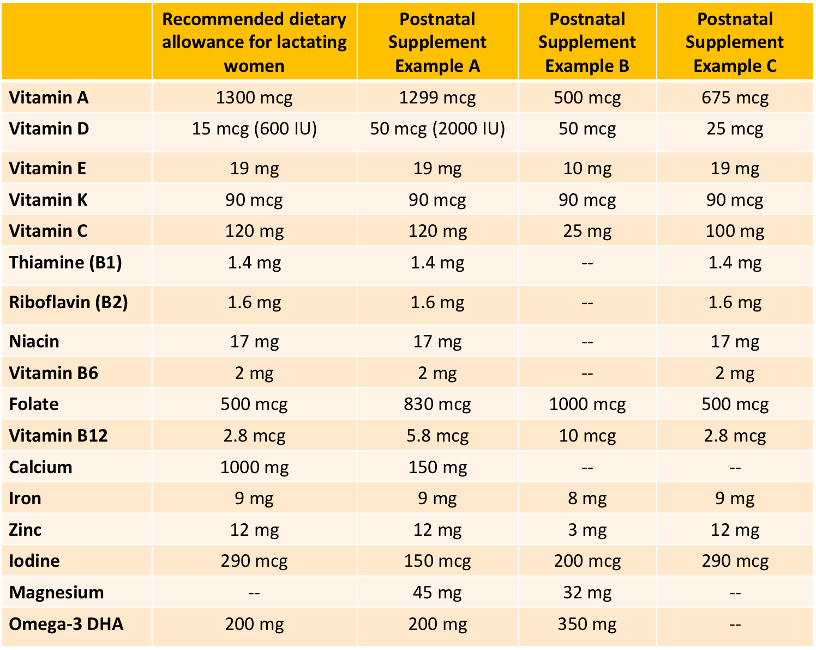
Postnatal vitamins typically include a variety of essential nutrients that support both maternal health and breastfeeding. The standard recommended dosages for some key vitamins and minerals include:
- Folic Acid: A daily intake of 400 to 600 micrograms (mcg) is suggested to help prevent neural tube defects in the baby.
- Vitamin D: The recommended dosage is around 600 International Units (IU) daily to support bone health and immune function.
- Iron: A daily dosage of 27 milligrams (mg) is recommended to replenish iron stores lost during childbirth and to support increased blood volume.
- Calcium: Mothers should aim for about 1,000 mg daily to ensure adequate bone health for both mother and child.
Factors Influencing Dosage
Several factors may influence the appropriate dosage of postnatal vitamins for mothers. These factors include:
- Breastfeeding Status: Breastfeeding mothers often require higher levels of certain nutrients. For example, they may need an increased intake of calcium and vitamin D to support their baby’s growth.
- Dietary Restrictions: Mothers following vegetarian or vegan diets may need higher doses of B12 or iron, as these nutrients are often less abundant in plant-based foods.
- Individual Health Conditions: Conditions such as anemia or thyroid issues may necessitate tailored dosages, and consulting a healthcare professional is crucial in such cases.
Signs of Overdose and Deficiency
Being aware of the symptoms of overdose and deficiency is vital for maintaining optimal health while taking postnatal vitamins.
- Signs of Overdose: Excessive intake of vitamins can lead to toxicity. For instance, too much iron can result in gastrointestinal issues, while high doses of vitamin A may lead to headaches or dizziness.
- Signs of Deficiency: Deficiency symptoms can vary by nutrient. For example, a lack of iron may cause fatigue and weakness, while insufficient vitamin D could lead to bone pain and muscle weakness.
Regular monitoring and adjustments in vitamin intake can play a pivotal role in ensuring the health of both mother and child during the postnatal period.
Addressing Common Misconceptions About Postnatal Vitamins
Postnatal vitamins play a vital role in supporting new mothers as they recover from childbirth and adapt to the challenges of motherhood. However, there are many misconceptions surrounding these essential supplements. Understanding the truth about postnatal vitamins can help new mothers make informed decisions about their health and nutrition during this critical time.
A prevalent myth is that postnatal vitamins are unnecessary if a mother feels healthy and maintains a balanced diet. While it’s true that a well-rounded diet is crucial, many women still find it challenging to meet their nutritional needs through food alone after giving birth. Factors such as breastfeeding, changes in metabolism, and physical recovery can increase the demand for certain nutrients. This is where postnatal vitamins come in, bridging the gap and ensuring that mothers receive the essential vitamins and minerals needed for their well-being.
Differences Between Prenatal and Postnatal Vitamin Needs
The nutritional needs of a woman change significantly after childbirth compared to during pregnancy. While both prenatal and postnatal vitamins contain essential nutrients, there are key differences in their formulations.
Postnatal vitamins typically have higher levels of certain nutrients that are particularly beneficial during the recovery phase, including:
- Iron: Postpartum recovery often demands higher iron levels, especially if there was significant blood loss during delivery.
- Calcium: Essential for supporting bone health, calcium becomes particularly important if a mother is breastfeeding, as breast milk draws on her calcium reserves.
- Vitamin D: Supports calcium absorption and immune function, making it vital for postpartum health.
- B Vitamins: Important for energy metabolism and overall energy levels, helping mothers cope with fatigue.
While prenatal vitamins focus on supporting fetal development, postnatal vitamins are tailored to support maternal health and recovery.
Lifestyle Factors and Personal Health Impacting Vitamin Needs Postpartum
Postpartum vitamin needs can be influenced by various lifestyle factors and individual health conditions. It’s crucial for new mothers to consider their unique situations when assessing their vitamin needs.
Women who are breastfeeding require additional nutrients to support both their health and their baby’s development. This can lead to higher requirements for certain vitamins, particularly:
- Hydration: Adequate fluid intake is essential for milk production and overall recovery.
- Diet Quality: Women with limited access to a variety of foods may struggle to meet their nutritional needs, making supplements more necessary.
- Physical Activity: Increased physical activity can elevate nutrient needs in new mothers, especially those looking to regain pre-pregnancy fitness levels.
- Pre-existing Conditions: Conditions such as anemia or thyroid disorders may require specific vitamins or minerals that should be monitored by healthcare professionals.
Recognizing these factors can help mothers make better choices regarding their postnatal vitamins and overall health management during the postpartum period.
“Postnatal vitamins are not just a supplement; they are a crucial part of a new mother’s recovery and well-being.”
Analyzing the Role of Daily Postnatal Vitamins in Mental Health
The journey of motherhood is both beautiful and challenging, and the significance of mental health during this period cannot be overstated. Daily postnatal vitamins play a crucial role in ensuring that new mothers not only recover physically but also maintain their emotional well-being. These vitamins can be a vital part of a holistic approach to supporting mental health, particularly in the postpartum phase.
Certain vitamins and minerals have been linked to mood stabilization and mental health support for new mothers. For instance, B vitamins, especially B12 and folate, are essential for the production of neurotransmitters that regulate mood. Deficiencies in these nutrients can lead to feelings of fatigue, irritability, and even depression. Omega-3 fatty acids, commonly found in fish oil supplements, are also known to contribute to mental health by promoting cognitive function and emotional stability.
Impact of Nutrient Deficiencies on Postpartum Depression
Research has shown a concerning relationship between nutrient deficiencies and postpartum depression (PPD). New mothers often experience a depletion of essential nutrients during pregnancy and breastfeeding, which can exacerbate feelings of anxiety and sadness. Addressing these deficiencies through appropriate supplementation can significantly alleviate some symptoms associated with PPD.
Key nutrients that play a critical role in mental health include:
- Vitamin D: Often referred to as the “sunshine vitamin,” low levels of vitamin D have been associated with an increased risk of PPD. Incorporating vitamin D-rich foods like fatty fish, egg yolks, and fortified dairy products can help boost levels.
- Iron: Iron deficiency can lead to fatigue and mood changes. Including iron-rich foods such as lean meats, beans, and spinach, along with a postnatal iron supplement, can support mental wellness.
- Magnesium: This mineral is important for regulating mood and easing anxiety. Nuts, seeds, and whole grains are excellent sources of magnesium and can be included in a daily diet.
- Omega-3 Fatty Acids: These healthy fats are critical for brain health. They can be found in fish like salmon, walnuts, and flaxseeds, or taken as supplements to support mood stability.
To effectively incorporate vitamins into a daily routine, new mothers can follow a few simple strategies. Establishing a consistent schedule for taking vitamins, perhaps alongside meals, can create a routine that’s easy to remember. Additionally, combining these vitamins with a balanced diet rich in whole foods will enhance their effectiveness.
Including nutrient-dense snacks throughout the day can also provide a steady supply of essential vitamins and minerals. For instance, a handful of nuts or a piece of fruit can serve as a quick and beneficial addition to a busy day. Furthermore, being mindful of hydration plays a critical role in overall well-being, so drinking plenty of water can also support mental health during this postpartum phase.
Postnatal vitamins can serve as an essential tool for new mothers to manage mental health effectively, helping to ensure both physical and emotional recovery during this transformative time.
Designing a Balanced Diet to Complement Daily Postnatal Vitamins

Creating a balanced diet post-pregnancy is vital for new mothers to support their health and recovery. A well-structured meal plan that includes a variety of nutrient-dense foods enhances the benefits of postnatal vitamins, helping to replenish essential nutrients that may have been depleted during pregnancy and childbirth. This guide Artikels a practical approach to meal planning while emphasizing the importance of hydration and easy-to-prepare recipes that cater to the busy lifestyle of new mothers.
Meal Plan Guide for Essential Nutrients
Incorporating a diverse range of foods into daily meals ensures that new mothers receive adequate nutrition to support their health and energy levels. Here’s a sample meal plan that focuses on foods rich in essential postnatal nutrients.
Breakfast: Start the day with a mix of protein, healthy fats, and fiber.
– Greek yogurt topped with fresh berries and a sprinkle of granola.
– Whole grain toast with avocado and a poached egg.
Snack: Choose snacks that are nutrient-dense and easy to grab.
– A handful of mixed nuts or a protein bar.
– Sliced apple with almond butter.
Lunch: A balanced lunch can keep energy levels stable throughout the day.
– Quinoa salad with mixed greens, cherry tomatoes, chickpeas, and feta cheese drizzled with olive oil.
– Whole grain wrap with turkey, spinach, and hummus.
Snack: Hydration and a light nutritional boost are essential.
– A smoothie made with spinach, banana, and almond milk.
– Carrot sticks with tzatziki sauce.
Dinner: A wholesome dinner helps restore energy and nutrients.
– Baked salmon with steamed broccoli and brown rice.
– Stir-fried tofu with bell peppers, carrots, and quinoa.
Hydration and Vitamin Absorption:
Maintaining proper hydration is crucial for overall health and plays a significant role in the absorption of vitamins. Water aids in the digestion of food, which is necessary for nutrient uptake, and helps to transport these nutrients throughout the body. Inadequate hydration can lead to decreased energy levels and impaired recovery.
Hydration Tips:
– Aim for at least 8-10 cups of water daily, increasing this amount if breastfeeding.
– Include hydrating foods such as cucumbers, watermelon, and oranges in your diet.
– Drink herbal teas or infused water for variety and added nutrients.
Easy-to-Prepare Recipes for Busy New Mothers
Busy lifestyles can make it challenging for new mothers to prepare healthy meals. Here are some quick recipes that are both nutritious and easy to make.
Overnight Oats: Perfect for breakfast on-the-go.
– Combine rolled oats, milk (or a dairy alternative), chia seeds, and a sweetener of choice in a jar.
– Top with fruits and nuts, then refrigerate overnight for a quick meal.
One-Pan Chicken and Veggies: A simple dinner solution.
– Place chicken breasts and a mix of colorful vegetables (like zucchini, bell peppers, and asparagus) on a baking sheet.
– Drizzle with olive oil, season with herbs, and bake until cooked through.
Veggie-Packed Scramble: A nutritious lunch or brunch option.
– Sauté your favorite vegetables in a pan, then add beaten eggs and scramble until cooked.
– Serve with whole grain toast or a side salad.
“Nutrition is not just what you eat; it’s how your body absorbs and utilizes those nutrients.”
Ensuring a balanced diet alongside daily postnatal vitamins can significantly enhance a mother’s well-being during this transformative phase. By focusing on nutrient-rich foods and staying hydrated, new mothers can successfully meet their dietary needs while managing their busy schedules.
Demonstrating the Impact of Daily Postnatal Vitamins on Lactation
Daily postnatal vitamins play a crucial role in a mother’s health, especially during the breastfeeding phase. These vitamins not only support the mother’s recovery but can also significantly impact the quality and quantity of breast milk produced. Understanding how specific vitamins influence lactation helps mothers make informed choices for their well-being and their baby’s nutrition.
Certain vitamins and minerals are essential for optimal milk production and quality. For instance, vitamin D has been shown to improve the calcium content of breast milk, which is vital for the baby’s bone health. Similarly, vitamin B12 is crucial for the synthesis of milk fat and supports the overall energy production of breastfeeding mothers. Research indicates that mothers who maintain adequate levels of these vitamins tend to produce more nutrient-rich milk, which is beneficial for infant growth and development.
Vitamins Influencing Milk Production and Quality
Several specific vitamins and minerals play a significant role in the lactation process. Here’s a closer look at how they affect milk production and quality:
- Vitamin D: Enhances calcium content in breast milk, critical for infant bone development.
- Vitamin B12: Supports fat synthesis in milk, promoting energy for breastfeeding mothers.
- Omega-3 Fatty Acids (DHA): Contributes to brain development in infants and improves milk quality.
- Vitamin A: Important for the immune function of breastfeeding infants, enhancing milk’s nutritional profile.
Mothers should manage their vitamin intake effectively while breastfeeding to ensure they meet both their own nutritional needs and those of their babies. Incorporating a balanced diet rich in whole foods, such as leafy greens, nuts, dairy products, and fish, can help mothers achieve this balance. Additionally, here are some practical tips for managing vitamin intake:
- Maintain a consistent daily routine for taking vitamins to avoid forgetfulness.
- Consult a healthcare professional to determine specific vitamin requirements and avoid excessive supplementation.
- Pair vitamin supplements with nutrient-rich meals to enhance absorption.
- Stay hydrated and incorporate breastfeeding-friendly foods to complement vitamin intake.
Research has shown a strong correlation between the use of postnatal vitamins and improved breastfeeding outcomes. Studies indicate that mothers who consistently take postnatal vitamins experience higher levels of milk production and better milk quality. For example, a study published in the Journal of Nutrition found that mothers with adequate vitamin D levels produced milk with higher calcium and vitamin D contents, directly benefiting their infants’ health. This highlights the importance of prioritizing a well-rounded vitamin regimen during the breastfeeding period.
“Adequate vitamin intake during lactation not only supports maternal health but also enhances the nutritional quality of breast milk, crucial for infant growth and development.”
Sharing Personal Experiences and Testimonials on Postnatal Vitamins
Postnatal vitamins play an essential role in the recovery and well-being of new mothers. Many women have shared their personal experiences, highlighting how these vitamins have contributed to their health during this critical phase of motherhood. Listening to their stories can provide insights and encouragement for others navigating this journey.
Real-life testimonials from mothers who have incorporated daily postnatal vitamins into their routines emphasize the benefits and challenges they faced. Many mothers report increased energy levels, improved mood, and a sense of overall well-being after starting their vitamin regimen. The stories reveal that while the transition to taking postnatal vitamins can be daunting, the rewards are often well worth the effort.
Testimonials from Mothers
Many mothers have expressed how postnatal vitamins have positively impacted their health. Here are a few selected testimonials that illustrate their experiences:
-
“After giving birth, I felt completely drained. Once I started taking my postnatal vitamins, I noticed a significant boost in my energy. It was like a fog lifted!”
– Laura, first-time mom.
-
“I struggled with postpartum mood swings. My doctor recommended postnatal vitamins, and while it took a few weeks, I feel much more balanced now.”
– Jessica, mother of two.
-
“Breastfeeding was exhausting, and I worried about my nutrition. The postnatal vitamins helped me feel more confident that I was supporting both myself and my baby.”
– Sarah, new mom.
These testimonials highlight the diverse experiences mothers encounter when incorporating postnatal vitamins into their daily routine. The positive effects often outweigh initial hesitations, showcasing the importance of self-care during the postpartum period.
Challenges When Starting Postnatal Vitamins
Starting a new vitamin regimen can present several challenges, particularly in the weeks following childbirth. Common hurdles include remembering to take the vitamins consistently, dealing with potential side effects, or simply adjusting to the new routine of motherhood.
To facilitate a smoother transition, mothers can consider the following strategies:
- Establishing a routine: Taking vitamins at the same time each day can help form a habit.
- Using reminders: Setting alarms on phones or using reminder apps can aid in remembering to take them.
- Consulting healthcare providers: If side effects occur, reaching out to a healthcare professional can provide solutions or alternatives.
These strategies can help overcome the initial barriers associated with starting a postnatal vitamin regimen, ensuring mothers can focus on their recovery and their new role.
Community Resources for Support
For mothers seeking guidance and support on their postnatal vitamin journey, numerous resources are available. Connecting with local and online communities can provide valuable information and encouragement.
Consider these options:
- Local parenting groups: Many communities host groups where mothers can share experiences and advice.
- Online forums: Websites and social media platforms have dedicated spaces for discussions on postnatal health and vitamins.
- Healthcare providers: Seeking advice from doctors or nutritionists can offer personalized recommendations and support.
These resources create a supportive environment for mothers, making the transition to postnatal vitamins feel less overwhelming and more empowering. By sharing experiences and leaning on community support, mothers can enhance their postnatal well-being and that of their babies.
Final Review
In summary, daily postnatal vitamins are essential for new mothers, contributing not only to physical recovery but also to mental well-being and lactation success. As we have explored, the right vitamins can create a balanced approach to nutrition that supports overall health during this transformative time. Embracing these supplements can empower mothers to feel their best while nurturing their newborns.
FAQ Overview
Why are postnatal vitamins necessary?
Postnatal vitamins help replenish essential nutrients lost during pregnancy and childbirth, supporting recovery and overall health.
Can I get all necessary nutrients from food?
While a balanced diet is essential, postnatal vitamins can fill nutritional gaps that may not be met through food alone.
How long should I take postnatal vitamins?
It’s generally recommended to continue taking postnatal vitamins for at least six months postpartum, especially if breastfeeding.
Are there any side effects of postnatal vitamins?
Some women may experience mild side effects like nausea or constipation, but these often subside over time.
Is it safe to take postnatal vitamins while breastfeeding?
Yes, most postnatal vitamins are safe for breastfeeding mothers and can help ensure both mother and baby are receiving adequate nutrition.

Leave a Reply