

Daily prenatal essentials are crucial for expectant mothers, serving as the foundation for both maternal and fetal health. As pregnancy brings about numerous changes in a woman’s body, understanding the vital nutrients and practices needed can enhance well-being and support a smooth journey into motherhood.
This comprehensive guide covers everything from essential vitamins and hydration to meal planning, exercise, mental health, and support systems. By prioritizing these daily essentials, pregnant individuals can foster a healthier environment for themselves and their babies, ensuring a fulfilling and safe pregnancy experience.
Daily prenatal vitamins and their significance in pregnancy health
During pregnancy, the health of both the mother and developing baby is paramount. Daily prenatal vitamins play a critical role in ensuring that the mother receives the essential nutrients needed for a healthy pregnancy. These vitamins are specifically formulated to support the unique needs of pregnant women, providing vital nourishment that contributes to the well-being of both mother and child.
Essential prenatal vitamins, such as folic acid, iron, and calcium, offer numerous benefits. Folic acid is crucial for preventing neural tube defects and supporting the baby’s brain development. Iron is important for producing hemoglobin, which carries oxygen to both the mother and fetus, helping to prevent anemia during pregnancy. Calcium is vital for developing the baby’s bones and teeth, while also maintaining the mother’s bone health.
Recommended daily intake and effects of deficiency
Understanding the recommended daily intake of these vitamins helps ensure optimal health during pregnancy. The following Artikels the daily requirements and the potential repercussions of deficiencies:
- Folic Acid: The recommended daily intake of folic acid during pregnancy is 600 micrograms. A deficiency can lead to serious complications, including neural tube defects in the baby.
- Iron: Pregnant women should aim for about 27 milligrams of iron each day. Insufficient iron can result in anemia, which may cause fatigue and complications during delivery.
- Calcium: The daily recommended amount of calcium is 1,000 milligrams. Lack of calcium can lead to weakened bones in the mother and developmental issues for the baby.
Each of these vitamins plays a pivotal role in the health of both mother and child. For example, a study published in the American Journal of Clinical Nutrition highlighted that women who took adequate folic acid supplements had a significantly lower risk of delivering babies with neural tube defects. Similarly, sufficient iron intake is linked to improved maternal and fetal health outcomes.
“Regular intake of essential prenatal vitamins is not just beneficial but is a foundational aspect of a healthy pregnancy.”
Neglecting these essential nutrients can lead to complications that may affect maternal health and fetal development, emphasizing the importance of incorporating prenatal vitamins into daily routines.
The importance of hydration for pregnant individuals
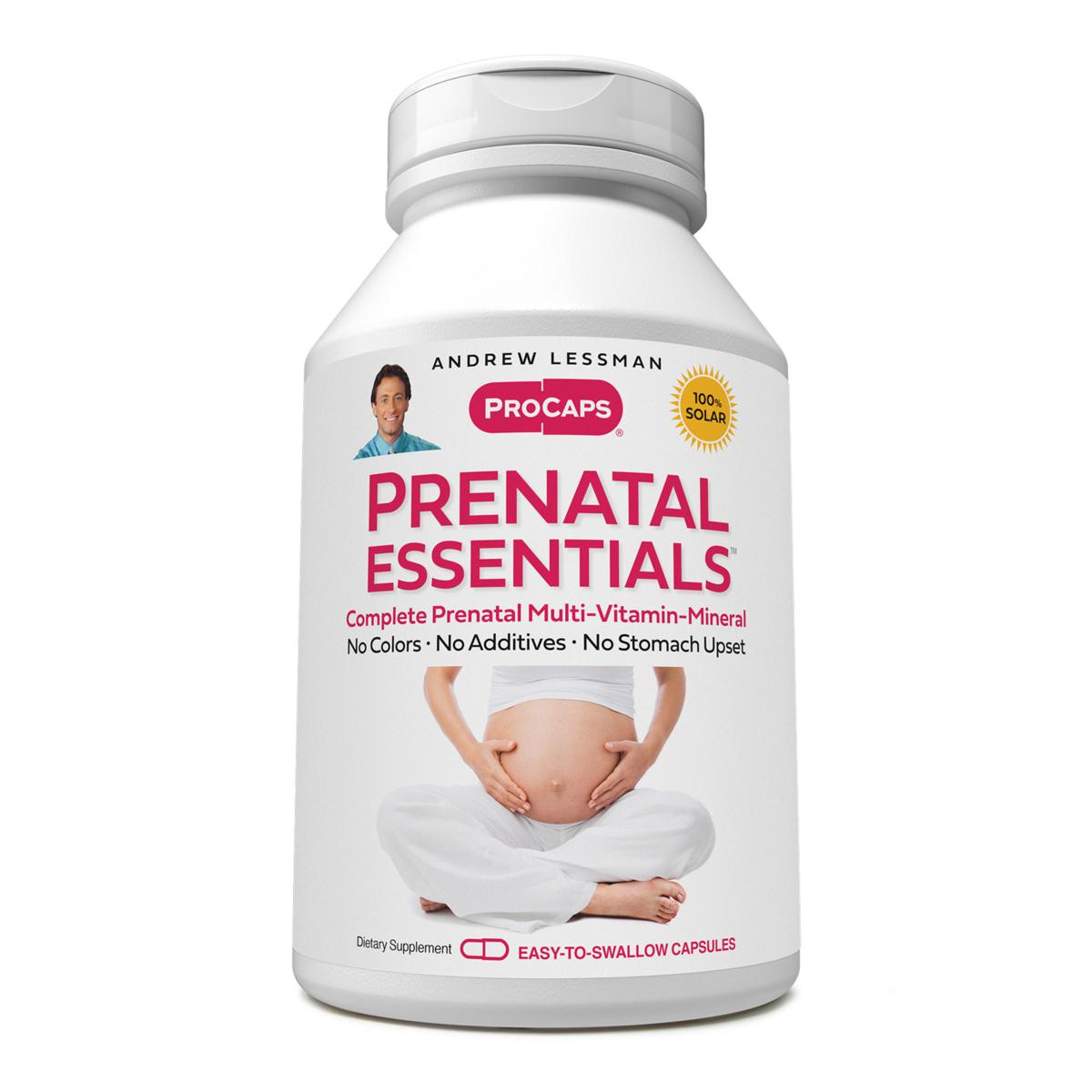
Maintaining proper hydration during pregnancy is essential for both the mother and the developing fetus. Adequate water intake supports various bodily functions, facilitates the growth of the baby, and helps mitigate common pregnancy discomforts. Staying hydrated is not just about quenching thirst; it’s a crucial aspect of prenatal care that can significantly influence overall health outcomes.
Hydration plays a vital role in pregnancy by supporting increased blood volume, amniotic fluid production, and nutrient transport to the fetus. When a pregnant individual is well-hydrated, it helps to regulate body temperature, reduces the risk of urinary tract infections, and can alleviate symptoms like constipation and swelling. Dehydration, on the other hand, may lead to complications such as fatigue, headaches, and even preterm labor in severe cases. Therefore, understanding and managing hydration needs is paramount for the health of both the mother and the baby.
Recommended daily water intake and influencing factors
The recommended daily water intake for pregnant women generally ranges around 10 cups (about 2.3 liters) per day, although individual hydration needs may vary based on several factors. These factors include:
- Activity level: Higher physical activity increases fluid requirements.
- Climate: Hot or humid weather can lead to quicker dehydration.
- Dietary choices: High-sodium or high-protein diets might necessitate more water intake.
- Health conditions: Conditions such as morning sickness may influence fluid needs.
Additionally, pregnant individuals should keep in mind that the body’s fluid needs can change as the pregnancy progresses, particularly during the third trimester when increased blood volume and amniotic fluid needs arise.
Methods to encourage proper hydration
Incorporating strategies to enhance hydration can make a significant difference. Here are effective methods to ensure adequate fluid intake:
- Drink water consistently: Keep a water bottle handy and take sips throughout the day, even when not feeling thirsty.
- Flavored water: Adding slices of fruit, such as lemon, cucumber, or berries, can make drinking water more enjoyable.
- Incorporate water-rich foods: Foods like cucumbers, oranges, and watermelon contain high water content and contribute to overall hydration.
- Set reminders: Use phone alarms or apps to remind about drinking water at regular intervals.
- Herbal teas: Non-caffeinated herbal teas can also contribute to daily fluid intake.
By following these tips and strategies, pregnant individuals can effectively maintain optimal hydration levels, supporting their health and that of their developing baby throughout the pregnancy journey.
Nutritional needs and meal planning during pregnancy
A well-planned prenatal diet is vital for the health and development of both the mother and the baby. During pregnancy, a woman’s body requires additional nutrients to support the growing fetus, enhance her own health, and prepare for breastfeeding. Understanding these nutritional needs and how to effectively plan meals can ensure both mother and baby receive the essential components for optimal health.
A balanced intake during pregnancy includes a variety of food groups that provide necessary vitamins, minerals, proteins, fats, and carbohydrates. Key nutritional components to focus on include folic acid, iron, calcium, omega-3 fatty acids, and protein. These nutrients support the development of the baby’s brain, bones, and overall growth, while also preparing the mother’s body for the demands of labor and breastfeeding.
Critical Nutritional Components in a Prenatal Diet
To ensure a well-rounded diet during pregnancy, it’s important to include food from all necessary food groups. Here are some critical components to focus on:
- Folic Acid: Essential for neural tube development. Found in leafy greens, fortified cereals, and legumes.
- Iron: Supports increased blood volume and fetal development. Sources include lean meats, beans, and spinach.
- Calcium: Critical for bone development. Dairy products, fortified plant milks, and leafy greens are good sources.
- Omega-3 Fatty Acids: Important for brain health and development. Found in fatty fish, walnuts, and flaxseeds.
- Protein: Necessary for tissue growth and repair. Sources include lean meats, poultry, legumes, and eggs.
Creating a Weekly Meal Plan
Constructing a weekly meal plan can help ensure all essential nutrients are consumed regularly. A well-rounded meal plan includes a variety of foods from all food groups to keep meals interesting and nutritious. Here’s a basic framework to follow:
1. Breakfast Options: Incorporate whole grains, protein, and fruits. Examples include oatmeal topped with nuts and berries, or scrambled eggs with spinach and whole grain toast.
2. Lunch and Dinner: Focus on lean proteins, vegetables, and whole grains. For example, a quinoa salad with chickpeas, cherry tomatoes, and a side of grilled chicken, or a stir-fry with tofu, broccoli, and brown rice.
3. Snacks: Healthy snacks can include yogurt with fruit, a handful of nuts, or carrot sticks with hummus.
4. Hydration: Aim for plenty of fluids, primarily water, and consider including smoothies or homemade soups for additional nutrients.
Planning meals ahead can help prevent last-minute unhealthy choices and ensure a consistent intake of essential nutrients.
Examples of Nutritious Recipes
Here are a few nutritious recipes that align with daily prenatal essentials, providing a balanced combination of the critical nutrients mentioned:
- Spinach and Feta Stuffed Chicken Breast: Stuff a chicken breast with fresh spinach and crumbled feta, season with herbs, and bake until cooked through. Pair with a side of quinoa and steamed vegetables.
- Salmon with Asparagus: Grill or bake salmon fillets, seasoned with lemon and dill, served with roasted asparagus and a sweet potato.
- Chickpea and Avocado Salad: Mash avocado and mix with canned chickpeas, diced tomatoes, and red onion, seasoned with lime juice. Serve on whole-grain toast or as a side salad.
- Fruit and Yogurt Parfait: Layer low-fat yogurt with granola and mixed berries for a nutritious breakfast or snack option.
Each recipe incorporates a balance of proteins, healthy fats, and carbohydrates while providing key nutrients necessary for a healthy pregnancy. By planning meals thoughtfully and creatively, expectant mothers can ensure they meet their nutritional needs effectively.
Exercise routines and their benefits for pregnant women
Engaging in regular exercise during pregnancy can have numerous benefits, enhancing both physical and mental well-being. It is important to maintain an active lifestyle while ensuring safety for both the mother and the developing baby. The right exercise routine can help alleviate common discomforts associated with pregnancy and prepare the body for labor and delivery.
Regular physical activity serves multiple purposes, including improving posture, increasing stamina, and reducing stress. It helps to alleviate common pregnancy discomforts such as back pain, constipation, and fatigue. Furthermore, exercise can contribute to improved mood and energy levels, making the overall pregnancy experience more enjoyable.
Safe exercises during different trimesters
Each trimester presents unique challenges, and it’s essential to tailor exercise routines accordingly. Here are some exercises that are generally safe during each trimester, along with their benefits:
- First Trimester (Weeks 1-12): Low-impact activities like walking, swimming, and prenatal yoga are ideal. These activities help maintain fitness levels and combat fatigue while also improving flexibility.
- Second Trimester (Weeks 13-26): Continue with low-impact exercises and consider incorporating strength training with light weights. These exercises enhance muscle tone and promote better posture, which can be particularly beneficial as the belly grows.
- Third Trimester (Weeks 27-40): Focus on gentle stretching, pelvic floor exercises, and prenatal yoga. This helps prepare the body for labor, improves mobility, and may ease some discomforts associated with carrying the extra weight.
“Regular exercise during pregnancy has been shown to reduce the risk of gestational diabetes and preeclampsia.”
The significance of consulting healthcare providers before starting any exercise regimen during pregnancy cannot be overstated. Every pregnancy is unique, and individual health conditions may affect the type or intensity of exercise that is appropriate. Healthcare providers can offer personalized recommendations, ensuring that both mother and baby remain healthy and safe throughout the pregnancy journey.
The role of mental health in prenatal care
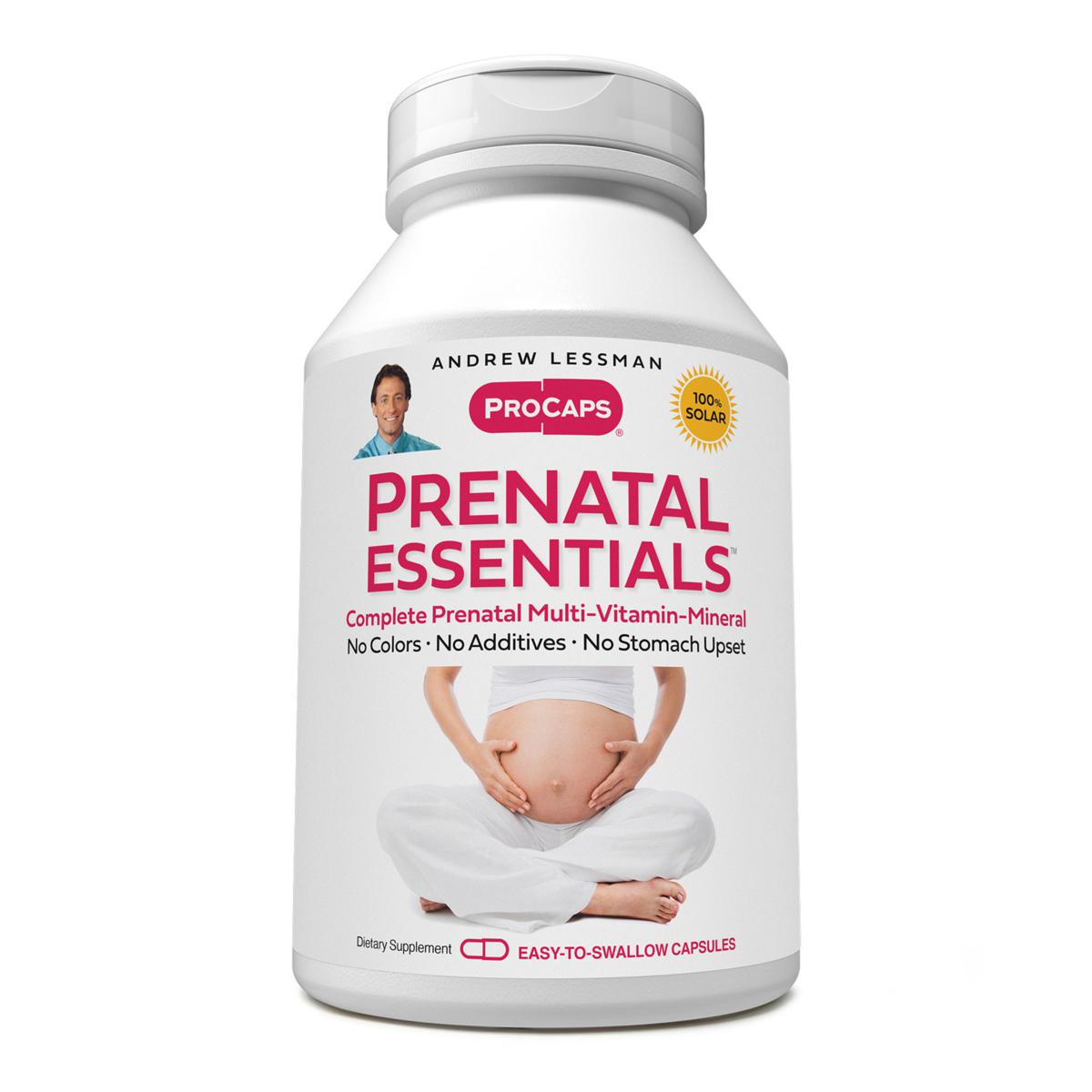
During pregnancy, the focus often lies heavily on physical health, but mental health is equally important. The emotional and psychological well-being of a mother can profoundly impact not only her health but also the development and health of her baby. Stress and anxiety during pregnancy can lead to complications such as premature birth, low birth weight, and developmental challenges. Acknowledging and addressing mental health is crucial in ensuring a positive pregnancy experience and a healthy outcome for both mother and child.
Stress can manifest in various forms, and its potential effects on pregnancy are significant. Research indicates that high levels of stress can increase the risk of postpartum depression, affect the immune system, and lead to unhealthy coping mechanisms such as substance abuse. Conversely, a supportive and nurturing environment can promote emotional well-being and foster a positive mindset.
Managing anxiety and fostering a positive mindset
Implementing effective techniques to manage anxiety is essential during pregnancy. These strategies promote emotional resilience and help create a nurturing environment for both the mother and the baby. Some techniques include:
- Mindfulness Meditation: This practice encourages mothers to stay present, reducing anxiety levels by focusing on their breath and sensations in the body. Regular mindfulness practice can improve mood and reduce stress.
- Relaxation Exercises: Techniques such as deep breathing, progressive muscle relaxation, and guided visualization help calm the mind and body. Engaging in these exercises can enhance overall mental health and well-being.
- Physical Activity: Light to moderate exercise, such as walking or prenatal yoga, can boost mood and relieve stress. Physical activity releases endorphins, which are natural mood lifters.
- Journaling: Writing down thoughts and feelings can provide an outlet for emotions and help clarify what might be causing anxiety. This practice serves as a way to process experiences and feelings more effectively.
It’s crucial for expectant mothers to know that support is readily available. Many resources focus on prenatal mental health, providing crucial assistance during this pivotal time. These resources include:
- Counseling Services: Professional counseling can offer a safe space for mothers to explore their feelings and develop coping strategies. Many therapists specialize in prenatal mental health, tailored to the unique challenges of pregnancy.
- Community Support Groups: Joining groups of other expectant mothers allows for shared experiences and mutual support. These groups can foster a sense of belonging and help alleviate feelings of isolation.
- Online Resources: Various reputable websites offer information, forums, and webinars focused on mental health during pregnancy, allowing mothers to access support from the comfort of their homes.
- Hotlines: Many regions have dedicated hotlines for mental health support, providing immediate assistance and resources for those in distress.
“Prioritizing mental health during pregnancy is not just beneficial for the mother; it is also key to ensuring a healthy start for the baby.”
Maintaining a healthy lifestyle through proper sleep hygiene during pregnancy
As pregnancy progresses, sleep becomes increasingly essential for both the expectant mother and the developing fetus. Adequate rest plays a crucial role in emotional well-being, physical health, and overall pregnancy outcomes. However, many women experience significant changes in their sleep patterns, which can lead to various disturbances. Understanding these changes and implementing effective sleep hygiene practices can significantly enhance sleep quality during this vital phase of life.
Changes in sleep patterns during pregnancy often include increased fatigue, difficulty falling asleep, and more frequent awakenings throughout the night. Hormonal fluctuations, physical discomfort, and anxiety about impending motherhood can all impact the ability to achieve restful sleep. Additionally, as the pregnancy advances, physical changes such as a growing belly can make it challenging to find a comfortable sleeping position. Research indicates that adequate sleep not only benefits the mother but also supports fetal growth and development.
Effective strategies for improving sleep quality
Creating a conducive sleep environment and establishing consistent bedtime routines can greatly enhance sleep quality during pregnancy. The following strategies are essential for promoting better rest:
- Establish a routine: Going to bed and waking up at the same time each day helps regulate the body’s internal clock, making it easier to fall asleep and stay asleep.
- Create a calming bedtime ritual: Engage in relaxing activities before bed, such as reading, gentle stretching, or taking a warm bath, to signal your body that it’s time to wind down.
- Optimize your sleep environment: Ensure your bedroom is dark, quiet, and cool. Consider using blackout curtains, white noise machines, or fans to create a comfortable space.
- Invest in comfortable bedding: A supportive mattress and pillows that cater to your changing body can make a significant difference in sleep quality.
- Limit screen time: Reducing exposure to screens at least an hour before bedtime can help lower blue light exposure, which can interfere with the production of melatonin, the hormone that regulates sleep.
Common sleep disturbances during pregnancy
Pregnancy may introduce numerous sleep disturbances that can hinder restful sleep. Identifying these issues and addressing them is crucial for improving overall sleep quality. Common disturbances include:
- Frequent urination: As the uterus expands, it can put pressure on the bladder. To mitigate this, try limiting fluid intake in the evening and using the restroom right before bed.
- Leg cramps: These can occur during the night, often due to changes in circulation or nutrient deficiencies. Stretching before bed and staying hydrated can help alleviate this issue.
- Heartburn: Lying down may exacerbate acid reflux, making it difficult to sleep. Elevating the upper body with pillows or avoiding heavy meals before bedtime can alleviate discomfort.
- Restless leg syndrome: This condition can cause uncomfortable sensations in the legs, making it hard to relax. Regular exercise and ensuring adequate intake of iron and folate may help manage symptoms.
- Anxiety and stress: Concerns about childbirth and parenting are common. Practicing mindfulness, meditation, or prenatal yoga can help reduce anxiety and promote relaxation.
By implementing these strategies and addressing common sleep disturbances, pregnant women can foster a more restful sleep environment and significantly enhance their overall well-being during this transformative time.
Building a support system for expectant mothers
Creating a strong support system is essential for expectant mothers as it plays a crucial role in their overall well-being during pregnancy. The journey of pregnancy can be filled with both joy and challenges, making it important to have a network of people who can provide emotional encouragement and practical help. This support can come from various sources, including family, friends, and healthcare professionals, and can greatly enhance the pregnancy experience.
Engaging with those around you can foster a sense of community and reassurance. Here are some effective ways to involve family, friends, and health professionals in providing emotional and practical assistance during pregnancy:
Ways to Engage Support System
Establishing a supportive network requires active participation and communication. Here are some strategies to engage with your support system:
- Open Communication: Share your feelings and experiences with family and friends. This encourages them to provide the right kind of support that you need.
- Family Involvement: Invite family members to attend prenatal appointments or classes with you. This not only helps them understand your journey but also strengthens their bond with you and the baby.
- Friend Circles: Organize casual meet-ups or create a group chat to keep friends updated and involved. They can offer companionship and moral support during this time.
- Health Professionals: Establish a good relationship with your healthcare team. Discuss any concerns openly, and seek their advice on resources that can enhance your pregnancy experience.
- Joining Classes: Participate in prenatal classes that often provide a platform to meet other expectant mothers. This can lead to new friendships and support networks.
Community resources can also serve as excellent support avenues for pregnant individuals. Many organizations offer various forms of assistance, from prenatal education to emotional support. Here are some examples:
Community Resources and Support Groups
Numerous community programs and support groups are available to assist expectant mothers, providing valuable resources and connections.
- Local Pregnancy Resource Centers: These centers often offer free services, including counseling, parenting classes, and material support like baby supplies.
- Online Communities: Websites and social media groups focused on pregnancy can connect you with other mothers experiencing similar situations, offering shared advice and support.
- Support Groups: Many communities host support groups for expectant mothers, which can help in discussing challenges and sharing experiences in a safe environment.
- Healthcare Collaboratives: Some hospitals and clinics have programs that support pregnant women with classes, workshops, and access to lactation consultants.
- Peer Mentoring Programs: These programs pair expectant mothers with experienced mothers who can provide guidance and support based on their own experiences.
“The strength of a support system is a key factor in the emotional health of expectant mothers.”
Overall, by building a robust support network, expectant mothers can navigate their pregnancy journey more confidently and joyously, knowing they are not alone in this significant life transition.
Conclusion
In conclusion, embracing daily prenatal essentials is not just about nutrition but also about nurturing the mind and body during pregnancy. By incorporating these practices into daily life, expectant mothers can look forward to a healthier pregnancy, equipped with the knowledge and support needed to thrive during this transformative time.
FAQ Guide
What are the best sources of prenatal vitamins?
High-quality prenatal vitamins can be found in supplements and foods like leafy greens, nuts, dairy, and lean meats.
How much water should a pregnant woman drink daily?
Aim for at least 8-10 cups of water a day, adjusting based on activity level and climate.
Can I continue my workout routine when pregnant?
Yes, as long as the exercises are safe and approved by your healthcare provider, maintaining physical activity is beneficial.
What should I do if I experience sleep disturbances during pregnancy?
Implement bedtime routines, create a comfortable sleep environment, and consult with a healthcare provider if issues persist.
How can I find support during my pregnancy?
Engage with family, friends, healthcare professionals, and local community groups for emotional and practical support.

Leave a Reply