

Daily prenatal vitamin is a crucial aspect of a healthy pregnancy, providing essential nutrients that support both the mother and developing baby. These vitamins play a significant role in ensuring that expecting mothers maintain their health while promoting optimal fetal development. With so much information available, understanding what daily prenatal vitamins offer can empower mothers-to-be to make informed choices for their prenatal care journey.
These vitamins typically include important nutrients like folic acid, iron, and calcium, each contributing uniquely to the growth and development of the baby. For instance, folic acid helps prevent neural tube defects, while iron supports increased blood volume during pregnancy. Neglecting to take these vitamins can lead to potential health risks for both mother and child, making it vital to incorporate them into daily routines.
The significance of daily prenatal vitamins for expecting mothers
Daily prenatal vitamins are essential for expecting mothers, as they play a crucial role in supporting both maternal and fetal health during pregnancy. These vitamins provide vital nutrients that are often difficult to obtain through diet alone, ensuring that both the mother and her developing baby receive the necessary elements for healthy development. The importance of these vitamins cannot be overstated, as they aid in preventing various complications and support overall wellbeing throughout the pregnancy journey.
Prenatal vitamins are specifically formulated to meet the increased nutritional demands of pregnant women. They typically contain higher levels of essential vitamins and minerals compared to standard multivitamins. Key nutrients found in prenatal vitamins include folic acid, iron, calcium, and DHA, each playing a significant role in the development of the baby. Folic acid, for instance, is vital in the early stages of pregnancy as it helps prevent neural tube defects, which affect the brain and spinal cord. Iron is essential for the production of hemoglobin, which carries oxygen to both the mother and the fetus, preventing anemia and promoting healthy growth. Calcium supports the development of the baby’s bones and teeth, while DHA contributes to the brain and eye development.
“Taking prenatal vitamins can decrease the risk of birth defects and support maternal health.”
The absence of prenatal vitamins during pregnancy can lead to several potential health risks. Without adequate folic acid, there is an increased likelihood of neural tube defects, which can have severe implications for the baby’s health. Insufficient iron intake may result in anemia for the mother, leading to fatigue and other complications that could adversely affect both her health and the baby’s development. Additionally, a lack of other vital nutrients can result in low birth weight and developmental issues for the child.
In summary, daily prenatal vitamins provide a safety net of essential nutrients that are critical for a healthy pregnancy. By ensuring that mothers meet their increased nutritional needs, these vitamins help mitigate risks and support the health of both the mother and her developing baby.
Key ingredients to look for in prenatal vitamins
Choosing the right prenatal vitamin is crucial for supporting both maternal health and fetal development during pregnancy. To ensure that you’re getting the necessary nutrients, it’s important to know which ingredients to look for in your daily supplements. Prenatal vitamins should be rich in essential vitamins and minerals that promote healthy growth and development.
Essential vitamins and minerals play specific roles in supporting a healthy pregnancy. For instance, folic acid is vital for preventing neural tube defects, while iron is necessary for the development of the placenta and fetal tissues. Here are some key ingredients that should be included in your prenatal vitamins:
Essential vitamins and minerals
Understanding the benefits of specific vitamins and minerals can help guide your selection. Here’s a list of essential components:
- Folic Acid: A B-vitamin that reduces the risk of spinal cord defects and supports early brain development.
- Iron: Crucial for preventing anemia and ensuring adequate oxygen supply to both the mother and baby.
- Calcium: Important for building the baby’s bones and teeth and maintaining the mother’s bone density.
- Vitamin D: Supports immune function and calcium absorption, contributing to bone health.
- Omega-3 Fatty Acids: Essential for brain development and may help reduce the risk of preterm birth.
In addition to the important ingredients to include, there are certain substances that should be avoided in prenatal vitamins due to potential risks or adverse effects. It’s essential to be informed about these ingredients to make safe choices.
Ingredients to avoid in prenatal vitamins
Some ingredients can pose risks during pregnancy or may not be beneficial. Consider the following checklist when evaluating prenatal vitamins:
- Vitamin A (in high doses): Excessive amounts can lead to birth defects; aim for beta-carotene instead.
- Herbal supplements: Many herbs can affect pregnancy; they aren’t always safe and should be avoided unless recommended by a healthcare provider.
- Artificial sweeteners: Some can have negative effects on fetal health, so it’s best to use natural options.
- Excessive iron: Too much iron can cause gastrointestinal issues and may not be necessary for everyone.
Reading and understanding supplement labels is critical for making informed choices when selecting prenatal vitamins.
Understanding supplement labels
Supplement labels can often be confusing, but focusing on the following aspects can help clarify what you’re purchasing:
- Serving Size: Pay attention to how many tablets or capsules are recommended per day.
- Nutrient Amounts: Check if the vitamin and mineral amounts meet the recommended dietary allowances (RDAs) for pregnancy.
- Form of Nutrients: Some forms of vitamins, such as folate versus folic acid, are better absorbed in the body.
- Certification: Look for third-party testing seals that indicate quality and safety, confirming that the product contains what it claims.
Understanding the importance of specific ingredients and how to read labels will empower you to make informed decisions for a healthy pregnancy.
The best time to start taking prenatal vitamins
Starting prenatal vitamins is a crucial step for women who are planning to conceive or are already pregnant. These vitamins play a significant role in supporting both maternal health and fetal development. The ideal timeline for incorporating these supplements into your routine begins before conception and extends through each trimester of pregnancy.
Early supplementation is essential as it can significantly impact fetal health and pregnancy outcomes. Research shows that certain nutrients found in prenatal vitamins, such as folic acid, iron, and calcium, are vital for preventing neural tube defects and ensuring healthy fetal growth. By starting prenatal vitamins ahead of conception, women can prepare their bodies and create an optimal environment for a developing baby.
Timeline for Prenatal Vitamin Intake
Establishing a specific timeline for when to start taking prenatal vitamins can help ensure that both mother and baby receive the necessary nutrients at crucial stages of development. Below is a detailed timeline outlining when and how prenatal vitamins should be included in a woman’s routine:
- Preconception: Women should begin taking prenatal vitamins at least three months before trying to conceive. This allows for adequate folic acid levels to reduce the risk of neural tube defects.
- First Trimester: During the first 12 weeks of pregnancy, it’s essential to continue taking prenatal vitamins daily. This period is critical for fetal organ development, making nutrients like folic acid and iron particularly important.
- Second Trimester: Maintain daily supplementation, focusing on vitamins and minerals that support the growing fetus. Iron becomes increasingly important to support maternal blood volume and prevent anemia.
- Third Trimester: Continue with prenatal vitamins to ensure both mother and baby receive essential nutrients as the baby’s growth accelerates. Calcium and DHA are particularly important during this time.
“Starting prenatal vitamins early is key to ensuring optimal health for both mother and baby throughout pregnancy.”
Incorporating these vitamins into daily routines can be straightforward. Women can set reminders on their phones, keep vitamins visible on kitchen counters, or integrate them into daily rituals such as breakfast. This consistency helps maintain nutrient levels that are vital for a healthy pregnancy journey.
Natural versus synthetic prenatal vitamins
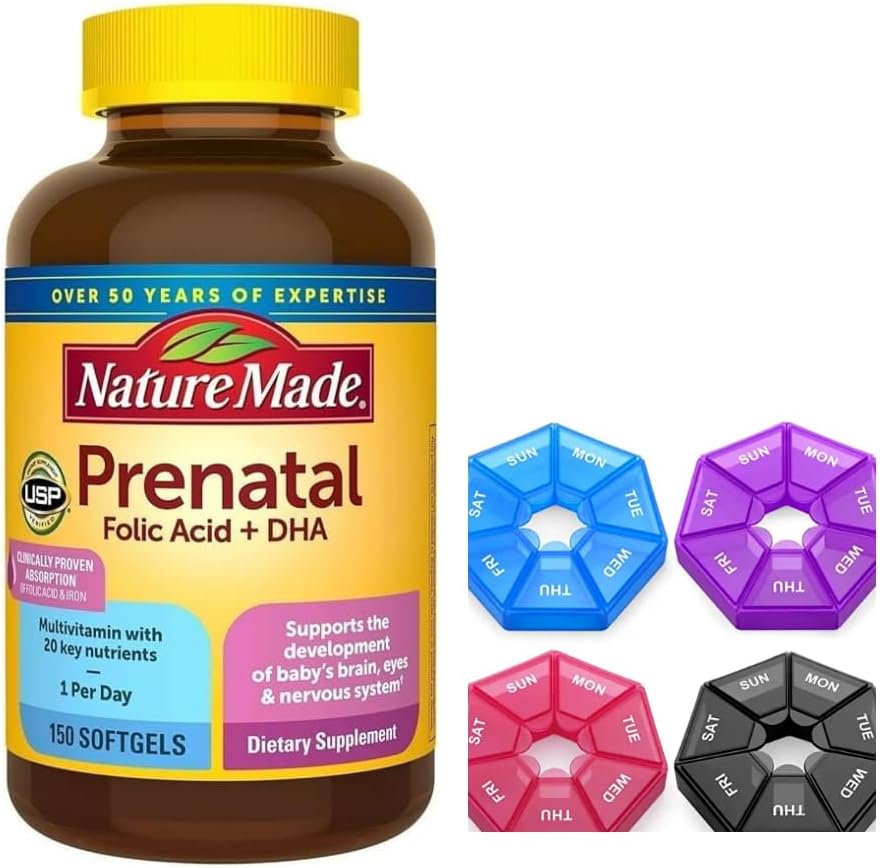
When it comes to prenatal vitamins, expectant mothers often weigh the options between natural and synthetic formulations. Both types aim to provide essential nutrients necessary for fetal development and maternal health, but they come with distinct benefits and drawbacks. Understanding these differences is crucial for making an informed choice that aligns with individual health needs and dietary preferences.
Natural prenatal vitamins are derived from whole food sources and often contain a blend of vitamins, minerals, and beneficial compounds found in nature. For instance, vitamin C can be sourced from fruits, while omega-3 fatty acids can come from fish oils. Some studies suggest that these vitamins may be better absorbed by the body due to their natural composition. In contrast, synthetic prenatal vitamins, which are created in laboratories, can provide precise dosages and may be more cost-effective. However, concerns about bioavailability—the degree and rate at which substances are absorbed into the bloodstream—have led to debates on their effectiveness. The following sections detail the pros and cons of each type, helping you make a well-rounded choice.
Benefits and drawbacks of natural and synthetic prenatal vitamins
Considering the advantages and disadvantages of both natural and synthetic prenatal vitamins can help you make an informed decision. Here’s a breakdown of key points:
- Natural Prenatal Vitamins:
- Often easier to digest, leading to better absorption of nutrients.
- May contain additional phytochemicals and enzymes beneficial for health.
- Less likely to contain artificial fillers and additives.
- Synthetic Prenatal Vitamins:
- Typically more affordable and widely available.
- Provides precise dosages of essential nutrients.
- Can be formulated to enhance specific nutrient combinations.
“Studies have shown that natural forms of vitamins may have higher bioavailability compared to their synthetic counterparts.”
Choosing between natural and synthetic prenatal options involves considering both dietary preferences and specific health needs. For example, women who prioritize organic or whole food diets may gravitate towards natural vitamins that align with their lifestyle. Conversely, those needing certain vitamin levels for medical reasons might find synthetic options more suitable due to their targeted formulations.
It’s also essential to think about potential absorption differences. Research indicates that some individuals absorb certain nutrients better from natural sources due to accompanying compounds that enhance uptake. For instance, folate from natural food sources is often more bioavailable than synthetic folic acid. Being mindful of your unique health profile and any dietary restrictions can guide you toward the best prenatal vitamin choice for you and your baby.
Common misconceptions about prenatal vitamins
Many expectant mothers rely on prenatal vitamins to support their health and the health of their developing baby. However, several misconceptions around these supplements can lead to confusion and potentially harmful choices. It’s essential to address these myths with accurate information to ensure that mothers make informed decisions throughout their pregnancy journey.
One prevalent myth is that taking prenatal vitamins alone can guarantee a healthy pregnancy. While these vitamins are essential, they are not a substitute for a balanced diet. Prenatal vitamins are designed to supplement the nutrients that may be lacking in a woman’s diet, but they cannot replace the benefits of whole foods, which provide a broad spectrum of nutrients, fiber, and other health benefits. A 2020 study published in the American Journal of Obstetrics and Gynecology found that women who relied solely on supplements without maintaining a nutritious diet were more likely to experience complications during pregnancy.
Misconceptions about the necessity and safety of prenatal vitamins
Understanding the necessity and safety of prenatal vitamins is crucial for maternal health. Here are some common misconceptions:
- All prenatal vitamins are the same: There is a variety of prenatal vitamins on the market, and they differ in their nutrient composition. Some may contain higher levels of specific vitamins or minerals that are more beneficial for individual mothers or their babies.
- High doses of vitamins are better: Some believe that taking more than the recommended amount will enhance the health of the baby. However, excess intake of certain vitamins, especially fat-soluble ones like A, can lead to toxicity and harm fetal development.
- It’s fine to skip vitamins if you feel healthy: This belief can be dangerous, as it overlooks the fact that many women may not be getting all the necessary nutrients from their diets alone, especially in early pregnancy when nausea can affect food intake.
The implications of these misconceptions can be significant. For instance, a misunderstanding about the need for folic acid can lead to neural tube defects in babies. According to the CDC, taking a prenatal vitamin with folic acid before and during pregnancy can reduce the risk of such defects by up to 70%.
Statistics reinforce the importance of proper prenatal vitamin intake and education. Research shows that only 30% of women take the recommended daily dosage of prenatal vitamins, which include essential nutrients like iron and calcium. Without adequate intake of these nutrients, mothers may experience complications such as anemia, which can affect both maternal and fetal health.
“Prenatal vitamins are a crucial part of a healthy pregnancy, but they should complement a balanced diet, not replace it.”
By debunking these myths and providing factual information, we can empower mothers to make better choices for themselves and their babies, ensuring healthier pregnancies and outcomes.
The role of daily prenatal vitamins in managing pregnancy-related conditions
Daily prenatal vitamins play a crucial role in supporting the health of both the mother and the developing fetus during pregnancy. These vitamins and minerals are specifically formulated to address the unique nutritional needs that arise during this period, helping to prevent or alleviate various pregnancy-related conditions. By ensuring that expectant mothers receive the necessary nutrients, prenatal vitamins contribute to a smoother pregnancy experience and promote the overall well-being of both mother and child.
One of the significant roles of daily prenatal vitamins is in the prevention and management of common pregnancy-related conditions such as anemia, nausea, and gestational diabetes. These conditions can pose challenges during pregnancy, but targeted vitamin and mineral intervention can help mitigate their effects. Below are some conditions and their recommended prenatal vitamin interventions:
Anemia Management
Anemia, characterized by a deficiency of red blood cells or hemoglobin, is a common pregnancy-related condition that can lead to fatigue and other complications. Iron deficiency anemia is particularly prevalent among pregnant women due to increased iron requirements. Daily prenatal vitamins containing iron can significantly help in preventing this condition.
Iron-rich prenatal vitamins can enhance hemoglobin production and improve oxygen delivery to both the mother and fetus.
Nausea Alleviation
Nausea and vomiting, often termed “morning sickness,” affect many pregnant women, particularly in the first trimester. Vitamin B6 (pyridoxine) has been shown to reduce nausea symptoms. Prenatal vitamins that include this essential vitamin can provide relief and improve the quality of life for expectant mothers.
Studies suggest that adequate levels of vitamin B6 can lessen the severity of nausea during pregnancy.
Gestational Diabetes Management
Gestational diabetes is another condition that can arise during pregnancy, characterized by high blood sugar levels. Research indicates that certain nutrients, such as chromium and magnesium, may play a role in glucose metabolism. Prenatal vitamins that incorporate these minerals can support better blood sugar control.
Optimal mineral intake, such as chromium, may help in managing blood sugar levels effectively during pregnancy.
The importance of consulting healthcare providers for personalized vitamin recommendations cannot be overstated. Every pregnancy is unique, and individual health conditions may require tailored nutritional approaches. Healthcare providers can offer insights based on specific health histories, lifestyle factors, and nutritional needs, ensuring that the prenatal vitamins taken are appropriate and beneficial for both the mother and the developing fetus.
Personalizing prenatal vitamin intake based on dietary needs
Choosing the right prenatal vitamins is essential for the health of both mother and baby, and dietary needs play a crucial role in this selection. Pregnant women often encounter dietary restrictions or preferences that influence their nutritional choices. Whether due to personal beliefs, health conditions, or lifestyle choices, these factors must be taken into account when selecting the appropriate prenatal vitamins to ensure that both mother and baby receive the necessary nutrients for optimal development.
Dietary restrictions such as veganism, lactose intolerance, or gluten sensitivities can significantly affect the selection of prenatal vitamins. For instance, many traditional prenatal vitamins may contain animal-derived ingredients, which could be unsuitable for those following a vegan diet. Therefore, it is vital to opt for vitamins specifically labeled as vegan or plant-based. Additionally, lactose-intolerant individuals should look for lactose-free options to avoid digestive discomfort.
Natural food sources of essential nutrients
Incorporating natural food sources rich in essential nutrients can complement prenatal vitamin intake and help ensure a balanced diet during pregnancy. Focusing on nutrient-dense foods can provide a holistic approach to nutrition. Below are some essential nutrients and their corresponding natural food sources for pregnant women:
Including a variety of whole foods not only supports overall health but also provides the body with the necessary vitamins and minerals during pregnancy.
| Nutrient | Plant-based Sources | Animal-based Sources |
|---|---|---|
| Folic Acid | Leafy greens, legumes, avocados | Eggs, liver, dairy products |
| Iron | Beans, lentils, tofu | Red meat, poultry, fish |
| Calcium | Fortified plant milks, almonds, broccoli | Dairy products, sardines, salmon |
| Omega-3 Fatty Acids | Flaxseeds, chia seeds, walnuts | Fish (e.g., salmon, mackerel), eggs |
| Vitamin D | Mushrooms exposed to UV light, fortified foods | Fatty fish, egg yolks, fortified dairy products |
This comparison illustrates how both plant-based and animal-based sources can provide essential nutrients needed during pregnancy. Pregnant women, regardless of their dietary preferences, can find ways to meet their nutritional needs through careful meal planning and supplementation. Emphasizing whole foods not only enhances nutrient intake but also contributes to overall well-being during this vital time.
Closure
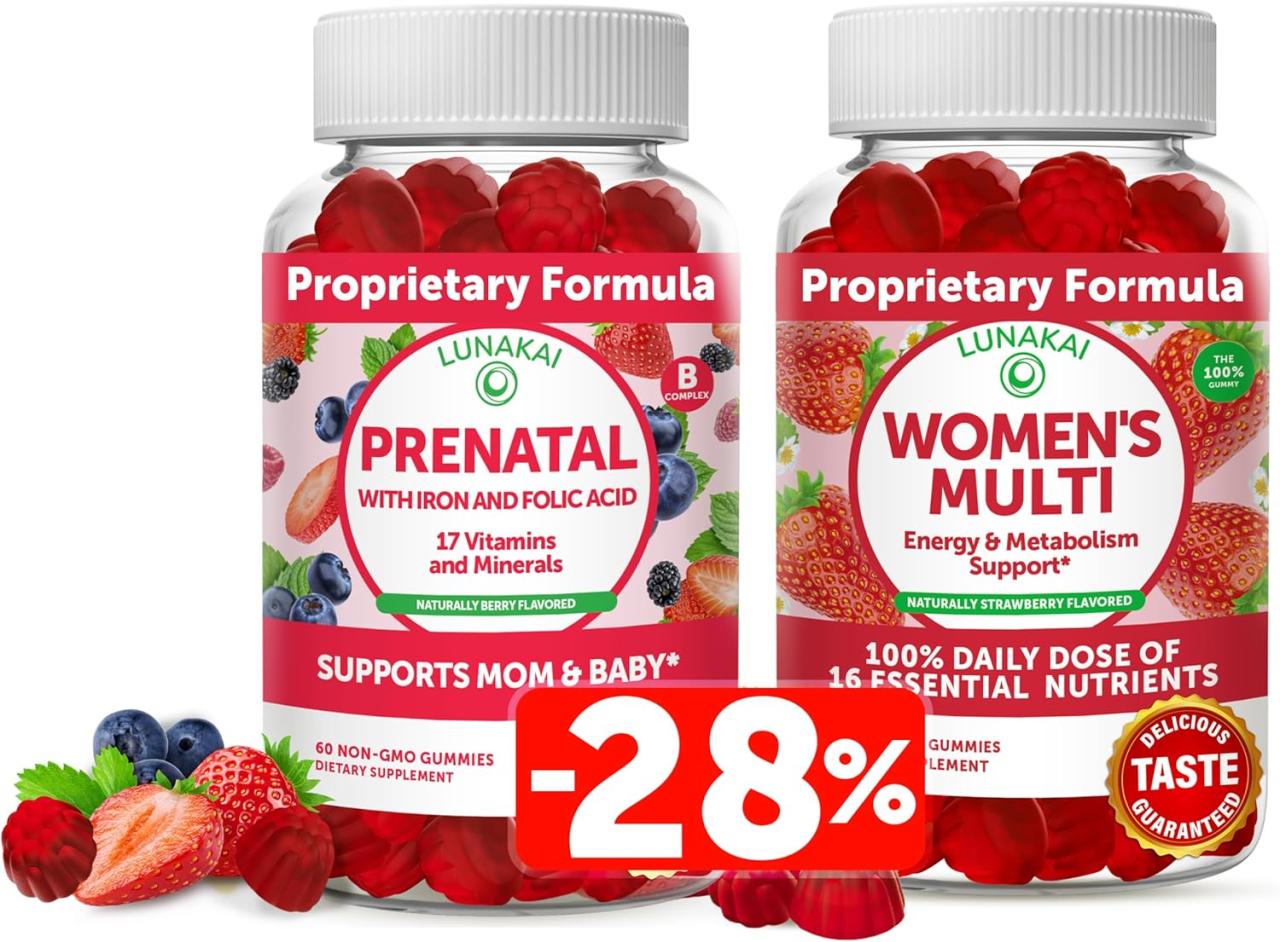
In summary, the daily prenatal vitamin serves as a fundamental building block for a healthy pregnancy, ensuring mothers and their babies receive the necessary nutrients. By being knowledgeable about what to look for in prenatal supplements, when to start taking them, and how to personalize intake based on dietary preferences, expectant mothers can significantly enhance their pregnancy experience. With the right information and guidance, navigating prenatal vitamin choices becomes a more empowering journey.
Key Questions Answered
What is the best time to start taking prenatal vitamins?
It is recommended to start taking prenatal vitamins at least one to three months before conception and continue throughout pregnancy.
Can I get all the necessary nutrients from my diet alone?
While it’s possible to obtain many nutrients from a balanced diet, prenatal vitamins help fill any gaps and ensure adequate intake, especially during pregnancy.
Are there any side effects from taking prenatal vitamins?
Some women may experience mild side effects like nausea or constipation, but these can often be managed by adjusting the dosage or timing of the supplement.
Do I need to take prenatal vitamins if I’m already healthy?
Yes, even healthy women can benefit from prenatal vitamins as they provide additional support for both maternal and fetal health during pregnancy.
Can I take prenatal vitamins if I’m not pregnant?
While prenatal vitamins are safe for non-pregnant individuals, it’s essential to consult with a healthcare provider before starting any new supplement regimen.

Leave a Reply