

Daily vitamin benefits illuminate the vital role that vitamins play in maintaining our overall health and well-being. These essential nutrients support various bodily functions and can significantly enhance our quality of life. From boosting the immune system to preventing chronic diseases, understanding vitamins is crucial for a balanced lifestyle.
Each vitamin has its unique set of advantages, and they work together to keep our bodies functioning optimally. While some vitamins can be obtained through a well-rounded diet, others may require supplementation to meet our daily needs. This overview will delve into the significance of daily vitamins, their impact on our physical and mental health, and much more.
Daily vitamins and their role in maintaining overall health
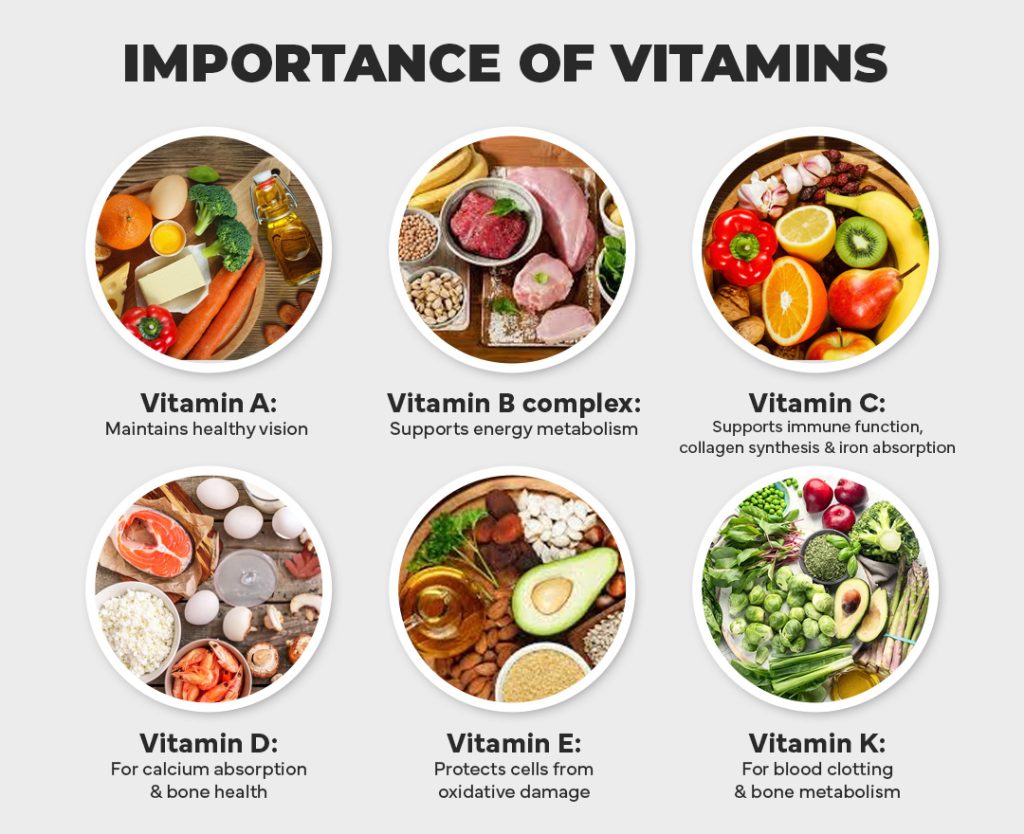
Daily vitamins are essential nutrients that play a critical role in supporting various bodily functions. They help maintain health by ensuring that the body’s systems operate efficiently, contributing to everything from immune function to energy production. When we consume a balanced diet rich in vitamins, we equip our bodies with the necessary tools to fend off diseases, maintain energy levels, and support overall wellness. Incorporating daily vitamins into our routine can lead to significant improvements in our physical and mental health, helping us thrive in our daily lives.
Vitamins contribute to our health in numerous ways. Each vitamin has unique properties that support different bodily functions. For instance, Vitamin C is instrumental in boosting the immune system, while Vitamin D is crucial for calcium absorption and maintaining strong bones. B vitamins, such as B12 and B6, are vital for energy production and brain health. The body cannot produce these vitamins on its own, making it necessary to obtain them through diet or supplements. A deficiency in any of these essential vitamins can lead to various health issues, emphasizing the importance of daily vitamin intake.
Specific vitamins and their unique health benefits
Understanding the specific roles of vitamins can help us appreciate their contribution to our health. Each vitamin serves a unique purpose:
- Vitamin A: Essential for maintaining healthy vision, skin, and the immune system. It promotes good eyesight and helps the body fight off infections.
- Vitamin C: Known for its antioxidant properties, Vitamin C protects the body from oxidative stress and supports the immune system. It aids in the repair of tissues and enhances iron absorption from plant-based foods.
- Vitamin D: Crucial for bone health, Vitamin D helps the body absorb calcium. It also plays a role in regulating mood and may reduce the risk of depression.
- Vitamin E: This vitamin functions primarily as an antioxidant, protecting cells from damage. It is important for immune function and skin health.
- B Vitamins: This group includes B1 (thiamine), B2 (riboflavin), B3 (niacin), B6 (pyridoxine), B12 (cobalamin), and folate. They are essential for energy production and maintaining a healthy nervous system.
The benefits of vitamins extend beyond general wellness; they also play a crucial role in disease prevention. For example, adequate intake of Vitamin D can reduce the risk of osteoporosis and certain cancers, while sufficient levels of Vitamin C may lower the risk of chronic diseases such as heart disease and stroke. Moreover, B vitamins, particularly B12, are linked to a lower risk of cognitive decline, underscoring the importance of these nutrients for brain health as we age.
“A deficiency in any of these essential vitamins can lead to various health issues, emphasizing the importance of daily vitamin intake.”
Incorporating a variety of vitamins into your daily routine can significantly enhance your overall health and well-being. By understanding their functions and benefits, individuals can make informed dietary choices that support their long-term health goals.
The impact of vitamin deficiencies on physical and mental well-being
Vitamin deficiencies can have profound effects on both physical and mental health, leading to a variety of symptoms and chronic health issues. Understanding these impacts is crucial for maintaining overall well-being. The consequences of lacking essential vitamins can range from mild discomfort to severe health complications that significantly affect quality of life.
Many common vitamin deficiencies manifest through a variety of symptoms. For instance, Vitamin D deficiency can lead to bone pain and muscle weakness, while Vitamin B12 deficiency may result in fatigue, weakness, and even neurological issues. These deficiencies can also contribute to more serious health problems, such as anemia from a lack of iron and folate, or scurvy due to insufficient Vitamin C intake.
Symptoms and health issues caused by common vitamin deficiencies
It is essential to recognize the symptoms associated with vitamin deficiencies to seek timely intervention. Below are some examples of common deficiencies along with their notable symptoms:
- Vitamin A: Deficiency can lead to vision problems, particularly night blindness, and a weakened immune response.
- Vitamin B1 (Thiamine): Lack of thiamine can cause fatigue, irritability, and in severe cases, Wernicke-Korsakoff syndrome, a serious brain disorder.
- Vitamin C: Insufficient Vitamin C can lead to scurvy, which presents symptoms such as fatigue, gum disease, and skin issues.
- Vitamin D: Deficiency is linked to bone pain, muscle weakness, and has been associated with mood disorders like depression.
- Vitamin E: A deficiency may lead to nerve and muscle damage, resulting in impaired coordination and vision problems.
Statistics related to vitamin deficiencies
Awareness of the prevalence of vitamin deficiencies can highlight the importance of dietary intake. Numerous studies indicate that vitamin deficiencies are widespread in various populations. According to the World Health Organization (WHO), an estimated 2 billion people globally suffer from micronutrient deficiencies, particularly in developing countries.
| Vitamin | Global Deficiency Rate | Most Affected Regions |
|---|---|---|
| Vitamin A | 250 million children | Sub-Saharan Africa, Southeast Asia |
| Vitamin B12 | Up to 15% in adults | Older adults, vegetarians, and vegans |
| Vitamin D | Approximately 1 billion people | Regions with limited sunlight exposure |
| Iron | Over 30% of the global population | Women and children in low-income countries |
Groups most at risk for vitamin deficiencies
Certain groups are more susceptible to vitamin deficiencies due to various factors, including dietary habits, lifestyle, and physiological conditions. Highlighted below are some of the most at-risk populations:
- Pregnant and breastfeeding women: Increased nutrient demands can lead to deficiencies if dietary intake is not adequately managed.
- Older adults: Aging can affect nutrient absorption and dietary preferences, increasing the risk for deficiencies, particularly in Vitamin B12 and D.
- Vegetarians and vegans: Those with plant-based diets may lack certain vitamins like B12, iron, and omega-3 fatty acids if not properly supplemented.
- People with gastrointestinal disorders: Conditions such as celiac disease or Crohn’s disease can impair nutrient absorption, leading to deficiencies.
- Low-income individuals: Limited access to a variety of nutritious foods can lead to inadequate vitamin intake, resulting in deficiencies.
“Addressing vitamin deficiencies is not just about improving diet; it’s essential for overall health and quality of life.”
A comparative analysis of water-soluble and fat-soluble vitamins
Vitamins play a critical role in maintaining our overall health, and they fall into two main categories: water-soluble and fat-soluble. Understanding these differences is essential for optimizing nutrient intake and ensuring our bodies function properly. This analysis will delve into their absorption, storage, and dietary sources to help you make informed decisions about your vitamin consumption.
Water-soluble vitamins are absorbed directly into the bloodstream and excess amounts are typically excreted through urine, which means they need to be consumed more regularly. In contrast, fat-soluble vitamins require dietary fats for absorption and can be stored in the body’s fatty tissues and liver for later use. This unique mechanism influences how we should incorporate these vitamins into our diets.
Comparison of water-soluble and fat-soluble vitamins
The distinction between these two categories is vital for understanding their functions and dietary sourcing. Below is a table that Artikels specific vitamins from each group, their primary functions, and their dietary sources.
| Type | Vitamin | Functions | Dietary Sources |
|---|---|---|---|
| Water-Soluble | Vitamin C | Antioxidant, collagen synthesis, immune function | Citrus fruits, strawberries, bell peppers, broccoli |
| Water-Soluble | Vitamin B1 (Thiamine) | Energy metabolism, nerve function | Whole grains, pork, legumes, nuts |
| Water-Soluble | Vitamin B2 (Riboflavin) | Energy production, skin health | Dairy products, eggs, green leafy vegetables |
| Fat-Soluble | Vitamin A | Vision, immune function, skin health | Carrots, sweet potatoes, spinach, fish liver oil |
| Fat-Soluble | Vitamin D | Calcium absorption, bone health | Sunlight, fatty fish, fortified dairy products |
| Fat-Soluble | Vitamin E | Antioxidant, skin health | Nuts, seeds, green leafy vegetables |
| Fat-Soluble | Vitamin K | Blood clotting, bone metabolism | Green leafy vegetables, broccoli, Brussels sprouts |
Incorporating both water-soluble and fat-soluble vitamins into your daily meals is crucial for maintaining a balanced diet. For water-soluble vitamins, consider starting your day with a smoothie packed with fruits like bananas and strawberries, or a bowl of oatmeal topped with nuts. Lunchtime salads can be enriched with leafy greens and topped with citrus dressings to maximize vitamin C intake.
For fat-soluble vitamins, including healthy fats in your meals is essential. Adding avocado to sandwiches, using olive oil as a salad dressing, or enjoying fatty fish like salmon can help enhance the absorption of vitamins A, D, E, and K. It is important to remember that creating a diet rich in a variety of foods ensures you receive a comprehensive range of nutrients for optimal health.
The role of daily vitamins in enhancing immune function
Daily vitamins play a vital role in supporting and enhancing our immune system, which is our body’s primary defense against infections and diseases. A well-functioning immune system is crucial, especially during cold and flu seasons or in the midst of a pandemic. Increasing the intake of specific vitamins can bolster the immune response and help reduce the incidence of illness.
Research has underscored the importance of certain vitamins in immune health. For example, Vitamin C is widely recognized for its role in stimulating the production of white blood cells, which are essential for fighting infections. A study published in the journal “Nutrients” revealed that Vitamin C supplementation can reduce the duration and severity of respiratory infections. Additionally, Vitamin D has been shown to enhance the pathogen-fighting effects of monocytes and macrophages, which are critical components of the immune system. Another significant study in “The Journal of Infectious Diseases” highlighted that individuals with adequate levels of Vitamin D were less likely to experience respiratory infections.
Vitamins that Support Immune Health
Several vitamins have been identified as key players in promoting immune function. Understanding their benefits can help individuals make informed choices about supplementation. Here are some essential vitamins that specifically target immune support:
- Vitamin C: Known for its antioxidant properties, Vitamin C helps protect against oxidative stress and boosts the production of immune cells.
- Vitamin D: Essential for immune system regulation, it helps in the response to infections and inflammation.
- Vitamin A: Critical for maintaining the integrity of mucosal surfaces and supporting immune responses.
- Vitamin E: Acts as an antioxidant and enhances the immune response by promoting the activity of immune cells.
- Vitamin B6: Vital in supporting biochemical reactions in the immune system and aiding in the production of antibodies.
Choosing the right vitamins for immune support can be overwhelming. It’s important to consider a few tips to ensure you’re making the best choices. Firstly, consult with a healthcare professional to determine any deficiencies and to discuss the appropriate dosages. Secondly, focus on whole food sources rich in these vitamins, such as citrus fruits for Vitamin C, fatty fish for Vitamin D, and carrots for Vitamin A. Lastly, consider high-quality supplements if dietary intake is insufficient, ensuring they are from reputable brands that provide third-party testing for potency and purity.
“A balanced diet along with targeted vitamin supplementation can significantly enhance immune function, leading to better overall health.”
Myths and misconceptions surrounding daily vitamin intake
Daily vitamin intake is often surrounded by various myths and misconceptions that can lead to confusion and misinformation. Understanding these misconceptions is crucial for making informed decisions about supplementation. Many individuals turn to vitamins in hopes of improving their health, but believing in false information can lead to unintended consequences. Let’s dive into some of the most common myths and clarify the facts surrounding daily vitamin intake.
Common Myths About Vitamins
There are several prevalent myths about vitamins that can mislead consumers. It’s important to identify these myths to ensure responsible supplementation. Here are some of the most common misconceptions:
- All vitamins are safe in any amount. While vitamins are essential for health, taking them in excessive amounts can lead to toxicity. For instance, fat-soluble vitamins like A, D, E, and K can accumulate in the body and cause harmful effects if taken in excessive doses.
- More vitamins mean better health. The belief that higher doses of vitamins automatically translate to better health is misleading. Most vitamins should be taken at recommended daily allowances (RDAs) to support optimal health without risking adverse effects.
- Natural vitamins are better than synthetic ones. The body often cannot distinguish between natural and synthetic vitamins. Both forms can be effective, but the body’s ability to absorb them can vary based on factors like bioavailability and the presence of other nutrients.
- Vitamins can replace a balanced diet. While supplements can help fill nutritional gaps, they cannot replace a well-rounded diet. Whole foods provide essential nutrients along with dietary fiber and other compounds beneficial for health.
Importance of Consulting Healthcare Professionals
Consulting healthcare professionals before starting any vitamin supplements is vital to ensuring safe and effective use. Healthcare providers can assess individual nutritional needs based on personal health history, lifestyle, and dietary habits. They may also run tests to determine if there are any deficiencies that need to be addressed.
“Self-prescribing vitamins without professional guidance can lead to unnecessary risks, including adverse interactions with medications.”
Engaging with healthcare professionals can help tailor vitamin intake to specific health conditions, ensuring that individuals receive the necessary nutrients without overdoing it.
Potential Risks of Excessive Vitamin Intake
While vitamins are important for health, excessive intake can lead to serious health issues. For example, high doses of vitamin C can cause gastrointestinal disturbances, while excessive vitamin A can lead to liver damage and neurological problems. Understanding the potential risks associated with overconsumption is essential for safe supplementation.
Here are some potential risks associated with taking too many vitamins:
- Fat-soluble vitamin toxicity: Vitamins A, D, E, and K can accumulate to toxic levels, leading to serious health issues.
- Kidney damage: Excessive intake of water-soluble vitamins, like B6 or niacin, can strain the kidneys and potentially cause damage over time.
- Drug interactions: Some vitamins can interact negatively with medications, reducing their effectiveness or causing adverse effects.
Tailoring vitamin intake according to age and lifestyle
Vitamins play a vital role in maintaining health throughout various life stages. As we progress from childhood to old age, our vitamin needs evolve, influenced not only by our biological age but also by our lifestyle choices. Understanding these dynamics can empower individuals to make informed decisions about their vitamin intake.
The changing vitamin needs throughout life stages demand careful attention to ensure optimal health. In childhood, growth and development require higher amounts of certain vitamins, such as vitamin D and calcium, to support bone health. As individuals transition into adolescence, the need for B vitamins, especially B12 and folate, increases due to the body’s growth spurts and hormonal changes. In adulthood, a balanced intake of vitamins is crucial to support energy levels and overall well-being, while seniors often require additional nutrients like vitamin B12, vitamin D, and antioxidants to counteract age-related health issues.
Influence of Lifestyle on Vitamin Requirements
Lifestyle factors significantly affect vitamin needs, making it essential to assess personal habits when determining intake. Diet, physical activity, and stress levels can all influence how vitamins are absorbed and utilized by the body.
Dietary choices, for instance, directly impact vitamin levels. A plant-based diet may necessitate a higher intake of vitamin B12 and iron from supplements or fortified foods, while a diet rich in processed foods may lack essential nutrients. Regular exercise enhances the body’s metabolic processes, increasing the need for B vitamins and vitamin C, which support energy production and recovery. Stress can deplete certain vitamins, such as vitamin C and B vitamins, leading to increased requirements during high-stress periods.
To assist individuals in determining their specific vitamin needs, consider the following guidelines:
- Assess age and life stage: Children and adolescents generally need more vitamins for growth, while adults and seniors should focus on vitamins that support bone and heart health.
- Evaluate dietary habits: Identify any gaps in your diet and consider incorporating a variety of foods rich in different vitamins.
- Monitor physical activity levels: Active individuals may require additional vitamins to support energy levels and recovery.
- Consider stress management: High-stress lifestyles may increase vitamin depletion; consider supplements if stress is a frequent issue.
- Consult with healthcare professionals: Regular check-ups can help personalize vitamin recommendations based on blood tests and health assessments.
By tailoring vitamin intake according to life stage and lifestyle, individuals can enhance their health and well-being effectively.
The relationship between daily vitamins and chronic disease prevention
Daily vitamins play a significant role in maintaining overall health and can be essential in preventing chronic diseases. Research has shown that certain vitamins can contribute to reducing the risk of diseases like heart disease, diabetes, and even some types of cancer. Understanding the relationship between vitamin intake and chronic disease can empower individuals to make better dietary choices that promote long-term wellness.
Studies have indicated that vitamins such as Vitamin D, Vitamin E, and the B-vitamins can have protective effects against chronic diseases. For instance, Vitamin D supports cardiovascular health, while antioxidants like Vitamin E have been linked to reduced oxidative stress, a contributor to chronic inflammation and disease. A review published in the American Journal of Clinical Nutrition highlighted that adequate intake of these vitamins correlates with lower rates of heart disease and diabetes in various populations.
Dietary Changes for Disease Prevention
Incorporating essential vitamins into daily diets can be a powerful strategy for chronic disease prevention. Here are some real-life examples of dietary changes one can make:
- Incorporating fatty fish such as salmon or mackerel into meals to boost Vitamin D and omega-3 fatty acid intake, essential for heart health.
- Adding a variety of colorful fruits and vegetables, like spinach, carrots, and berries, which provide a wide range of vitamins and antioxidants to support overall health.
- Substituting refined grains with whole grains, such as brown rice or quinoa, to enhance B-vitamin intake and improve metabolic health.
- Including nuts and seeds as snacks, which are rich in Vitamin E and healthy fats, helping to reduce inflammation.
These changes not only improve vitamin intake but also promote a more balanced diet that can help mitigate the risk of chronic diseases.
Expert Recommendations on Vitamin Intake
Health professionals often provide specific guidance on vitamin intake, especially for individuals with chronic conditions. Here are some recommendations based on expert insights:
- For individuals with cardiovascular issues, a daily intake of at least 600 IU of Vitamin D is often advised to support heart health.
- Those with diabetes may benefit from increased B-vitamin intake, particularly B12 and B6, to aid in glucose metabolism and nerve function.
- Patients with chronic inflammation should consider a higher intake of Vitamin E, around 15 mg daily, to help combat oxidative stress.
- Experts recommend a balanced diet rich in fruits, vegetables, nuts, and whole grains to ensure adequate vitamin intake and overall health.
Incorporating these expert recommendations can guide individuals toward healthier dietary habits that may significantly lower the risk of developing chronic diseases.
Integrating vitamins into a balanced diet
Incorporating vitamins into your daily meals can significantly enhance your overall health and well-being. While supplements can be convenient, obtaining vitamins through whole foods offers numerous benefits, including improved absorption and additional nutrients. A balanced diet rich in vitamins not only supports bodily functions but also contributes to vitality and energy levels.
A well-rounded diet should prioritize a variety of fruits, vegetables, whole grains, proteins, and healthy fats to ensure an adequate intake of essential vitamins. Emphasizing whole, minimally processed foods allows for a diverse array of nutrients to be consumed, each playing a distinct role in maintaining health. Here are some effective strategies for incorporating vitamins through your diet:
Strategies for Incorporating Vitamins
To achieve a vitamin-rich diet, consider the following strategies that focus on whole foods:
- Diversify your Plate: Aim to include a rainbow of fruits and vegetables in your meals. Different colors often indicate varying vitamin and mineral content.
- Whole Grains: Choose whole grains like quinoa, brown rice, and oats that are not only rich in B vitamins but also provide fiber and other essential nutrients.
- Lean Proteins: Incorporate sources of lean protein such as chicken, fish, beans, and legumes, which help supply your body with vitamin B12 and iron.
- Healthy Fats: Include sources of healthy fats, such as avocados, nuts, and olive oil, which aid in the absorption of fat-soluble vitamins A, D, E, and K.
- Meal Prep: Planning your meals ahead of time ensures that you include a variety of vitamin-rich foods throughout the week rather than relying on last-minute choices.
To illustrate how to implement these strategies, here’s a sample meal plan for a day that highlights vitamin-rich foods:
Sample Meal Plan
This meal plan incorporates a variety of foods to ensure a balanced intake of essential vitamins:
| Meal | Food Items | Key Vitamins |
|---|---|---|
| Breakfast | Oatmeal topped with sliced bananas and almonds | Vitamin E, Vitamin B6, Potassium |
| Snack | Greek yogurt with mixed berries | Vitamin C, Calcium |
| Lunch | Quinoa salad with spinach, cherry tomatoes, and chickpeas | Vitamin A, Vitamin K, Folate |
| Snack | Carrot sticks with hummus | Vitamin A, Fiber |
| Dinner | Grilled salmon with steamed broccoli and sweet potato | Vitamin D, Omega-3, Vitamin C |
Maintaining a balanced diet rich in vitamins is crucial for overall health, as it supports various bodily functions, from immune response to energy metabolism. Each vitamin plays a unique role, and when consumed in conjunction with a variety of foods, they enhance one another’s effects, leading to improved health outcomes. Focus on eating whole, nutrient-dense foods to create a dietary foundation that will keep you feeling your best.
Ending Remarks

In summary, daily vitamins are not just supplements but essential allies in our quest for optimal health. They enhance our immune function, support mental well-being, and can even help prevent chronic diseases. By understanding the needs of our bodies and integrating vitamins into our daily diets, we can pave the way for a healthier future.
FAQs
What are the best sources of vitamins?
The best sources of vitamins are whole foods such as fruits, vegetables, whole grains, nuts, and seeds. A varied diet typically provides a sufficient amount of essential vitamins.
How can I tell if I have a vitamin deficiency?
Common symptoms of vitamin deficiency include fatigue, weakness, and mood changes. A healthcare professional can provide testing for a more accurate diagnosis.
Is it safe to take vitamin supplements?
While many vitamin supplements can be safe, it’s essential to consult with a healthcare professional to determine your specific needs and avoid excessive intake.
Can vitamins improve mental health?
Yes, certain vitamins like B vitamins and vitamin D have been linked to improved mood and cognitive function, thus playing a role in mental health.
How do I know how much of each vitamin I need?
Your vitamin needs can vary based on age, sex, lifestyle, and health conditions. Consulting a healthcare provider can help tailor your intake to your specific requirements.

Leave a Reply