

Daily wellness supplements are increasingly becoming a staple in many people’s health routines, serving as a convenient way to ensure that nutritional needs are met. With busy lifestyles and varying dietary habits, these supplements can play a vital role in bridging the gaps that a balanced diet alone may leave. From vitamins and minerals to herbal extracts, the array of nutrients found in these supplements is designed to support overall wellness and optimize health.
In a world where nutritional deficiencies are common, especially among specific populations, daily wellness supplements offer a practical solution. Understanding how they complement our diets can empower individuals to make informed choices that enhance their wellbeing. As we dive into the details, we’ll explore the science, benefits, and considerations surrounding these supplements, ensuring that you have a well-rounded perspective.
Daily wellness supplements and their role in a balanced diet

In today’s fast-paced world, maintaining a balanced diet can be challenging. Daily wellness supplements have emerged as valuable allies in the quest for optimal health. They are designed to complement our dietary intake, ensuring that we receive the essential nutrients our bodies need to function at their best. Whether it’s due to dietary restrictions, lifestyle choices, or simply the demands of a busy schedule, supplements can play a crucial role in bridging nutritional gaps.
Daily wellness supplements can enhance your overall diet by providing essential vitamins, minerals, and other nutrients that may be lacking in your everyday meals. While whole foods are undoubtedly important, they do not always meet our specific nutritional needs. Supplements can help fill these gaps, ensuring that you maintain optimal health and wellness. For instance, individuals who follow a vegetarian or vegan diet may struggle to get enough Vitamin B12, which is primarily found in animal products. In such cases, a B12 supplement can be a key addition to their daily regimen.
Types of nutrients commonly found in wellness supplements
Wellness supplements typically contain a variety of nutrients, tailored to support different aspects of health. Understanding these nutrients can help you make informed choices about which supplements to incorporate into your routine. Here are some common nutrients found in daily wellness supplements:
- Vitamins: Essential for various biochemical processes, vitamins like A, C, D, E, and the B-complex group support immune function, energy production, and overall health.
- Minerals: Minerals such as calcium, magnesium, and zinc play critical roles in bone health, muscle function, and immune response.
- Antioxidants: Nutrients like vitamin C, vitamin E, and selenium help combat oxidative stress and protect cells from damage.
- Omega-3 fatty acids: Found in fish oil supplements, these fatty acids are known for supporting heart health and reducing inflammation.
- Probiotics: These beneficial bacteria support gut health and enhance immune function.
Supplements can be particularly beneficial in specific situations where dietary intake might be inadequate. For example, during winter months, when sunlight exposure is limited, Vitamin D levels can drop significantly. A Vitamin D supplement can help maintain adequate levels, supporting bone health and immune function. Similarly, athletes or individuals with high physical activity levels may require extra protein for muscle recovery, making protein supplements a useful addition to their diets.
In summary, daily wellness supplements are a practical solution to ensure you receive essential nutrients, especially when dietary restrictions or lifestyle choices may lead to deficiencies. By selecting the right supplements, you can complement your balanced diet and enhance your overall wellness.
The science behind daily wellness supplements
Daily wellness supplements have surged in popularity as people seek ways to enhance their well-being and fill nutritional gaps in their diets. Research has shown that numerous supplements can provide distinct health benefits, supporting overall wellness in various ways. The science behind these supplements involves a complex interplay of nutrients that can improve physiological functions, reduce the risk of chronic diseases, and promote better mental health.
Several studies have examined the effects of specific daily wellness supplements on health outcomes. For instance, a comprehensive meta-analysis published in the Journal of the American College of Cardiology concluded that omega-3 fatty acids, commonly found in fish oil supplements, can significantly reduce the risk of cardiovascular disease. This study highlighted that participants who consumed omega-3s exhibited lower levels of triglycerides and improved heart rhythm, factors critical for heart health. Another pivotal study published in the journal Nutrients found that multivitamin supplementation in older adults led to improved cognitive function and reduced the incidence of age-related diseases.
Key Studies Supporting Specific Supplements
The following are notable studies that have highlighted the benefits of specific wellness supplements:
- Vitamin D and Bone Health: A systematic review in the Clinical Journal of the American Society of Nephrology demonstrated that vitamin D supplementation improved bone density in older adults, thereby reducing the risk of fractures.
- Probiotics and Gut Health: Research published in Gastroenterology showed that probiotics can enhance gut microbiota diversity, resulting in improved digestion and a stronger immune response.
- Magnesium and Stress Management: A study in the Journal of the American College of Nutrition indicated that magnesium supplementation is positively correlated with reduced anxiety levels, suggesting its role in stress management.
The mechanisms by which these supplements impact health are multifaceted. For example, omega-3 fatty acids are known to exert anti-inflammatory effects by influencing the production of eicosanoids, a group of signaling molecules that mediate inflammation and immunity. Similarly, vitamin D plays a crucial role in calcium metabolism and bone health by enhancing intestinal calcium absorption and regulating bone remodeling processes.
Probiotics function by restoring the natural balance of gut bacteria, which can influence not only gastrointestinal health but also mental health through the gut-brain axis. Magnesium, on the other hand, is involved in over 300 enzymatic reactions in the body and helps regulate neurotransmitters, thereby impacting mood and stress levels.
“Nutritional supplements can serve as a bridge to achieving optimal health when dietary intake alone is insufficient.”
Incorporating these supplements into one’s daily routine can provide significant health benefits, particularly for individuals with dietary restrictions or specific health concerns. The scientific backing for daily wellness supplements underscores their potential role in enhancing overall health and well-being when used appropriately.
Potential benefits of incorporating daily wellness supplements into your routine
In today’s fast-paced world, maintaining optimal health can sometimes feel overwhelming. Daily wellness supplements can play a significant role in supporting overall health, providing essential nutrients that might be missing from our diets. By incorporating these supplements into your routine, you can experience a range of benefits tailored to your individual health needs.
One of the most noteworthy aspects of wellness supplements is their ability to address specific health concerns. Whether you’re looking to boost your immune system, enhance your energy levels, or support mental clarity, there are supplements designed to help. Here are five significant benefits of using daily wellness supplements:
Key Benefits of Daily Wellness Supplements
These benefits can vary based on individual health needs, lifestyle, and diet. Understanding these advantages can help you make informed choices about which supplements might be best for you.
- Nutritional Support: Many people struggle to get adequate vitamins and minerals from their daily diets. Supplements can fill these gaps and contribute to overall health. For instance, someone who follows a vegan diet may benefit from a B12 supplement to ensure they meet their nutritional needs.
- Enhanced Immune Function: Supplements like vitamin C, D, and zinc can bolster your immune system, reducing the risk of illness. An example includes individuals who take vitamin D during winter months, as it can help combat seasonal affective disorder and enhance immunity.
- Improved Energy Levels: Certain supplements, such as iron and CoQ10, can help increase energy and combat fatigue. Many athletes incorporate these supplements into their routines to maintain high performance during training and competition.
- Better Digestive Health: Probiotics and fiber supplements can support gut health, promoting better digestion and nutrient absorption. For example, those with digestive issues often find relief by incorporating probiotics into their diets.
- Stress and Mood Management: Adaptogenic herbs like ashwagandha and rhodiola can help manage stress levels and improve mood. People experiencing heightened stress from work or personal life often report significant improvements in mental clarity and overall well-being when using these supplements.
“Wellness supplements can serve as a bridge to achieving better health by addressing individual dietary gaps and supporting specific health goals.”
Many individuals have experienced real-life transformations by integrating daily wellness supplements into their routines. For instance, a busy professional dealing with chronic fatigue started taking a multivitamin and omega-3 supplement. Within weeks, they noticed increased energy levels and improved focus at work. Another example is a middle-aged woman who incorporated calcium and vitamin D supplements to support her bone health, particularly after experiencing a minor fracture. Her proactive approach helped in maintaining bone density and preventing future issues.
In conclusion, daily wellness supplements offer a variety of benefits that can be tailored to individual health needs, allowing for a more personalized approach to wellness.
Factors to consider when choosing daily wellness supplements
Choosing the right daily wellness supplements can be a daunting task, especially with the vast array of options available in the market. Understanding what to prioritize is essential for ensuring that the supplements you select genuinely support your health goals. This discussion will highlight key factors such as quality, dosage, and ingredient sourcing, while also providing insights into reading labels and comparing brands.
Quality is a fundamental factor when selecting a daily wellness supplement. Not all supplements are created equal; some may contain fillers or contaminants that could undermine their efficacy or even pose health risks. When evaluating quality, look for products that have undergone third-party testing, which verifies the supplement’s ingredient contents and ensures it meets safety standards. Companies that prioritize quality often provide certificates of analysis (COA) on their websites, which can give you peace of mind regarding what you’re consuming.
Dosage plays a crucial role in the effectiveness of a supplement. It’s essential to adhere to the recommended dosages indicated on the label, as taking too little may yield minimal results while taking too much could lead to adverse effects. It’s also beneficial to consult with a healthcare professional to tailor the dosage to your individual needs, especially if you have specific health conditions or are taking other medications. Pay attention to the form in which the supplements are available—whether capsules, powders, or liquids—as this can influence absorption rates and overall effectiveness.
Understanding Supplement Labels and Ingredients
Reading supplement labels correctly is vital for making informed choices. The Supplement Facts panel provides important information about the ingredients, serving size, and other nutritional values. Start by checking the ingredient list for active components and their corresponding dosages. A general rule is that if you can’t recognize many of the ingredients, or if they seem overly processed, it might be wise to choose another product.
When comparing different brands, consider their transparency about sourcing and manufacturing practices. Brands that openly share their sourcing information are often more trustworthy. Look for brands that source their ingredients from reputable suppliers and provide information about their production methods. Examples of reputable brands may include those that use organic or sustainably sourced ingredients, which can further enhance the product’s quality.
Additionally, it’s beneficial to compare customer reviews and third-party testing results to assess the efficacy of different products. Brands that receive consistently positive feedback and demonstrate a commitment to transparency will often be more reliable choices. Always ensure that you’re not only looking at the price but also at the value in terms of quality, effectiveness, and overall health benefits.
Common misconceptions about daily wellness supplements
Many people turn to daily wellness supplements in hopes of improving their health and well-being. However, there are several misconceptions surrounding these products that can lead to misunderstandings and potentially harmful choices. Addressing these myths is crucial for making informed decisions about supplement use.
It’s essential to recognize that not all information about supplements is accurate. Misinformation can affect purchasing decisions, health outcomes, and overall wellness strategies. Below are some common misconceptions that are prevalent in discussions about daily wellness supplements.
Common Misconceptions about Daily Wellness Supplements
Understanding the myths surrounding wellness supplements can empower individuals to make better health choices. Here are some of the most frequently encountered misconceptions:
- Supplements are a substitute for a healthy diet. Many believe that taking supplements can compensate for poor dietary choices. However, supplements should complement a balanced diet, not replace it. Whole foods provide essential nutrients in their most bioavailable forms, along with fiber and other beneficial compounds that supplements cannot fully replicate.
- All supplements are safe and effective. There is a misconception that because supplements are available over the counter, they are inherently safe. In reality, some supplements can interact with medications or cause adverse effects. For instance, excessive vitamin A intake can lead to toxicity, impacting liver health.
- Natural means safe. Many people assume that if a supplement is labeled as “natural,” it is safe to use. This is misleading; natural substances, such as certain herbs, can have potent effects and side effects. For example, St. John’s Wort may interfere with antidepressants, reducing their efficacy.
- More is better. There’s a belief that taking higher doses of supplements will provide greater benefits. This is not always true. In fact, megadoses of certain vitamins and minerals can lead to harmful health effects. For instance, excessive vitamin C can result in gastrointestinal distress.
Understanding the truth behind these misconceptions is vital for maintaining a healthy approach to wellness supplements.
Believing in these misconceptions can lead to poor health decisions, ineffective supplementation, and unexpected health issues. Education and awareness about the correct use of wellness supplements are key to achieving desired health outcomes. Always consult with a healthcare professional before introducing new supplements into your routine to ensure they align with your individual health needs and goals.
Integrating daily wellness supplements into your lifestyle
Incorporating daily wellness supplements into your routine can significantly enhance your overall health and well-being. However, the true benefits come from making these supplements a consistent part of your lifestyle. Here are some strategies to seamlessly incorporate them into your daily activities, ensuring that you reap the maximum benefits.
Timing and consistency are critical when it comes to taking supplements. Establishing a routine helps your body adapt and optimizes the effects of the nutrients. Here are some strategies to help you create a personalized supplement schedule that fits your lifestyle:
Creating a Personalized Supplement Schedule
Establishing a personalized supplement schedule can make it much easier to remember to take your daily wellness supplements. Here are some effective strategies to consider:
– Identify Key Times: Determine the best times during the day for you to take your supplements. Common times include in the morning with breakfast, during lunch, or in the evening with dinner. Choosing consistent times helps form a habit.
– Use Visual Reminders: Placing your supplements in a visible spot, such as next to your toothbrush or coffee maker, serves as a helpful reminder. This visual cue can make it easier to remember to take them.
– Incorporate with Daily Rituals: Pair your supplement intake with existing daily rituals, such as brushing your teeth, making your morning coffee, or winding down for the night. This association reinforces the habit.
– Utilize Technology: Consider using apps or setting alarms on your phone to remind you when it’s time to take your supplements. Many health apps can help you track your supplement intake and provide reminders.
– Pre-Pack Your Supplements: If you’re always on the go, pre-pack your supplements in pill organizers or travel containers for the week. This not only saves time but ensures you have your supplements on hand no matter where you are.
– Stay Consistent: Aim to take your supplements at the same time each day. Consistency is key to establishing a habit and maximizing the benefits of the nutrients.
– Adjust as Needed: As you become more accustomed to your schedule, feel free to tweak it. Your lifestyle may change, and it’s important to adapt your supplement intake accordingly.
“Consistency not only reinforces the habit but also maximizes the benefits of your supplements.”
By following these strategies, you can create a supplement-taking routine that aligns with your daily life. The key is to keep it simple and find an approach that works for you. The more seamlessly you integrate these supplements into your routine, the more likely you are to stick with them and enhance your wellness journey.
The future of daily wellness supplements in health and nutrition
The wellness supplement industry is poised for transformative changes that will redefine health and nutrition practices. As consumers become increasingly health-conscious, the demand for innovative, effective, and personalized daily wellness supplements continues to rise. The future landscape of this industry will be shaped by emerging trends, technological advancements, and shifting consumer behaviors that reflect a more holistic approach to well-being.
A significant trend influencing the wellness supplement industry is the growing focus on personalized nutrition. As individuals seek tailored solutions to meet their specific health needs, companies are beginning to develop supplements that cater to unique genetic, dietary, and lifestyle factors. Advances in nutritional genomics, for example, allow for formulations that align with a person’s genetic predispositions, enhancing the efficacy of supplements. Consumers are now more educated about their health choices, prompting brands to be transparent about ingredient sourcing and formulation processes.
Role of technology in developing new supplement formulations
Technology plays a pivotal role in propelling the advancement of daily wellness supplements. The use of artificial intelligence (AI) and machine learning enables companies to analyze vast amounts of data, identifying the most effective ingredients and dosages tailored to specific health goals. For instance, algorithms can predict the interactions between different supplements and assess their efficacy based on real-world outcomes.
Additionally, advances in manufacturing technologies, such as encapsulation and microencapsulation, allow for better nutrient delivery systems. These innovations enhance the bioavailability of ingredients, ensuring that consumers receive optimal benefits from their supplements. With the rise of 3D printing technology, the future may hold possibilities for on-demand, bespoke supplement creations that cater directly to individual preferences and needs.
Another noteworthy aspect is the integration of digital health platforms, which provide personalized recommendations based on health metrics collected through wearable devices. This data-driven approach empowers consumers to make informed decisions regarding their supplement intake, fostering a proactive stance toward health management.
As technology continues to evolve, we can expect further innovation in formulations designed to address emerging health concerns, such as stress management, gut health, and cognitive function. For example, adaptogenic herbs are gaining traction in formulations aimed at reducing stress and enhancing mental clarity, reflecting a shift towards holistic health solutions.
Potential changes in consumer behavior related to wellness supplements
Consumer behavior is increasingly shifting towards a proactive and preventative mindset when it comes to health. The COVID-19 pandemic has accelerated this trend, creating a heightened awareness of immune health, mental well-being, and overall resilience. As a result, individuals are more inclined to invest in supplements that support their immune systems, such as vitamin D, zinc, and probiotics.
Moreover, the rise of e-commerce and subscription services has transformed the way consumers access wellness supplements. Many individuals now prefer the convenience of online shopping, often seeking expert reviews and personalized recommendations before making a purchase. Subscription models offer tailored deliveries based on individual health goals, encouraging adherence to wellness routines.
With a growing emphasis on sustainability, consumers are also gravitating towards brands that prioritize eco-friendly practices. This includes sourcing ingredients responsibly and utilizing recyclable or biodegradable packaging. Additionally, transparency in labeling and ingredient sourcing has become crucial, as consumers demand products that align with their values and health priorities.
In summary, the future of daily wellness supplements promises a blend of technology-driven innovation and a consumer-driven focus on personalization and sustainability. As these elements converge, the wellness supplement industry is likely to experience significant growth and transformation, reflecting changes in both health practices and consumer expectations.
Comparing natural versus synthetic daily wellness supplements
When it comes to daily wellness supplements, consumers are often faced with the choice between natural and synthetic options. Both types of supplements offer unique advantages and disadvantages, making the decision a personal one that can depend on individual health goals, dietary needs, and lifestyle preferences. Understanding the differences between these two categories can help consumers make informed choices that align with their wellness journeys.
Natural supplements typically derive their ingredients from whole food sources or plant extracts. For instance, a natural vitamin C supplement may be sourced from acerola cherries or camu camu berries. These products are often perceived as safer and more holistic, as they contain a complex of nutrients that work synergistically in the body. However, natural supplements can vary significantly in potency and bioavailability, which might affect their efficacy. On the flip side, natural products can sometimes be more expensive due to sourcing and production methods.
Synthetic supplements, on the other hand, are made through chemical processes in laboratories. A common example is synthetic vitamin D, often available as cholecalciferol. These supplements are usually standardized, allowing for precise dosage and more consistent results. Additionally, they often come at a lower price point compared to their natural counterparts, making them more accessible to a wider audience. However, some consumers express concerns about the long-term effects of synthetic supplements, such as potential for artificial additives or the absence of additional beneficial compounds found in natural sources.
Consumer Preferences and Market Trends
The growing interest in wellness and preventative health has driven an increasing demand for both natural and synthetic supplements. Understanding consumer preferences can reveal important insights into market trends:
– Preference for Natural Products: Many consumers are leaning towards natural supplements due to the perception of safety and holistic benefits. This trend is reflected in the rise of organic certifications and clean-label products, indicating a demand for transparency and quality in sourcing.
– Scientific Backing for Synthetic Supplements: There is a significant market for synthetic supplements, particularly among those focused on specific health conditions or deficiencies. For example, athletes often opt for synthetic protein powders due to their ability to provide concentrated nutrition without additional calories or sugars.
– Regulatory Scrutiny and Quality Control: As the supplement industry gains more visibility, there is increased scrutiny on both natural and synthetic products. Consumers are becoming more educated and are seeking out brands that adhere to good manufacturing practices (GMP) and provide third-party testing results.
– Marketing Strategies: Brands are leveraging social media and influencer partnerships to promote both natural and synthetic supplements. However, natural products often capitalize on the wellness lifestyle narrative, while synthetic options may emphasize scientific validation and performance enhancement.
Understanding the distinctions between natural and synthetic supplements is crucial for making informed health decisions.
Regulatory standards for daily wellness supplements
The landscape of regulatory standards for daily wellness supplements is complex and varies significantly across different regions. With the growing popularity of wellness supplements, it has become essential to establish clear regulations to ensure consumer safety and product efficacy. These standards are put in place to prevent misleading claims and ensure that the products that reach the market actually deliver the benefits they promise.
Regulatory bodies around the world play a critical role in the oversight of wellness supplements. In the United States, the Food and Drug Administration (FDA) governs dietary supplements through the Dietary Supplement Health and Education Act (DSHEA) of 1994. Under this framework, manufacturers are responsible for ensuring the safety of their products before they are marketed, although the FDA does not require pre-market approval. This means that while the FDA can take action against unsafe supplements, they do not evaluate all products for safety or efficacy prior to their release. In contrast, the European Food Safety Authority (EFSA) requires a more stringent pre-market evaluation process, where products must demonstrate safety and efficacy before they can be sold. This creates a different market dynamic and can affect the availability of certain products across regions.
Role of government agencies in ensuring supplement safety and efficacy
Government agencies are pivotal in establishing and enforcing regulations that safeguard public health concerning wellness supplements. Their actions include:
- Setting manufacturing standards: Agencies like the FDA and EFSA Artikel Good Manufacturing Practices (GMP) that manufacturers must follow to ensure product consistency and quality.
- Conducting inspections: Regular inspections of manufacturing facilities help ensure compliance with safety standards, which can prevent contaminated or misbranded products from entering the market.
- Monitoring adverse events: Agencies maintain systems to track and analyze reports of adverse events related to supplements, which can prompt recalls or further investigations into specific products.
- Evaluating health claims: Regulatory bodies assess health claims made by manufacturers to prevent misleading advertisements, ensuring that claims are substantiated by scientific evidence.
The regulatory environment can significantly impact the supplement market globally. For example, in countries where regulations are stricter, such as Canada, companies may face higher barriers to entry, which can limit the variety of products available to consumers. Conversely, in regions with less stringent regulations, such as some countries in Asia, a wider array of products may flood the market, but the risk of unsafe or ineffective supplements increases.
The effectiveness of regulatory frameworks directly influences consumer trust and the overall integrity of the wellness supplement industry.
Overall, the varying regulatory standards across different countries not only shape the market dynamics but also affect consumer perception of safety and efficacy. This highlights the importance of understanding the regulatory landscape when navigating the wellness supplement market.
Recommendations for specific demographics regarding daily wellness supplements
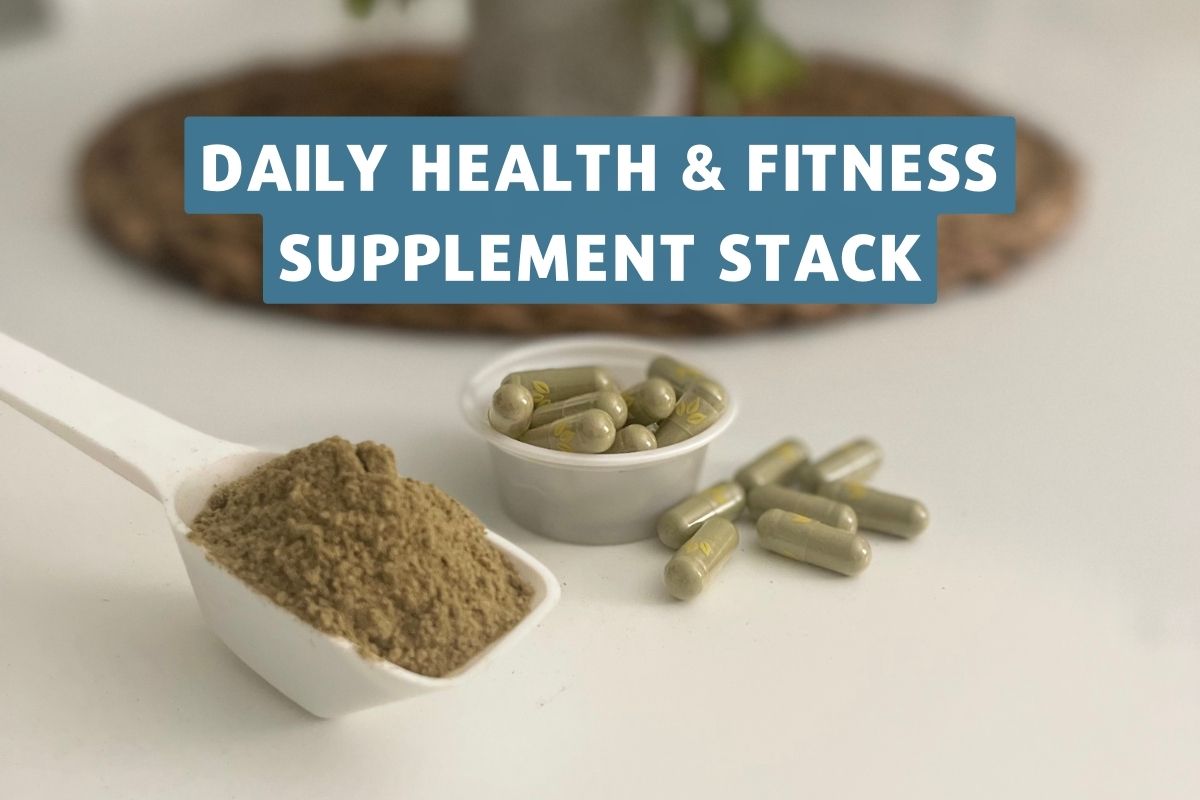
Daily wellness supplements can play a crucial role in supporting the health and vitality of various demographic groups. Each group has unique needs and health goals, which can significantly influence their supplement choices. Understanding these specific requirements is essential for making informed decisions about dietary supplements. Children, seniors, and athletes are three distinct demographics that warrant tailored supplementation strategies to enhance their overall wellness.
Children
Children have unique nutritional needs as they grow and develop. Their bodies require specific vitamins and minerals to support healthy growth, cognitive function, and immune support. Common supplement recommendations for children include:
- Multivitamins: A comprehensive multivitamin can help fill nutritional gaps, especially for picky eaters.
- Vitamin D: Essential for bone health, Vitamin D is crucial, especially in regions with limited sunlight.
- Omega-3 fatty acids: Important for brain development and cognitive function, these can be particularly beneficial for children.
Lifestyle factors such as dietary restrictions, physical activity levels, and even screen time can influence a child’s need for supplements. For instance, active children may require additional protein or specific minerals to support their energy levels and recovery.
Seniors
As individuals age, their nutritional requirements change, and they may face challenges like decreased absorption of nutrients and chronic health conditions. Therefore, seniors often need supplements that address these age-related concerns:
- Calcium and Vitamin D: These nutrients are vital for maintaining bone density and preventing osteoporosis.
- Vitamin B12: Essential for neurological function and energy production, B12 supplements can combat deficiencies that are common in older adults.
- Antioxidants: Vitamins C and E, along with other antioxidants, can help combat oxidative stress and promote overall health.
Lifestyle factors such as medication interactions, mobility issues, and dietary preferences can greatly influence supplement choices in seniors. It’s essential for this demographic to consult with healthcare professionals to tailor supplement protocols that align with their unique health considerations.
Athletes
Athletes have distinct nutritional demands due to their high activity levels and the stress placed on their bodies. Supplements can aid in performance, recovery, and overall health:
- Protein supplements: Important for muscle repair and growth, protein powders or bars can be useful for athletes to meet their increased protein requirements.
- Electrolytes: Replenishing electrolytes lost through sweat is crucial for hydration and performance during intense workouts.
- BCAAs (Branched-Chain Amino Acids): These can help reduce muscle soreness and improve recovery times.
Athletes often face lifestyle factors such as training intensity, dietary restrictions, and competition schedules that can affect their supplement choices. Personalizing supplement regimens to align with their training goals and health needs is vital for optimal performance.
Understanding the unique supplement needs of children, seniors, and athletes is essential for fostering overall health and wellness in these demographics.
Conclusion
In summary, daily wellness supplements can significantly enhance your health journey by filling nutritional gaps, supporting specific health needs, and encouraging a proactive approach to wellness. As we’ve discussed, the benefits are vast, but so are the choices available in the market. By staying informed and discerning, you can integrate these supplements effectively into your routine, paving the way for a healthier lifestyle. Remember, it’s all about finding what works best for you and aligning it with your personal health goals.
FAQ Resource
Who should consider taking daily wellness supplements?
Individuals with specific dietary restrictions, athletes, seniors, and those with health conditions may benefit from daily wellness supplements.
Are daily wellness supplements safe to take?
Generally, they are safe when taken as directed, but consulting with a healthcare provider is advisable, especially for those with pre-existing conditions.
Can I get all my nutrients from food alone?
While a balanced diet is ideal, it can be challenging to obtain all necessary nutrients solely from food due to various factors like soil depletion and food processing.
How do I choose the right daily wellness supplement?
Look for supplements that meet your specific health needs, have third-party testing, and provide clear labeling on ingredient sourcing and dosage.
How long does it take to see benefits from daily wellness supplements?
Results can vary, but many people may start to notice improvements in energy and overall wellbeing within a few weeks of consistent use.

Leave a Reply