

Daily Vitamin C for immunity is essential in maintaining a robust health profile, especially in today’s fast-paced world. This dynamic vitamin plays a pivotal role in supporting our immune system, acting as both a potent antioxidant and a facilitator of various biochemical processes that enhance our body’s defenses.
By understanding the multifaceted benefits of Vitamin C, including its contribution to white blood cell production and the strengthening of skin barriers against pathogens, we can better appreciate the importance of integrating this nutrient into our daily routines. This knowledge not only empowers us to make informed dietary choices but also highlights the impact of Vitamin C on overall well-being.
The Role of Vitamin C in Immune Function
Vitamin C, also known as ascorbic acid, plays a pivotal role in maintaining and enhancing the immune system’s efficiency. It is a powerful antioxidant that protects immune cells from oxidative stress, ensuring they function optimally. Understanding the biochemical mechanisms through which Vitamin C operates can illuminate its critical contributions to immune health.
Vitamin C actively participates in several biochemical pathways that are essential for immune function. It enhances the production of collagen, a protein vital for the structural integrity of tissues, including those forming the skin barrier. Furthermore, Vitamin C is integral in synthesizing neurotransmitters, which can influence immune responses. One of its key functions is to stimulate the proliferation and differentiation of lymphocytes, particularly in the development of T-cells and B-cells. These types of white blood cells are crucial for adaptive immunity, allowing the body to remember and combat pathogens effectively after the initial exposure.
Enhancing Skin’s Barrier Function Against Pathogens
The skin serves as the first line of defense against various pathogens, and Vitamin C enhances this barrier function through multiple mechanisms. By promoting collagen production, Vitamin C helps maintain the structural integrity of the skin, making it less permeable to harmful microbes. This fortified barrier not only physically protects against pathogens but also plays a biochemical role in immune defense.
Vitamin C is known to enhance the skin’s antioxidant defenses, which help neutralize free radicals generated by environmental stressors like UV radiation and pollution. These free radicals can damage skin cells and compromise barrier function, allowing pathogens easier access to the body. With adequate levels of Vitamin C, skin cells can better withstand oxidative stress, thus preserving their defensive capabilities.
Moreover, Vitamin C contributes to skin hydration by promoting the synthesis of hyaluronic acid, which retains moisture in the skin. A well-hydrated skin surface is less prone to micro-tears and cracks, which can serve as entry points for infections. This interconnectedness of hydration and barrier integrity emphasizes the importance of Vitamin C in maintaining healthy skin as an immune defense.
Furthermore, research indicates that topical application of Vitamin C can enhance wound healing, which is vital in preventing infections during skin injuries. Thus, the combination of these effects illustrates how Vitamin C not only contributes to immune function at a systemic level but also fortifies the skin’s defenses, making it a crucial nutrient for overall health and immunity.
Daily Recommended Intake of Vitamin C
Vitamin C, also known as ascorbic acid, is essential for various bodily functions, including immune defense, collagen synthesis, and antioxidant protection. Understanding the daily recommended intake ensures that individuals meet their nutritional needs for optimal health. Various organizations have established guidelines for different age groups, taking into account lifestyle factors that may impact vitamin C requirements.
The daily intake recommendations for vitamin C vary based on age, gender, and life stage. The following are the general guidelines established by health authorities such as the National Institutes of Health (NIH) in the U.S. and the European Food Safety Authority (EFSA):
Daily Intake Recommendations by Age and Lifestyle
These recommendations can help individuals tailor their vitamin C intake according to their specific needs:
- Infants 0-6 months: 40 mg/day
- Infants 7-12 months: 50 mg/day
- Children 1-3 years: 15 mg/day
- Children 4-8 years: 25 mg/day
- Children 9-13 years: 45 mg/day
- Adolescents 14-18 years:
- Females: 65 mg/day
- Males: 75 mg/day
- Adults 19 years and older:
- Females: 75 mg/day
- Males: 90 mg/day
- Pregnant women: 85 mg/day
- Lactating women: 120 mg/day
Lifestyle factors significantly influence the need for vitamin C. For instance, individuals who experience high levels of stress may require more vitamin C due to its role in hormone production and the immune response. Physical activity also increases metabolic demands, thereby affecting vitamin C levels in the body. Athletes or those engaging in intense exercise may need higher amounts to support recovery and combat oxidative stress.
Global Variations in Recommended Dietary Allowances
The recommended dietary allowances (RDAs) for vitamin C differ across countries and organizations, reflecting variations in dietary habits and health considerations. For example, while the U.S. recommends 90 mg/day for adult males, the World Health Organization (WHO) suggests a general guideline of 45 mg/day for adults.
These differences may arise from varying dietary sources and health priorities. In regions where fruits and vegetables are abundant, lower RDAs may suffice for maintaining adequate vitamin C levels. Conversely, populations with limited access to fresh produce may benefit from higher recommendations to prevent deficiencies.
The body does not store vitamin C, making regular intake essential for maintaining adequate levels.
Sources of Vitamin C in the Diet
Vitamin C, also known as ascorbic acid, is a vital nutrient that plays a crucial role in maintaining a robust immune system. It is essential for the growth and repair of tissues in the body, and it acts as an antioxidant, helping to protect cells from damage. To ensure adequate intake of this important vitamin, incorporating a variety of sources into your diet is key.
Various foods are rich in Vitamin C, particularly fruits and vegetables. These natural sources not only provide Vitamin C but also come with a plethora of other nutrients like fiber, potassium, and folate. Understanding the best food sources and how they can be prepared can help maximize intake and benefits.
Common Food Sources of Vitamin C
To give you a clearer picture of Vitamin C-rich foods, here’s a list that details common fruits and vegetables along with their serving sizes and respective Vitamin C content. This information can guide you in planning your meals to ensure you’re getting enough of this vital nutrient.
| Food Item | Serving Size | Vitamin C Content (mg) |
|---|---|---|
| Orange | 1 medium | 70 mg |
| Red Bell Pepper | 1 cup, chopped | 190 mg |
| Kiwi | 1 medium | 71 mg |
| Strawberries | 1 cup, halved | 89 mg |
| Broccoli | 1 cup, cooked | 102 mg |
| Grapefruit | 1/2 medium | 38 mg |
| Pineapple | 1 cup, chunks | 79 mg |
| Brussels Sprouts | 1 cup, cooked | 96 mg |
Cooking methods can significantly influence the Vitamin C content in foods. For instance, Vitamin C is water-soluble and sensitive to heat, meaning that prolonged cooking can lead to substantial losses of this nutrient. Steaming and microwaving are preferable methods as they reduce cooking time and retain more Vitamin C compared to boiling or frying. It’s recommended to consume fruits and vegetables raw whenever possible, as this maximizes their Vitamin C availability. For example, a fresh salad with raw bell peppers and leafy greens can provide a refreshing and nutritious boost of Vitamin C without any loss from cooking.
“To maximize Vitamin C intake, focus on raw fruits and vegetables and use gentle cooking methods.”
The Impact of Vitamin C Deficiency on Immunity
Vitamin C, also known as ascorbic acid, plays a pivotal role in supporting the immune system. A deficiency in this essential nutrient can lead to a range of health problems, particularly affecting immune function. Understanding the symptoms and implications of vitamin C deficiency is crucial for maintaining overall health and preventing potential diseases.
Vitamin C deficiency can manifest in various ways, with symptoms ranging from mild to severe. Common signs include fatigue, weakness, and irritability. More serious symptoms may involve a weakened immune response, making the body more susceptible to infections. In extreme cases, deficiency can lead to scurvy, a condition characterized by bleeding gums, joint pain, and anemia. The implications of low vitamin C levels extend beyond just individual health; they contribute to a higher incidence of infectious diseases and complications, particularly in vulnerable populations.
Populations at Risk for Vitamin C Deficiency
Certain demographic groups are particularly susceptible to vitamin C deficiency, which can lead to increased immune risks. Understanding these populations is vital for targeting preventive health measures.
- Individuals with Limited Diets: People who consume little to no fruits and vegetables are at a higher risk of deficiency. This includes individuals adhering to restrictive diets or those with limited access to fresh produce.
- Elderly Individuals: The aging population often faces challenges in nutrient absorption and may have dietary restrictions, increasing their risk of vitamin C deficiency.
- Smokers: Smoking depletes vitamin C levels in the body, leading to a higher requirement for this vitamin than non-smokers. Smokers often exhibit compromised immune function due to lower vitamin C status.
- Pregnant and Lactating Women: Nutritional requirements for vitamin C increase during pregnancy and breastfeeding. If these needs are not met, it can impact both the mother’s immunity and the infant’s health.
- Individuals with Chronic Diseases: Conditions such as diabetes, cancer, and gastrointestinal diseases can affect nutrient absorption and metabolism, placing these individuals at risk for deficiency.
Vitamin C deficiency can exacerbate various diseases and conditions, impacting overall health and immune function. For example, individuals with cardiovascular diseases may find that inadequate vitamin C levels worsen their condition by compromising their immune response. Similarly, asthma patients may experience increased symptoms during respiratory infections if their vitamin C intake is low, as the nutrient is crucial for maintaining lung function and reducing inflammation.
“A strong immune system is essential for fighting off infections, and vitamin C plays a key role in this defense mechanism.”
Supplementation vs. Natural Sources of Vitamin C
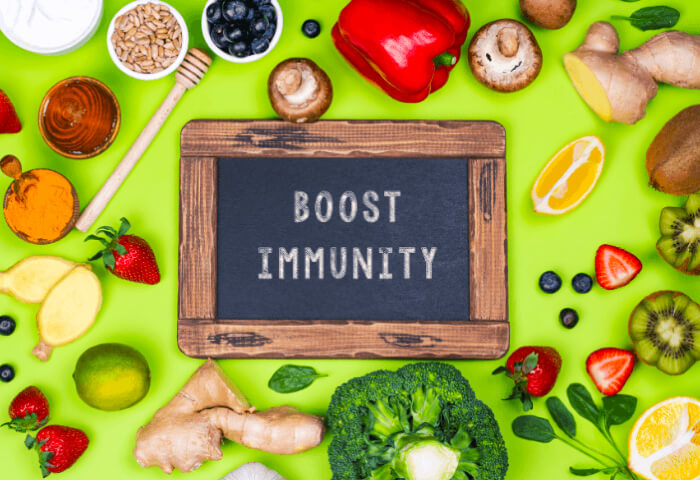
When it comes to boosting immunity, Vitamin C is often hailed as a powerhouse nutrient. One of the significant debates surrounding this essential vitamin is whether it’s more beneficial to obtain it from natural food sources or through supplements. Both methods have their pros and cons, which can influence your choice based on individual health needs and lifestyle preferences.
The primary advantage of obtaining Vitamin C from natural food sources is that these foods often contain a complex matrix of nutrients, including fiber, antioxidants, and various phytochemicals that may enhance the absorption and efficacy of Vitamin C. Foods rich in Vitamin C, such as oranges, strawberries, bell peppers, and broccoli, deliver this nutrient alongside other beneficial compounds. On the other hand, Vitamin C supplements can provide a concentrated dose that might be easier to consume, especially for those who struggle to meet their daily requirements through diet alone.
However, the bioavailability of Vitamin C differs between supplements and whole foods. Studies, including a review published in the “American Journal of Clinical Nutrition,” have shown that the body may absorb Vitamin C from whole foods more effectively than from synthetic supplements. This difference is attributed to the presence of cofactors in natural foods that aid in the nutrient’s absorption.
Determining the Appropriate Form of Vitamin C Supplementation
When considering Vitamin C supplementation, it’s essential to evaluate various forms available on the market, including ascorbic acid, sodium ascorbate, and liposomal Vitamin C. Each type has unique properties that can impact its absorption and effectiveness.
1. Ascorbic Acid: This is the most commonly used form of Vitamin C. It is effective and typically well-tolerated. However, high doses can cause gastrointestinal discomfort in some people.
2. Sodium Ascorbate: This buffered form of Vitamin C is less acidic, making it gentler on the stomach. It’s a good option for individuals who experience digestive issues with ascorbic acid.
3. Liposomal Vitamin C: Encapsulated in liposomes, this form has been shown to enhance absorption significantly, potentially offering higher bioavailability than traditional forms.
4. Vitamin C with Bioflavonoids: Some supplements combine Vitamin C with bioflavonoids, which can enhance its absorption and effectiveness.
When selecting a supplement, assess your dietary intake, personal health conditions, and any existing medical advice you have received. It’s recommended to consult with a healthcare professional to determine the best form and dosage tailored to your individual needs, especially if you have underlying health issues or are taking other medications.
“The best approach is to combine natural sources of Vitamin C with supplementation when necessary for optimal health.”
Myths and Misconceptions about Vitamin C and Immunity
Vitamin C has long been celebrated for its immune-boosting properties, but with great popularity comes a plethora of myths and misconceptions. As people seek to enhance their health, it’s essential to differentiate between scientifically supported facts and urban legends surrounding Vitamin C and its role in immune health. Understanding these myths can help individuals make informed decisions about their dietary habits.
One common myth is that high doses of Vitamin C can prevent colds. While Vitamin C is crucial for the immune system, scientific studies suggest that it may reduce the duration and severity of colds rather than prevent them entirely. The rationale behind this belief often stems from anecdotal evidence rather than rigorous scientific validation.
Common Myths Surrounding Vitamin C
Misinformation about Vitamin C can lead to improper dietary habits. Here are some prevalent myths about Vitamin C and their corresponding clarifications:
- Myth: Vitamin C can cure a cold.
The body does not have the capability to cure a cold; it typically resolves on its own within a week or two. However, Vitamin C may support immune function to help your body deal with infections.
- Myth: More Vitamin C is always better.
Excessive intake of Vitamin C can lead to gastrointestinal disturbances like diarrhea and nausea. The body has a limit to how much it can utilize effectively.
- Myth: You can get enough Vitamin C from supplements alone.
Whole foods such as fruits and vegetables not only provide Vitamin C but also contain other essential nutrients and fiber that supplements lack.
- Myth: Vitamin C can replace vaccines.
Vaccination is a critical component of disease prevention that cannot be substituted with Vitamin C or any other nutrient.
The spread of misinformation often leads individuals to overconsume Vitamin C supplements rather than focusing on a balanced diet rich in fruits and vegetables. This can create an imbalanced approach to nutrition, undermining the potential benefits of a varied diet that supports overall health. Emphasizing whole food sources, such as citrus fruits, strawberries, bell peppers, and broccoli, is crucial for achieving optimal immune health without falling prey to misconceptions.
Integrating Vitamin C into Daily Routines
Vitamin C is an essential nutrient that plays a crucial role in maintaining a healthy immune system. Incorporating Vitamin C-rich foods into your daily meals can significantly enhance your overall health. This guide will provide you with practical tips on how to seamlessly integrate these foods into your routine, making it both easy and enjoyable to boost your Vitamin C intake.
Guide to Including Vitamin C-rich Foods in Daily Meals
To maximize your Vitamin C intake, it’s beneficial to plan your meals around foods that are high in this vital nutrient. Here are some effective strategies:
- Start your day with a Vitamin C boost by adding fruits like oranges, strawberries, or kiwi to your breakfast. These fruits can be mixed into yogurt, smoothies, or oatmeal for a delicious start.
- Include colorful vegetables such as bell peppers, broccoli, and Brussels sprouts in your lunch salads or sandwiches. These vegetables not only add flavor but also enhance your daily Vitamin C intake.
- Opt for snacking on fresh fruits like guava or papaya instead of processed snacks. These fruits are not only refreshing but also rich in Vitamin C.
- Incorporate herbs like parsley and thyme into your cooking. They can serve as flavorful additions to various dishes while providing an extra Vitamin C punch.
Meal Planning and Preparation Tips
Effective meal planning can help you ensure that you are consistently including Vitamin C-rich foods in your diet. Here are some tips for planning and preparation:
- Designate a specific day of the week for grocery shopping. Focus on purchasing fresh fruits and vegetables that are in season, which are often more nutrient-dense and flavorful.
- Pre-prepare snacks by slicing fruits and vegetables in advance. Storing them in clear containers in the fridge will encourage you to grab these healthy options over less nutritious snacks.
- Create a weekly meal plan that highlights dishes rich in Vitamin C. This could include stir-fries featuring bell peppers, or soups packed with tomatoes and leafy greens.
- Batch cook meals that are high in Vitamin C, such as vegetable soups or stews. These can be stored in portion sizes, making it convenient to reheat and enjoy throughout the week.
Innovative Ways to Enhance Dishes with Vitamin C
Enhancing your meals with Vitamin C can be enjoyable and creative. Here are some innovative ways to do so without compromising taste:
- Make a citrus dressing using lemon or lime juice with olive oil. This can be drizzled over salads or grilled vegetables for a refreshing flavor.
- Experiment with fruit salsas. Combining diced mango or pineapple with tomatoes, onions, and cilantro creates a vibrant topping for fish or chicken, boosting both taste and nutrition.
- Add a splash of Vitamin C-rich juices, like orange or pomegranate, to marinades for meats or tofu. This not only adds flavor but also tenderizes the protein.
- Incorporate Vitamin C-rich powders, such as acerola cherry powder or camu camu, into smoothies or baked goods. These can enhance the nutrient profile without altering the taste significantly.
“Integrating Vitamin C into your daily meals not only supports immune health but also adds vibrant flavors to your dishes.”
The Relationship Between Vitamin C and Other Nutrients

Vitamin C is not only vital for maintaining a healthy immune system but also plays a crucial role in the absorption and interaction of various other vitamins and minerals in the body. Understanding how Vitamin C collaborates with other nutrients can enhance its benefits, particularly for immune health. By recognizing these relationships, individuals can optimize their nutrient intake to support overall wellness.
Vitamin C interacts with several essential nutrients, including Vitamin E and zinc, creating synergistic effects that bolster immune function. For instance, when Vitamin C and Vitamin E are consumed together, they help protect immune cells from oxidative stress. Additionally, zinc is known to enhance the absorption of Vitamin C while also supporting the immune system in its fight against infections. Thus, a well-rounded diet rich in these nutrients can significantly amplify their individual benefits.
Synergistic Effects of Vitamin C with Other Nutrients
The combined effects of Vitamin C with nutrients like Vitamin E and zinc highlight the importance of a balanced diet. Each nutrient contributes unique benefits that support immune health, resulting in enhanced efficacy when consumed together. Below is a table illustrating the interactions of Vitamin C with other key nutrients and their respective benefits:
| Nutrient | Interaction with Vitamin C | Benefits |
|---|---|---|
| Vitamin E | Works synergistically to protect cells from oxidative damage. | Strengthens immune response and reduces inflammation. |
| Zinc | Enhances absorption of Vitamin C and aids in immune cell function. | Boosts the immune system and helps in wound healing. |
| Iron | Improves iron absorption when consumed together. | Prevents anemia and supports overall energy levels. |
| Vitamin A | Supports the function of immune cells and enhances antioxidant defenses. | Improves mucosal immunity and reduces susceptibility to infections. |
The collaborative effect of these nutrients emphasizes the importance of including a variety of foods in your diet. Foods rich in Vitamin C, such as citrus fruits, berries, and leafy greens, should be complemented with sources of Vitamin E (like nuts and seeds), zinc (found in meat and legumes), and iron (present in red meat and spinach) to optimize immune health.
The Role of Vitamin C in Response to Infections
Vitamin C is a vital nutrient known for its strong antioxidant properties and significant role in supporting the immune system. Its importance in the body’s response to infections, both viral and bacterial, cannot be overstated. This powerful vitamin helps enhance various immune functions and has been studied extensively to understand its effects during instances of illness.
Vitamin C contributes to the body’s response to infections through several mechanisms. It stimulates the production of white blood cells, which are crucial for fighting off pathogens. Additionally, it aids in the function of phagocytes, the cells responsible for engulfing and destroying harmful bacteria and viruses. Furthermore, Vitamin C has been shown to increase the production of antibodies, enhancing the body’s ability to combat infections.
Research Findings on Vitamin C and Respiratory Infections
Numerous studies have examined the effects of Vitamin C on respiratory infections, with some revealing compelling results. For instance, a notable study published in the journal *Nutrients* found that high doses of Vitamin C reduced the duration and severity of colds in participants. The research indicated that daily supplementation could lead to a significant decrease in respiratory infection incidence, particularly in individuals exposed to high physical stress.
“Vitamin C supplementation can lead to a notable decrease in the incidence of respiratory infections, especially among those under physical stress.”
Moreover, a randomized clinical trial involving elderly participants demonstrated that Vitamin C not only reduced the severity of cold symptoms but also enhanced recovery times. This study highlighted the potential of Vitamin C in facilitating quicker recovery from infections, underlining its role as an immune supporter during illness.
The implications of Vitamin C for recovery during illness extend beyond just colds. A meta-analysis found that Vitamin C could decrease the length of hospital stays in patients with pneumonia, showing its importance in serious respiratory infections. The findings suggest that adequate Vitamin C levels could play a critical role in clinical outcomes during acute respiratory illnesses.
In conclusion, the relationship between Vitamin C and the immune response to infections is well-documented, with various studies emphasizing its effectiveness in supporting recovery and immune function during illnesses. Ensuring sufficient intake of this vital nutrient can be an essential strategy for enhancing your body’s defenses against infections.
Final Summary
In conclusion, embracing Daily Vitamin C for immunity can significantly enhance our health and resilience against infections. Whether sourced from vibrant fruits and vegetables or through thoughtful supplementation, ensuring adequate Vitamin C intake is a proactive step toward better immunity and a healthier lifestyle.
FAQ Guide
What are the best sources of Vitamin C?
Fruits like oranges, strawberries, and kiwi, as well as vegetables like bell peppers and broccoli, are excellent sources of Vitamin C.
Can I get enough Vitamin C from diet alone?
Yes, a balanced diet rich in fruits and vegetables typically provides sufficient Vitamin C for most people.
Is it safe to take Vitamin C supplements?
For most people, Vitamin C supplements are safe, but it’s best to consult a healthcare provider for personalized advice.
How does cooking affect Vitamin C in foods?
Cooking can reduce Vitamin C content, particularly methods like boiling; steaming or microwaving can help retain more nutrients.
What are signs of Vitamin C deficiency?
Common signs include fatigue, weakness, and a higher susceptibility to infections, along with conditions like scurvy in severe cases.

Leave a Reply