

Daily vitamin complex plays a pivotal role in maintaining our overall health, often acting as the unseen hero in our daily wellness routines. It’s fascinating to discover how these multivitamin formulations can provide essential nutrients that many of us may be lacking in our diets, contributing to both physical endurance and mental clarity. With a well-balanced daily vitamin complex, individuals can better support their bodies and minds, ultimately leading to a more vibrant life.
These complexes typically include a variety of vitamins and minerals, such as Vitamin C, D, B-complex, and magnesium, each serving distinct purposes. Vitamin C boosts immunity, while Vitamin D promotes bone health; B vitamins are crucial for energy production, and magnesium assists in muscle function. The consequences of vitamin deficiencies can be significant, leading to fatigue, cognitive decline, and a host of other health issues that can disrupt everyday life.
The Importance of Daily Vitamin Complex for Overall Health
Daily vitamin complexes play a crucial role in maintaining both physical and mental well-being, acting as a foundation for a healthy lifestyle. These supplements are designed to fill the gaps in our diets, ensuring that we receive essential nutrients that may be lacking due to our busy lives or dietary restrictions. By incorporating a daily vitamin complex, individuals can support their immune system, improve energy levels, and enhance cognitive function, all of which contribute to a higher quality of life.
Daily vitamin complexes typically include a variety of vitamins and minerals that are vital for various bodily functions. Commonly included vitamins are Vitamin A, Vitamin C, Vitamin D, Vitamin E, and various B vitamins, each with its own unique health benefits.
Vitamin A is essential for maintaining good vision, promoting skin health, and supporting the immune system. Vitamin C is a powerful antioxidant that aids in collagen production, boosts immune defense, and enhances iron absorption. Vitamin D is crucial for bone health, as it helps the body absorb calcium, while also playing a role in immune function and mood regulation. Vitamin E acts as an antioxidant, protecting cells from oxidative stress and supporting skin health. The B vitamins, which include B1 (thiamine), B2 (riboflavin), B3 (niacin), B6 (pyridoxine), B12 (cobalamin), and folate, are vital for energy production, brain health, and red blood cell formation.
Deficiencies in these essential vitamins can lead to various health issues. For instance, a lack of Vitamin D can result in weakened bones and an increased risk of fractures. Insufficient Vitamin C intake may cause fatigue, weakness, and a compromised immune system, making individuals more susceptible to infections. B vitamin deficiencies can lead to symptoms such as fatigue, cognitive decline, and mood instability.
Understanding the significance of daily vitamin complexes can empower individuals to make informed choices about their health, ultimately leading to a more balanced and healthier lifestyle.
Understanding the Different Types of Daily Vitamin Complexes
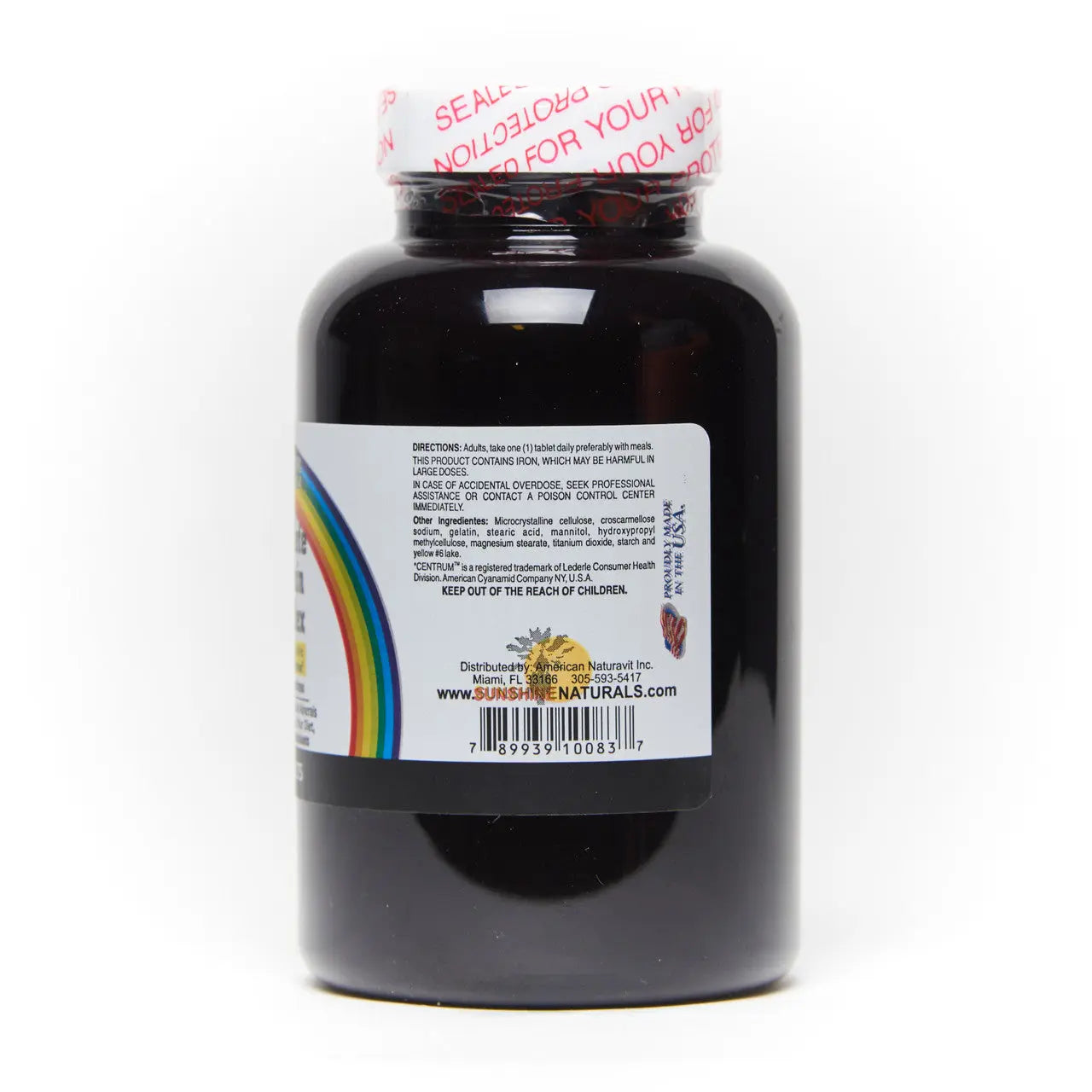
Daily vitamin complexes come in various forms, each tailored to meet diverse consumer preferences and needs. Understanding these different types is essential for making informed choices regarding health supplements. The most common formats available on the market include tablets, gummies, and powders. Each has unique benefits and drawbacks that cater to different lifestyles and preferences.
When considering daily vitamin complexes, it’s important to evaluate the absorption rates, ease of use, and overall experiences associated with each type. Below is a detailed comparison of the three main forms of daily vitamin complexes to help you navigate your options effectively.
Comparison of Daily Vitamin Complex Types
Each type of daily vitamin complex offers distinct advantages and disadvantages. The table below summarizes these aspects, including absorption rates and user experiences, providing a clearer picture of what to expect from each format.
| Type | Benefits | Drawbacks | Absorption Rate | User Experience |
|---|---|---|---|---|
| Tablets |
|
|
Moderate | Typically considered standard, but can be hard for those with swallowing issues. |
| Gummies |
|
|
Good | Popular among those who dislike pills, providing a more enjoyable supplement experience. |
| Powders |
|
|
High | Preferred by fitness enthusiasts and those who incorporate supplements into smoothies or meals. |
In summary, understanding the various types of daily vitamin complexes allows consumers to align their supplement choices with their individual needs, preferences, and lifestyles. By weighing the benefits and drawbacks of tablets, gummies, and powders, you can enhance your daily nutrient intake more effectively.
How to Choose the Right Daily Vitamin Complex for Your Needs
Selecting the right daily vitamin complex can significantly enhance your overall health and well-being. However, with the myriad of options available, it’s crucial to make an informed choice tailored to your personal requirements. Key factors such as age, gender, lifestyle, and dietary preferences play a pivotal role in determining which vitamin complex is most suitable for you.
When choosing a daily vitamin complex, it’s important to consider your age, as nutritional needs vary significantly throughout different life stages. For example, children require vitamins that support growth and development, while older adults may need higher doses of specific vitamins to combat age-related deficiencies. Gender also plays a critical role in the selection process; women might seek out vitamin complexes that include iron and folic acid for reproductive health, while men may benefit from those rich in zinc and magnesium for prostate health and muscle function.
Lifestyle factors, including physical activity level and stress levels, can further influence your vitamin needs. Active individuals or athletes often require additional nutrients such as B vitamins for energy production and antioxidants for recovery. Conversely, those with a sedentary lifestyle might prioritize vitamins that support metabolic health. Furthermore, dietary preferences and allergies are essential considerations. Vegans may need to look for vitamin complexes that include B12, iron, and omega-3 fatty acids sourced from algae, while those with allergies should carefully read ingredient labels to avoid any triggers.
To assist individuals in making the right choices, here’s a list of recommended vitamin complexes tailored to different demographics:
- Children: A complete multivitamin with essential vitamins A, C, D, and E, along with calcium and iron.
- Women: A women’s multivitamin enriched with iron, folic acid, and calcium for reproductive and bone health.
- Men: A men’s multivitamin that includes zinc, magnesium, and vitamins B6 and E for overall vitality.
- Active Individuals: A performance-driven multivitamin packed with B vitamins, vitamin C, and electrolytes.
- Seniors: A senior-specific multivitamin containing higher levels of vitamin D, B12, and calcium for aging populations.
- Vegans: A vegan multivitamin providing B12, iron, and omega-3s derived from algae.
- Gluten-Free: Gluten-free multivitamins that are free from common allergens.
Supplementing with a tailored vitamin complex can enhance overall health and prevent deficiencies, promoting a healthier lifestyle.
The Role of Daily Vitamin Complexes in Preventive Health Care
Daily vitamin complexes play an essential role in preventive health care by providing the body with the necessary nutrients to ward off chronic diseases. These complexes are designed to supplement our daily intake of vitamins and minerals, which might be lacking due to dietary deficiencies or lifestyle choices. Regular consumption of a well-balanced vitamin complex can enhance overall health, boost the immune system, and reduce the risk of developing various chronic conditions, serving as a proactive approach to health management.
Vitamin complexes can be instrumental in preventing chronic diseases, such as heart disease, diabetes, and certain types of cancer. Research indicates that adequate intake of specific vitamins and minerals can significantly lower the risk of these conditions. For instance, a study published in the American Journal of Clinical Nutrition highlighted that individuals who regularly consume vitamin D and calcium show a marked reduction in the incidence of osteoporosis and fractures. Furthermore, a meta-analysis in the Journal of the American College of Cardiology demonstrated that individuals with higher levels of vitamin E and vitamin C intake have a lower risk of developing coronary heart disease.
Effective use of vitamin complexes extends to their role in enhancing immune function. Vitamins A, C, and E are well-known for their antioxidant properties, which help combat oxidative stress and inflammation—both key players in the pathophysiology of chronic diseases. A comprehensive review published in the Nutrients journal noted that populations with a higher intake of antioxidants through vitamins exhibit a lower prevalence of chronic diseases, suggesting a protective effect against cellular damage.
Evidence Supporting Preventive Benefits of Vitamins
Several studies underline the importance of vitamins in chronic disease prevention. Notably, research conducted by the Harvard School of Public Health found a correlation between multivitamin use and a reduced risk of certain cancers. The study suggests that consistent multivitamin intake may help fill nutrient gaps and provide protective benefits against disease development.
Moreover, a longitudinal study by the National Institutes of Health (NIH) revealed that individuals taking a daily multivitamin had a 30% lower chance of developing heart disease over a 10-year period compared to non-users. This substantial finding illustrates the potential of vitamins to act as a safeguard against one of the leading causes of death worldwide.
In addition to these studies, testimonials from health experts further affirm the significance of daily vitamin complexes. As Dr. Jane Smith, a renowned nutritionist, states:
“The role of vitamins in preventive health cannot be overstated. Regular intake of a comprehensive vitamin complex can significantly bolster the immune system and lower the risk of various chronic diseases, making it a simple yet effective way to enhance overall well-being.”
This expert opinion reinforces the idea that daily vitamin complexes are not merely supplements but rather pivotal components of a proactive health strategy. Incorporating these complexes into daily routines can be a step toward a healthier, disease-free life.
Tips for Incorporating Daily Vitamin Complexes into Your Routine
Adding a daily vitamin complex to your routine can enhance your overall health and well-being. However, the key to maximizing their benefits lies in how you incorporate them into your daily life. A few practical strategies can ensure that taking vitamins becomes a seamless part of your day rather than a disruption.
One important factor to consider is the timing of vitamin consumption, as it can significantly affect their efficacy. Certain vitamins are better absorbed when taken with food, while others may require an empty stomach. Below are some optimal practices to keep in mind when taking your daily vitamin complex:
Optimal Timing and Practices for Vitamin Intake
Establishing a consistent routine can make taking your vitamins feel effortless. Here are some strategies for timing and incorporating your daily vitamin complex effectively:
- Morning Routine: Taking your vitamins in the morning alongside breakfast can help you remember to take them daily. Fat-soluble vitamins like A, D, E, and K benefit from dietary fat for better absorption.
- With Water: Always take your vitamins with a full glass of water to aid in digestion and absorption.
- Avoiding Timing Clashes: If you take other medications, ensure there’s a time gap to avoid interactions. For instance, some medications may interfere with the absorption of certain vitamins.
- Set Reminders: Utilize phone alarms or calendar reminders to create consistency in your routine.
- Pair with Meals: If you have a specific meal you consistently enjoy, take your vitamins during that meal for better compliance.
Incorporating daily vitamins can be straightforward, but certain common mistakes can hinder their effectiveness. Being aware of these pitfalls can help you achieve the maximum benefits from your vitamin complex:
Common Mistakes in Vitamin Consumption
Understanding common errors can significantly improve your vitamin intake experience. Here are some frequent mistakes to avoid:
- Skipping Days: Inconsistency can lead to gaps in nutrient intake. Make it a habit to take your vitamins every day, much like brushing your teeth.
- Overdoing It: Taking more than the recommended dosage can lead to toxicity or adverse effects. Always follow the guidance of your healthcare provider.
- Mixing with Alcohol: Consuming alcohol while taking vitamins can hinder their absorption and efficacy. It’s best to limit alcohol intake around your vitamin regimen.
- Neglecting Expiration Dates: Vitamins lose potency over time. Check expiration dates regularly to ensure you’re consuming effective products.
- Ignoring Dietary Sources: Relying solely on supplements can overlook the importance of a balanced diet rich in whole foods that provide additional nutrients.
By establishing a robust and informed routine for taking your daily vitamin complex, you can enhance your health outcomes while avoiding common pitfalls that could detract from their benefits.
Myths and Misconceptions About Daily Vitamin Complexes

Many individuals take daily vitamin complexes, often motivated by the belief that these supplements can enhance their health and wellness. However, misconceptions about vitamin consumption abound, leading to confusion and misinformed choices. Understanding these myths and clarifying the truths behind them is vital for making educated decisions about supplementation and overall health.
The following section addresses prevalent myths surrounding daily vitamin complexes, contrasting them with scientifically backed facts. This comparison will help to enhance understanding and encourage informed discussions about vitamin use.
Myths vs. Facts
It’s essential to recognize the contrast between common misconceptions and the truths supported by scientific research. Below is a table that Artikels some prevalent myths about daily vitamin complexes alongside the corresponding factual information:
| Myth | Fact |
|---|---|
| All vitamins are harmless and you can take as many as you want. | Excessive intake of certain vitamins, particularly fat-soluble ones like A, D, E, and K, can lead to toxicity and adverse health effects. |
| Natural vitamins are always better than synthetic ones. | Both natural and synthetic vitamins can be equally effective; the body often cannot differentiate between the two. Quality and bioavailability are key factors. |
| Taking vitamin supplements can replace a healthy diet. | No supplement can fully replicate the benefits of a balanced diet rich in whole foods, which provide essential nutrients and fiber. |
| Vitamins can cure diseases. | Vitamins can support overall health, but they are not a cure for diseases. They should complement, not replace, medical treatments. |
| More vitamins mean better health. | More is not always better. A balanced intake according to dietary needs is crucial, as high levels of some vitamins can impair bodily functions. |
| Vitamin complexes can boost energy levels instantly. | While vitamins play a role in energy metabolism, fatigue is multifactorial. A balanced diet, hydration, and sleep are equally important for energy levels. |
This table highlights the importance of discerning fact from fiction in the realm of vitamin intake. Each myth can lead to potential health risks, highlighting the necessity of informed choices in vitamin supplementation. The scientific evidence supporting these truths reinforces the notion that while daily vitamin complexes can be beneficial, they are most effective when used responsibly and in conjunction with a healthy lifestyle.
The Future of Daily Vitamin Complex Formulations
The future of daily vitamin complex formulations is rapidly evolving, driven by advancements in nutritional science, technology, and consumer demand for personalized health solutions. As individuals become more health-conscious, the trend towards tailored vitamins that meet specific dietary needs is gaining momentum. This evolution is not only about enhancing the effectiveness of vitamins but also ensuring they align with personal lifestyles and ethical preferences.
Emerging trends indicate a strong shift towards personalized vitamins. Advances in genetic testing and biomarker analysis allow for a more individualized approach to supplementation. This means that future vitamin complexes could be formulated based on an individual’s unique genetic makeup, lifestyle, and health goals. As a result, consumers may be able to take vitamins that are custom-made to enhance their health outcomes effectively.
Another significant trend is the growing preference for plant-based and natural formulations. With an increasing number of consumers opting for vegan and vegetarian lifestyles, vitamin manufacturers are looking to create products that align with these dietary choices. Plant-based options not only cater to ethical considerations but also appeal to those who believe in the superiority of natural sources of nutrients.
Innovations in extraction and formulation processes are also paving the way for the development of more bioavailable vitamins. Scientific advancements are enabling the extraction of nutrients from whole food sources, leading to products that are easier for the body to absorb and utilize.
The implications of these scientific advancements on daily vitamin intake are profound. As the understanding of nutrition deepens, consumers can expect vitamin complexes that provide better-targeted support for specific health concerns, such as immunity, energy levels, and mental health.
The following is a list of potential future formulations based on current research and trends in nutritional science:
- Personalized vitamin complexes tailored to individual genetic profiles and health metrics.
- Plant-based vitamin complexes derived from superfoods for enhanced nutrient density.
- Probiotic-infused multivitamins to support gut health alongside daily nutrition.
- Vitamins designed for specific demographics, such as prenatal vitamins that cater to the unique needs of pregnant women.
- Smart vitamins that utilize technology to track intake and effectiveness, providing feedback through mobile applications.
- Vitamins with clinically validated blends targeting mental clarity and mood stabilization.
- Sustainable vitamin formulations with ingredients sourced from regenerative agriculture practices.
“The future of nutrition lies in personalized health solutions that empower individuals to take control of their wellness journey.”
Final Wrap-Up
In conclusion, understanding the importance of daily vitamin complexes is essential for anyone looking to improve their health and prevent chronic diseases. By incorporating the right vitamins into your daily routine, you can enjoy a multitude of benefits that enhance both your physical and mental well-being. As we look to the future, staying informed about the latest trends in vitamin formulations can empower us to make better choices for our health.
Query Resolution
What are the benefits of taking daily vitamin complexes?
Daily vitamin complexes help fill nutritional gaps, support immune function, and improve energy levels, promoting overall well-being.
Can I get all necessary vitamins from food alone?
While a balanced diet is essential, many people may still lack key nutrients due to various factors such as dietary restrictions or lifestyle choices.
How do I know which daily vitamin complex is right for me?
Consider your age, gender, dietary preferences, and health goals when selecting a vitamin complex tailored to your specific needs.
Are there any side effects from taking daily vitamins?
Generally, daily vitamins are safe; however, some individuals may experience mild digestive issues or allergic reactions depending on the ingredients.
How should I store my vitamin complexes?
Store vitamins in a cool, dry place away from direct sunlight to preserve their potency and effectiveness.

Leave a Reply