

Daily vitamin for brain fog takes center stage as we explore the critical link between nutrition and cognitive function. With increasing awareness of how our diets affect our mental clarity, it’s vital to understand which vitamins play an essential role in enhancing brain health. This discussion will delve into the myriad ways vitamins contribute to cognitive performance, backed by scientific studies that highlight their importance in combating brain fog.
Brain fog can be a frustrating experience, often manifesting as confusion, lack of focus, and mental fatigue. By identifying the nutritional deficiencies that contribute to these symptoms, we can take actionable steps to restore our cognitive functions. This overview will not only highlight the vitamins that can help but also provide practical advice on incorporating them into our daily diets for optimal mental clarity.
The Connection Between Vitamins and Cognitive Function

Vitamins play a crucial role in maintaining not only physical health but also cognitive function. They contribute to various biochemical processes in the brain that are essential for optimal performance. Deficiencies in certain vitamins can lead to cognitive decline, affecting memory, attention, and overall brain health. Understanding the impact of these essential nutrients is vital for anyone looking to enhance their mental clarity and cognitive abilities.
The relationship between vitamins and brain health is multifaceted. Certain vitamins are known to be particularly influential in cognitive performance, acting as cofactors in enzymatic reactions that support neurotransmitter synthesis, neuronal growth, and protection against oxidative stress. For instance, B vitamins, including B1 (thiamine), B6 (pyridoxine), B9 (folate), and B12 (cobalamin), are integral to energy metabolism in the brain and the synthesis of neurotransmitters such as serotonin and dopamine. These neurotransmitters are vital for mood regulation and cognitive processes.
Specific Vitamins Influencing Brain Function
Several specific vitamins have been identified to significantly impact brain health and cognitive function. The following highlights some of the key vitamins involved:
- Vitamin B12: Essential for maintaining healthy nerve cells and red blood cells, deficiency in B12 can lead to memory loss and cognitive decline.
- Folate (Vitamin B9): Crucial for DNA synthesis and repair, low levels of folate are associated with increased risk of cognitive impairment in older adults.
- Vitamin D: This vitamin plays a role in neuroprotection and cognitive function; insufficient levels have been linked to a higher incidence of dementia.
- Vitamin E: A potent antioxidant that helps protect cells from oxidative damage, studies have shown that higher vitamin E intake is associated with a lower risk of Alzheimer’s disease.
- Omega-3 Fatty Acids: While technically not a vitamin, these essential fatty acids are critical for brain health, influencing cognitive function and mood stabilization.
Scientific studies support the connection between these vitamins and cognitive abilities. For instance, research published in the journal “Alzheimer’s & Dementia” indicates that higher levels of B vitamins are associated with better cognitive function in older adults. Another study from the “American Journal of Clinical Nutrition” found that adequate levels of vitamin D were linked to a decrease in cognitive decline. The consistent findings across various studies highlight the importance of maintaining a well-rounded diet rich in these essential vitamins to support cognitive health and mitigate the effects of brain fog.
Common Causes of Brain Fog and the Role of Nutrition
Brain fog, often described as a cloudy mental state, can hinder one’s ability to think clearly, focus, and remember information. It is becoming increasingly common in today’s fast-paced world, and its causes can be varied and complex. Among the contributing factors, nutrition plays a pivotal role in cognitive function and overall brain health. Understanding these elements can help in developing effective strategies to alleviate brain fog.
Environmental stressors, obsessive multitasking, and prolonged exposure to screens can lead to mental fatigue and decreased cognitive clarity. Additionally, hormonal fluctuations, particularly during menopause or other significant life transitions, can contribute to cognitive disturbances. Stress and anxiety, often linked to lifestyle choices, can also drastically impact mental sharpness. These emotional states can lead to chronic fatigue, affecting energy levels and the ability to concentrate. Sleep deprivation is another significant factor; inadequate rest can impair cognitive function and exacerbate brain fog, making it hard to process information effectively.
Nutritional Deficiencies Contributing to Brain Fog
Diet plays a fundamental role in cognitive function, and certain nutritional deficiencies can heighten the likelihood of experiencing brain fog. A diet lacking in essential vitamins and minerals can lead to decreased mental clarity.
Key nutrients to consider include:
- Vitamin B12: Essential for nerve health and cognitive function, a deficiency can lead to memory lapses and confusion.
- Omega-3 Fatty Acids: Found in fish, these fats are crucial for brain health. Low levels can impair cognitive abilities.
- Vitamin D: Deficiency has been linked to mood disorders and cognitive decline, affecting overall mental clarity.
- Magnesium: Low magnesium levels can result in brain fog and poor concentration.
- Iron: Insufficient iron can lead to fatigue and cognitive impairment, as it plays a key role in oxygen transport in the brain.
To mitigate brain fog, adopting specific dietary habits can be advantageous. Regularly incorporating brain-boosting foods such as leafy greens, nuts, berries, whole grains, and fatty fish can improve cognitive function. Maintaining hydration is also crucial, as even mild dehydration can lead to decreased mental clarity. A balanced diet rich in antioxidants and healthy fats, such as avocados and olive oil, can also support brain health. By focusing on nutritional intake, individuals can significantly reduce symptoms of brain fog and enhance mental performance.
Daily Vitamins That May Help Alleviate Brain Fog
Brain fog can feel like a haze that dims cognitive function, making it difficult to concentrate and think clearly. Incorporating specific vitamins into your daily routine can help sharpen mental clarity and support overall brain health. The following vitamins are particularly effective in combating brain fog, each with distinct benefits and sources.
Essential Vitamins for Cognitive Clarity
Understanding which vitamins can enhance cognitive function is crucial in selecting the right ones for your needs. Here’s a look at some of the most beneficial vitamins for brain health, along with their sources.
-
Vitamin B12: Vital for nerve function and the production of DNA and red blood cells, Vitamin B12 can help prevent memory loss and cognitive decline.
Vitamin B12 deficiencies are linked to fatigue and cognitive impairment.
Sources include animal products like fish, meat, eggs, and dairy. For those on a vegan diet, fortified cereals and supplements are good alternatives.
-
Vitamin D: Known as the “sunshine vitamin,” Vitamin D plays an essential role in brain development and function. Low levels are associated with mood disorders and cognitive impairment.
Research indicates that Vitamin D can improve mood and mental clarity.
Natural sources include fatty fish, beef liver, and egg yolks, while supplements can be easily taken to boost levels, especially in less sunny climates.
-
Omega-3 Fatty Acids: Though technically not a vitamin, Omega-3s are vital for brain health, supporting cellular structure and function. They are known to enhance memory and overall cognitive function.
Studies have shown that Omega-3s can reduce symptoms of anxiety and depression.
Sources are primarily found in fish like salmon, walnuts, flaxseeds, and chia seeds, with supplements available in the form of fish oil capsules.
-
Vitamin E: This antioxidant protects brain cells from oxidative stress. A deficiency in Vitamin E has been linked to cognitive decline.
Vitamin E can play a role in decreasing the risk of Alzheimer’s disease.
It can be found in nuts, seeds, and green leafy vegetables, or taken as a supplement.
-
Folate (Vitamin B9): Important for DNA synthesis and repair, Folate supports overall brain function and emotional health. Low levels of folate may contribute to cognitive issues.
Folate is essential for brain development and function.
Sources include leafy greens, legumes, and fortified grains, with supplements also widely available.
The cognitive benefits of these vitamins can be obtained through a balanced diet rich in whole foods, or through supplementation as needed. It’s important to consider individual dietary preferences and any potential deficiencies when choosing how to incorporate these essential nutrients into your routine.
How to Incorporate Brain-Boosting Vitamins into Your Diet
Eating a diet rich in brain-boosting vitamins is essential for maintaining cognitive function and reducing brain fog. Vitamins such as B-complex, vitamin D, omega-3 fatty acids, and antioxidants play a vital role in supporting mental clarity and overall brain health. Incorporating these vitamins into your daily meals can be both simple and enjoyable.
Practical methods for integrating these vitamins into your diet include planning your meals around vitamin-rich foods and experimenting with creative recipes. This approach not only enhances flavor but also ensures that every meal contributes to better cognitive function. Start with a variety of colorful fruits and vegetables, whole grains, lean proteins, and healthy fats to create a balanced diet.
Sample Meal Plan for Reducing Brain Fog
A well-structured meal plan can help in easily incorporating brain-boosting vitamins. Here’s a sample meal plan that highlights foods rich in these essential nutrients:
| Meal | Foods | Benefits |
|---|---|---|
| Breakfast | Oatmeal topped with blueberries and walnuts | Rich in antioxidants and omega-3 fatty acids for improved memory. |
| Snack | Greek yogurt with honey and flaxseeds | Probiotics and omega-3s enhance overall brain function. |
| Lunch | Spinach salad with cherry tomatoes, avocado, and grilled salmon | High in vitamins E and D, plus healthy fats for brain support. |
| Snack | Carrot sticks with hummus | Great source of beta-carotene and protein for sustained energy. |
| Dinner | Quinoa with stir-fried broccoli and bell peppers, plus grilled chicken | Packed with B vitamins and minerals to boost cognitive performance. |
It’s important to choose high-quality supplements if dietary sources are insufficient. Look for supplements that are third-party tested for purity and potency, ensuring they contain the essential vitamins without harmful fillers. Pay attention to the dosage and opt for those that are bioavailable, meaning they are easily absorbed by the body. Always consult with a healthcare professional before starting any new supplement regimen to personalize your approach based on individual health needs.
The Importance of Consulting Healthcare Professionals
When considering a vitamin regimen to combat brain fog, it’s essential to remember that self-medicating can lead to unintended consequences. Consulting with healthcare professionals offers a safety net, ensuring that the vitamins you choose are beneficial and tailored to your specific health needs. This proactive approach can help avoid potential risks associated with improper supplementation.
Healthcare professionals take various factors into account when recommending vitamins for brain health. They assess individual health histories, including any pre-existing conditions, current medications, and lifestyle choices. For instance, someone with a history of kidney disease might need to avoid certain vitamin supplements that could exacerbate their condition. Additionally, healthcare providers evaluate blood work and other diagnostic tests to determine specific deficiencies. This personalized assessment helps them to suggest appropriate vitamins, such as B vitamins for energy and mood regulation, Omega-3 fatty acids for cognitive function, or Vitamin D for overall brain health.
Self-medicating with vitamins poses several risks that can lead to adverse effects. Many individuals may assume that because vitamins are “natural,” they cannot be harmful. However, megadosing on certain vitamins can lead to toxicity. For example, excess Vitamin A can cause headaches, dizziness, and even liver damage. Furthermore, taking multiple supplements without professional guidance can lead to harmful interactions. A classic case involved an individual who combined various energy-boosting supplements without consulting a doctor, resulting in elevated blood pressure and anxiety issues.
It’s also vital to recognize that not all vitamins are equally effective for every person. What works wonders for one individual could have little to no effect on another. Relying solely on personal research or anecdotal evidence can lead to misguided decisions. In addition, some vitamins may mask underlying health issues rather than address them. Thus, seeking advice from healthcare professionals ensures a more informed and safe approach to managing brain health through supplementation.
Consulting healthcare professionals is crucial for effective and safe vitamin supplementation.
Lifestyle Changes to Complement Vitamin Intake
To fully harness the benefits of vitamins for cognitive health, adopting specific lifestyle changes is essential. While vitamins play a critical role in supporting brain function, certain habits can significantly enhance their effectiveness. Integrating these lifestyle modifications can lead to improved mental clarity, focus, and reduced brain fog.
Implementing healthy lifestyle practices can serve as a powerful complement to vitamin intake. These changes not only help in the absorption of nutrients but also create an overall environment that is conducive to cognitive health. Here are some key habits that can support cognitive function alongside vitamin consumption:
Healthy Dietary Choices
A balanced diet rich in antioxidants and omega-3 fatty acids is essential for brain health. Foods like fatty fish, nuts, seeds, and leafy greens promote cognitive function. Incorporating these foods enhances the effectiveness of vitamins, particularly those like E and C, known for their neuroprotective properties.
Regular Physical Activity
Engaging in regular exercise is vital for maintaining brain health. Exercise stimulates blood flow and increases the delivery of oxygen and nutrients to the brain, which can enhance cognitive abilities. Activities such as walking, jogging, or yoga can significantly alleviate symptoms of brain fog. Aim for at least 150 minutes of moderate aerobic activity each week to experience cognitive benefits.
Quality Sleep Patterns
Prioritizing quality sleep is another lifestyle modification that impacts brain function. Sleep plays a critical role in memory consolidation and cognitive performance. Establishing a regular sleep schedule, creating a restful environment, and practicing relaxation techniques can improve sleep quality. Aim for 7-9 hours of uninterrupted sleep each night to support brain health.
Stress Management Techniques
Chronic stress can hinder cognitive function and exacerbate brain fog. Incorporating stress management techniques such as mindfulness meditation, deep breathing exercises, or engaging in hobbies can have a profound effect on mental clarity. These practices not only reduce stress but also enhance the positive effects of vitamins on the brain.
Adopting a holistic approach that combines vitamin intake with these lifestyle modifications can lead to significant improvements in cognitive function and overall well-being.
Implementing these lifestyle changes, such as eating a nutritious diet, exercising regularly, ensuring proper sleep, and managing stress, can create a supportive framework for brain health and complement the benefits of vitamins aimed at alleviating brain fog.
Myths and Misconceptions About Vitamins and Brain Health
Many people believe that simply taking vitamins can lead to significant improvements in brain function and overall cognitive capacity. However, several myths surrounding vitamins and their effects on brain health contribute to confusion and misguided expectations. These misconceptions often stem from marketing claims, anecdotal experiences, and a general lack of understanding regarding how vitamins truly affect our bodies and brains.
The origins of these myths can often be traced back to the marketing strategies used by supplement manufacturers, as well as popular culture, where anecdotal evidence proliferates without scientific backing. For instance, the idea that a single vitamin can enhance memory or prevent cognitive decline overlooks the complex interplay of nutrients and cognitive function. Individuals seeking cognitive improvement may turn to vitamin supplements with the hope of achieving quick results, but these misguided beliefs may lead to disappointment and neglect of other essential aspects of brain health such as diet, exercise, and mental stimulation.
Common Myths About Vitamins and Cognitive Function
To better understand the impact of these misconceptions, let’s look at some common myths regarding vitamins and brain health, along with factual clarifications to dispel them:
- Myth: Taking vitamins guarantees better brain function.
Contrary to this belief, vitamins alone do not ensure cognitive enhancement. A balanced diet rich in whole foods is essential for optimal brain health. - Myth: High doses of vitamins can dramatically improve memory.
While certain vitamins play a role in brain function, excessive doses can be harmful. For example, unregulated intake of vitamin A can lead to toxicity and health issues. - Myth: All vitamins have the same effect on everyone.
Individual responses to vitamins can vary significantly. Factors like genetics, existing health conditions, and overall diet play critical roles in how vitamins affect cognitive health. - Myth: Natural vitamins are superior to synthetic ones.
Research indicates that synthetic vitamins can be just as effective as their natural counterparts in supporting brain health, provided they are properly formulated. - Myth: Omega-3 fatty acids are the only essential supplements for brain health.
While omega-3s are important, other nutrients such as B vitamins, vitamin D, and antioxidants also play crucial roles in maintaining cognitive function.
“A well-rounded diet tailored to individual needs, alongside healthy lifestyle practices, is key to promoting long-term brain health.”
Summary
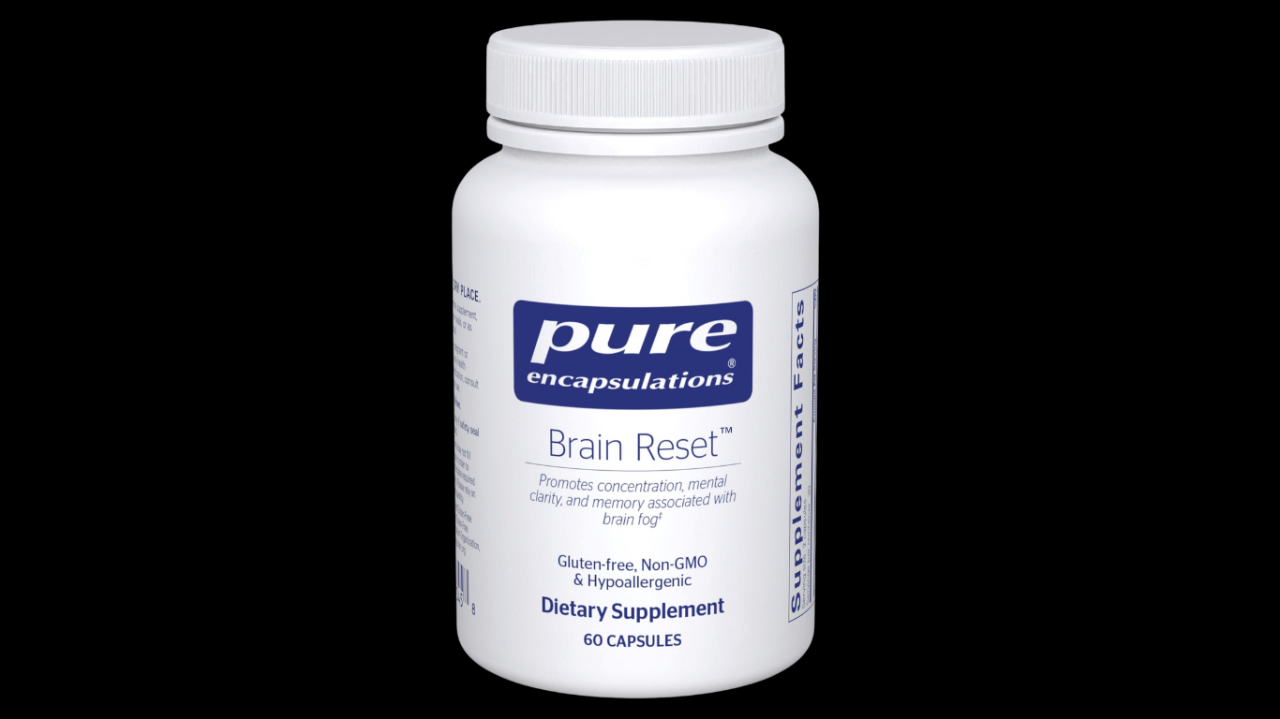
In summary, understanding the role of daily vitamins for brain fog allows us to take proactive steps toward improving our cognitive health. By addressing nutritional deficiencies and integrating brain-boosting vitamins into our diets, we can combat the challenges of mental fatigue. Coupled with lifestyle changes and professional guidance, these insights pave the way for a clearer, sharper mind.
Frequently Asked Questions
What are the signs of brain fog?
Signs of brain fog include difficulty concentrating, forgetfulness, mental fatigue, and a lack of motivation.
Can vitamins alone cure brain fog?
Vitamins can help alleviate brain fog, but they should be part of a holistic approach that includes a balanced diet and healthy lifestyle.
How long does it take for vitamins to improve brain function?
Improvements can vary, but many people notice changes within a few weeks of consistent vitamin intake.
Are there any side effects of taking too many vitamins?
Yes, excessive vitamin intake can lead to toxicity and adverse effects, so it’s essential to follow recommended dosages.
Do supplements work as well as food sources?
While supplements can be beneficial, obtaining vitamins from food sources is often more effective due to the synergistic effects of other nutrients.

Leave a Reply