

Daily vitamin pack is an essential addition to your health routine, designed to bridge the nutritional gap in our diets. With busy lifestyles and varied eating habits, it can be challenging to obtain all the necessary vitamins and minerals purely from food. This is where daily vitamin packs come into play, ensuring that your body receives the vital nutrients required for optimal functioning and overall wellness.
The importance of daily vitamin packs cannot be overstated, as they support various bodily functions, from boosting immunity to enhancing energy levels. By preventing deficiencies and providing a balanced intake of essential nutrients, daily vitamin packs cater to a wide range of health needs and lifestyle choices.
The importance of daily vitamin packs for overall health and wellness

In our fast-paced world, maintaining a balanced diet can be challenging. Daily vitamin packs offer a convenient solution to help bridge the nutritional gaps that can arise from our dietary choices. These packs are designed to provide a comprehensive blend of essential vitamins and minerals that support overall health and wellness. Regular consumption of these packs ensures that the body receives adequate nutrients to function optimally.
Daily vitamin packs play a critical role in contributing to a balanced diet. They are tailored to deliver the recommended daily allowances (RDAs) of vitamins, which help nourish the body and maintain its vital functions. For instance, vitamins such as A, C, D, E, and the B-complex group are essential for various physiological processes. Vitamin A is important for vision and immune function, while Vitamin C is known for its antioxidant properties and role in collagen synthesis. Vitamin D aids in calcium absorption, crucial for bone health, and the B vitamins are involved in energy production and metabolism.
The body relies on these vitamins to perform a multitude of tasks efficiently. A deficiency in any of these essential nutrients can lead to significant health issues. For example, a lack of Vitamin D can result in weakened bones and increased risk of fractures. Vitamin B12 deficiency can lead to anemia and neurological issues. By integrating daily vitamin packs into the diet, individuals can help prevent such deficiencies and support their overall health.
Common vitamin deficiencies and their solutions
Understanding common vitamin deficiencies and how daily vitamin packs can address them is crucial for maintaining health. Ensuring that we receive adequate amounts of these essential nutrients helps prevent various health complications. Below are some prevalent deficiencies and the corresponding vitamins that can be included in daily packs to mitigate these issues:
- Vitamin D Deficiency: This vitamin is vital for bone health and immune function. Daily vitamin packs often contain Vitamin D3, which helps improve calcium absorption and supports bone density.
- Vitamin B12 Deficiency: Essential for nerve function and red blood cell production, Vitamin B12 is often included in daily packs, especially for individuals on vegetarian or vegan diets who may not get enough from food sources.
- Vitamin C Deficiency: Known for its immune-boosting properties, Vitamin C is crucial for skin health and wound healing. Daily vitamin packs typically provide a sufficient dosage of this vitamin to help prevent scurvy and enhance overall immunity.
- Iron Deficiency: While not a vitamin, iron is frequently included in vitamin packs due to its importance in oxygen transport. Iron deficiency can lead to anemia, causing fatigue and weakness, making iron-rich packs beneficial.
Including these vitamins and minerals in daily packs ensures a well-rounded approach to nutrition, empowering individuals to maintain their health and prevent deficiencies effectively. The convenience of daily vitamin packs provides an easy way to support a busy lifestyle while prioritizing health and wellness.
Key ingredients typically found in a daily vitamin pack and their benefits
Daily vitamin packs aim to provide essential nutrients that support overall health and well-being. These packs often include a variety of vitamins and minerals, each contributing to different bodily functions. Understanding the key ingredients can help individuals make informed choices about their nutritional needs.
The inclusion of specific vitamins and minerals in daily vitamin packs is designed to enhance health by addressing common deficiencies and supporting various bodily processes. Below, we delve into some of the most essential vitamins and minerals typically found in these packs and their associated health benefits.
Essential Vitamins and Minerals
Daily vitamin packs typically contain a range of essential nutrients. Here are five key ingredients along with their health benefits:
- Vitamin C: Known for its powerful antioxidant properties, Vitamin C contributes to immune function, skin health, and collagen synthesis. It helps protect the body against oxidative stress and supports the healing of wounds.
- Vitamin D: This vitamin plays a crucial role in calcium absorption and bone health. Insufficient vitamin D levels can lead to weakened bones and increased risk of fractures. It also supports the immune system and may improve mood.
- Vitamin B12: Essential for red blood cell production and neurological function, Vitamin B12 is particularly important for vegetarians and vegans, as it is primarily found in animal products. It helps in energy production and cognitive health.
- Zinc: This mineral is vital for immune function, wound healing, and DNA synthesis. Zinc also plays a role in taste and smell, and its deficiency can lead to various health issues, including hair loss and delayed healing.
- Magnesium: Involved in over 300 biochemical reactions in the body, magnesium supports muscle and nerve function, blood sugar control, and blood pressure regulation. It also helps with sleep quality and may reduce anxiety and depression symptoms.
The synergy of these vitamins and minerals enhances their effectiveness, allowing them to work together to support optimal health. For example, vitamin D and magnesium collaborate to improve bone density, while vitamins B12 and C can support cognitive function when taken together. This interplay ensures that the body can efficiently utilize these nutrients for various physiological processes, promoting overall well-being.
“The combination of essential vitamins and minerals not only targets individual health concerns but also fosters a holistic approach to nutrition.”
Different types of daily vitamin packs available in the market today
Daily vitamin packs have become an integral part of wellness routines, providing essential nutrients in convenient formats. Manufacturers have innovated various formulations to cater to different preferences and lifestyles. This discussion will explore three prevalent types of daily vitamin packs: gummies, capsules, and powders, highlighting their unique features, benefits, and drawbacks.
Formulations of Daily Vitamin Packs
Each type of daily vitamin pack offers distinct advantages and challenges regarding absorption and convenience. Understanding these can help consumers make informed choices based on their individual needs.
- Gummies:
Gummies are a popular choice, especially among those who may struggle with swallowing pills. They often come in various flavors that appeal to both adults and children. Their primary advantage is the palatable taste, which encourages regular consumption.“Gummies make taking vitamins feel more like a treat than a chore.”
However, they may contain added sugars and lower concentrations of nutrients compared to other forms. Popular brands include Vitafusion, known for its delicious fruit flavors, and Olly, which emphasizes a blend of essential nutrients tailored for different health goals.
- Capsules:
Capsules are one of the most traditional forms of vitamin supplements. They are easy to store, have a longer shelf life, and can offer higher doses of nutrients. The capsule format allows for quicker absorption since the body can break down the gelatin or vegetable casing efficiently.“Capsules provide concentrated doses of vitamins, ideal for specific health needs.”
On the downside, some individuals may find them difficult to swallow or experience discomfort during digestion. Brands like Garden of Life focus on whole-food ingredients, while Nature Made ensures their products are USP verified for quality.
- Powders:
Powdered vitamins are versatile and can be easily mixed into smoothies, shakes, or other foods. They provide the flexibility to customize dosages and can contain a wide range of nutrients. Their absorption rate can be high, as they often come in forms that the body can readily assimilate.“Powders allow for creative incorporation into daily meals, enhancing nutrient intake effortlessly.”
However, the taste and texture may not appeal to everyone, and they require preparation, which can be less convenient. Popular brands include Vital Proteins, known for collagen-based powders, and Orgain, which offers plant-based protein powders enriched with vitamins and minerals.
How to choose the right daily vitamin pack for individual needs
Selecting the appropriate daily vitamin pack can significantly enhance your health and well-being. It’s important to consider individual factors such as age, gender, and lifestyle in order to tailor your vitamin intake to your specific needs. This ensures that you not only meet but also optimize your health goals.
When choosing a daily vitamin pack, several factors come into play that can help in making an informed decision.
Factors to consider when selecting a daily vitamin pack
Understanding the specific needs that arise from different life stages and lifestyles is crucial. Here are key considerations:
- Age: Nutritional requirements change over time. For instance, children require vitamins for growth and development, while older adults often need supplements for bone health and cognitive support.
- Gender: Men and women have different vitamin needs. Women may need additional iron during menstruation, whereas men might benefit from higher levels of zinc for reproductive health.
- Lifestyle: Active individuals or athletes may need more protein and B vitamins for energy, while those with sedentary lifestyles might focus on supplements that aid metabolism and weight management.
Common health goals and corresponding vitamin packs
Identifying your health goals can streamline your search for the right vitamin pack. Below are some common goals and suitable vitamin options:
- Energy Boosting: Look for vitamin packs rich in B vitamins, such as B1, B2, B6, and B12, which play a key role in energy metabolism.
- Immune Support: A vitamin pack containing vitamin C, vitamin D, and zinc can help strengthen the immune system, especially during cold and flu seasons.
- Bone Health: Supplement packs with calcium and vitamin D are essential for maintaining bone density and preventing osteoporosis.
Reading nutrition labels for informed choices
Understanding how to read nutrition labels is vital for making educated purchases. Key points to focus on include:
- Ingredient List: Look for whole food sources or recognizable ingredients rather than artificial additives.
- Nutrient Amounts: Check the percent daily value (%DV) to see if the vitamin pack provides adequate amounts based on your dietary needs.
- Dosage Instructions: Follow the recommended dosages to avoid excessive intake, which can be harmful.
“A well-chosen vitamin pack can fill nutritional gaps, supporting overall health and wellness.”
The role of daily vitamin packs in specific demographics and lifestyles
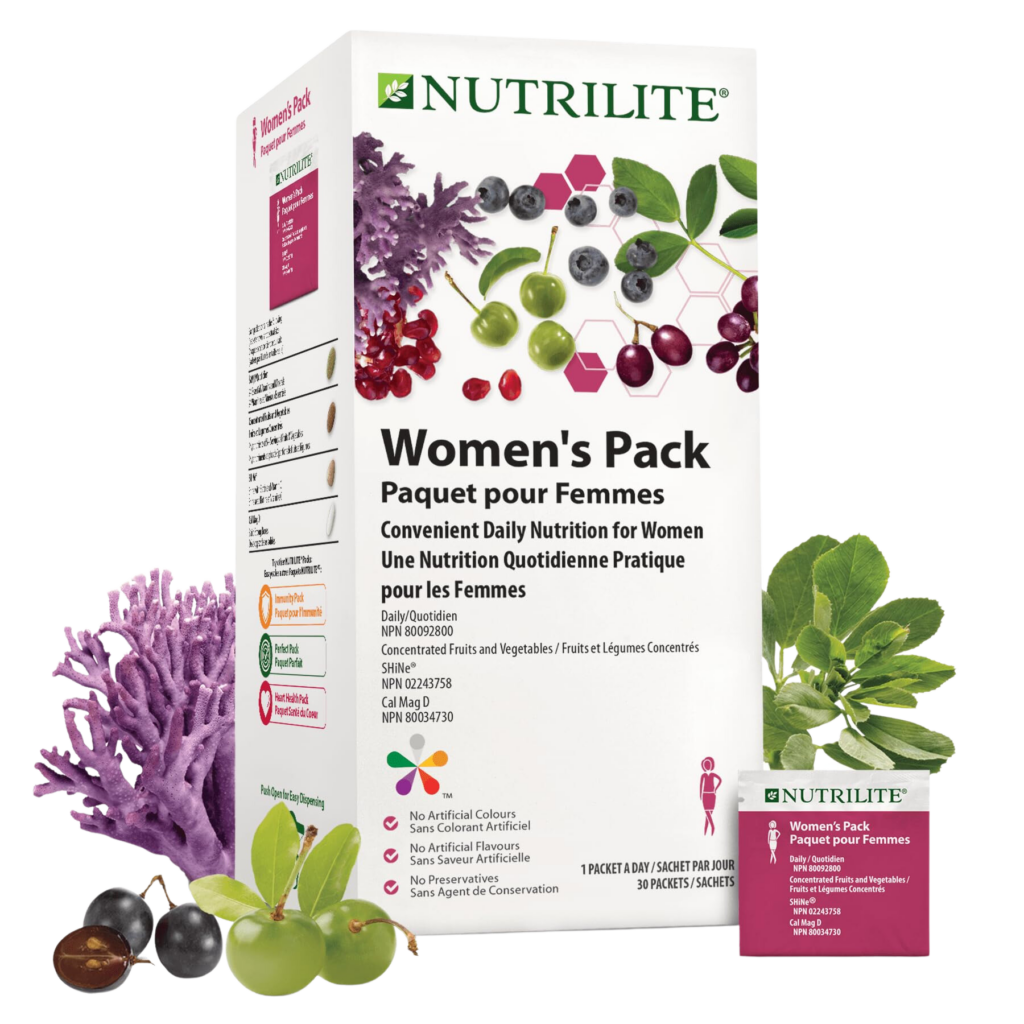
Daily vitamin packs have become an integral part of health and wellness routines across various demographics. These tailored supplements cater to the unique nutritional requirements of different age groups and lifestyles, ensuring individuals receive the essential vitamins and minerals needed for optimal health. By addressing the specific needs of children, seniors, athletes, and pregnant women, vitamin packs offer a convenient solution to bridge nutritional gaps caused by diet or lifestyle choices.
Children’s Nutritional Needs
Daily vitamin packs for children are specifically formulated to support their growth and development. These packs often contain essential nutrients like vitamin D, calcium, and iron, which are vital for bone growth and overall health. Children may require additional nutrients due to selective eating habits, making these supplements beneficial in ensuring they receive adequate nutrition.
- Vitamin A: Supports vision and immune function.
- Vitamin C: Promotes healthy skin and aids in the absorption of iron.
- B Vitamins: Important for energy levels and brain development.
Seniors’ Nutritional Requirements
As individuals age, their nutritional needs change significantly. Daily vitamin packs for seniors often focus on promoting bone health, cognitive function, and immune support. These packs typically include vitamins D and B12, calcium, and antioxidants like vitamin E to combat aging.
- Vitamin D: Enhances calcium absorption for stronger bones.
- B12: Supports nerve health and cognitive function.
- Antioxidants: Help reduce oxidative stress, promoting longevity.
Athletes’ Supplementation Needs
Athletes often have higher nutritional demands due to increased physical activity. Daily vitamin packs designed for this demographic focus on enhancing performance, recovery, and overall energy levels. These packs typically include electrolytes, vitamin C, and B vitamins to support metabolism and muscle recovery.
- Electrolytes: Important for hydration and muscle function.
- Vitamin C: Aids in recovery and reduces exercise-induced oxidative stress.
- B Vitamins: Essential for energy production and stamina.
Nutritional Needs for Pregnant Women
Pregnant women have unique nutritional requirements that are crucial for both maternal and fetal health. Daily vitamin packs for this demographic usually include folic acid, iron, and DHA, which are essential for fetal development and preventing deficiencies during pregnancy.
- Folic Acid: Reduces the risk of neural tube defects in the fetus.
- Iron: Supports increased blood volume and prevents anemia.
- DHA: Important for brain development in the growing fetus.
Lifestyle Influences on Vitamin Pack Requirements
Lifestyle choices, such as vegetarianism or high physical activity levels, greatly influence the types of vitamins and minerals individuals may require. Those following a vegetarian or vegan diet might need extra B12, iron, and omega-3 fatty acids, as these nutrients are typically found in animal products. Conversely, highly active individuals may need increased levels of electrolytes and B vitamins to support energy production and recovery.
“Tailoring vitamin packs to specific lifestyles and dietary choices ensures that individuals receive the vital nutrients they need to thrive.”
By understanding the unique needs associated with various demographics and lifestyles, daily vitamin packs can be effectively customized to promote health and wellness across the board.
The science behind absorption and effectiveness of vitamins in daily packs
The absorption and effectiveness of vitamins from daily packs hinge on complex biochemical processes that enable the body to utilize these nutrients. Understanding these mechanisms offers insight into why these vitamin packs can be an essential part of daily health regimens.
The body absorbs vitamins through various pathways in the digestive system, primarily in the intestines. Vitamins can be categorized into two main types: water-soluble and fat-soluble. Water-soluble vitamins, such as Vitamin C and B-complex vitamins, are absorbed directly into the bloodstream and require adequate hydration for optimal absorption. Conversely, fat-soluble vitamins (A, D, E, K) need dietary fats to facilitate absorption. The presence of bile acids, which are released during fat digestion, enhances the uptake of these fat-soluble vitamins.
Factors affecting vitamin absorption
Certain factors can significantly influence the absorption of vitamins from daily packs, either enhancing or inhibiting the process. Understanding these factors is crucial for maximizing the benefits of supplementation.
Key factors affecting vitamin absorption include:
- Dietary Composition: A diet rich in healthy fats can improve the absorption of fat-soluble vitamins. For instance, consuming avocado or olive oil alongside vitamin D supplements can enhance its bioavailability.
- Gastrointestinal Health: Conditions such as celiac disease or irritable bowel syndrome can impede absorption by damaging the intestinal lining or altering gut flora, which may lead to deficiencies even when taking supplements.
- Age and Metabolism: As people age, the efficiency of nutrient absorption decreases. Older adults may require higher doses to achieve the same nutrient levels as younger individuals.
- Interactions with Other Nutrients: Certain vitamins can compete for absorption. For example, high doses of zinc can inhibit copper absorption, which is essential for various bodily functions.
- Formulation of Supplement: Daily vitamin packs that combine vitamins with minerals or other compounds designed to enhance absorption can significantly improve effectiveness. For example, a vitamin D supplement paired with magnesium can optimize its absorption and utilization in the body.
Scientific studies support the effectiveness of daily vitamin packs in enhancing nutrient intake. For instance, a study published in the “Journal of Nutrition” indicated that individuals taking a daily multivitamin showed improved nutrient status compared to those who did not supplement. Another research analysis demonstrated that daily vitamin packs can significantly reduce the risk of deficiencies, especially in populations with limited dietary variety.
“Regular intake of multivitamins helps in bridging nutritional gaps in everyday diets.”
The science behind vitamin absorption emphasizes the importance of both the formulation of vitamin packs and individual health factors. By understanding these elements, consumers can make informed choices about their daily supplementation to achieve optimal health outcomes.
Common misconceptions about daily vitamin packs and supplements
Many individuals hold misconceptions about daily vitamin packs and supplements, often leading to confusion regarding their necessity and effectiveness. Misunderstandings can stem from anecdotal evidence, misinformation, or a lack of knowledge about nutrition. This segment aims to clarify these myths, providing factual information to help individuals make informed decisions about their health.
A common belief is that daily vitamin packs can replace a balanced diet. While supplements can help bridge nutritional gaps, they should not substitute for whole foods, which offer a complex array of nutrients that work synergistically. Furthermore, some people may forgo vitamin supplements due to the misconception that a well-balanced diet alone is sufficient, missing out on the additional benefits that targeted supplementation can provide. Factors like lifestyle, age, and health conditions can increase nutritional needs, making supplements beneficial.
Prevalent myths surrounding daily vitamin packs
Understanding the misconceptions surrounding daily vitamin packs is vital for making informed decisions about their use. Below are some widespread myths and the factual information that debunks them:
- Myth: All supplements are the same. In reality, the quality and bioavailability of supplements can vary greatly between brands. It’s essential to choose reputable brands that undergo third-party testing to ensure efficacy and safety.
- Myth: Natural supplements are always safe. While many natural supplements are beneficial, they can interact with medications or have side effects. Always consult a healthcare professional before starting any new supplement.
- Myth: You can get all necessary nutrients from food alone. Though a balanced diet is crucial, factors such as soil depletion, food processing, and individual health needs may create gaps that supplements can fill.
- Myth: Vitamin packs can lead to toxicity. While excessive intake of certain vitamins can lead to toxicity, properly formulated daily packs are designed to provide safe and effective dosages tailored to individual needs.
“Supplements are meant to complement the diet, not replace healthy eating habits.”
Expert opinions reinforce the understanding of daily vitamin intake. Registered dietitians and nutritionists often emphasize that while a diverse diet is fundamental, supplements can play a crucial role in maintaining optimal health, particularly for specific populations such as the elderly, pregnant women, or those with dietary restrictions. They can provide necessary nutrients that are often lacking in modern diets, helping to support overall health and prevent deficiencies.
Ultimately, distinguishing fact from fiction regarding daily vitamin packs is essential to harness their benefits effectively while maintaining a balanced diet.
The environmental impact of daily vitamin pack production and consumption
The production and consumption of daily vitamin packs pose notable environmental challenges. From resource extraction to manufacturing processes and the eventual waste generated, the life cycle of these products raises essential questions about sustainability and ecological responsibility. Understanding this impact is crucial for consumers looking to make informed choices.
Sustainability of packaging materials
The materials used in packaging daily vitamin packs significantly affect their environmental footprint. Traditional packaging often involves plastics that are not biodegradable and contribute to pollution and landfill issues. However, many brands are now shifting towards sustainable packaging solutions, prioritizing materials that minimize environmental harm.
Eco-friendly packaging options may include:
- Biodegradable materials: These materials break down naturally, reducing waste accumulation and pollution. Examples include plant-based plastics and compostable films.
- Recyclable packaging: Some brands utilize recyclable materials like glass or certain plastics, encouraging consumers to recycle after use.
- Minimalist packaging: Brands that focus on reducing excess packaging not only cut down on waste but also lower their carbon footprint during production and transportation.
By selecting products with sustainable packaging, consumers can contribute to reduced environmental impact.
Eco-friendly brands prioritizing sustainability
Several brands have emerged as leaders in sustainable practices when it comes to daily vitamin packs. These companies not only focus on the efficacy of their products but also on their environmental responsibilities.
Some notable brands include:
- SmartyPants: This brand emphasizes using non-GMO ingredients and eco-friendly packaging, ensuring their products are as friendly to the earth as they are to consumers.
- Garden of Life: Known for their whole food vitamins, Garden of Life commits to organic ingredients and sustainable sourcing, alongside recyclable packaging.
- Ritual: Ritual vitamins are packaged in a reusable container designed to minimize waste, and they prioritize transparency about ingredient sourcing.
These brands set a benchmark for others by demonstrating that sustainability and quality can coexist in the health supplement industry.
Making environmentally-conscious choices
Consumers play a pivotal role in promoting sustainability through their purchasing choices. By being mindful of the products they select, individuals can drive demand for eco-friendly practices within the industry.
To make environmentally-conscious choices regarding vitamin packs, consumers can:
- Research product ingredients and sourcing practices, favoring brands that prioritize sustainability.
- Opt for bulk purchases or refills to reduce packaging waste.
- Support brands that utilize sustainable shipping methods, such as carbon offsetting.
- Engage in local recycling programs or initiatives to properly dispose of vitamin pack containers.
By following these guidelines, consumers can significantly reduce their environmental impact and encourage the industry to adopt more sustainable practices.
Closure
In conclusion, integrating a daily vitamin pack into your routine can significantly enhance your health and well-being. Whether you’re addressing specific deficiencies, aiming for improved energy, or supporting a unique lifestyle, these vitamin packs offer a convenient solution. As you consider your options, keep in mind the benefits of tailored nutrition and make informed choices to support your journey toward better health.
Common Queries
What are daily vitamin packs?
Daily vitamin packs are convenient supplements that contain a blend of essential vitamins and minerals designed to support overall health.
Who should take daily vitamin packs?
They are beneficial for anyone looking to improve their nutritional intake, particularly those with dietary restrictions, busy lifestyles, or specific health goals.
Can daily vitamin packs replace a balanced diet?
No, they are meant to complement a balanced diet, not replace it. Whole foods should still be the primary source of nutrition.
How do I know which daily vitamin pack is right for me?
Consider factors like your age, gender, lifestyle, and specific health goals when choosing a vitamin pack, and consult with a healthcare professional if needed.
Are there any side effects of taking daily vitamin packs?
While generally safe, some individuals may experience mild side effects like stomach upset. It’s important to follow dosage instructions.
How should daily vitamin packs be stored?
They should be stored in a cool, dry place away from direct sunlight to maintain their effectiveness.

Leave a Reply