
Did you know that about 90% of adults in the United States don’t eat the recommended five cups of fruits and vegetables daily? This shocking fact shows a big gap in our eating habits. We often get lost in the sea of conflicting advice on what to eat.

Finding our way through the modern food world is tough. We think knowing the nutrition essentials is key to lasting health and wellness. By sticking to these core principles, we can ignore the fleeting trends and fad diets.
Understanding these basics helps us make choices backed by science. Even as dietary advice changes, the need for a diet rich in nutrients stays the same. By embracing these nutrition essentials, we can take charge of our health and energy every day.
Key Takeaways
- Most American adults do not meet the daily intake goals for fruits and vegetables.
- Conflicting dietary information often makes healthy eating feel complicated.
- Focusing on core dietary principles provides a stable foundation for long-term health.
- Science-backed choices are more effective than following temporary fad diets.
- Prioritizing nutrient-dense foods is the most reliable way to improve daily wellness.
Understanding the Basics of Nutrition Essentials
To stay healthy, we need to know the basics of what our bodies need. Our bodies work like machines that need the right fuel to run well. Learning about nutrition essentials helps us make better food choices every day.
What Are Nutrition Essentials?
Important nutrients are the key parts in our food. They give us energy and help our bodies grow and repair. Whether we eat plants or animals, we aim to get the right mix of nutrients.
A balanced diet is key for health. It makes sure we get all the nutrients we need. Without them, we might feel tired, get sick easily, and face health problems later.
Benefits of Proper Nutrition
Getting the right important nutrients improves our lives a lot. A good diet keeps us energetic and sharp. It also helps prevent serious diseases like heart disease and diabetes.
The table below shows the main types of nutrients and what they do for us:
| Nutrient Category | Primary Function | Common Sources |
|---|---|---|
| Proteins | Tissue repair and growth | Meat, beans, nuts |
| Carbohydrates | Primary energy source | Grains, fruits, vegetables |
| Fats | Cell health and energy | Oils, seeds, avocados |
| Vitamins/Minerals | Metabolic regulation | Leafy greens, dairy, eggs |
By focusing on these nutrition essentials, we give our bodies what they need to live well. Making smart food choices is the best way to take care of our health now and in the future.
The Role of Macronutrients in Your Diet
Macronutrients are key to our health. They give us energy and support our bodies every day. By balancing these important nutrients, we boost our health and performance.
Carbohydrates: The Body’s Main Fuel Source
Carbohydrates are our main energy source. They power our brains and bodies, from simple tasks to intense workouts. But, not all carbs are good for us.
We should choose complex carbs like whole grains, legumes, and veggies. They give us energy steadily. Avoiding refined sugars helps prevent energy crashes.
Proteins: Building Blocks of the Body
Proteins help repair tissues and support our body’s functions. Many think eating lots of protein builds muscle. But, exercise is key to muscle growth, and protein helps repair it.
It’s best to eat a variety of protein sources. Include lean meats, fish, beans, and nuts. This ensures we get all the amino acids we need.
Fats: Essential for Health and Energy
Healthy fats are crucial for our survival. They protect our organs and help us stay warm. They also help us absorb fat-soluble vitamins like A, D, E, and K.
Eating foods rich in healthy fats, like avocados and olive oil, is good for us. These fats carry nutrients our bodies need.
| Macronutrient | Primary Function | Best Sources |
|---|---|---|
| Carbohydrates | Energy Production | Whole Grains, Fruits |
| Proteins | Tissue Repair | Lean Meats, Legumes |
| Fats | Vitamin Absorption | Nuts, Olive Oil |
Importance of Micronutrients for Overall Health
Macronutrients give us energy, but micronutrients are key for our body’s inner workings. These include vitamins and minerals, needed in small amounts but crucial for our health. Without them, our bodies can’t keep up with the complex chemical reactions that keep us alive.
Key Vitamins to Include in Your Diet
We need to focus on essential vitamins to keep our bodies running well. For example, Vitamin D helps us absorb calcium, which is vital for strong bones. Without these nutrients, our immune system and how we process food can be affected.
“Nutrition is the foundation of health, and micronutrients are the bricks that build the structure of our well-being.”
Essential Minerals and Their Functions
Our bodies also need key minerals to keep our systems in balance. Magnesium is important for healthy nerves and muscles, and it helps control blood pressure and sugar levels. Calcium works with these minerals to keep our bones strong and healthy over time.
| Micronutrient | Primary Function | Common Source |
|---|---|---|
| Vitamin D | Calcium absorption | Sunlight, fatty fish |
| Magnesium | Nerve and muscle health | Leafy greens, nuts |
| Calcium | Bone density | Dairy, fortified foods |
| Iron | Oxygen transport | Red meat, beans |
Knowing what our bodies need helps us make sure we’re getting the right nutrients. Consistent intake of these nutrients is key to avoiding deficiencies and staying healthy. We suggest everyone pay attention to what they eat to ensure they’re getting these essential nutrients.
Hydration: The Overlooked Nutrition Essential
To keep your health in top shape, don’t forget to drink plenty of water. It’s as important as essential vitamins. Water is in every part of your body and is key to staying alive. It helps move nutrients and keeps your body cool.
How Much Water Do You Really Need?
Your water needs change based on how active you are, where you live, and your health. While eight glasses a day is common advice, you might need more if you’re active or in a hot place. Proper hydration helps your blood carry oxygen and nutrients to your cells.
Water is like the primary nutrient that helps your body work well. Without enough, your body can’t function at its best. Listen to your body’s thirst signals instead of just drinking by the clock.
The Impact of Dehydration on Health
Not drinking enough water can really affect your body. It can make your joints hurt because cartilage, which is mostly water, loses its cushion. It also makes it harder for your body to cool down when you exercise.
Drinking enough water helps your body use other nutrients, like those in essential vitamins. Here’s how different levels of hydration affect you:
| Hydration Status | Physical Symptom | Body Function Impact |
|---|---|---|
| Optimal | High energy levels | Efficient nutrient transport |
| Mild Dehydration | Headaches and fatigue | Reduced cognitive focus |
| Severe Dehydration | Joint pain and dizziness | Impaired temperature regulation |
Prioritizing your water intake is a simple yet powerful step toward better health. By keeping your body well-hydrated, you ensure that every system functions at its best. Don’t wait until you feel thirsty to drink water.
The Power of Whole Foods
Changing your diet starts with choosing real, unprocessed foods over easy options. Eating nutrient-rich foods gives your body the fuel it needs to perform well. This simple change can greatly improve how you feel every day.
What Constitutes Whole Foods?
Whole foods are as natural as possible. They include fresh fruits, veggies, legumes, nuts, seeds, and whole grains. Nature provides everything we need in these simple, unrefined packages.
By choosing these nutrient-rich foods, we avoid harmful additives found in many modern foods. When shopping, pick items with only one ingredient on the label. If the list is long and hard to say, it’s probably processed.
Benefits of Eating Whole over Processed Foods
Choosing whole foods over processed ones is better for your health in the long run. Processed foods often have hidden sodium, unhealthy fats, and sugars that cause inflammation. Whole grains and fresh produce help you avoid these.
One big plus of nutrient-rich foods is their high fiber content. Fiber helps slow down sugar absorption, preventing quick energy drops. This keeps you feeling full and energized longer after eating.
Embracing real food is a strong way to fight chronic diseases and boost your energy. Making small, consistent changes in your kitchen can lead to big improvements in your health.
Understanding Nutrition Labels
Shopping for healthy food can seem like a puzzle. Many people glance at labels, but true health literacy requires a closer look. By following nutritional guidelines, we can ignore marketing tricks and focus on what’s good for us.
How to Read and Interpret Nutrition Labels
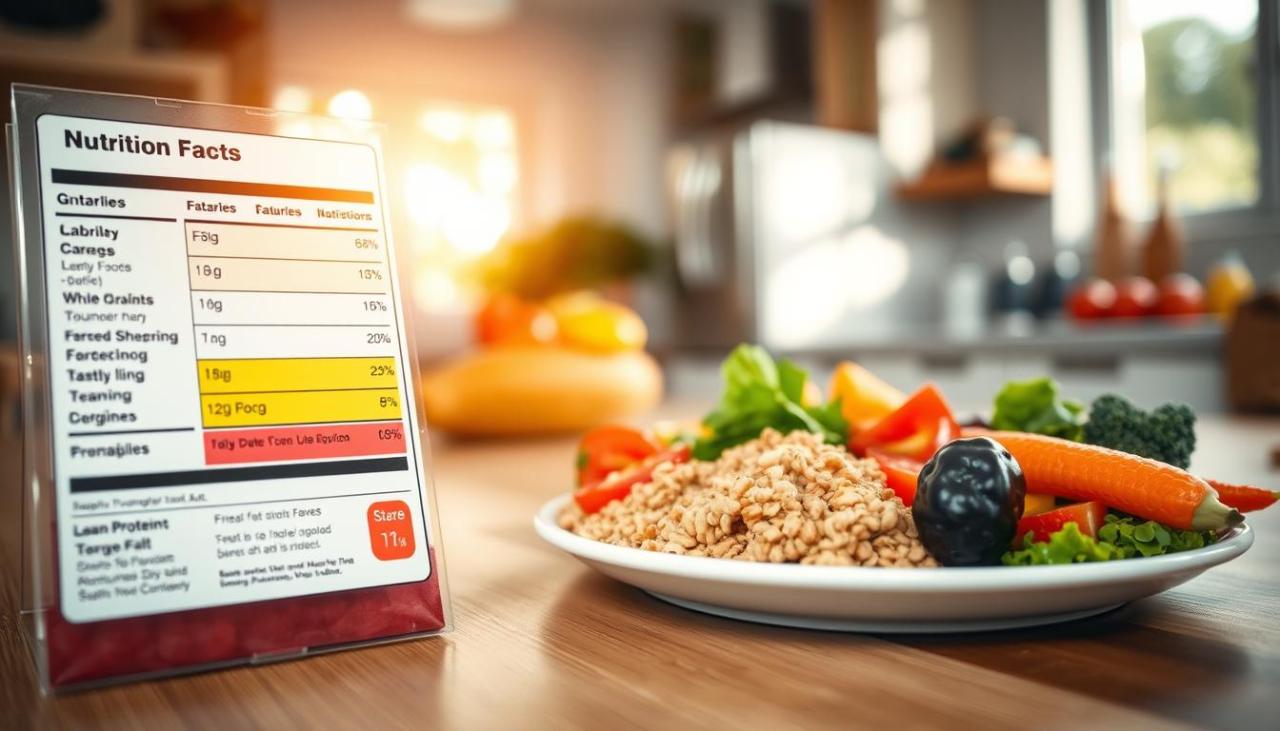
The key part of any package is the nutrition facts panel and the ingredient list. Start by checking the serving size, as it sets the values for the rest of the label. Always check the ingredient list to see if it’s made from whole, recognizable parts.
Choosing nutrient-rich foods means looking for short ingredient lists. If you can’t pronounce an ingredient or don’t know it, it’s probably processed. Paying attention to these details helps you shop for your health.
Common Misleading Claims to Avoid
Marketing teams use buzzwords to make products seem better than they are. For example, “natural” has no standard definition from the USDA or FDA. This label often means the product has refined ingredients.
Many “low-fat” products have too much sugar or sodium to make up for taste. It’s crucial to compare the nutrition facts panel to these claims. By being careful, you can fill your cart with nutrient-rich foods that are good for you, not just marketing.
Special Considerations for Different Age Groups
Changing how we eat is crucial for staying healthy at every age. Our bodies need different things as we grow older. By following the right nutritional guidelines, we can keep our bodies strong and healthy.
Nutritional Needs for Children and Adolescents
Kids need a healthy diet to grow and play well. They need lots of calories for their fast growth and lots of activity. Foods rich in nutrients give them energy for their brains and bodies.
Teenagers go through big growth spurts, needing more protein and calcium. Starting healthy eating habits early can prevent health problems later. Eating a variety of whole foods helps kids set a good example for their adult years.
Dietary Requirements for Seniors
As we get older, we need fewer calories but more nutrients. Seniors should focus on key minerals like calcium and magnesium to keep bones strong. They also need a diet rich in fiber and healthy fats for heart health.
Drinking enough water and absorbing vitamins can be hard for older adults. Following specific nutritional guidelines helps them manage these challenges. Eating foods rich in key minerals or taking supplements can greatly improve their quality of life.
| Life Stage | Primary Focus | Key Nutrient Needs |
|---|---|---|
| Children | Growth & Energy | Protein, Calcium, Iron |
| Adolescents | Development | Protein, Vitamin D, Zinc |
| Seniors | Maintenance & Health | Fiber, Calcium, B12 |
The Emotional Side of Nutrition
Our mental health is closely linked to what we eat every day. We often think about how food affects our body, but it also impacts our brain. Seeing food as a way to keep our minds stable can improve our daily life.

How Nutrition Affects Mental Health
Bad diets can lead to obesity and diseases like Type 2 diabetes. They also cause brain fog and tiredness. Eating too much sugar makes us feel angry and tired.
“Let food be thy medicine and medicine be thy food.”
Eating foods rich in nutrients helps our mood and brain work better. Vitamins and minerals help make chemicals that control our feelings. Eating whole foods gives our brain the energy it needs to stay sharp.
Recognizing Emotional Eating Habits
Many of us eat when we’re stressed or sad. This can hide our true feelings instead of solving them. Knowing why we eat emotionally is the first step to a healthier diet.
Instead of eating to feel better, we can be mindful of our hunger. Not dieting too hard lets us enjoy food without guilt. This way, we feel more at peace and emotionally stable.
| Food Category | Mental Impact | Recommended Frequency |
|---|---|---|
| Refined Sugars | Mood instability | Limit strictly |
| Leafy Greens | Cognitive clarity | Daily |
| Omega-3 Fats | Brain health | Several times weekly |
| Processed Snacks | Brain fog | Avoid |
By focusing on key foods, we change how we see food. We move from stress to balance. Our food choices today shape our mental strength for tomorrow.
Building Balanced Meals
Many find that lasting health comes from simple meals. A balanced diet keeps energy levels up all day. It’s all about the right mix of nutrients.
Components of a Balanced Plate
A good plate starts with quality protein. Make sure to include protein at every meal. This gives your body the essential building blocks it needs.
Then, fill half your plate with colorful, fiber-rich veggies. They offer vital nutrients and keep you full longer. Add a small portion of complex carbs and healthy fats for sustained energy.
Tips for Meal Planning and Prep
Sticking to a routine is key for healthy eating habits. Meal planning helps avoid skipping meals and overeating later. It keeps your diet on track.
Set aside time each week for prep work. Prepare grains, roasted veggies, or pre-cooked proteins. This makes it easy to make healthy meals, even when you’re busy.
Don’t forget about portion control. It’s as crucial as the quality of your food. By controlling portions and staying consistent, you support your health goals.
Resources for Continuing Your Nutrition Education
Starting your wellness journey is just the first step. It’s important to keep learning as science changes fast. This helps keep your healthy eating habits up to date.
Check out Nutrition.gov for the latest from the United States Department of Agriculture. It has tools to help you understand what you eat and how it affects you.
Local workshops are a great way to meet experts in your area. Talking to a registered dietitian can give you advice that fits your body’s needs.
Creating lasting healthy eating habits is rewarding. It boosts your energy and makes you feel better. Keep looking for new research and ways to improve your diet every day.