
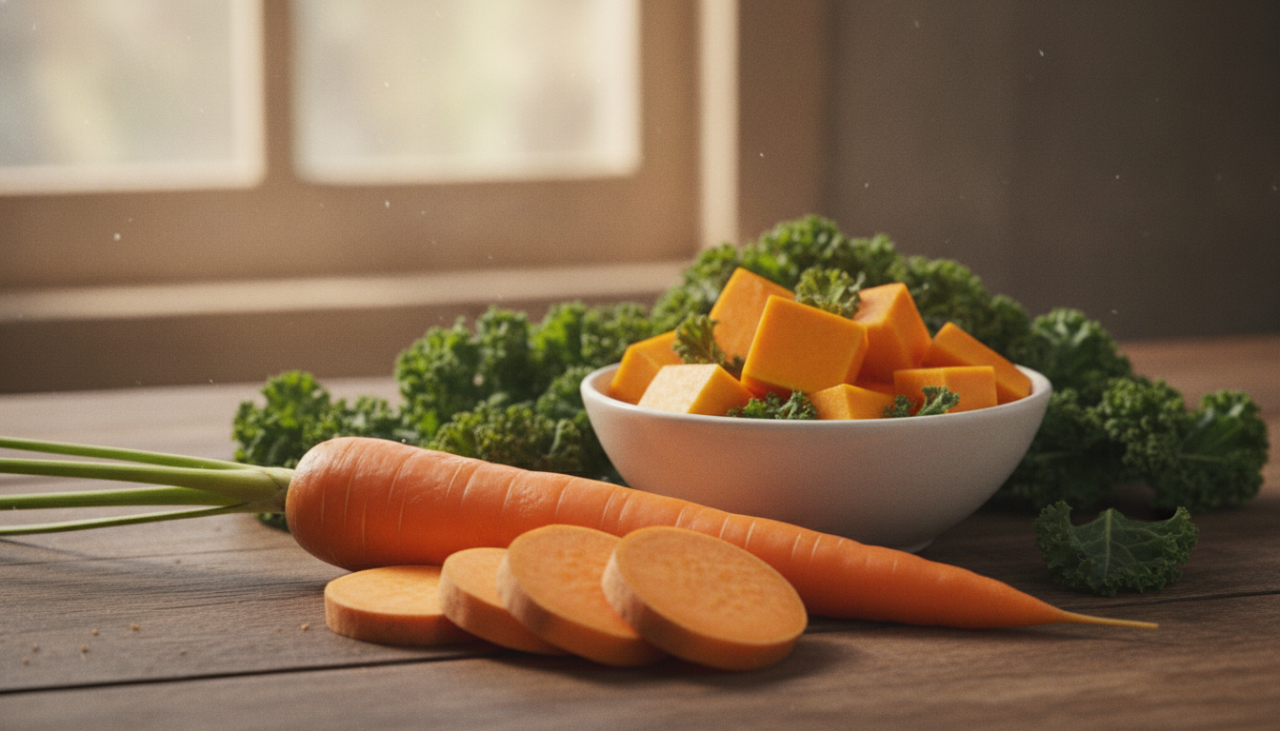
Your body turns colorful food pigments into fuel for healthy eyes and a strong immune system. Although many people link nutrients to animal products, colorful, earth-grown foods can meet our needs. These carotenoid-rich vegetables and leafy greens give your body key building blocks.
We explain how these natural compounds support vision, healthy skin, and growth. Unlike preformed retinol, they offer a safer, more sustainable way to nourish your cells. Learn about our wellness work by exploring our team at vitalsg.com/about-us. Understanding plant-based vitamin A can help you build a more vibrant life.
This guide explores the best food choices and preparation methods for better absorption. Mastering plant-based vitamin A intake can support a balanced diet and long-term vitality.
Key Takeaways
- Colorful produce provides essential carotenoids that the body converts into vital nutrients.
- These nutrients are crucial for maintaining sharp vision and a robust immune system.
- Proper preparation methods significantly improve how your body absorbs these compounds.
- A diverse diet rich in greens and orange vegetables supports healthy skin and growth.
- Understanding your nutritional needs helps prevent deficiencies and promotes overall wellness.
What is Plant-Based Vitamin A?
Exploring vegan vitamin A shows how our bodies use nutrients from nature. Unlike animal sources, plants provide precursors that the body changes into an active form.
Definition and Importance
Plant-based vitamin A mainly appears as provitamin A carotenoids. These pigments occur in colorful fruits and vegetables, which digestion changes into active retinol.
Because vitamin A is fat-soluble, the body stores it in the liver instead of removing it at once. This storage process makes regular intake of nutrient-rich foods important for long-term health. We measure these values with Retinol Activity Equivalents (RAE), which reflect how well the body converts plant compounds.
Types of Plant-Based Vitamin A
Several carotenoids form the basis of vegan vitamin A in our diets. Animal products contain preformed retinol, but plants provide antioxidants that perform similar roles after processing.
Common types of these helpful compounds include:
- Beta-carotene: The most well-known precursor, abundant in orange and yellow produce.
- Alpha-carotene: A potent antioxidant that supports cellular health.
- Beta-cryptoxanthin: A carotenoid found in various fruits that contributes to overall wellness.
Eating many colorful foods gives our bodies the building blocks needed to thrive. Consistency is key when we depend on these plant sources for daily nutrition.
Health Benefits of Plant-Based Vitamin A
Adding natural vitamin A to daily meals helps protect vital body systems. Colorful, carotenoid-rich foods give the body building blocks for long-term wellness. Eating varied sources provides balanced nutrients instead of relying on one ingredient.
Supports Eye Health
Our eyes need natural vitamin A for clear vision, especially in low light. It helps form rhodopsin, an eye protein that lets us see in the dark. Too little can cause night blindness and harm retinal health.
Boosts Immune Function
A strong immune system depends on epithelial barriers, the body’s first defense against pathogens. Natural vitamin A helps maintain these linings in the respiratory, gastrointestinal, and urinary tracts. Deficiency raises infection risk, while illness often increases the body’s need for this nutrient.
Supports Skin Health
Beyond internal protection, natural vitamin A helps keep skin healthy. It supports new cell production and regulates turnover, keeping the skin barrier strong. Enough carotenoids help the body defend against environmental stressors that damage skin over time.
| Biological System | Primary Benefit | Impact of Deficiency |
|---|---|---|
| Vision | Enhances night vision | Increased risk of blindness |
| Immunity | Strengthens epithelial barriers | Higher susceptibility to infection |
| Skin | Promotes cell turnover | Dryness and poor healing |
| Overall Health | Provides natural vitamin A | Compromised systemic function |
Plant-Based Sources of Vitamin A
Adding plant-derived vitamin A to our diet is easier than many people think. Colorful vegetables help us meet our nutrition goals while enjoying tasty, whole foods. They provide beta-carotene, which our bodies change into the active vitamin A needed for good health.
Carrots: The Classic Choice
Carrots are a famous source of plant-derived vitamin A. These crunchy roots contain beta-carotene, which gives them their bright orange color. Eat them raw or add them to soups for a steady boost to your daily intake.
Sweet Potatoes: A Nutrient Powerhouse
Sweet potatoes are a true nutrient powerhouse. One medium sweet potato can provide more than the recommended daily amount of vitamin A. Roast or mash them to make this plant-derived vitamin A source a weekly staple.
“The most effective way to ensure you are getting enough vitamins is to eat a diverse range of colorful, whole plant foods every single day.”
Leafy Greens: Spinach and Kale
Dark leafy greens, such as spinach and kale, make excellent additions to any plate. Though rich in nutrients, they have better texture and digestibility after gentle cooking. Adding a little healthy fat, such as olive oil, helps the body absorb plant-derived vitamin A more efficiently.
| Vegetable | Serving Size | Vitamin A Contribution |
|---|---|---|
| Sweet Potato | 1 medium | Very High |
| Carrots | 1 cup chopped | High |
| Cooked Spinach | 1/2 cup | Moderate to High |
| Kale | 1 cup raw | Moderate |
Rotating these vegetables through our meals provides a steady supply of plant-derived vitamin A. Steam greens or roast roots; these simple habits support our long-term wellness goals.
Top Fruits High in Plant-Based Vitamin A
We can diversify our diet with colorful, nutrient-dense fruits that support health. Vegetables provide most of these nutrients, but fruits offer a sweet, convenient way to increase daily beta-carotene. Pair these fruits with leafy greens or root vegetables for a well-rounded nutritional profile.
Mangoes: A Sweet Option
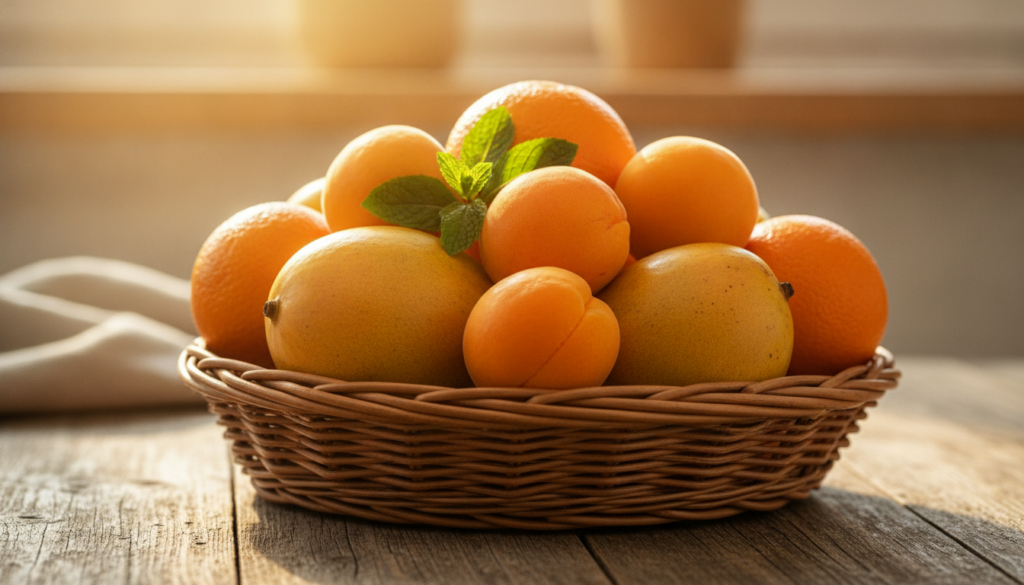
Mangoes are a colorful, tropical choice for anyone wanting more variety on their plate. They taste delicious and provide a solid dose of provitamin A carotenoids. Add them to morning smoothies, yogurt bowls, or spicy salsas for a refreshing twist.
“Eating a variety of colorful fruits and vegetables is the simplest way to ensure your body receives the essential nutrients it needs to thrive.”
Cantaloupe: A Refreshing Delight
Cantaloupe is a strong fruit-based source of vitamin A. It supplies more vitamin A per cup than mango, making it an efficient snack. This melon helps maintain healthy beta-carotene levels throughout the day.
Enjoy cantaloupe fresh, cubed, or blended into chilled soups. Mixing these fruits with other sources of beta-carotene helps us reach wellness goals without boring meals. Consistency is key when building a sustainable, plant-based lifestyle.
Incorporating Plant-Based Vitamin A into Your Diet
Adding natural retinol alternatives to your meals can support better wellness. Healthy eating should feel enjoyable, not like a chore. Colorful, whole foods help meet your nutrition needs while introducing new flavors.
Meal Ideas and Recipes
One favorite use for these ingredients is making creamy pumpkin mac and cheese. We blend pureed pumpkin with olive oil and nutritional yeast for a rich, savory sauce. This dish shows how plant-based meals can feel indulgent.
At breakfast, add grated carrots or sweet potato puree to oatmeal or smoothies. These retinol alternatives mix easily into fruit drinks, adding color and nutrients without greatly changing the taste. You can also add roasted kale or spinach to lunch salads for nutrients throughout the day.
Tips for Maximizing Nutrient Intake
Because bodies convert provitamin A carotenoids at different rates, include a generous variety of sources. These nutrients are fat-soluble, so your body needs some healthy fat to absorb them well.
Pair vitamin A-rich vegetables with healthy fats like avocado, seeds, nuts, or high-quality oils. Olive oil on roasted carrots or walnuts in spinach salad can significantly improve nutrient uptake. For steady benefits, include these pairings in at least two meals daily.
| Plant Source | Healthy Fat Pairing | Best Serving Method |
|---|---|---|
| Sweet Potatoes | Avocado Oil | Roasted or Baked |
| Spinach | Sunflower Seeds | Lightly Sautéed |
| Carrots | Almond Butter | Raw or Steamed |
| Pumpkin | Olive Oil | Pureed in Sauces |
By testing these combinations, you can improve your intake of retinol alternatives while enjoying varied, flavorful meals. Small, steady changes can support long-term overall health.
Deficiency Symptoms of Vitamin A
When your body lacks enough organic vitamin A, it may send clear signals that something is wrong. These signs may seem subtle at first but can worsen when you ignore the nutritional gap. Understanding these warnings can help support your overall well-being.
Recognizing the Signs
One common early sign of deficiency is night blindness, which makes low-light vision difficult. You might also notice lasting dry eyes or irritation that standard eye drops do not relieve. In severe cases, cornea damage can occur and requires immediate medical attention.
A lack of organic vitamin A can cause dry, scaly skin or excessive hair loss. This nutrient also supports immune health, so frequent infections may occur. Wounds may also heal slowly.
At-Risk Populations
Children face particular risk because their bodies need many nutrients for rapid growth and development. People following highly restricted diets may also lack enough organic vitamin A without careful meal planning.
People with limited access to diverse, nutrient-dense foods also face higher risk. These symptoms alone cannot diagnose a deficiency. If you suspect one, consult a qualified healthcare professional before taking new supplements. Professional guidance helps address your health needs safely and effectively.
Plant-Based Vitamin A vs. Animal Sources
Choosing a vegetarian vitamin A path requires understanding how bodies convert nutrients. Animal products provide preformed retinol, while plants offer provitamin A carotenoids, such as beta-carotene. These forms work differently within our biological systems.
Nutrient Bioavailability
The body processes these nutrients differently from person to person. Genetics, age, and overall health affect how well carotenoids become active vitamin A. The Retinol Activity Equivalent (RAE) measures these differences.
Absorption is not a static process. Dietary fats help carry these fat-soluble nutrients through the body. Cooking or chopping vegetables can release more of these important compounds.
Dietary Considerations
A vegetarian vitamin A plan can work well with careful planning. Choose many colorful fruits and vegetables to meet daily needs. Regular intake and healthy fats help the body use plant nutrients.
| Feature | Animal Sources (Retinol) | Plant Sources (Carotenoids) |
|---|---|---|
| Form | Preformed Vitamin A | Provitamin A |
| Absorption | High bioavailability | Requires conversion |
| Dietary Need | Direct utilization | Depends on fat intake |
| Primary Benefit | Immediate availability | Antioxidant support |
Maintaining balanced vegetarian vitamin A intake means considering individual nutritional needs. Diversifying your plates can support long-term health and vitality.
Common Myths about Vitamin A
Nutrition myths can make vitamin A and carotenoids confusing. Old advice may hide what healthy eating really means. Knowing the facts can support better long-term wellness.
The Truth Behind Orange-colored Foods
Many people believe only orange produce provides much vitamin A. Carrots and sweet potatoes are rich in beta-carotene, but they are not the only sources. Dark green leafy vegetables also contain high levels of these essential carotenoids.
Color does not show whether a food has nutritional value. Spinach, kale, and collard greens are excellent choices, offering nutrients that support overall health. These sources can help us build more varied plates.
Plant-Based vs. Synthetic Supplements
Another myth compares natural food sources with synthetic additives. plant-derived carotenoids work differently in the body than preformed retinol in some supplements. Learn more by visiting the Harvard T.H. Chan School of Public guide on this topic.
Supplements may seem like a quick fix, but they have different safety concerns. High-dose synthetic versions can lead to toxicity from excessive intake, while whole foods rarely cause this problem. We strongly recommend that you seek professional guidance from a healthcare provider before adding high-dose supplements to your daily routine.
Conclusion and Key Takeaways
Optimal health starts with colorful choices at every meal. Eating varied produce gives our bodies nutrients for clear vision, strong immunity, and healthy skin.
Adding Plant-based vitamin A to daily meals is a simple, powerful way to support vitality. We can get these nutrients from carrots, sweet potatoes, leafy greens, mangoes, and cantaloupe. These foods provide building blocks for growth and cellular repair.
Optimizing Your Nutrient Absorption
Our bodies process these nutrients best when we pair them with a small amount of healthy fat. This helps convert carotenoids into active forms that our cells use. Individual needs vary with genetics and lifestyle, so we should listen closely to our bodies.
Try diverse recipes that highlight these nutrient-dense ingredients. If you notice lasting deficiency signs or have intake questions, consult a qualified healthcare provider or registered dietitian. Informed, balanced food choices help us maintain well-being for years.