
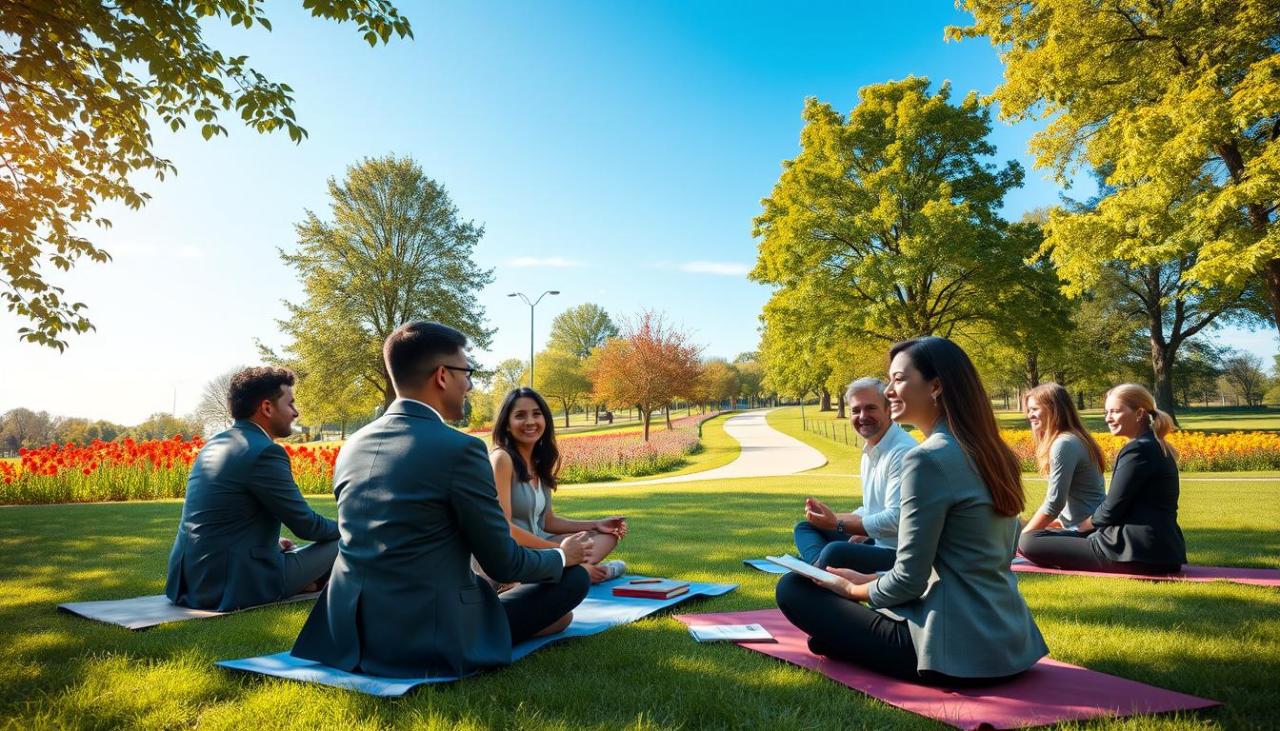
A Gallup survey found that 14% of Americans struggle to do their daily tasks. This shows a big problem in our society where feeling tired is common.
We often go too far and don’t give ourselves time to rest. Prioritizing our health is key to doing well in the long run. By making small, steady changes, we can get our energy back.
Starting our journey to better energy and wellness is easy. We need to move from quick solutions to lasting habits that help our bodies. Let’s see how these habits change our daily lives.
Key Takeaways
- Small, consistent habits lead to significant improvements in daily vitality.
- Modern lifestyles often contribute to chronic feelings of depletion.
- Prioritizing personal health is essential for achieving long-term goals.
- Proactive approaches help us reclaim our natural state of vigor.
- Simple lifestyle adjustments create a foundation for lasting success.
Understanding the Connection Between Energy and Wellness
Looking into how our body and mind work together shows the heart of holistic health. We often see our body and mind as separate, but they’re really one system. Taking care of one helps the other.
How Energy Levels Impact Daily Life
When we’re low on energy, even simple tasks feel hard. Our focus might wander, making it tough to work or enjoy hobbies. This drop in energy and wellness can make us feel frustrated and less accomplished.
Consistency is crucial for keeping energy up all day. Spotting signs of tiredness early helps us slow down and avoid burnout. Being aware of these changes helps us stay productive without harming our health.
The Role of Mental Health in Wellness
Our mood greatly affects how we feel physically. Stress or anxiety can make us feel tired, even if we’ve slept well. Keeping our mind clear is key to staying motivated and reaching our goals.
It’s important to remember that emotional balance is key to our well-being. Managing stress well lets our body heal and grow. This balance helps us face life’s challenges with strength.
Integrating Physical and Emotional Wellness
True holistic health means taking care of both our body and mind. Ignoring our mental signals can make us feel off. By focusing on both, we build a strong base for a lively life.
This way, our energy and wellness match our values. We suggest seeing health as a single journey, not separate habits. This view helps us keep the energy for a full and active life.
Nutrition’s Role in Energy Boosting
True holistic health starts with our food choices. Seeing food as fuel helps us see how it affects our energy and focus.
Eating for Energy: Key Food Groups
To keep energy up, we need foods that release glucose slowly. Refined sugars cause quick energy highs and then crashes, hurting our work.
Low glycemic index foods are better. They keep our energy steady. Add these to your meals:
- Whole grains like oats, quinoa, and brown rice.
- High-fiber veggies like broccoli, spinach, and kale.
- Healthy fats in nuts, seeds, and olive oil.
Hydration: The Overlooked Essential
Even a little dehydration hurts our energy and brain work. We often think we’re hungry or tired when we’re just thirsty.
“Proper hydration is the cornerstone of metabolic efficiency and sustained vitality throughout the day.”
Drinking enough water helps our cells and energy. Keep a water bottle with you to stay hydrated easily.
The Importance of Balanced Meals
Having balance on our plates is key for health. A good meal has carbs, proteins, and fats.
This mix helps avoid energy drops in the afternoon. Planning meals helps our bodies stay strong in a busy world.
Exercise: A Natural Energy Enhancer
Physical movement can change how we feel every day. Doing regular activities is key to keeping our energy up. It boosts blood flow and brain health, making us feel better.
Finding the Right Workout for You
Finding a workout you like is crucial. Try swimming, cycling, or walking to see what works for you. Starting slow is better than trying too hard too soon.
Choose activities that make you feel good, not tired. When you enjoy what you’re doing, it’s easier to make it a daily habit.
Benefits of Regular Physical Activity
Exercise does more than build muscle. It boosts your mental and physical health. The American Heart Association recommends 150 minutes of moderate exercise or 75 minutes of vigorous exercise per week for best results.
Meeting these goals can improve your mood and energy. Regular exercise is a great way to reduce stress and stay focused on daily tasks.
Incorporating Movement into Your Day
You don’t need a gym to stay active. Small changes can make a big difference. Try taking the stairs or going for a walk during lunch.
These small steps help you meet your weekly goals. By making movement a part of your routine, you support your long-term health and energy.
Quality Sleep and Its Impact on Wellness
Quality sleep is key for our well-being. It helps our bodies heal and our minds remember. Without enough sleep, we struggle to handle daily stress.
Understanding Sleep Cycles
Sleep is not just one state but a series of cycles. Each cycle has light sleep, deep sleep, and REM sleep. Deep sleep is crucial for healing and keeping our immune system strong.
We go through these stages many times each night. Missing these cycles makes us feel tired and unfocused. Knowing about these cycles shows why getting enough sleep is so important.
Tips for Improving Sleep Quality
Adults should aim for seven to nine hours of sleep each night. Making this time a priority is a big part of self-care. It boosts our energy and mood.
Try to avoid caffeine and big meals before bed. Having a calming routine before sleep helps your brain relax. These small changes can make a big difference in your well-being.
Creating a Sleep-Friendly Environment
Your bedroom should be a peaceful place for rest. Keep it cool, dark, and quiet for the best sleep. Comfortable bedding is also a simple way to take care of yourself.
Remove electronic devices from your bedroom to avoid blue light. A calm space helps your sleep be restorative. This supports your health and keeps your energy up.
Mindfulness and Stress Management Techniques
Mindfulness is a way to take back energy lost to stress. When we’re always stressed, our bodies make too much cortisol. This uses up our energy and makes us tired. By changing our habits, we can calm our bodies and minds.
The Benefits of Meditation
Meditation helps quiet the noise of a busy life. Just five minutes a day can lower stress and clear our minds. Consistency is key to keep our minds calm, even when things get tough.
“The present moment is filled with joy and happiness. If you are attentive, you will see it.”
Breathing Exercises to Increase Energy
Feeling tired? Try specific breathing patterns to boost your energy. Box breathing is one method. Breathe in for four seconds, hold for four, breathe out for four, and hold again for four. Do this four times to feel calm and focused.
Incorporating Mindfulness into Everyday Life
You don’t need to meditate for hours to benefit from mindfulness. Simple actions like mindful walking or eating can help us stay present. For more tips, check out 7 daily vitamin guide tips for stress management.
| Technique | Primary Benefit | Time Required |
|---|---|---|
| Box Breathing | Immediate Calm | 2 Minutes |
| Guided Meditation | Mental Clarity | 10 Minutes |
| Mindful Walking | Stress Reduction | 5 Minutes |
Adding these small practices to your day can protect you from burnout. By embracing mindfulness, we can face challenges with ease and keep our energy up.
Building Healthy Daily Routines
Starting your health journey is all about small, easy steps. Creating a routine makes healthy choices feel natural. By being mindful with our schedules, we can live in sync with our natural energy.

Morning Rituals for an Energized Day
How we start our day sets the tone for the rest of it. Try simple habits like drinking water or stretching as soon as you wake up. These actions wake up your body and get your mind ready for the day.
The Importance of Breaks and Downtime
Keeping a healthy balance means taking breaks from screens. Use habit stacking, like taking a deep breath after an email or stretching while waiting for coffee. These short breaks prevent burnout and keep your focus sharp.
See these breaks as key to staying productive, not as lost time. Adding mindfulness to our breaks lets our nervous system recharge. This keeps us energized, even when work gets tough.
Establishing an Evening Routine
A good day ends with a calm wind-down. Dim the lights and turn off devices an hour before bed. This is crucial for your body and mind to recover.
Following these evening steps improves your sleep and makes you feel refreshed in the morning. Consistency is the secret to making these habits a lasting part of your life.
The Power of Positive Relationships
We often forget how our interactions with others affect our emotional health. While we focus on diet and exercise, our social bonds are key to our well-being. Building strong connections helps us handle life’s stress better.
Connecting with Others for Emotional Health
Talking to a trusted friend or family member helps us manage stress. Sharing our worries prevents them from draining our energy. Opening up helps us tackle challenges and stay vital all week.
Creating a Supportive Network
Having a reliable group of people is crucial for success. We grow when surrounded by those who support and encourage us. Strong social ties help us face life’s hurdles with optimism.
Here are ways to boost your network:
- Schedule regular check-ins with family members.
- Engage in active listening during conversations.
- Seek out mentors who inspire your personal journey.
The Role of Community in Wellness
Joining a community group or local organization boosts our sense of belonging. These groups give us a shared goal, keeping us motivated. Being part of a group reminds us we’re not alone in our quest for emotional health and vitality.
“The support of a community is the bedrock upon which we build our most sustainable habits.”
Setting Goals for Your Energy and Wellness Journey
We believe that lasting change starts with intentional goal setting. When you know what you want to achieve, you have a clear plan. This helps you stay focused on your energy and wellness and see real results over time.

SMART Goals: A Framework for Success
To make your dreams come true, use the SMART framework. It makes sure your goals are Specific, Measurable, Achievable, Relevant, and Time-bound. This way, you know exactly what you’re working towards.
For instance, instead of saying “I want to feel better,” aim to “walk for twenty minutes every morning before work.” This clear goal makes it easier to track your progress and stay on track.
Tracking Progress and Celebrating Achievements
Keeping an eye on your daily habits can really boost your motivation. Small wins build momentum and confidence, helping you stick to healthy habits. Seeing your successes helps you remember why your health matters.
Don’t overlook the importance of celebrating your achievements. Use a journal or app to mark your progress. Every step forward counts, even if it seems small.
Adjusting Goals as You Evolve
Life is always changing, and so should your approach to well-being. As things change, you might need to tweak your goals. Be flexible and kind to yourself during these times.
If a routine stops working for you, it’s okay to change. Adaptability is key to long-term success. It lets you keep moving forward, even when life gets unpredictable.
Conclusion: Embracing a Lifestyle of Energy and Wellness
Seeing health as a journey, not a goal, is key to lasting vitality. Small, consistent actions have a big impact on your daily life. These habits lay the groundwork for long-term success.
Learn more about holistic well-being body mind and rest to understand their connection. Adding these practices to your life boosts your energy and purpose. Be patient as you adjust your routines.
Talking about your progress with loved ones makes wellness easier to maintain. Their support helps you face challenges and celebrate wins. Start improving your life today by picking one simple habit to focus on.