
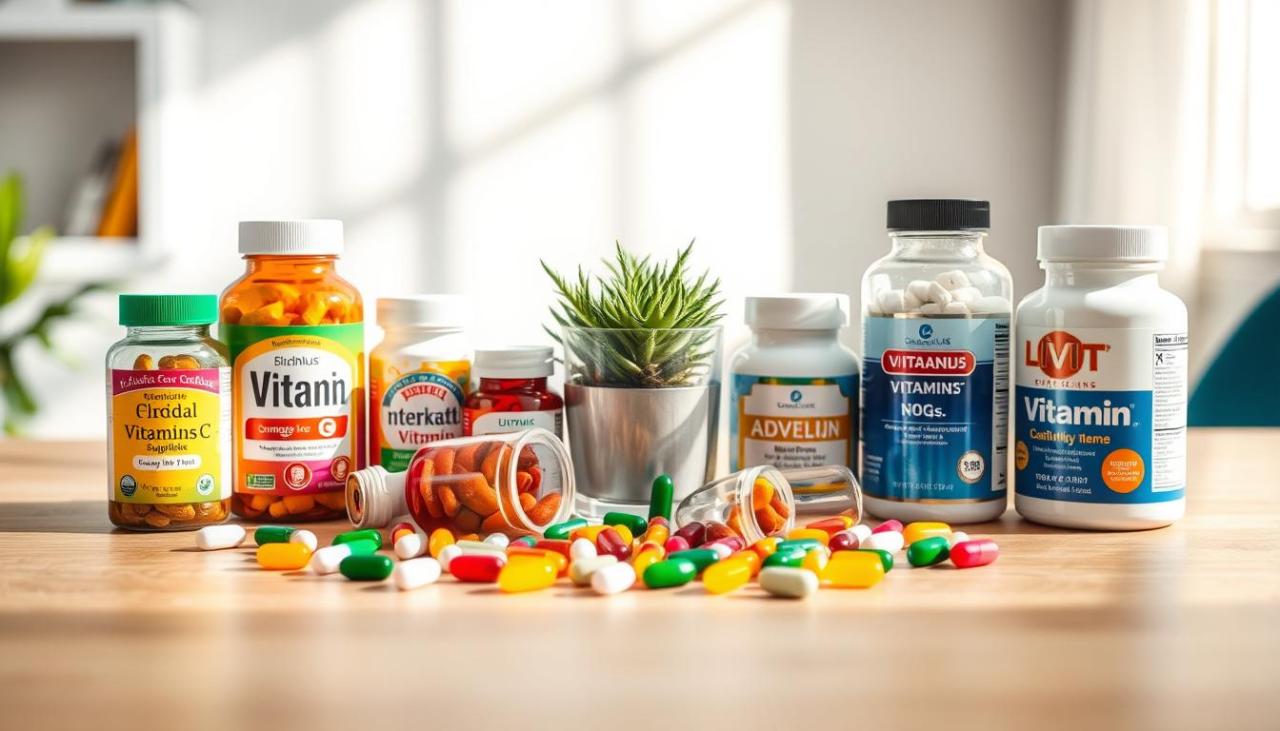
Did you know nearly half of Americans don’t get enough nutrients from food? True wellness starts with balanced nutrition. Adding routine daily vitamins can help, but they’re not a diet replacement.
Our bodies do best with whole foods that give lasting energy and support heart health. Looking into the best vitamins and minerals for energy is a good step. But, remember, extra supplements don’t help if your levels are already normal.
We aim to guide you in making smart choices about your daily nutrition. By focusing on what your body needs, we can build lasting strength and energy. Let’s look at how to approach supplements safely and wisely.
Key Takeaways
- Supplements should complement, not replace, a nutrient-dense diet.
- Excessive intake of nutrients offers no health advantage when levels are already sufficient.
- Whole foods remain the primary source for essential minerals and energy-boosting compounds.
- Understanding your specific health needs is crucial before starting any new regimen.
- Prioritizing heart health and sustained energy starts with consistent, mindful eating habits.
Importance of Taking Daily Vitamins
Understanding essential vitamins is key to a healthy life. Our bodies need specific nutrients to work well. Taking these nutrients daily helps us stay healthy and perform better.
Benefits of Routine Vitamins
Vitamins keep our immune system, bones, and muscles strong. They help us avoid feeling tired or weak. Consistency is truly the secret to feeling great all week.
Many people stay focused at work thanks to vitamins. They support our skin and help us recover after exercise. These nutrients are crucial for our daily lives.
Impact on Overall Health
Some nutrients, like iron, are vital for our blood health. Without enough, we feel tired and weak. Magnesium helps turn glucose into energy, keeping our metabolism going.
“Nutrition is the fundamental pillar of health, providing the chemical signals our bodies need to repair, grow, and thrive every single day.”
Ignoring essential vitamins can make us feel sluggish. Our bodies need these nutrients to stay healthy. Giving our bodies what they need helps us live well.
| Nutrient | Primary Function | Common Source |
|---|---|---|
| Iron | Oxygen transport | Spinach, Red Meat |
| Magnesium | Energy production | Nuts, Seeds |
| Vitamin D | Bone strength | Sunlight, Fortified Milk |
Vitamins vs. Supplements
It’s important to know the difference between vitamins in food and supplements. Foods give us fiber, antioxidants, and minerals. Supplements fill gaps or address deficiencies.
While supplements are helpful, they shouldn’t replace a balanced diet. We see essential vitamins from food as our main source. Supplements are a backup. This way, we get the most from our diet.
Common Vitamins to Include in Your Routine
When we search for the best daily vitamins, we find key nutrients are essential. Our needs vary based on our lifestyle, age, and diet. Supplements can help, but they’re not a fix for all health issues.
It’s smart to learn about essential nutrients and how they affect our bodies. By choosing high-quality sources, we can create a routine that supports our health goals.
Vitamin D
Vitamin D is crucial for strong bones and a healthy immune system. Many of us don’t get enough sunlight, which is needed for Vitamin D. Taking it regularly helps our bodies use calcium better.
Vitamin C
Vitamin C boosts our immune system and skin health. While it’s popular for cold prevention, it doesn’t work for most people. Instead, it acts as an antioxidant, protecting our cells from harm.
“A healthy diet is the foundation of wellness, but targeted supplementation can provide the extra support our bodies need to thrive in a modern environment.”
Vitamin B12
Vitamin B12 is key for healthy blood and nerve cells. It also helps make DNA. People on plant-based diets often need this vitamin, as it’s mainly found in animal products.
Omega-3 Fatty Acids
Omega-3 fatty acids are important for heart and brain health. We can get them from fatty fish or high-quality fish oil supplements.
| Nutrient | Primary Benefit | Common Food Source |
|---|---|---|
| Vitamin D | Bone Health | Fortified Milk |
| Vitamin C | Immune Support | Citrus Fruits |
| Vitamin B12 | Nerve Function | Meat and Eggs |
| Omega-3 | Heart Health | Fatty Fish |
How to Choose the Right Vitamins
Choosing the right vitamin supplements is about matching your health goals with science. We need to look past marketing to find real support for our health.
Assessing Your Dietary Needs
Start by checking your diet and lifestyle. Ask if you’re getting enough nutrients from food. Think about your unique life stage or any dietary limits you have.
Feeling tired, having brittle nails, or catching colds often can mean you need more nutrients. Keeping a food diary for a week can show where you’re lacking.
Consulting with Healthcare Professionals
Talk to a doctor before starting vitamin supplements, if you’re on meds. They can spot any bad interactions.
Getting blood tests is the best way to check for deficiencies. These tests give clear data, helping you avoid too much supplementation.
Reading Labels and Dosages
Look at the label for serving size and nutrient forms. Make sure the Daily Value (DV) percentages are right to avoid too much.
Watch out for similar ingredients in different products to avoid too much. Check the expiration date and look for third-party testing to ensure quality and safety of your vitamin supplements.
| Factor | What to Check | Why It Matters |
|---|---|---|
| Nutrient Form | Bioavailability | Ensures better absorption |
| Dosage | Upper Limits | Prevents toxicity risks |
| Ingredients | Allergens | Avoids negative reactions |
| Certification | Third-Party Seals | Guarantees product purity |
The Role of Multivitamins in Daily Health
Even with a balanced diet, daily multivitamins can be a helpful backup. It’s hard to get every nutrient from food alone. These supplements help fill in the gaps, not replace whole foods.

What to Look For in a Multivitamin
When picking daily multivitamins, choose ones that match your age and gender. Check the label to avoid too much of any nutrient. Be careful of ingredients that overlap with other supplements.
For example, if you take calcium separately, make sure you’re not getting too much Vitamin D. Look for brands that have third-party testing. This ensures the product is what it claims to be.
Potential Benefits of Multivitamins
daily multivitamins help keep your body’s nutrient levels steady. They support your metabolism and energy. They’re not a magic fix, but they help when your diet isn’t perfect.
| Feature | What to Prioritize | What to Avoid |
|---|---|---|
| Nutrient Levels | Balanced daily values | Excessive megadoses |
| Quality Control | Third-party certification | Unverified labels |
| Formulation | Age-appropriate blends | Generic one-size-fits-all |
| Safety | Total intake calculation | Ignoring ingredient overlap |
Finding the right daily multivitamins takes some effort. Focus on quality and what you need. This way, you support your health goals over time.
Timing: When to Take Your Vitamins
Finding the right time to take your supplements can make a big difference. It’s not just about following a clock. It’s about making a routine that fits your life.
Morning vs. Evening
Many people take their vitamins in the morning to start their day off right. This is great for vitamins like B-complex that give you energy. Taking them in the morning helps you stay on track, even when you’re busy.
On the other hand, some people prefer to take their vitamins at night. If you’re taking something to help you relax, like magnesium, nighttime is best. The key is to find a time that works for you and stick to it.
With Meals or on an Empty Stomach
When you take your vitamins is important too. Fat-soluble vitamins like Vitamin D work best with healthy fats. So, taking them with breakfast or lunch is a good idea.
Some vitamins might upset your stomach if taken on an empty stomach. If you get queasy, try taking them with a meal. The goal is to make taking vitamins a habit that helps your health.
How Vitamins Support Immune Function
Vitamins play a big role in keeping our immune system strong. They help our body fight off sickness and disease. A good diet is key, but certain immune-supporting vitamins are extra important for our health.
Key Vitamins for Immune Support
Some vitamins are crucial for our immune system. Vitamin C is well-known for its role in fighting off infections. It helps our cells work better to destroy harmful germs.
Vitamin D immune health is also very important. It helps our immune system not overreact. This way, our body can keep itself safe from germs more effectively.
The Science Behind Immune Health
Our immune system has two main parts: innate and adaptive. The innate system acts fast, while the adaptive system remembers threats. Adaptive immunity is special because it remembers and fights off germs better over time.
Vitamins help our immune system by supporting T-cells and B-cells. These cells are like our immune system’s soldiers. Getting enough vitamins helps our immune system work together better.
| Nutrient | Primary Immune Role | Key Benefit |
|---|---|---|
| Vitamin C | Antioxidant support | Enhances white blood cell function |
| Vitamin D | Immune modulation | Supports antimicrobial peptide production |
| Vitamin A | Barrier maintenance | Protects skin and mucosal integrity |
| Zinc | Cell signaling | Assists in T-cell development |
Addressing Myths About Vitamins
It’s key to know the truth when we’re trying to stay healthy. We often hear vitamin myths that say supplements can fix all health problems. But, believing these myths without checking the facts can cost us money or even harm our health.
Common Misconceptions
Many think that taking more vitamins means more energy or better health. But, our bodies can only use so much at a time. Too much is just thrown out, offering no extra benefits.
Another myth is that supplements can replace a healthy diet. Nutrients in food work together with other compounds that pills can’t match. Supplements are meant to fill gaps, not replace eating well.
“The best way to get your nutrients is through a balanced diet, not a bottle.”
Evidence-Based Facts
Looking at evidence-based vitamin facts, we see that supplements work best when we really need them. For example, too much Vitamin E can be risky for some people. Taking too much Vitamin C can cause stomach problems like cramps or diarrhea.
It’s better to focus on quality and need, not just how much. Taking vitamins without a reason can be a waste. Always talk to a health expert to see if you really need extra help.
| Common Myth | Scientific Reality | Key Takeaway |
|---|---|---|
| More is always better | Body has absorption limits | Follow recommended doses |
| Supplements replace food | Food offers complex nutrients | Prioritize whole foods |
| Instant energy boost | Vitamins are not stimulants | Focus on long-term health |
| Safe in any amount | Risk of toxicity exists | Consult your doctor |
Budget-Friendly Options for Daily Vitamins
Managing our wellness budget is key, just like picking the right nutrients. Health supplements can help, but they shouldn’t replace a balanced diet. Eating whole foods like leafy greens, legumes, fish, and fortified cereals is best for natural nutrients.
Affordable Brands to Consider
Looking for affordable options, we find store brands are just as good as pricey ones. It’s crucial to check for independent quality verification seals like USP or NSF. These ensure the product is pure and potent, saving us money.
When comparing prices, look at the cost per serving, not just the bottle price. A bigger bottle might seem cheaper, but daily costs can add up. Always check the expiration date to avoid buying expired products.
Buying in Bulk vs. Single Bottles
Buying in bulk can save money, but it might lead to waste if your needs change. Think about your storage space and how fast you’ll use the product. If you’re new to a routine, a single bottle is often the smarter choice.
The table below compares the pros and cons of buying health supplements in different ways:
| Strategy | Cost Efficiency | Storage Needs | Risk Level |
|---|---|---|---|
| Single Bottle | Moderate | Minimal | Low |
| Bulk Purchase | High | Significant | High |
| Subscription | High | Moderate | Medium |
Special Considerations for Different Life Stages
Nutritional needs change as we age. Our bodies go through many changes. So, we need to adjust our vitamin intake to fit our life stage.
Vitamins for Children
Children have special needs that are different from adults. We must be very careful with the amount of vitamins they take. Too much can harm their growing bodies.
Before giving your child any supplements, talk to a pediatrician. They can check if your child gets enough vitamins from their food. Or if they need extra.
Vitamins for Pregnant Women
Pregnancy requires more nutrients like folic acid, iron, and calcium. These are key for the baby’s growth and the mother’s health.
Pregnant women should talk to their doctors about their vitamin intake. A doctor can help find the right balance of nutrients. This avoids risks from too much of any vitamin.
Vitamins for Older Adults
As we get older, our bodies absorb nutrients less well. Older adults often worry about anemia due to a lack of minerals and vitamins.
Older adults often struggle to absorb vitamin B12. This can lead to low energy. Adjusting your vitamin intake can help improve your energy and life quality.
If you have chronic illnesses or take many medicines, talk to a doctor. They can create a personalized plan for your vitamin intake. This ensures your health goals are met safely.
Conclusion: Making Vitamins Part of Your Routine
Long-term wellness comes from a mix of whole foods and supplements. We see supplements as helpers, not a full meal. Making vitamins a daily habit helps us reach our health goals.
Strategies for Daily Success
Keeping supplements by your toothbrush or coffee maker is a good trick. It makes remembering to take them easy. We also track how we feel after a few weeks to see the benefits.
Taking Charge of Your Nutritional Needs
Everyone should check their diet and find areas to get better. Talking to a doctor or dietitian helps pick the right supplements. We choose products without extra stuff and go for top brands like Nature Made or Garden of Life. This way, our health journey stays on track and safe.