
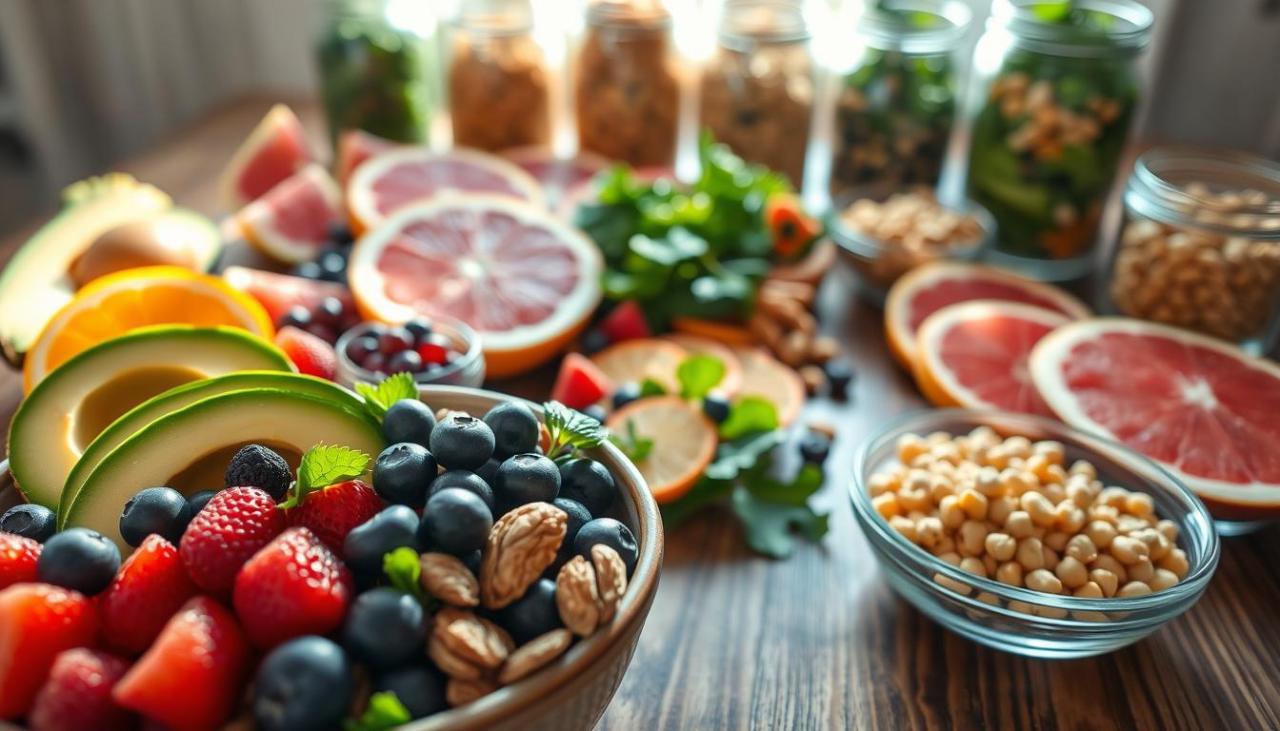
Did you know that nearly 80% of chronic diseases in the United States are linked to poor dietary choices? This is why we must focus on our daily nutrient intake. It helps fuel our bodies well. By choosing what we eat wisely, we gain lasting energy, strong immunity, and overall wellness.
Starting healthy eating habits doesn’t mean giving up taste or fun. It’s about balancing calories with exercise and picking diverse, simple foods. When we eat with purpose, we open the door to a more lively life.
In this guide, we dive into easy ways to improve your meals. We’ll talk about staying hydrated, tracking your progress, and meeting your age’s needs. Whether you’re just beginning or want to improve, getting help and making consistent choices are key to success.
Key Takeaways
- Focus on whole, minimally processed foods to maximize energy levels.
- Balance your caloric consumption with regular physical activity.
- Prioritize hydration as a core component of your wellness routine.
- Tailor your food choices to meet specific age-related requirements.
- Seek professional guidance to create a sustainable and personalized plan.
Understanding Daily Nutrient Intake Requirements
Learning about nutrition is key to fueling our bodies right. We see daily nutrition needs as strict rules, but they’re really a guide. This guide helps us meet our body’s needs without overdoing it.
Remember, there’s no one-size-fits-all number for everyone. Our recommended daily intake changes based on age, sex, how active we are, and our health. By understanding these differences, we can make our diet truly balanced.
What Are Daily Nutrient Recommendations?
These guidelines help us stay healthy for the long term. They show us how to get enough energy and important compounds to perform well. Following them helps us avoid too little or too much of anything.
As we grow and change, so do our needs. A teenager needs more than an adult who doesn’t move much. We must adjust our diet to fit our life and body’s needs.
Importance of Macronutrients vs. Micronutrients
To have a balanced diet, we need to know the difference between macronutrients and micronutrients. Macronutrients like carbs, protein, and fat give us energy. We need a lot of them to keep going and build muscle.
Micronutrients, like vitamins and minerals, are needed in small amounts. Even though we only need a little, they’re essential for our body’s functions and keeping us healthy. Making sure we get both kinds helps us stay energized and healthy in the long run.
Creating a Balanced Diet for Optimal Health
Optimal nutrient consumption is not about cutting out food. It’s about picking the right foods for our bodies. By choosing nutrient dense foods, we give our bodies the vitamins and minerals they need. A balanced diet is key for lasting energy and health.
Foods to Include for Nutrient Density
To live a healthy life, we should eat a variety of whole foods. These foods pack the most nutrients per calorie. This means we get the most benefit from every bite.
- Vegetables and Fruits: Aim for a rainbow of colors, like leafy greens, for more antioxidants.
- Whole Grains and Pulses: Choose brown rice, wholegrain pasta, and beans for energy and fiber.
- Lean Proteins: Include fish, poultry, or plant-based proteins like lentils for muscle repair.
- Healthy Fats: Add nuts, seeds, and avocados for essential fatty acids that support brain health.
Eating these foods daily helps us get the nutrients we need without feeling restricted. By choosing whole foods over processed ones, we boost our health naturally.
Building a Plate: The Ideal Portion Sizes
Visualizing our meals helps us eat a balanced diet without counting calories. A simple plate-based approach is a good way to manage our food intake.
Fill half your plate with colorful veggies and fruits for volume and nutrients. Use one-quarter for lean proteins like fish or yogurt. The last quarter is for complex carbs like wholegrain pasta or brown rice.
Remember, energy needs vary based on age, activity, and metabolism. Adjust your portions based on your hunger and activity level. This flexible approach lets us enjoy our food while staying healthy.
How to Track Your Daily Nutrient Intake
To master our health, we need to know how to measure our daily nutrient intake accurately. Logging our meals gives us insights into calories, protein, fiber, vitamins, and minerals. This helps us see if we’re meeting our health goals.
Choosing the Right Apps for Tracking
Today’s technology has great tools for tracking nutrition. When picking an app, look for ones with reliable food databases and easy-to-use interfaces. A good app should have:
- Barcode scanning for quick logging of packaged foods.
- Custom targets based on our health needs.
- Tracking of sugar, sodium, and key nutrients.
- Strong privacy settings to protect our health data.
Being consistent with these tools is crucial. Regularly logging our meals helps us spot patterns that might be off from our recommended daily intake.
Reading Nutrition Labels Effectively
Apps are great, but we also need to read labels well. We often miss important details, leading to wrong ideas about food’s nutritional value. It’s key to look beyond the marketing on the front of the package.
“The most important part of a nutrition label is not the calories, but the serving size. Always check if the values listed apply to the whole package or just a small portion.”
We must watch out for serving sizes and per-100-gram values. These can make products seem healthier than they are. Knowing these labels helps us meet our recommended daily intake. By using apps and reading labels, we control our daily nutrient intake and health for the long term.
The Role of Vitamins and Minerals
To get the most nutrients, we need to know how vitamins and minerals work. They help our bodies in many ways, like keeping bones strong and our blood flowing well. Eating a variety of foods helps our bodies work at their best.
Essential Vitamins for Daily Health
Seeing food as our main source of health is key. For example, fatty fish and dairy products are full of Vitamin D. This vitamin is important for our immune system and bones. Eating whole foods helps us get these nutrients in the best way.
Vitamins and minerals are like the foundation of our health. They help our muscles and nerves work right. Eating a mix of colorful veggies, lean proteins, and healthy fats gives our bodies what they need to stay healthy.
Common Mineral Deficiencies in the U.S.
Even with plenty of food, some people in the U.S. still lack certain minerals. Iron is a big issue, and can be found in beans, lentils, and lean meats. Not getting enough calcium is also common, making dairy or plant-based alternatives important for strong bones.
Supplements should only be used when a doctor says you need them. Taking pills can’t replace the benefits of whole foods. Always talk to a doctor before starting supplements to make sure you’re getting the nutrients you need.
The Impact of Hydration on Nutrient Absorption
Water is key in carrying nutrients to our cells. Without enough water, our bodies can’t break down food or absorb vitamins and minerals. Drinking enough water is crucial for healthy eating habits to work well.
Water also helps with blood flow and keeping our body temperature right. It keeps our blood volume up, which is important for getting oxygen and nutrients around. When we’re dehydrated, these important tasks slow down, affecting our daily nutrition needs.
How Much Water Do You Really Need?
Many think they should drink six to eight glasses of water a day. But this is just a general rule. Your needs can change based on many factors.
Think about these things when figuring out how much water you need:
- Activity levels: If you’re very active, you lose more water through sweat.
- Climate: It gets hotter and more humid, you need to drink more.
- Body composition: If you’re bigger, you might need more water to keep your body running.
- Health status: Being pregnant, breastfeeding, or sick can change your daily nutrition needs.
Tips to Stay Hydrated Throughout the Day
It’s easy to stay hydrated with a few simple changes. These tips can help you support your healthy eating habits without stress. Here’s how to keep your water levels up:
- Carry a reusable water bottle with you to remind you to drink.
- Drink a glass of water before meals to help with digestion and feeling full.
- Try unsweetened herbal teas or infused water if plain water isn’t your thing.
- Drink more water before, during, and after working out to replace lost fluids.
Adjusting Nutrient Intake for Different Age Groups
Our dietary needs change as we grow. From childhood to old age, our bodies need different foods. It’s important to adjust our diet to meet our daily nutrition needs at every stage.

Nutritional Needs for Children and Teens
Young people need lots of nutrients for growth. They need protein for muscles, and calcium and vitamin D for strong bones. These are essential for their development.
Teenagers also need iron to keep their energy up. To get enough, focus on these key nutrients:
- Fiber: Eat whole grains, fruits, and veggies for good digestion.
- Hydration: Drink water to stay focused and active.
- Portion Control: Use the right serving sizes to avoid eating too much.
Senior Nutrition Tips for Healthy Aging
Seniors need fewer calories but still need important nutrients. Keeping muscles strong is key to staying healthy. So, eating enough protein is crucial.
It’s also important to think about bone health and changes in appetite. If you’re having trouble with daily nutrition needs because of medication or swallowing issues, talk to a dietitian.
Here are some tips for healthy aging:
- Eat nutrient-rich foods to get the most out of your diet with fewer calories.
- Drink plenty of water, as thirst may not be as strong with age.
- Work with healthcare providers to manage health conditions that affect your diet.
Special Dietary Considerations
We can get all the essential vitamins and minerals even with strict diets. By choosing nutrient-rich foods, we keep our daily nutrient intake up to par. Planning is key to avoid problems with limited food options.
Nutrient Intake for Vegans and Vegetarians
Removing animal products means we must find special nutrients. Plant-based proteins like lentils, chickpeas, and tofu are great. Pairing these with vitamin C foods helps iron and zinc absorption.
Vitamin B12 and iodine are tough to get from plants alone. We use fortified cereals, plant milks, and nutritional yeast. For omega-3s, flaxseeds, chia seeds, and walnuts are our go-to. Fortified plant milks, kale, and calcium-set tofu help with calcium.
How to Meet Nutritional Needs with Food Allergies
Dealing with food allergies means always checking labels. We must watch out for hidden allergens that could mess with our daily nutrient intake. Cross-contact in the kitchen is a big risk, so we use separate tools for safe prep.
If allergies limit our food choices, seeing a registered dietitian is smart. They help us find safe, nutrient-rich foods. This way, we can stay healthy and avoid harmful ingredients.
- Always check labels for hidden allergens like soy, wheat, or dairy derivatives.
- Prioritize whole, unprocessed foods to minimize the risk of accidental exposure.
- Work with a professional to create a personalized plan that fills any nutritional gaps.
Meal Planning for Success
Mastering meal planning changes how we think about food. It lets us control what we eat, making sure each meal is part of a balanced diet. This way, we fuel our bodies right, every time.
Creating Weekly Meal Plans
We start by looking at our weekly schedules. We pick simple, repeatable recipes for busy days. This helps us avoid fast, unhealthy foods when we’re in a rush.
After choosing our meals, we make a detailed grocery list. We aim to include protein, whole grains, veggies, fruits, and healthy fats. A clear list helps us stick to our healthy eating habits all week.
Tips for Prepping Nutritious Meals
Batch-cooking is a big help for busy lives. We often make big batches of grains, roasted veggies, or proteins on Sundays. This way, we have a healthy base for meals all week.
Storing food properly keeps it fresh and safe. We use airtight containers to keep our portions organized. This makes it easy to make quick, healthy meals. By focusing on these details, we keep our healthy eating habits strong, even when life gets tough.
In the end, a tidy kitchen helps us eat well by making mealtime easier. When we prep ahead, we make better choices every day.
Smart Snacking Choices for Nutrient Boosts
Choosing nutrient dense foods makes our snacks more than just a quick bite. Instead of processed items, we fuel our bodies with vitamins and minerals. Pairing fiber-rich carbs with protein or healthy fats keeps us full and energized.
Healthier Snack Alternatives
It’s easy to make better choices. Keep simple, wholesome ingredients on hand for optimal nutrient consumption. Try these satisfying pairings for a balance of macronutrients:
- Greek yogurt topped with fresh berries for protein and antioxidants.
- Vegetable sticks paired with hummus for fiber and plant-based protein.
- A handful of raw nuts with whole-grain crackers for healthy fats and energy.
- Beans on toasted whole-wheat bread for a fiber-packed snack.
Incorporating Fresh Fruits and Vegetables
Fresh produce should be the base of our snacks. Dried fruits and juices have too much sugar, leading to energy crashes. Choose whole fruits and veggies for more fiber and hydration.
Remember, taking your daily vitamins with food boosts absorption. A fruit or small salad is perfect for nutrient processing. Aim for different colors in your produce for a wide range of nutrients.
Watch your portion sizes, like with nuts or dried fruit. A small handful is enough to satisfy hunger. By focusing on nutrient dense foods, we support our health while enjoying natural flavors.
The Connection Between Nutrient Intake and Mood
What we eat every day affects our mood and mental health. Our brain needs the right fuel to function well. Eating the right foods helps keep our emotions stable and our mind sharp.
Foods that Support Mental Health
Eating whole foods is key for making neurotransmitters. Complex carbohydrates like oats and quinoa help keep serotonin levels steady. This makes us feel calm. Adding lean proteins, legumes, and healthy fats like omega-3s from walnuts or salmon also boosts brain health.
Fruits and veggies are full of antioxidants that fight brain stress. Eating these foods helps us feel more emotionally strong. But remember, food alone can’t replace professional mental health care. If your mood keeps changing, see a doctor.
The Influence of Diet on Daily Energy Levels
Keeping a steady daily nutrient intake helps avoid the afternoon slump. Skipping meals or eating too much sugar can make us feel tired and cranky. Eating regularly keeps our energy up.
Drinking enough water is also crucial for feeling good. Even a little dehydration can make us less focused and unhappy. Drinking water and eating balanced meals keeps us sharp and alert.
| Nutrient Category | Primary Benefit | Example Food Source |
|---|---|---|
| Complex Carbohydrates | Stable Serotonin | Brown Rice |
| Omega-3 Fatty Acids | Brain Health | Chia Seeds |
| Lean Proteins | Neurotransmitter Support | Lentils |
| Antioxidants | Stress Reduction | Blueberries |
Debunking Common Nutritional Myths
It’s time to clear up common dietary myths. Many of us get confused by conflicting headlines. But, understanding the science behind our food choices is key to a balanced diet.
By separating old advice from new facts, we can make better health choices. This helps us make informed decisions for our well-being.
Misconceptions about Carbohydrates
Many think all carbs lead to weight gain. But carbs are our main energy source. They’re crucial for daily activities.
It’s important to choose whole foods over processed snacks. Whole grains, legumes, and veggies are full of essential vitamins and minerals. They give us energy without causing weight gain.
The Truth About Fats in Your Diet
Another myth is that all fats are bad. But fat is vital for brain function and vitamin absorption. The goal is to pick the right fats.
Switching to unsaturated fats is a good start. We can do this by avoiding saturated and trans fats. Here are some tips for healthier cooking:
- Use olive or avocado oil instead of butter when sautéing vegetables.
- Choose nuts, seeds, and fatty fish to get your healthy fats.
- Read nutrition labels to avoid hidden trans fats in processed snacks.
By focusing on whole foods, we get the essential vitamins and minerals our bodies need. Making these changes helps us enjoy our meals while supporting our health goals.
Seeking Professional Guidance
Getting to optimal health is more than knowing about food. Sometimes, our bodies need special care to meet our daily needs.
When to Consult a Nutritionist
It’s time to see a registered dietitian or healthcare provider for complex health issues. This includes managing health conditions, dealing with food allergies, or adjusting to pregnancy. They help us understand lab results to see if we need extra nutrients.
Experts help when we have unexplained symptoms or changes in energy. They make sure our focus on vitamins and minerals is safe and right for us. Food is our main fuel, but a pro can tell if supplements are good for us.
Benefits of Personalized Nutrition Plans
Personalized plans make general advice work for us. We can use tips like balanced meal prep and reading labels as a starting point. These habits help us stay consistent on our wellness journey.
Working with a pro makes our health journey easier and clearer. Share your experiences with these habits below. Your journey to a healthier life begins with small, informed choices every day.