
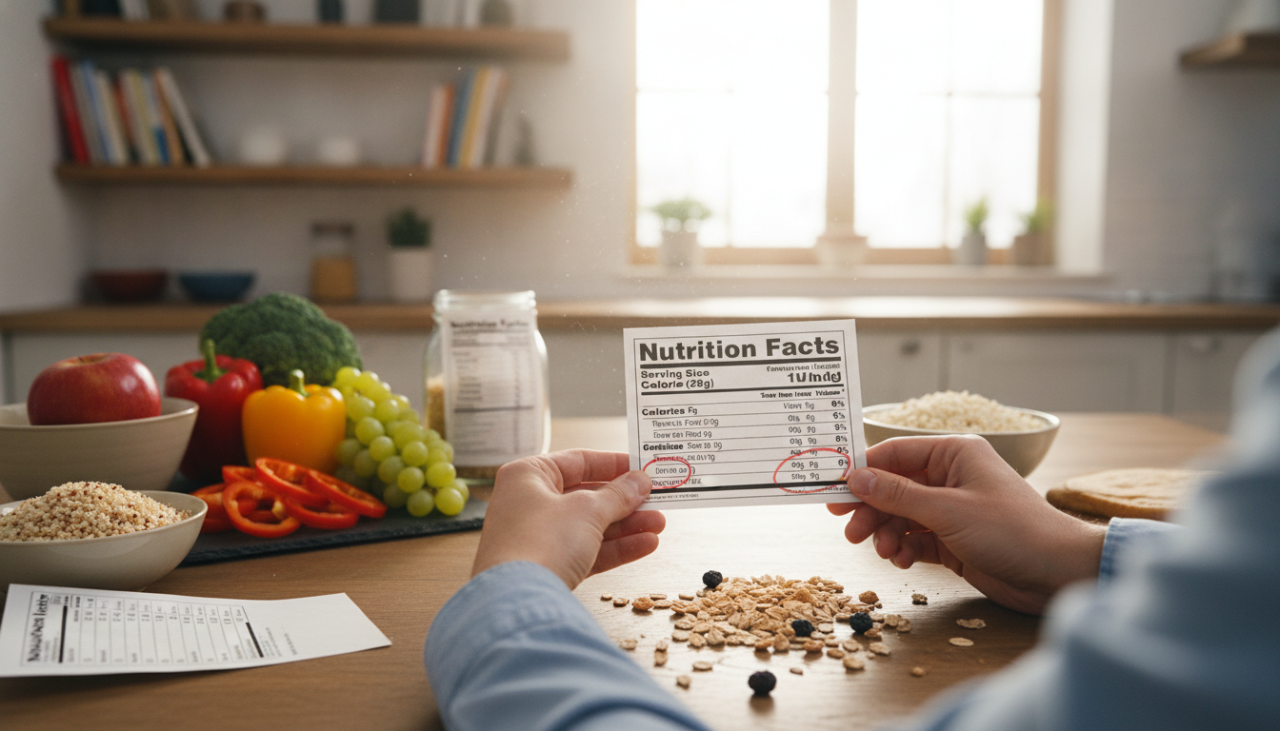
Did you know your body replaces nearly 300 billion cells every day? This constant renewal requires high-quality fuel for your body to work well. Mastering daily nutrition essentials provides building blocks for long-term vitality.
Most experts suggest 2,500 calories daily for men and 2,000 for women to maintain weight. However, activity levels and metabolic rates can change these numbers. Balancing energy needs helps build lasting healthy eating habits.
We will explore food labels, hydration, and supplements that support our goals. The health benefits of good nutrition include more energy and better focus. Let us explore practical strategies that make wellness achievable for everyone.
Key Takeaways
- Individual caloric needs vary based on activity and metabolism.
- Consistent food choices form the foundation of long-term wellness.
- Reading labels helps identify hidden ingredients in processed items.
- Proper hydration is just as vital as the food we consume.
- Small, realistic changes lead to the most sustainable results.
Understanding Daily Nutrition Essentials
Healthy living starts with basic habits, not passing trends. Conflicting advice can distract us, but wellness depends on steady, science-backed choices. By prioritizing daily nutrition essentials, we give our bodies fuel to thrive each day.
What Are Daily Nutrition Essentials?
Our nutritional intake includes energy, macronutrients, micronutrients, and fluids. A wide range of foods supplies the components needed for metabolic function. Established dietary guidelines help us meet these needs.
These essentials fall into key categories that should appear in our meals:
- Energy-providing macronutrients: Proteins, healthy fats, and complex carbohydrates.
- Micronutrients: Essential vitamins and minerals that support cellular health.
- Hydration: Adequate fluid intake to maintain bodily processes.
- Dietary variety: A colorful range of whole foods to ensure nutrient density.
Importance of Balanced Nutrition
Adopting a balanced diet does not require perfection at every meal. Instead, health reflects our choices over time. Long-term consistency creates a sustainable path toward better health.
“A healthy diet is not about restriction or deprivation; it is about nourishing the body with the right balance of nutrients to support a vibrant life.”
We must also watch energy balance. Consuming more energy than we use can lead to weight gain. To maintain a healthy equilibrium, choose higher-fiber starchy carbohydrates and limit excess salt intake.
Choosing foods across the five major food groups helps our balanced diet align with modern dietary guidelines. This can help us feel our best while managing weight effectively.
Macronutrients Explained
Mastering our nutritional needs starts with understanding macronutrients. These essential nutrients provide energy, helping our bodies work well each day.
The Role of Carbohydrates
Carbohydrates serve as the main fuel for our brains and muscles. We should choose complex carbohydrates for steady energy instead of quick sugar spikes.
High-fiber foods keep us full longer and support digestive health. Try these nutrient-rich choices in your meals:
- Brown rice
- Whole-wheat pasta
- Potatoes with their skins
- Quinoa and oats
Understanding Proteins
Proteins build our bodies and help maintain and repair tissue. Meeting our nutritional needs requires varied, high-quality protein sources for all necessary amino acids.
These foods also help us feel satisfied after eating. Excellent sources include:
- Lean meats like chicken and turkey
- Fresh fish rich in omega-3s
- Plant-based options such as beans and lentils
- Eggs and Greek yogurt
Healthy Fats for Energy
Fats support hormone production and nutrient absorption, but fat type matters. We should replace saturated fats with healthy unsaturated fats for heart health.
Cooking with added fat can greatly increase a meal’s calorie content. By considering our nutritional needs, we can choose healthier fats, such as olive or avocado oil, for a balanced diet.
Micronutrients Matter
Macronutrients provide most of our energy, while micronutrients act as the essential spark plugs for internal systems. We need smaller amounts of micronutrients, but they still support normal body functions. Choosing nutrient-rich foods gives our bodies the chemical support needed to thrive.
Essential Vitamins for Optimal Health
We get essential vitamins mainly from a colorful mix of fruits and vegetables. Eating five portions each day can improve diet quality and overall health. One standard portion weighs about 80 grams, whether fresh, frozen, or canned.
Fruit juices and smoothies count differently toward daily goals. Limit them because they often contain substantial amounts of free sugars. Choose whole fruits and vegetables instead to increase fiber and steady energy levels.
Key Minerals to Include in Your Diet
Minerals support bone health, nerve signals, and muscle contractions. Include many nutrient-rich foods in weekly meals to meet mineral needs. Good sources include fatty fish, dairy products, or fortified plant-based alternatives.
Adding legumes, nuts, seeds, and whole grains also benefits our daily meals. These foods provide the necessary minerals that help metabolism run smoothly. Varying our plates with these staples builds a strong foundation for long-term wellness.
Building a Balanced Plate
Achieving a balanced diet often depends on how we arrange food, not how much we measure. Looking at each meal helps fuel our bodies without constant calorie counting. This approach follows modern dietary guidelines that value variety and nutrient-rich foods over strict limits.
Portion Control Basics
Portion control helps maintain energy levels throughout the day. Choose nutrient-dense foods and watch energy-dense ingredients, which can add calories quickly. Think of your plate in sections instead of numbers.
For example, fill half your plate with colorful vegetables for needed fiber and vitamins. You might also add a daily vitamin to cover possible gaps in your intake. Nutritious foods still need reasonable portions to support your overall wellness goals.
Food Group Recommendations
Build an effective plate by combining several key food groups. Choose high-fiber starchy carbohydrates, such as brown rice or quinoa, for lasting energy. Add lean proteins like poultry, fish, beans, or tofu to support muscle maintenance.
Include moderate amounts of unsaturated fats from avocados, nuts, or olive oil. These dietary guidelines help limit saturated fats and sugary drinks, often hidden in processed snacks. Following these principles helps create a balanced diet that is sustainable and satisfying for your lifestyle.
- Fill half your plate with vegetables and fruits.
- Dedicate one-quarter to lean proteins.
- Reserve the final quarter for fiber-rich carbohydrates.
- Add a small portion of healthy fats for satiety.
Meal Planning for Success
Building consistent healthy eating habits often starts with a reliable plan for the week ahead. Organizing our kitchen routine reduces the stress of choosing meals during busy workdays. This approach keeps nutritious options close and helps us reach our wellness goals.
Creating a Weekly Menu
We plan our breakfasts, lunches, dinners, and snacks before the week begins. Flexible meals let us adjust plans to match our energy levels. We schedule leftovers to save time and reduce food waste.
To make our meal planning more efficient, we batch-cook whole grains like quinoa, farro, and brown rice. These staples can be portioned and frozen, giving balanced meals a quick base during demanding weeks. Advance preparation makes a healthy dinner ready in only minutes.
Grocery Shopping Tips
Successful shopping trips use an organized list focused on nutrient-dense foods. We choose seasonal produce, beans, and whole grains for flavor and nutrition. We also select lean proteins, fresh fish, raw nuts, and seeds for our pantry.
When browsing aisles, we choose products with less sugar. Staying near the store’s perimeter can help us find fresh ingredients and avoid processed items. The table below shows a simple way to keep our kitchen stocked for success.
| Category | Recommended Items | Preparation Strategy |
|---|---|---|
| Whole Grains | Quinoa, Farro, Brown Rice | Batch cook and freeze |
| Proteins | Fish, Beans, Lean Poultry | Portion and refrigerate |
| Produce | Seasonal Vegetables, Berries | Wash and chop immediately |
| Healthy Fats | Walnuts, Almonds, Seeds | Store in airtight jars |
The Importance of Hydration
Proper hydration supports our overall nutritional needs. We often focus on solid foods, but fluids also help maintain our body’s internal systems. Staying hydrated helps every cell get the support it needs for daily tasks.

Daily Water Intake Recommendations
Most health experts suggest six to eight glasses of water each day. However, our specific nutritional needs differ from person to person. Water needs can change with our environment and activity level.
During intense exercise or hot weather, our bodies lose more fluid through sweat. Illness or high humidity can also increase the water we need to replace. We should listen to our bodies and drink enough to prevent dehydration.
Benefits of Staying Hydrated
Regular hydration supports normal physical function and keeps our energy steady all day. Instead of waiting for strong thirst, we should sip fluids regularly. This habit helps us maintain focus and physical stamina.
“Water is the driving force of all nature.”
We encourage choosing water, lower-fat milk, or unsweetened beverages to meet our nutritional needs. Sugary soft drinks often provide empty calories and can harm our dental health. Smarter choices protect our bodies while keeping us refreshed.
Fluid Source Primary Benefit Recommended Frequency Water Optimal Hydration Throughout the day Low-fat Milk Calcium and Protein With meals Herbal Tea Antioxidants Morning or evening Fresh Fruit Natural Electrolytes As a snack Prioritizing hydration is a simple yet powerful way to improve our health. By keeping a water bottle nearby, we can meet our nutritional needs and feel our best each day.
Superfoods to Incorporate
Improve your diet by choosing foods packed with vitamins and minerals. No single ingredient works like a miracle cure. Still, prioritizing nutrient-rich foods in a balanced diet builds a strong base for wellness.
The health benefits of good nutrition come from the overall pattern of your daily food choices. Consistent choices matter more than one ingredient that promises to solve health concerns.
Nutrient-Dense Options
Fill your kitchen with ingredients that offer many essential nutrients. These staples give your body the building blocks it needs to work well.
- Colorful produce: Berries, leafy greens, and cruciferous vegetables.
- Healthy fats: Extra virgin olive oil, nuts, and seeds.
- Proteins: Oily fish like salmon, sardines, and mackerel, alongside beans and legumes.
- Whole grains: Quinoa, oats, and brown rice.
“Let food be thy medicine and medicine be thy food.”
How to Add Superfoods to Meals
Adding these foods to your routine does not need to be hard. Small, planned additions can improve your favorite dishes.
Stir chia seeds or walnuts into morning oatmeal for extra crunch. Add spinach to smoothies or soups for more nutrient-rich foods without greatly changing the flavor.
For lunch or dinner, make grain bowls with quinoa, topped with grilled salmon and a drizzle of olive oil. Mix beans into salads or sandwiches for fiber and plant-based protein. These habits help you gain the health benefits of good nutrition during a busy week.
Reading Nutrition Labels
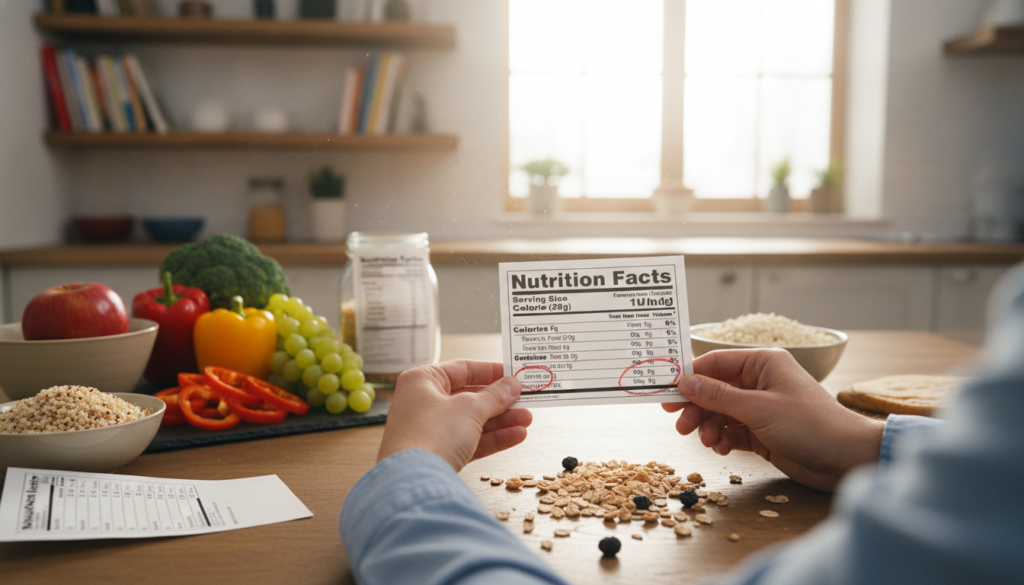
Learning to read nutrition labels helps support long-term wellness. Front-of-package claims may highlight benefits, but facts show whether choices follow established dietary guidelines. Focusing on facts helps us avoid clever advertising traps.
Understanding Label Information
When reading a nutrition facts panel, start by checking the serving size. All information below it uses that portion, which may differ from what we eat. Compare it with your usual intake to understand your nutrient consumption accurately.
Then check calories, total sugars, saturated fat, and sodium. Aim for more fiber, but limit sodium and added sugars. If food alone does not meet your nutrient needs, consider a daily multi-vitamin to help fill the gap.
“The label is the most important tool we have to make informed decisions about the fuel we put into our bodies.”
Making Healthier Choices at the Store
The ingredient list offers clues about a product’s quality. Ingredients appear by weight, so the first few make up most of the food. If sugar appears near the top, the product likely contains many added sweeteners.
To follow healthy dietary guidelines, use these thresholds to spot high-risk items. These levels are generally high per 100 grams of product:
- Sugar: More than 22.5 grams.
- Salt: More than 1.5 grams.
These simple rules help you navigate the grocery store with confidence. You can choose products that support your health goals instead of trusting vague claims. With practice, this becomes easier and keeps nutritious options in your pantry.
The Role of Supplements
While whole foods provide the foundation for health, some bodies need extra support. We view supplements as tools that fill specific gaps in our nutritional needs rather than replace a balanced, whole-food diet.
When to Consider Supplements
Some life stages and health conditions may make supplements necessary. For example, people following a strict vegan diet must watch their Vitamin B12 intake because it comes mainly from animal products. Without proper supplements, people on plant-based diets risk serious neurological complications.
Other situations include pregnancy, where prenatal vitamins are essential for fetal development, and diagnosed medical conditions that limit nutrient absorption. If a healthcare provider has told you to restrict certain food groups, targeted support may help meet your nutritional needs.
“Supplements should be viewed as an insurance policy for your health, but they can never replicate the complex synergy of nutrients found in a diverse, whole-food diet.”
Choosing Quality Nutritional Supplements
Products on the shelf are not all equal. Before starting a new regimen, evaluate the brand’s quality, dosage, and third-party testing. Independent verification confirms that the label accurately lists the ingredients inside.
Always consult a doctor or registered dietitian about possible interactions with medications you take. Professional guidance helps you avoid unnecessary expenses and ensures your chosen supplements effectively support your nutritional needs.
| Supplement Type | Primary Benefit | Target Audience |
|---|---|---|
| Vitamin B12 | Nerve health | Vegans and vegetarians |
| Prenatal Vitamins | Fetal development | Pregnant individuals |
| Vitamin D | Bone health | Those with limited sun exposure |
| Omega-3 | Heart health | Those lacking fatty fish intake |
Overcoming Common Nutritional Challenges
A sustainable lifestyle takes practical steps to handle daily challenges. Quick, processed foods often tempt us because they lack real value. Small, gradual changes can make a balanced diet a lasting part of our lives.
Smart Substitutions for Daily Snacks
Sugary drinks and high-calorie snacks can cause weight gain and dental issues. Try sparkling water instead of soda, or raw almonds instead of chips. Keep salt below 6 grams daily to avoid hidden health risks in many packaged goods.
Practical Planning for Busy Schedules
Skipping breakfast or eating restaurant meals can derail our progress. Preparing simple meals ahead saves time and keeps us on track. Healthy eating habits stay consistent when nutritious options are ready during hectic days.
We invite you to begin your journey toward better wellness today. The health benefits of good nutrition can improve how we feel and perform each day. Small, intentional choices support lasting vitality for everyone.