
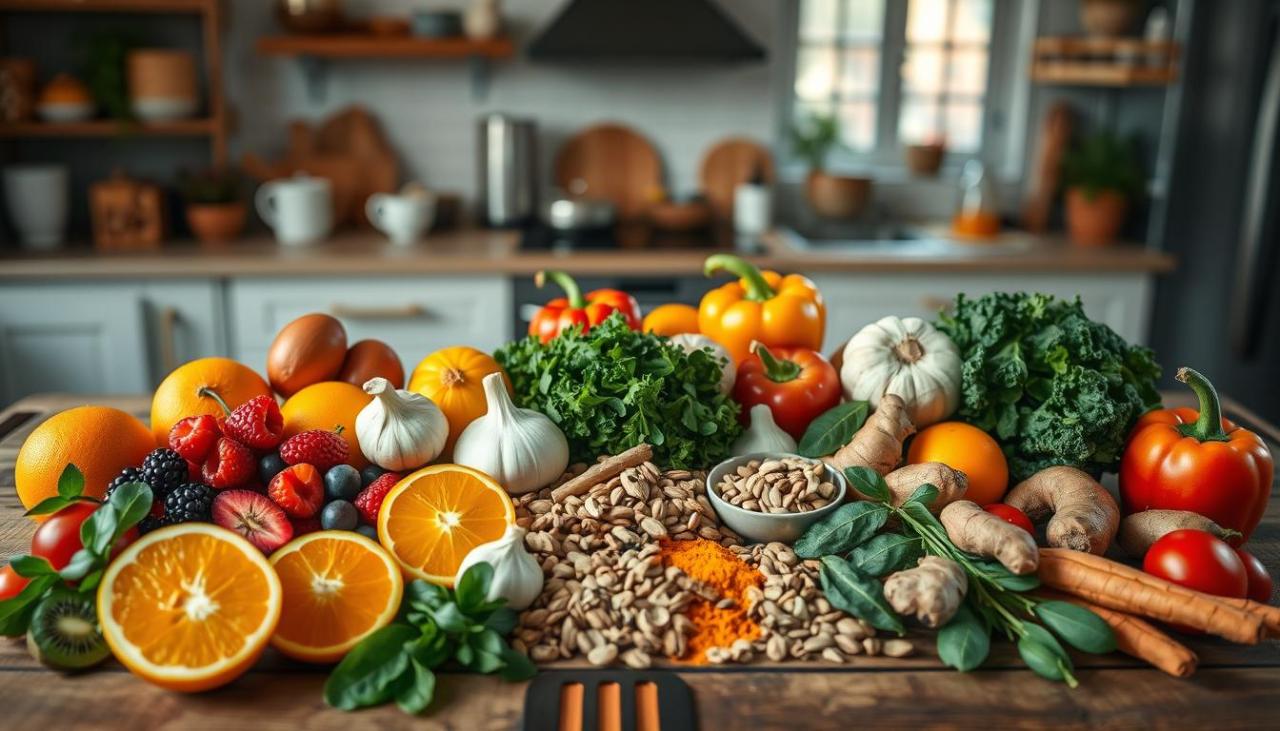
Nearly 75% of adults in the United States do not eat enough fruits and vegetables each day. As temperatures drop, our bodies face unique challenges and need extra care. No single pill works as a magic shield, so a balanced lifestyle remains the foundation of well-being.
We believe wellness works best when healthy habits join the right nutritional support. Exploring the top 5 immune system supplements may help you face winter with confidence. It is essential to remember that supplements should never replace a varied diet or professional medical advice.
Our goal is to offer an evidence-informed guide to the best vitamins for winter immunity. Focusing on vitamin C, vitamin D, and zinc, plus regular sleep and exercise, can support our natural defenses. Let us see how these tools fit into a realistic health plan.
Key Takeaways
- Supplements are intended to complement a healthy diet, not replace whole foods.
- Vitamin D is most effective when you have a known deficiency or limited sun exposure.
- Vitamin C may help shorten the duration of a cold if taken regularly before symptoms start.
- Zinc lozenges are often most beneficial when used at the very first sign of illness.
- Always consult with a pharmacist or doctor before starting new supplements to avoid drug interactions.
- Look for third-party quality certifications like USP or NSF when choosing your products.
Why Winter Immunity Matters
Staying well during colder months takes care and steady daily habits. Shorter days and falling temperatures can place stress on the body’s natural defenses. Effective cold season health support starts with understanding these changes and adjusting our routines.
Understanding Seasonal Health Challenges
In winter, we spend more time indoors, where air circulation may be limited. Indoor spaces and rising respiratory viruses place extra demands on our immune systems. Less sunlight may also lower essential nutrients that help us stay strong.
To manage winter well, we need more than quick fixes. True cold season health support depends on steady, healthy habits. We recommend a complete plan built around these key areas:
- Prioritizing balanced nutrition to fuel immune cells.
- Maintaining strict hygiene practices to reduce viral exposure.
- Staying physically active to support circulation and mood.
- Ensuring adequate sleep to allow for cellular repair.
- Managing stress levels to prevent immune suppression.
The Role of Vitamins in Immune Function
Vitamins help build a strong immune response. They support the growth and development of immune cells, which form the body’s first defense against pathogens. Without enough of these nutrients, our systems may not work at their best.
Vitamins also provide important antioxidant protection. They help neutralize free radicals that can harm cells during stress or illness. Good nutrition and targeted supplements give the body tools for effective cold season health support.
No supplement can replace a healthy lifestyle. Vitamins are one part of a broader, balanced health plan. Combined with movement, rest, and mindfulness, they help strengthen our defense against winter challenges.
Key Vitamins for Winter Immunity
A strong defense against seasonal threats starts with key nutrients. A balanced diet supports health, while immunity-boosting nutrients offer extra support when temperatures drop. These nutrients help our bodies work well.
Vitamin C: The Immune Booster
Vitamin C is a well-known nutrient that supports health. It supports cell function and helps protect cells from oxidative stress. Research suggests it may not prevent a cold, but steady intake can reduce symptom length and severity.
We see immune-boosting supplements with Vitamin C as useful additions to a healthy lifestyle. They should support, not replace, vitamins from fresh fruits and vegetables.
Vitamin D: The Sunshine Vitamin
Vitamin D supports a strong immune response, especially during darker winter months. Our bodies mainly make it through sunlight, so levels often fall when we spend more time indoors. Maintaining adequate levels supports overall wellness.
People with low starting levels may benefit greatly from supplements. Ask a healthcare provider to check your levels and see whether a targeted approach could help. This simple step helps ensure your body has resources to stay resilient.
Zinc: Essential for Immune Response
Zinc supports immune cell development and function. It helps our internal defenses respond quickly to outside challenges. immune-boosting supplements with zinc may help people who struggle to get enough from their diets.
Because zinc supports many body processes, even a mild deficiency can weaken our response to seasonal bugs. Focusing on these immunity-boosting nutrients supports a proactive health strategy. Choose whole foods first, and use supplements as a reliable safety net during winter.
Top Sources of Vitamin C
Many people reach for a pill, but the best vitamin C food sources may already be in your kitchen. Fresh produce can help us easily meet our nutritional needs. Whole foods provide vitamins, fiber, and antioxidants.
Citrus Fruits and Their Benefits
Citrus fruits have long been the gold standard for immune support. Oranges, lemons, limes, and grapefruits offer a refreshing way to boost our vitamin C intake. These fruits contain water and nutrients that help keep us hydrated during colder months.
- Oranges: A classic choice that is easy to pack for a snack.
- Grapefruit: Offers a tart flavor profile and high nutrient density.
- Lemons: Perfect for adding a zest to warm water or tea.
Bell Peppers: A Hidden Gem
Many people are surprised that bell peppers can contain more vitamin C than citrus fruits. A 100-gram serving of red bell pepper contains significantly more vitamin C than a standard Florida orange. Add these colorful vegetables to salads or stir-fries to reach our daily vitamin C targets.
| Food Item | Serving Size | Vitamin C Content |
|---|---|---|
| Red Bell Pepper | 100g | High |
| Florida Orange | 100g | Moderate |
| Broccoli | 100g | Moderate |
Supplements vs. Whole Foods
Supplements are convenient, but they may lack nature’s complex mix of nutrients. Choosing whole-food vitamin C gives our bodies additional plant compounds that improve absorption. These sources also provide fiber, which supports healthy digestion.
Remember, vitamin C has a 2,000 mg daily upper limit. Most of us can reach optimal levels through a balanced diet without high-dose pills. Prioritizing fresh vegetables and fruits builds a stronger foundation for long-term health.
The Importance of Vitamin D
As days grow shorter, our bodies may struggle to maintain enough of the sunshine vitamin. During winter, the sun’s angle in the United States often keeps skin from making enough of this nutrient. Therefore, many people use vitamin D winter support to fill the gap and help their bodies work well.

Natural Sources of Vitamin D
Sunlight is our main source of this nutrient, but certain foods provide it too. Adding these foods to daily meals helps maintain baseline levels when outdoor time is limited.
- Fatty fish: Salmon, mackerel, and sardines are excellent natural options.
- Egg yolks: These provide a small but helpful amount of the nutrient.
- Fortified foods: Many milk alternatives, cereals, and orange juices are enriched to support our intake.
Supplement Recommendations for Winter
When food does not provide enough, we may consider winter wellness supplements to meet our needs. More is not always better, and needs vary by age, skin tone, and current health status.
“Testing your blood levels before starting a high-dose regimen is the most responsible way to approach supplementation.”
Consult a healthcare provider to learn whether a supplement suits your situation. They can help choose the right dosage, avoid toxicity, and provide benefits of vitamin D winter support.
How Vitamin D Supports Immunity
This nutrient helps regulate the immune system and shape the body’s response to outside threats. It also helps activate antimicrobial defenses, which support health during colder months.
Research suggests people with confirmed deficiencies often improve most after correcting their levels. Maintaining enough sunshine vitamin gives our bodies tools to work well. Using high-quality winter wellness supplements can support an overall health strategy.
Zinc: A Vital Mineral for Immune Health
When discussing top vitamins for immune health, we often overlook zinc, a powerful mineral. It helps build our body’s defenses and supports cell communication and structure. For winter wellness, zinc for immune health is essential.
Dietary Sources of Zinc
We can add zinc to daily meals through nutrient-rich whole foods. Oysters are the most concentrated source, while red meat, poultry, beans, nuts, and seeds also help raise intake.
| Food Source | Serving Size | Approximate Zinc (mg) |
|---|---|---|
| Oysters | 3 oz | 74 mg |
| Beef Chuck Roast | 3 oz | 7 mg |
| Pumpkin Seeds | 1 oz | 2 mg |
| Lentils | 1/2 cup | 1 mg |
Daily Zinc Recommendations
Knowing our needs helps us maintain balance. Most adult men need 11 mg daily, while adult women typically need 8 mg. More is not always better with supplements.
Taking high zinc doses for a long time can weaken immune function. Too much zinc may also cause health risks, including copper deficiency. We should first meet our needs through a balanced diet.
Signs of Zinc Deficiency
Recognizing potential zinc deficiency symptoms requires careful observation. Common signs include reduced taste or smell, unexplained hair loss, and slow-healing wounds. If these changes appear, consult a healthcare provider for professional evaluation.
“Nutritional balance is the cornerstone of a resilient immune system, and zinc plays a central role in that delicate equilibrium.”
We should avoid self-diagnosis when feeling unwell. A qualified professional can use blood tests to check whether our levels are truly low. This makes treatment safe, effective, and suited to our unique physiological needs.
Herbal Supplements for Immune Support
Exploring plants can offer unique ways to support your body’s defenses. For seasonal immune support, traditional remedies can complement standard nutrition. Product quality can vary greatly between brands.
Echinacea: Tradition Meets Science
Echinacea has helped people stay healthy for generations. Many enthusiasts say it can shorten common ailments, but clinical evidence remains mixed. Treat it as a supportive tool, not a guaranteed cure.
Herbal immune supplements face less regulation than medications. Choose products from reputable manufacturers. Check that the label lists the plant’s specific species.
Elderberry: Nature’s Antiviral
Elderberry has gained attention for its potential antiviral properties. Many people enjoy syrups or gummies during colder months. Its antioxidants may help the body manage oxidative stress.
Early research is promising, but these supplements still need a balanced approach. Use them within a broader health strategy, rather than alone.
Garlic: A Flavorful Immune Ally
Garlic is more than a kitchen staple; it offers notable garlic immune benefits. Crushing or chopping garlic releases allicin, a compound often linked to these effects.
Adding fresh garlic to meals lets you enjoy its natural properties and improve flavor. For supplements, choose aged garlic extract for a consistent dose of active compounds.
Consult a healthcare professional before adding herbal products to your routine. This matters especially if you take medications, because some herbs can interact with them. Prioritizing safety supports an effective, worry-free health journey.
Lifestyle Tips to Enhance Immunity
Daily habits play a key role in maintaining a strong defense system. We view these behaviors as natural immunity boosters that support the body from within. Small, steady changes can improve our resilience against seasonal health threats.
Staying Active During Winter
A steady routine of winter exercise keeps circulation and immune cells moving well. Aim for at least 150 minutes of moderate-intensity activity each week. Brisk walking, indoor yoga, and home strength training can reduce inflammation.
If cold weather limits outdoor movement, try a local gym or online fitness classes. Consistency matters more than workout intensity. Regular movement is one of the most effective natural immunity boosters available.
The Importance of Sleep
The link between sleep and immunity is profound because the body repairs itself during rest. During deep sleep, the immune system releases cytokines, proteins that help fight infections and inflammation. Without enough rest, the body’s ability to respond to external threats weakens.
We suggest getting seven to nine hours of quality sleep each night for proper recovery. A calming bedtime routine can strengthen your sleep and immunity connection. Dim the lights and avoid screens before bed to encourage restorative rest.
Stress Management Techniques
Chronic stress can suppress immune responses and increase illness risk during winter. Deep breathing and mindfulness meditation may lower cortisol levels. Talk therapy can help some people process emotions and reduce mental strain.
We must also remember basic seasonal prevention steps. Wash your hands, avoid tobacco products, and limit alcohol intake. Recommended vaccinations provide an extra layer of health protection.
| Lifestyle Habit | Primary Benefit | Recommended Frequency |
|---|---|---|
| Physical Activity | Improved Circulation | 150 Minutes Weekly |
| Quality Sleep | Immune Cell Repair | 7-9 Hours Nightly |
| Stress Management | Lowered Cortisol | Daily Practice |
| Hand Hygiene | Pathogen Reduction | Multiple Times Daily |
Foods to Incorporate for Overall Health
Vital eating takes more than one superfood; it needs a colorful mix of ingredients. We find that choosing many immune-supportive foods gives us key vitamins and minerals. A varied diet fuels the body so it can work well throughout the year.
Colorful Vegetables and Fruits
Nature offers a bright range of produce that acts as natural immunity boosters. We recommend adding dark greens, such as spinach and broccoli, because they contain vitamins and antioxidants. Red peppers, kiwi, and papaya add plenty of vitamin C, which supports daily health.
To learn how these nutrients work together, explore our 10 daily vitamin guide tips to strengthen your immune system. Regularly eating these colorful foods helps maintain your body’s defenses.
Whole Grains: The Energy Boosters
Whole grains support lasting energy and overall well-being. Unlike refined carbohydrates, oats, quinoa, and brown rice provide essential fiber and B vitamins. These nutrients help our systems run smoothly, keeping us active during colder months.
Probiotic-Rich Foods for Gut Health
A healthy gut often supports a strong defense system. We encourage adding probiotic foods for immunity to daily meals for a balanced microbiome. Plain yogurt, kefir, and fermented vegetables support good digestive health.
These probiotic foods for immunity encourage beneficial bacteria in the gut. When we choose these natural immunity boosters, we build a resilient internal environment. Variety matters, so rotate these foods to get a wider range of nutrients.
When to Consider Supplements
A balanced diet supports health, but sometimes your body needs extra help. Modern life can make it hard to get every nutrient from food alone. vitamin supplements for winter immunity can help when your diet does not meet your body’s needs.
Signs You May Need Extra Support
Supplementation may help if you follow a restrictive diet, such as veganism, which may limit your intake of certain minerals. People with medical conditions or little sunlight may also need extra help. Professional testing is the most reliable way to find a true deficiency.
Constant fatigue or frequent colds may signal a need to check your nutritional status. Look for signs that your routine does not meet your body’s needs. Addressing these gaps early may help protect your well-being throughout the season.
Choosing Quality Supplements
When adding products to your routine, choose quality immune supplements from trusted sources. Read labels carefully and check that ingredients are clear and free from unnecessary fillers. Look for third-party testing, which confirms the product matches its label.
Avoid taking megadoses, since more is not always better. Excessive amounts can cause unwanted side effects. Choose reputable brands that value supplement safety and follow strict manufacturing standards.
Consulting with Healthcare Providers
Before starting a new routine, speak with a healthcare professional. A doctor can set the right dose based on your health history and current medications. They can spot interactions that may affect your kidney health or other bodily functions.
Your provider can also help if you are pregnant or manage chronic health issues. Expert advice can keep your wellness plan effective and safe. Working with a medical professional can create a plan that supports your immune system.
Final Thoughts on Winter Immunity
Protecting your body takes more than a quick fix during the coldest months. Consistent daily habits support your body and build year-round immune health. Good nutrition, sleep, and movement create a strong foundation.
Building a Year-Round Health Strategy
Supplements help when your diet lacks certain nutrients, but they work best with a balanced lifestyle. Treat your health as a long-term investment, not a seasonal project. A steady routine reduces last-minute panic when flu season arrives.
Embracing a Holistic Approach
Holistic winter wellness means listening to your body and responding with care. Add mindful stress management and proper hygiene to your daily schedule. These small actions build a strong shield and help you feel your best all year.
Joining a Community for Support
You do not have to manage your wellness journey alone. Community health support lets you share tips and stay motivated with people who value vitality.
Contact local groups or trusted healthcare providers like those at Mayo Clinic to refine your personal plan. We are here to help you thrive in every season.