
Daily vitamin for skin health is more than just a trend; it’s a vital part of maintaining vibrant, youthful skin. As we navigate through the myriad of skincare products and routines, the role of vitamins often comes to the forefront, demonstrating their profound impact on skin vitality. With the right vitamins, one can support the skin’s natural repair processes, combat aging, and improve overall texture.
From the essential vitamin A to the powerhouse vitamin C, each nutrient plays a unique role in skin maintenance. Whether it’s through dietary sources or topical applications, incorporating these vitamins can lead to a noticeable difference in skin health. Understanding how vitamins interact with our skin allows us to make informed choices for a radiant complexion.
The Importance of Daily Vitamins for Skin Health
Daily vitamins play a crucial role in maintaining healthy skin, acting as essential nutrients that support the skin’s structure and function. Proper vitamin intake can lead to improved skin texture, tone, and overall appearance. Our skin is our body’s largest organ, and it requires regular nourishment to repair itself and protect against environmental stressors. Vitamins not only contribute to the skin’s aesthetic qualities but also support its resilience and health.
Vitamins such as A, C, D, and E are particularly important for skin repair and maintenance. Vitamin A promotes cell turnover, helping to shed dead skin cells and encourage the growth of new, healthy cells. This process is vital for preventing rough, dry skin and minimizing the appearance of fine lines and wrinkles. Vitamin C is another powerhouse; it aids in collagen production, which is essential for maintaining skin elasticity and firmness. Furthermore, this vitamin acts as an antioxidant, protecting the skin from harmful free radicals that can cause premature aging. Vitamin D, often obtained from sunlight, plays a significant role in skin repair and regeneration, while Vitamin E helps to nourish and protect the skin from oxidative stress.
Certain skin conditions can be significantly improved through proper vitamin intake. For instance, those suffering from acne may find relief with adequate vitamin A, which can help reduce sebum production and unclog pores. Similarly, Vitamin C can enhance the healing process of acne scars, promoting a more even skin tone. Individuals with dry skin may benefit from Vitamin E, as it helps to maintain moisture levels, preventing flakiness and irritation. Additionally, conditions like psoriasis and eczema can potentially improve with the right mix of vitamins, as they contribute to skin barrier function and reduce inflammation.
Incorporating a variety of vitamins into one’s diet can be a powerful strategy for achieving optimal skin health and addressing specific concerns. While it’s beneficial to focus on vitamin-rich foods, supplements may also be considered to ensure that you meet your daily requirements for these essential nutrients.
Essential Vitamins for Skin Health and Their Sources
Maintaining healthy skin is a multifaceted endeavor, and vitamins play a crucial role in enhancing skin appearance and function. The right vitamins can help in repairing skin damage, improving texture, and promoting a radiant complexion. This discussion will highlight essential vitamins that significantly benefit skin health, along with their natural sources and biological functions.
Vitamins A, C, E, and D
Vitamins A, C, E, and D are particularly vital for skin health, each contributing uniquely to skin rejuvenation and protection. Understanding where to find these vitamins in your diet and how they work can empower you to make informed choices for your skin.
- Vitamin A: Found in foods like carrots, sweet potatoes, spinach, and liver, vitamin A is essential for skin cell production and repair. It helps to maintain skin elasticity and reduces the appearance of fine lines.
- Vitamin C: Citrus fruits, strawberries, and bell peppers are rich in vitamin C, which is crucial for collagen synthesis. This vitamin fights free radicals and aids in healing damaged skin, providing a brighter complexion.
- Vitamin E: Nuts, seeds, and green leafy vegetables are excellent sources of vitamin E. It acts as an antioxidant that protects skin cells from oxidative stress, promoting a more youthful appearance.
- Vitamin D: The body produces vitamin D through sun exposure, while sources include fatty fish and fortified foods. It plays a vital role in skin cell growth and repair, helping to maintain skin barrier function.
The benefits of these vitamins extend beyond the surface of the skin. On a cellular level, vitamins A, C, E, and D work synergistically to enhance skin appearance and health.
Vitamin A is involved in the regulation of gene expression, which influences skin cell turnover and differentiation. By supporting the formation of new skin cells, it helps to reduce the appearance of wrinkles and enhances skin texture. This vitamin also promotes the synthesis of glycosaminoglycans, which are crucial for skin hydration.
Vitamin C functions primarily as an antioxidant, neutralizing free radicals generated by UV exposure and pollution. It also aids in collagen synthesis by stabilizing the collagen molecule and promoting its formation, which is critical for maintaining skin’s firmness and elasticity. Furthermore, vitamin C enhances the skin’s ability to repair itself after injury.
Vitamin E collaborates with vitamin C to improve skin health by providing an additional layer of protection against oxidative damage. It also promotes the stabilization of cell membranes, aiding in the retention of moisture and nutrients within skin cells.
Vitamin D functions at a cellular level by regulating the growth and differentiation of skin cells. It also modulates the immune system of the skin, which can help in preventing inflammation and skin disorders. Adequate levels of vitamin D contribute to a glowing complexion and can combat conditions like acne and psoriasis.
Incorporating these vitamins into your daily regimen, whether through diet or supplements, can lead to healthier, more resilient skin, allowing you to enjoy a vibrant appearance and improved skin quality.
How to Incorporate Daily Vitamins into Your Skincare Regimen
Integrating vitamins into your skincare routine is a practical way to enhance your skin’s health and appearance. Vitamins are essential for numerous functions in the body, including skin repair and rejuvenation. By incorporating them into your daily regimen, you can target specific skin concerns, from dryness to aging.
When considering the best way to introduce vitamins into your skincare, it’s important to evaluate the methods available. Vitamins can be applied topically through creams and serums or ingested through dietary sources. Both methods have unique advantages, and understanding their effectiveness can help you make informed choices about your skincare routine.
Topical Application of Vitamin-Enriched Products
Topical application allows for direct delivery of vitamins to the skin, making it a popular choice for many. Here are effective methods to maximize absorption:
1. Vitamin C Serums: Known for its brightening and anti-aging properties, Vitamin C can be used in serum form. Apply it after cleansing your face to enhance absorption. Pair it with a gentle massage to promote circulation.
2. Moisturizers with Vitamin E: Vitamin E is an antioxidant that helps protect the skin from damage. Incorporating a moisturizer containing Vitamin E into your nightly routine can aid skin recovery while you sleep. Ensure the product is applied on slightly damp skin to lock in moisture.
3. Face Masks Infused with Vitamins: Using a vitamin-rich face mask once or twice a week can provide intensive treatment. Look for masks that contain a high concentration of vitamins A, C, or E. Follow the instructions carefully, and ensure that the mask stays on for the recommended duration to achieve the best results.
Dietary Sources of Vitamins for Skin Health
A balanced diet rich in vitamins not only supports overall health but also enhances skin vitality. Including specific foods can complement your topical regimen. Foods high in vitamins A, C, and E should be staples in your diet:
– Vitamin A: Found in carrots, sweet potatoes, and leafy greens, Vitamin A helps in skin cell turnover and repair.
– Vitamin C: Citrus fruits, strawberries, and bell peppers are excellent sources that assist in collagen production and skin brightening.
– Vitamin E: Nuts, seeds, and avocados provide Vitamin E, which protects the skin from oxidative stress.
Incorporating these foods into your daily meals can enhance the effectiveness of topical vitamin applications, creating a holistic approach to skincare.
Best Practices for Maximum Skin Absorption
To ensure that your skin effectively absorbs the vitamins applied, consider the following practices:
– Layering: Apply products in a specific order, starting from the thinnest to the thickest consistency. This allows lighter products to penetrate deeper before heavier creams form a barrier on the skin.
– Exfoliation: Regular exfoliation helps remove dead skin cells, enhancing the penetration of vitamin-rich products. Opt for gentle exfoliants to avoid irritation.
– Hydration: Keeping your skin well-hydrated before applying vitamin products can improve absorption. Use a hydrating toner or mist to prep the skin.
Implementing these methods into your skincare regimen ensures that you can harness the full benefits of vitamins, promoting a healthier, more radiant complexion.
The Synergistic Effects of Vitamins on Skin Health
Vitamins play a vital role in maintaining skin health, not only when taken individually but also when combined. Synergistic effects arise when different vitamins work together, enhancing their overall efficacy. Understanding how these vitamins interact can lead to more effective skincare regimens, emphasizing the importance of a balanced approach to vitamin intake.
Certain vitamins are known to complement each other in promoting skin rejuvenation and repair. For example, Vitamin C is renowned for its antioxidant properties, protecting the skin from oxidative stress caused by environmental factors. When paired with Vitamin E, another powerful antioxidant, their combined effects significantly enhance the skin’s ability to combat free radicals, leading to improved skin texture and reduced signs of aging. Similarly, Vitamin A, known for its role in cell turnover, works hand-in-hand with Vitamin D, which promotes skin barrier health. Together, they can improve skin tone and reduce the appearance of fine lines.
Comparison of Individual versus Combined Vitamin Use
Utilizing vitamins in isolation can yield benefits; however, their combined use often produces superior results. Here’s how:
– Individual vitamins, such as Vitamin C, can provide benefits like increased collagen production and improved brightness. However, when combined with other vitamins, such as B vitamins, the overall effect enhances hydration and skin elasticity.
– The synergistic effects can lead to a more comprehensive approach to skin issues, addressing multiple concerns simultaneously, such as dullness, uneven texture, and fine lines.
| Vitamin Combination | Benefits |
|---|---|
| Vitamin C + Vitamin E | Enhanced antioxidant protection and improved skin luminosity |
| Vitamin A + Vitamin D | Improved skin barrier function and accelerated cell turnover |
| Vitamin B Complex + Vitamin C | Increased hydration and reduced inflammation |
It’s essential to be mindful of potential side effects associated with excessive vitamin intake. Overconsumption, particularly of fat-soluble vitamins like A, D, E, and K, can lead to toxicity. Symptoms may include nausea, dizziness, or even serious conditions such as liver damage. To avoid these adverse effects, it is vital to adhere to recommended dietary allowances and consult with a healthcare professional before starting any supplement regimen.
“Balanced vitamin intake not only enhances individual skin health but also offers a synergistic boost that can transform your skincare routine.”
The Role of Antioxidants in Vitamins for Skin Protection
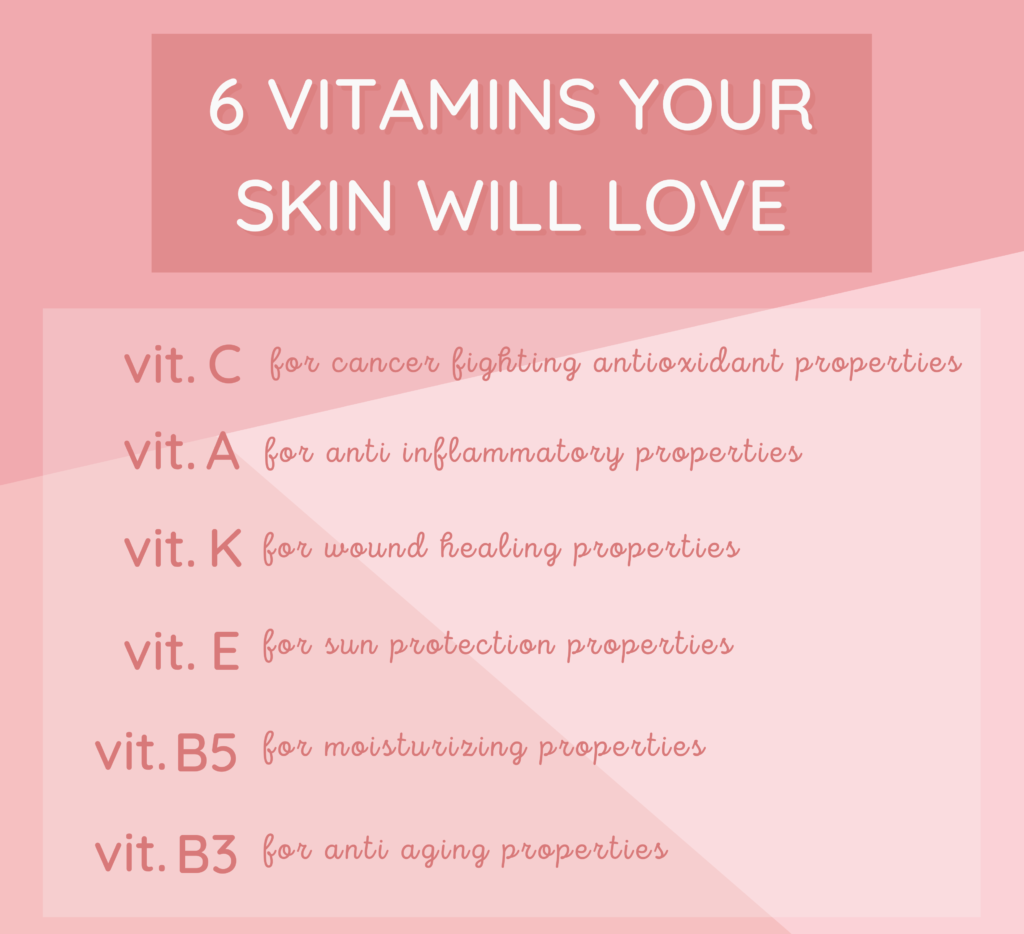
Antioxidants play a crucial role in skin health, especially in protecting against environmental damage. These substances neutralize free radicals, unstable molecules that can harm skin cells and contribute to aging. The presence of antioxidants in vitamins is essential for maintaining youthful, vibrant skin while minimizing the effects of pollution, UV radiation, and other environmental stressors.
Free radicals are produced naturally in the body, but their presence is exacerbated by external factors such as sunlight, smoke, and pollutants. These highly reactive molecules can damage collagen and elastin, resulting in premature skin aging, fine lines, and wrinkles. Antioxidants counteract these damaging effects by stabilizing free radicals, thus preventing them from initiating further damage. By incorporating antioxidant-rich vitamins into your skincare regimen, you can enhance your skin’s resilience against environmental aggressors.
Antioxidant-Rich Vitamins and Their Sources
Understanding which vitamins are packed with antioxidants can help you make informed choices for your skin health. Here are some of the most effective antioxidant-rich vitamins along with their primary sources:
- Vitamin C: Known for its powerful antioxidant properties, vitamin C aids in collagen production and skin repair. It can be found in citrus fruits like oranges and lemons, as well as in strawberries, kiwi, and bell peppers.
- Vitamin E: This vitamin protects cell membranes and enhances skin barrier function. Sources include nuts, seeds, spinach, and avocados.
- Vitamin A: As a precursor for retinol, vitamin A helps in skin cell turnover and repair. Rich sources are carrots, sweet potatoes, and leafy greens.
- Vitamin D: While primarily known for its role in bone health, vitamin D also has antioxidant effects that support skin health. It can be obtained through sunlight exposure and foods like fatty fish and fortified dairy products.
- Vitamin K: This vitamin aids in healing and is essential for skin elasticity. Green leafy vegetables like kale and broccoli are excellent sources.
Including these vitamins in your diet can significantly boost the skin’s defense against oxidative stress, promoting a healthier and more youthful appearance. By focusing on a balanced diet rich in these antioxidants, you can support your skin’s natural ability to protect itself from harm.
The Connection Between Hydration, Vitamins, and Skin Health
Proper hydration is essential for maintaining healthy skin, and it plays a critical role in how vitamins are absorbed and utilized by the body. While vitamins provide vital nutrients that support skin health, their effectiveness can be significantly impacted by the body’s hydration levels. Understanding this relationship can help individuals optimize their skin care routines and enhance the benefits of their vitamin intake.
Hydration influences skin elasticity, appearance, and overall health. When the body is well-hydrated, vitamins such as A, C, and E can be more effectively absorbed and delivered to skin cells. This interaction is crucial because hydrated skin not only looks more radiant and plump but also functions better overall. Conversely, dehydration can hinder nutrient absorption, leading to dull, dry skin that lacks the vitality vitamins can provide.
Effects of Hydrated Skin Versus Dehydrated Skin
The difference between hydrated and dehydrated skin goes beyond aesthetics; it also affects how vitamins work at a cellular level. Here’s a closer look at these effects:
– Hydrated Skin:
– Maintains a healthy moisture barrier, preventing the loss of essential nutrients.
– Exhibits improved elasticity and tone, allowing vitamins to penetrate more effectively.
– Supports a balanced pH level, which is essential for overall skin health and vitamin activity.
– Dehydrated Skin:
– May appear dull and lifeless, which diminishes the visible effects of vitamins.
– Struggles with absorption, making it difficult for the skin to benefit from topical and ingested vitamins.
– Can lead to an increase in skin issues such as flakiness, irritation, and premature aging due to the lack of hydration.
Incorporating adequate water intake into daily routines, alongside vitamin consumption, creates a synergistic effect that enhances skin health. The following points highlight the significance of water intake:
– Boosts the Effectiveness of Vitamins: Proper hydration increases blood circulation, which helps transport vitamins to skin cells more efficiently.
– Enhances Skin Repair: Water helps flush out toxins and supports the skin’s natural repair processes, allowing vitamins to work optimally in cell restoration.
– Promotes a Youthful Appearance: Adequate hydration can minimize the appearance of fine lines and wrinkles, complementing the anti-aging benefits of vitamins.
In conclusion, understanding how hydration affects skin health and vitamin absorption is essential for anyone aiming for glowing, healthy skin. Prioritizing both water intake and vitamin consumption can significantly improve skin condition and overall well-being.
Myths and Facts About Vitamins and Skin Care
Daily vitamins play a crucial role in maintaining skin health, yet several myths can cloud their true benefits. Misunderstandings about how vitamins work, their sources, and their effectiveness can lead to confusion and misuse. It’s essential to clear up these misconceptions to empower individuals to make informed choices for their skin care routines.
Common Misconceptions Regarding Vitamins for Skin Health
Understanding the truth behind common myths about vitamins can significantly impact skin health strategies. Here are three prevalent myths, along with evidence-based responses that clarify the facts:
- Myth: All vitamins must be taken as supplements to benefit the skin.
Many people believe that vitamins are only effective when taken as supplements. In reality, a balanced diet rich in fruits, vegetables, and whole grains provides essential vitamins directly to the body. For instance, vitamin C is abundant in citrus fruits, which can offer additional antioxidants that skin needs without the necessity for supplementation. - Myth: More vitamins mean better skin health.
It’s a common misconception that taking excessive amounts of vitamins will improve skin conditions faster. However, overconsumption of vitamins — especially fat-soluble ones like A, D, E, and K — can lead to toxicity and adverse health effects. For example, high doses of vitamin A can cause skin irritation and other serious health issues, emphasizing that moderation is key. - Myth: Vitamins can replace topical treatments for skin issues.
Some individuals think that taking vitamins can entirely replace topical treatments like moisturizers or creams. While vitamins are crucial for skin health, they work best when combined with topical applications tailored to specific skin needs. For instance, vitamin E applied directly to the skin can provide hydration and protection, but it should complement a broader skincare routine rather than serve as its sole treatment.
“Consulting a dermatologist or skincare professional can provide personalized advice on how to incorporate vitamins effectively into your skincare routine.”
Consulting professionals regarding vitamin usage for skincare is of utmost importance. Dermatologists can assess individual skin types, conditions, and specific vitamin needs, ensuring that one’s approach is both safe and effective. They can guide effective combinations of oral and topical vitamins, tailored to achieve the best outcomes for skin health. Feedback from a qualified expert can prevent missteps that arise from self-diagnosing or relying solely on popular myths.
Future Trends in Vitamin Research for Skin Health
As we delve into the future of vitamin research for skin health, the landscape is evolving rapidly, fueled by innovative scientific discoveries and a deeper understanding of skin biology. Researchers are focusing on how vitamins can not only prevent skin damage but also enhance overall skin health, offering exciting possibilities for skincare formulations and treatments.
Emerging studies are revealing the complex interactions between vitamins and skin cells, highlighting how different vitamins can work synergistically to promote skin vitality. For instance, recent findings suggest that combining certain vitamins may amplify their effects, leading to more effective skincare solutions. This evolution in understanding paves the way for novel applications in dermatology that could redefine skincare routines.
Advanced Vitamin Combinations for Enhanced Efficacy
The potential for new vitamin formulations is vast, particularly with the ongoing research into combining vitamins for superior results. These combinations may address various skin concerns more effectively than single-ingredient products. Here are some notable trends in vitamin combinations being explored:
- Vitamin C and Vitamin E: Together, they provide powerful antioxidant protection, enhancing skin barrier function and reducing signs of aging.
- Vitamin A and Vitamin B Complex: This combination is being studied for its potential to improve skin texture and diminish acne scars while promoting cell turnover.
- Vitamin D Enhancements: Research is looking into how enhanced formulations can optimize Vitamin D absorption, potentially benefiting skin health in individuals with deficiency.
The exploration of these combinations is informed by studies that indicate that certain vitamins, when used together, can improve absorption rates and efficacy. For example, the synergistic effect of Vitamin C and E has been documented to provide double the protection against UV-induced damage.
“Combining vitamins can create a more holistic approach to skin health, targeting multiple issues simultaneously.”
Innovations in Delivery Systems for Vitamins
Advancements in delivery systems are set to revolutionize how vitamins reach the skin. Researchers are focusing on smart delivery mechanisms that enhance penetration and bioavailability of vitamins in topical formulations. These innovations ensure that vitamins can be delivered more effectively to the deeper layers of the skin, where they can exert their beneficial effects.
For instance, nanoparticles and liposomal encapsulation techniques are being developed to improve the stability and absorption of vitamins in skincare products. Such technologies promise to increase the efficacy of vitamin-rich formulations.
Key benefits of these innovations include:
- Increased Stability: New delivery systems protect sensitive vitamins from degradation, ensuring they remain potent in formulations.
- Targeted Delivery: Innovations allow vitamins to be delivered precisely to the areas that need them most, maximizing effectiveness.
- Enhanced Absorption: Advanced systems can facilitate deeper penetration into the skin, which is crucial for achieving desired results.
Research shows that innovative delivery systems can significantly enhance the performance of topical vitamins, leading to better skin health outcomes.
“Smart delivery systems are key to unlocking the full potential of vitamins in skincare.”
Personalized Skincare Solutions Based on Vitamin Research
The future of vitamin research is leaning towards personalization, where formulations will be tailored to meet individual skin needs based on genetic and environmental factors. Advances in genomics are enabling a deeper understanding of how different individuals respond to vitamins, paving the way for bespoke skincare solutions.
As personalized skincare becomes more mainstream, we can expect developments such as:
- Customizable Vitamin Blends: Skincare products that allow consumers to mix and match vitamins based on their personal skin profiles.
- Wearable Technology: Devices that analyze skin conditions in real-time and suggest vitamin treatments accordingly.
- Data-Driven Formulations: Utilizing AI and machine learning to analyze user data and refine vitamin compositions for optimal skin health.
The integration of personalized approaches in vitamin skincare represents a significant shift towards more effective and individualized skincare regimens, ensuring that each consumer receives what is most beneficial for their skin type and concerns.
In conclusion, the future trends in vitamin research for skin health are promising, with advancements in formulations, delivery systems, and personalized solutions paving the way for revolutionary changes in skincare. The horizon looks bright as new discoveries continue to unfold, redefining our approach to maintaining healthy skin.
End of Discussion

In conclusion, daily vitamins for skin health play an indispensable role in achieving and maintaining glowing skin. By integrating vitamins into our daily regimen, we not only enhance our skin’s appearance but also bolster its resilience against environmental stressors. As we embrace the power of vitamins, it’s essential to stay informed and attentive to our unique skin needs for the best results.
Q&A
What are the best vitamins for acne-prone skin?
Vitamins A, C, and E are particularly beneficial for acne-prone skin, as they help reduce inflammation and promote healing.
Can I get enough vitamins for my skin through diet alone?
While a balanced diet is crucial, some individuals may benefit from supplements to meet their vitamin requirements, especially if dietary sources are limited.
How quickly can I see improvements in my skin with vitamins?
Improvements can vary, but many people notice changes in skin texture and appearance within a few weeks of consistent vitamin intake.
Are there any side effects of taking too many vitamins?
Yes, excessive intake of certain vitamins, especially A and E, can lead to toxicity and adverse effects, so it’s important to stick to recommended dosages.
Is it better to use vitamins topically or take them as supplements?
Both methods can be effective, but topical application can provide more immediate benefits to the skin’s surface, while supplements support overall health.