No-iron daily vitamin is a game changer for anyone looking to boost their health without the complications that iron can bring. As we delve into the world of vitamins, it becomes clear that a no-iron formulation caters to specific health needs, making it an excellent choice for various populations. Not only do these supplements support overall wellness, but they also help individuals who may experience adverse reactions to iron, such as gastrointestinal discomfort.
In this exploration, we will cover the essential vitamins included in no-iron supplements, the benefits they offer, especially for athletes and women, and guide you on how to select the right product. With increasing awareness of nutritional science, the future of no-iron daily vitamins looks promising, paving the way for innovative formulations that align with our evolving health needs.
The Importance of Daily Vitamins in a No-Iron Format
Vitamins play a crucial role in maintaining overall health and wellness. They are essential nutrients that our bodies require in small amounts to function correctly. Among the various formulations available, no-iron daily vitamins stand out due to their specialized approach to supplementation. These formulations are designed to meet the needs of individuals who may have conditions that require the avoidance of iron, whether due to dietary restrictions, health conditions, or personal preferences.
Daily vitamins serve several important functions, including supporting immune function, aiding in energy production, and promoting healthy skin and bones. When iron is excluded from these formulations, it can benefit specific groups of people. For example, individuals with conditions like hemochromatosis, where the body absorbs too much iron, may find no-iron vitamins particularly beneficial. Similarly, vegetarians and vegans who may not get sufficient iron from their diets can still receive essential nutrients from a no-iron multivitamin without the risk of excess iron intake.
Populations Benefiting from No-Iron Daily Vitamins
Certain populations are more likely to benefit from no-iron daily vitamins due to specific health needs or dietary restrictions. Understanding these populations can help tailor supplementation to their needs.
- Individuals with Iron Overload Disorders: Conditions like hemochromatosis lead to excessive iron absorption, making no-iron vitamins essential for preventing complications associated with iron overload.
- Pregnant Women: During pregnancy, iron needs increase; however, some women may experience gastrointestinal discomfort from iron supplements. No-iron vitamins can provide necessary nutrients without the added iron.
- Children and Adolescents: Growing children may need vitamins for development without iron complications, as their diet may not always provide sufficient nutrients.
- Individuals on Restricted Diets: Those following specific diets, such as low-iron or gluten-free diets, can benefit from no-iron formulations to prevent nutritional gaps.
- Older Adults: Aging populations may be more sensitive to iron and could benefit from a no-iron vitamin that addresses their unique nutritional needs.
The vitamins typically included in no-iron supplements cover a wide range of essential nutrients. Common examples include:
- Vitamin A: Important for vision and immune function.
- Vitamin C: An antioxidant that supports the immune system and enhances iron absorption from plant sources.
- Vitamin D: Vital for bone health and calcium absorption.
- Vitamin E: Acts as an antioxidant that helps protect cells from damage.
- B Vitamins: Such as B6, B12, and folic acid, which play a critical role in energy metabolism and brain health.
Daily vitamins, particularly in a no-iron format, are formulated to support health while considering the specific needs of various populations. This tailored approach helps ensure that individuals receive the essential nutrients they need without the risks associated with excess iron.
Potential Benefits of No-Iron Daily Vitamins for Athletes
Athletes often push their bodies to the limit, requiring optimal nutrition to maintain performance and facilitate recovery. No-iron daily vitamins provide a specialized blend of essential nutrients that can enhance athletic performance, reduce fatigue, and improve overall wellness. These formulations are particularly beneficial for athletes who might experience gastrointestinal discomfort or other issues associated with iron supplementation.
The key to maximizing athletic performance lies in a well-rounded intake of vitamins and minerals that support energy production, muscle function, and recovery. No-iron daily vitamins typically include a variety of essential nutrients that are crucial for athletes. Not only do these vitamins help in maintaining energy levels, but they also play a vital role in muscle repair and reducing inflammation after rigorous activities.
Essential Nutrients in No-Iron Formulations
When considering no-iron daily vitamins, athletes should look for specific vitamins and minerals that can support their unique needs. The following are vital components to consider:
- Vitamin B Complex: This group of vitamins is essential for energy metabolism. B vitamins, particularly B6 and B12, help convert carbohydrates into glucose, providing the energy needed for high-intensity workouts and endurance training.
- Vitamin D: Important for bone health and immune function, vitamin D also aids in muscle recovery and can enhance performance by improving muscle strength and function.
- Magnesium: Known for its role in muscle contraction and relaxation, magnesium helps prevent cramps and fatigue during and after exercise. It is also crucial for maintaining electrolyte balance.
- Zinc: This mineral is integral for immune health and tissue repair, making it vital for athletes recovering from injuries or intense workouts.
- Antioxidants (Vitamin C and E): These vitamins help combat oxidative stress caused by intense physical activity, potentially reducing muscle soreness and speeding up recovery.
Research and testimonials from athletes highlight the effectiveness of no-iron daily vitamins in enhancing performance and recovery. In a study published in the Journal of Sports Medicine, athletes who incorporated no-iron supplements containing vitamin B complex and antioxidants reported significantly reduced fatigue levels and improved stamina during competitions. Additionally, professional athletes often share their positive experiences, noting enhanced recovery times and better overall health after switching to no-iron formulations.
“Switching to no-iron daily vitamins was a game-changer for my recovery. I felt less fatigued and more energized during my training sessions,” says a competitive marathon runner.
How to Choose the Right No-Iron Daily Vitamin Supplement
Selecting the right no-iron daily vitamin supplement can seem overwhelming with the multitude of options available on the market. Individuals looking to optimize their health must consider various factors to ensure they choose a product that aligns with their specific nutritional needs and lifestyle. Understanding these key aspects can significantly enhance the effectiveness of the chosen supplement.
When considering a no-iron daily vitamin supplement, it is essential to evaluate both the ingredients and the brand reputation. Many brands offer unique formulations designed to cater to specific demographics, such as women, men, seniors, or athletes. Additionally, it is crucial to assess the bioavailability of the nutrients included in the supplement. Bioavailability refers to how well nutrients are absorbed and utilized by the body.
Factors to Consider When Selecting a No-Iron Daily Vitamin
Several factors can guide your selection process for a no-iron daily vitamin supplement. Here are the critical components to keep in mind:
- Ingredient Quality: Look for brands that use high-quality, natural ingredients without fillers or artificial additives. A product with organic certifications or third-party testing can indicate higher quality.
- Nutrient Profile: Analyze the vitamin and mineral content to ensure it meets your daily requirements. Pay attention to the percentages of the Daily Value (DV) for each nutrient listed on the label.
- Target Demographic: Choose supplements tailored to your age, gender, and lifestyle, as these factors often determine specific nutrient needs.
- Form of Supplement: Daily vitamins are available in various forms, such as tablets, capsules, gummies, or powders. Pick a form that you find convenient and easy to consume.
- Brand Reputation: Research the brand’s reputation through customer reviews and industry ratings. A brand with positive feedback is often a reliable choice.
- Price vs. Value: While price can be a factor, it is essential to weigh the cost against the quality and effectiveness of the product. Higher-priced options may offer better formulations.
To illustrate the differences among leading brands, consider the following comparison table:
| Brand | Nutrient Profile | Form | Target Demographic | Price |
|---|---|---|---|---|
| Brand A | Complete vitamins & minerals | Tablet | Adults | $15.99 |
| Brand B | Vitamins A, C, D, E, B-complex | Gummy | Women | $19.99 |
| Brand C | Vitamins D, K, Calcium | Capsule | Seniors | $12.99 |
| Brand D | Essential vitamins & antioxidants | Powder | Athletes | $23.99 |
Reading labels is an essential skill when selecting a no-iron daily vitamin. Here are some tips to effectively interpret the ingredient list and nutritional information:
Understanding what is in your supplement is just as crucial as understanding what it does.
Begin by checking the serving size and the number of servings per container to ensure that the product meets your daily needs. Next, look at the % Daily Value (%DV) for each nutrient; a value of 20% or more is considered high, while 5% or less is low. This helps gauge the supplement’s potency. Additionally, examine the ingredient list for any allergens or additives that may not align with your dietary preferences.
By taking the time to evaluate these factors, you can make a more informed decision when choosing a no-iron daily vitamin that best supports your health and wellness journey.
The Role of No-Iron Daily Vitamins in Women’s Health
No-iron daily vitamins are tailored to address the unique nutritional needs of women at different stages of life. These vitamins provide a convenient way to ensure that women receive essential nutrients without the added iron, which some may not need or may find challenging to digest. By focusing on the key vitamins that support overall well-being, women can enhance their health and vitality, adapting to various life changes gracefully.
Daily vitamin intake is crucial for women, as their bodies undergo numerous changes throughout their lives, including menstruation, pregnancy, lactation, and menopause. Each of these stages can significantly alter nutritional requirements and increase the need for specific vitamins that support reproductive health, bone density, and overall energy levels. Therefore, understanding the vital roles of certain vitamins is essential.
Key Vitamins Important for Women’s Health
Several key vitamins stand out in supporting women’s health:
- Vitamin D: Essential for calcium absorption, vitamin D plays a pivotal role in maintaining bone health, especially important for women as they age. A deficiency in vitamin D can lead to osteoporosis, a condition more prevalent in women due to hormonal changes post-menopause.
- Vitamin B6: This vitamin is crucial for neurotransmitter function and helps manage mood swings and emotional well-being, often beneficial during premenstrual syndrome (PMS) and menopause.
- Folate (Vitamin B9): Particularly significant during childbearing years, folate is vital for fetal development during pregnancy. Women who are pregnant or planning to conceive are often advised to increase their folate intake to reduce the risk of neural tube defects.
- Vitamin C: An important antioxidant, vitamin C helps in collagen production, supporting skin health. It also aids in iron absorption from plant-based sources, which is beneficial for women who follow a vegetarian or vegan diet.
- Vitamin E: Known for its antioxidant properties, vitamin E supports skin health and may help alleviate some symptoms associated with menopause.
These vitamins are integral to meeting health needs that arise from hormonal fluctuations and other biological factors specific to women. Nutritional gaps can lead to fatigue, mood disorders, and long-term health issues if not addressed.
The lifestyle and dietary preferences of women greatly influence their nutritional requirements, particularly when it comes to iron intake. Many women may choose vegetarian or vegan diets, which can sometimes result in lower iron levels. In these cases, opting for no-iron daily vitamins can help prevent excessive iron intake while still providing essential nutrients.
Lifestyle factors such as physical activity levels, stress management, and overall health consciousness can also dictate the types of vitamins women may need. For instance, active women may require higher levels of B vitamins for energy production, while those in high-stress environments might benefit from vitamins that support adrenal health and stress management.
The tailored approach of no-iron daily vitamins allows women to address their individual health needs without unnecessary supplementation.
In summary, no-iron daily vitamins play a crucial role in supporting women’s health by providing essential nutrients tailored to their unique biological and lifestyle factors. By focusing on specific vitamins, women can enhance their health and well-being throughout all stages of life, ensuring they remain vibrant and energetic.
Exploring the Myths Surrounding Iron in Vitamins
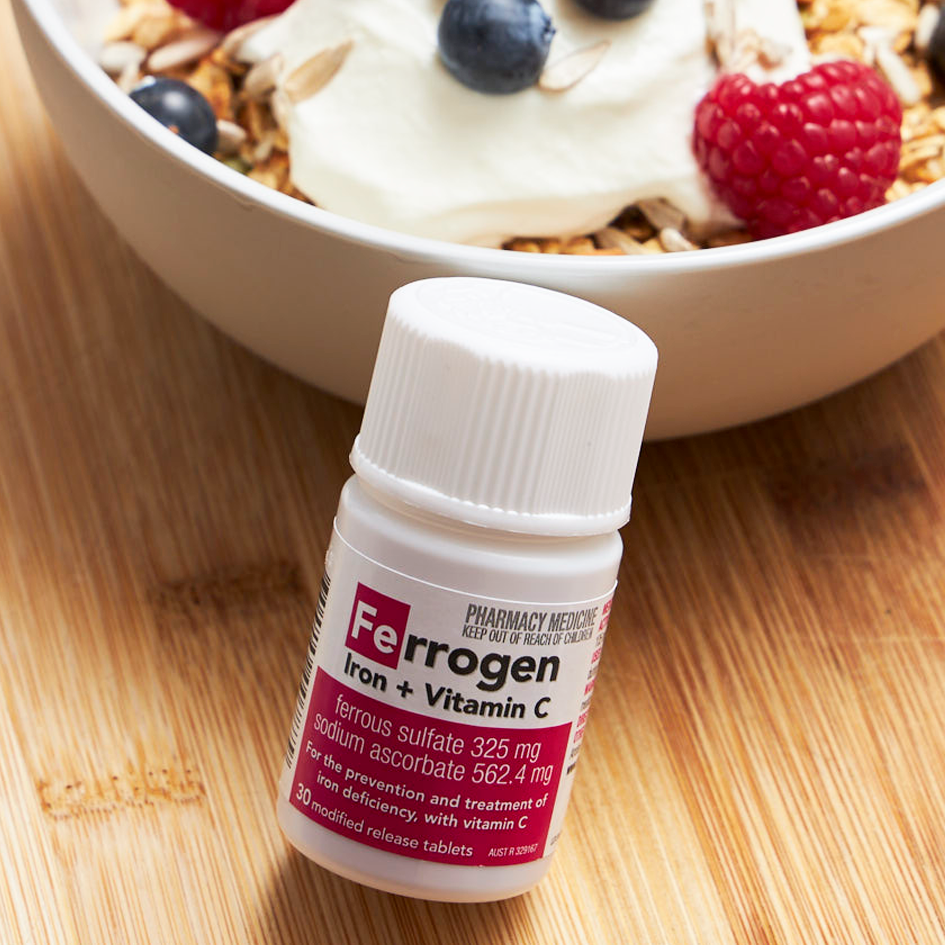
Iron supplementation has long been a topic of discussion among health enthusiasts and professionals alike. Many people believe that including iron in daily vitamins is essential for maintaining overall health, especially for those following vegetarian or vegan diets. However, this notion is often clouded by myths and misconceptions that need to be addressed. Understanding these myths can lead to more informed choices about vitamin supplementation and iron intake.
One of the most prevalent myths is that all individuals require iron supplements for optimal health. In reality, iron is essential for certain populations, such as pregnant women, infants, and individuals with specific health conditions. However, for many people, especially those with adequate dietary iron intake, additional supplementation may not only be unnecessary but could also lead to iron overload, which poses health risks. The absorption rates of iron can vary significantly among individuals, influenced by factors such as age, gender, overall health, and even the presence of other nutrients.
Absorption Rates of Iron in Vitamins
Understanding how iron is absorbed in the body compared to no-iron vitamins is crucial for making informed decisions regarding supplementation. Iron from supplements is typically absorbed in the small intestine, but its absorption can be influenced by various dietary factors. For instance, the presence of vitamin C can enhance iron absorption, while calcium and certain phytates found in grains and legumes can inhibit it.
Studies have shown that individuals with higher levels of stomach acid, such as those with a more acidic diet, generally have better iron absorption rates. Conversely, older adults often experience decreased stomach acid production, which can impair their ability to absorb iron effectively.
Here are some important factors to consider regarding iron absorption:
- Dietary Context: The overall composition of a meal affects iron absorption significantly. A balanced meal could enhance iron uptake.
- Type of Iron: Heme iron, found in animal products, is absorbed more efficiently compared to non-heme iron from plant sources.
- Health Status: Conditions like celiac disease or inflammatory bowel disease can impede iron absorption, making supplementation necessary for some individuals.
“While iron is important, unnecessary supplementation can lead to health complications, including gastrointestinal distress and oxidative damage.”
Recent studies, including those from the American Journal of Clinical Nutrition, have examined the effects of iron supplementation, highlighting that a significant portion of the population does not benefit from additional iron. Expert opinions suggest that people should focus on obtaining iron from a balanced diet and consider supplementation only when medically advised. This approach helps to dispel the myth that iron is universally needed in daily vitamins, leading to healthier, more personalized health choices.
The Environmental Impact of Choosing No-Iron Daily Vitamins
Opting for no-iron daily vitamins not only benefits your personal health but also contributes to a more sustainable environment. The production and consumption of dietary supplements typically involve various ecological considerations, and making informed choices can help mitigate these impacts. By choosing no-iron vitamins, consumers can play a vital role in promoting environmentally friendly practices within the supplement industry.
The environmental benefits of choosing no-iron daily vitamins are multi-faceted. First, the production of these vitamins often relies on natural sources and utilizes fewer artificial ingredients compared to traditional supplements that may contain iron. This can lead to a reduction in chemical runoff and pollution during manufacturing. Additionally, many no-iron supplements utilize plant-based ingredients, which often have a lower carbon footprint compared to animal-derived components. This is significant because sourcing materials sustainably lessens the strain on natural resources and promotes biodiversity.
Sustainable Practices in the Production of No-Iron Vitamins
The process of creating no-iron daily vitamins incorporates various sustainable practices aimed at reducing environmental impact. These practices not only cater to health-conscious consumers but also align with eco-friendly values. Some of the key sustainable practices include:
– Sourcing Ingredients Responsibly: Manufacturers are increasingly opting for organic and sustainably sourced raw materials. This ensures that the cultivation of ingredients does not harm local ecosystems. For instance, using responsibly harvested plants reduces habitat destruction and promotes environmental health.
– Eco-Friendly Packaging: Many producers of no-iron vitamins are shifting towards biodegradable or recyclable packaging options. This move reduces plastic waste and encourages consumers to participate in recycling initiatives.
– Water Conservation: Sustainable production often involves reducing water usage during the manufacturing process. Companies are adopting technologies that optimize water consumption, which is crucial in areas facing water scarcity.
– Renewable Energy Use: Some manufacturers have begun utilizing renewable energy sources, such as solar or wind power, to reduce their carbon footprint during production. This commitment not only lowers greenhouse gas emissions but also sets a precedent for sustainable industrial practices.
– Local Manufacturing: By manufacturing products closer to their point of sale, companies can reduce transportation emissions. This practice not only supports local economies but also minimizes the carbon footprint associated with long-distance shipping.
The choice of no-iron daily vitamins exemplifies a commitment to personal wellness that extends to the health of the planet.
Consumers can further contribute to environmental sustainability by making informed choices about the supplements they purchase. When selecting no-iron vitamins, looking for certifications such as organic, non-GMO, or fair trade can ensure that the products align with eco-friendly standards. Additionally, supporting companies that prioritize sustainability can amplify the impact of consumer choice. Engaging in discussions about environmental responsibility and sharing knowledge within communities can inspire others to consider the ecological footprint of their dietary supplements.
By making conscious decisions, individuals can collectively reduce their carbon footprint and foster a culture of sustainability in health and wellness. The move towards no-iron daily vitamins is not just a personal health decision; it is an opportunity to contribute positively to the environment, supporting the idea that what is good for our health can also be good for the planet.
Integrating No-Iron Daily Vitamins into a Balanced Diet
Incorporating no-iron daily vitamins into your balanced diet is a crucial step towards achieving optimal health. These vitamins are designed to support various bodily functions, helping you to fill nutritional gaps that may exist in your regular meal plan. By understanding how to effectively integrate these supplements with your food choices, you can maximize their benefits while enjoying a variety of delicious meals.
One effective strategy for integrating no-iron daily vitamins into your diet is to pair them with foods that enhance their absorption. Many vitamins, particularly fat-soluble types like A, D, E, and K, are better absorbed when consumed with dietary fats. Thus, it’s essential to consider the timing of your supplementation in relation to meals. Consuming your vitamins with a meal that contains healthy fats can significantly boost their effectiveness.
Meal Suggestions for Optimal Nutrient Complementation
When selecting meals to complement your no-iron vitamins, it’s beneficial to focus on a variety of nutrient-rich foods. Here are some meal ideas that pair well with these supplements:
- Breakfast: Consider a smoothie made with spinach, banana, and almond butter. This combination provides vitamin K and potassium along with healthy fats.
- Lunch: A quinoa salad with mixed greens, cherry tomatoes, diced avocado, and olive oil dressing offers a rich source of fiber, vitamins, and healthy monounsaturated fats.
- Dinner: Baked salmon topped with a lemon-dill sauce, served with roasted sweet potatoes and steamed broccoli, delivers essential omega-3 fatty acids and boosts your intake of vitamins A and C.
- Snacks: Nut butter on whole-grain toast or a handful of mixed nuts not only provides healthy fats but also offers additional vitamins and minerals.
Timing is also a critical factor for optimal absorption. Taking your no-iron daily vitamins at the right time can make a significant difference. It is generally recommended to take these vitamins with a meal to enhance their absorption. Morning is often the ideal time, as your body is well-prepared to digest and absorb nutrients after a night of fasting. However, finding a consistent time that works for your routine is key.
In terms of dosage, most no-iron daily vitamin supplements are designed to be taken once daily. Always follow the specific guidelines provided on the product label or consult a healthcare professional for personalized advice. It’s essential to stay within the recommended dosages to avoid adverse effects or nutrient imbalances.
“Integrating no-iron daily vitamins with a balanced diet not only supports your overall health but also optimizes the benefits of the nutrients consumed.”
By thoughtfully integrating no-iron daily vitamins into your meals and adhering to appropriate timing and dosage, you can significantly enhance your nutritional intake, paving the way for better health and wellness.
The Future of No-Iron Daily Vitamins in Nutritional Science
The landscape of nutritional supplements is continuously evolving, particularly in the realm of daily vitamins designed without iron. As awareness grows regarding the potential health implications of excess iron, consumers are increasingly leaning toward formulations that omit this mineral. This trend has sparked a wave of innovative research, promising advancements in both the composition and delivery methods of no-iron daily vitamins.
Recent studies have highlighted emerging trends in nutritional science that focus on personalized supplementation. Researchers are exploring how genetic testing can influence vitamin needs, thereby paving the way for tailor-made formulations. For instance, a person’s genetic makeup might indicate a lower requirement for iron, leading to the formulation of customized daily vitamins that cater specifically to individual nutrient needs.
Innovative Formulations and Delivery Methods
The future of no-iron daily vitamins is expected to showcase several innovative formulations and advanced delivery systems that enhance bioavailability and consumer convenience. One of the leading trends is the incorporation of plant-based and whole-food ingredients, which not only provide essential vitamins and minerals but also appeal to the growing demand for natural and organic products.
The industry is innovating with various delivery methods to improve absorption and convenience. Among these advancements are:
- Softgel and Liquid Formulations: These formats are easier to swallow and often allow for higher absorption rates compared to traditional tablets. Liquids can be fortified with additional nutrients, such as antioxidants, without the risk of iron interactions.
- Powdered Supplements: Coming in easy-to-mix formats, powdered no-iron vitamins can be added to smoothies or other foods, making them suitable for a broader range of consumers, especially those who prefer not to take pills.
- Smart Delivery Systems: Technologies like microencapsulation are being utilized to protect sensitive nutrients from degradation until they reach the intestines, ensuring maximum efficacy.
The focus on sustainability is also reshaping product development. Brands increasingly prioritize eco-friendly packaging, which not only resonates with eco-conscious consumers but also enhances marketability. The rise of subscription models for vitamin delivery further illustrates how convenience is central to consumer preferences, allowing individuals to receive their tailored no-iron vitamins directly to their doorstep.
As consumer preferences evolve, there appears to be a growing emphasis on transparency and clean labeling. Consumers are more informed and increasingly seek products with minimal additives and clear ingredient lists. This shift has prompted companies to invest in research and development to create formulations that meet these expectations while remaining effective.
Predictions indicate that the coming years will see a greater integration of technology into nutrient supplementation. For example, the use of mobile applications that track dietary intake and health metrics could guide users in selecting the right no-iron vitamins tailored to their lifestyle. This fusion of technology with nutrition could revolutionize how individuals perceive and utilize daily supplements, ultimately leading to improved health outcomes.
In summary, the future of no-iron daily vitamins is poised for remarkable growth and transformation. As consumers demand higher-quality products that align with their health needs and lifestyles, the industry will likely continue to innovate and refine its offerings, making daily vitamins more accessible and effective than ever before.
Final Conclusion
In summary, no-iron daily vitamins represent a thoughtful and effective approach to nutrition that meets the specific needs of individuals across diverse demographics. By understanding the unique advantages they offer, from enhancing athletic performance to supporting women’s health, you can make informed decisions that contribute to your overall well-being. As we continue to explore the potential of these supplements, it’s clear that the journey towards better health is both exciting and accessible.
Questions Often Asked
What are no-iron daily vitamins?
No-iron daily vitamins are dietary supplements formulated without iron, focusing on delivering essential vitamins and minerals without the potential side effects associated with iron supplementation.
Who should consider taking no-iron daily vitamins?
Individuals who experience iron sensitivities, those with certain health conditions, and populations such as athletes and pregnant women may benefit significantly from no-iron daily vitamins.
Can no-iron daily vitamins replace a balanced diet?
No, while no-iron daily vitamins can supplement a diet, they should not replace whole foods that provide essential nutrients naturally.
How are no-iron daily vitamins absorbed in the body?
No-iron daily vitamins are generally well absorbed in the body, especially in individuals who may have difficulty with iron absorption.
Are there any side effects associated with no-iron daily vitamins?
No-iron daily vitamins are typically well-tolerated, but as with any supplement, it is advisable to consult with a healthcare professional before starting.