
Chewable daily vitamin has become a popular choice for those looking to enhance their nutrition in a flavorful way. These vitamins offer an accessible and enjoyable method for individuals of all ages to ensure they’re meeting their daily health requirements. With their delightful tastes and ease of consumption, chewable vitamins not only support overall wellness but also encourage consistent use among various demographics.
From children to seniors, chewable daily vitamins cater to specific health needs, making them an essential addition to modern diets. Packed with vital nutrients, these vitamins can significantly contribute to maintaining a balanced lifestyle and overall well-being.
The Importance of Chewable Daily Vitamins in Modern Nutrition
In today’s fast-paced lifestyle, maintaining a balanced diet is more challenging than ever. Many individuals struggle to meet their daily nutritional needs through food alone, making the incorporation of chewable daily vitamins essential for optimal health. These convenient supplements offer an enjoyable way to enhance nutrient intake, particularly for those who may find traditional pills unappealing or difficult to swallow.
Chewable daily vitamins play a crucial role in supporting overall health and wellness by providing essential nutrients that the body needs to function effectively. They can help fill dietary gaps, boost immunity, and promote energy levels, ensuring that individuals feel their best throughout the day. By making vitamins more accessible and palatable, chewable formats encourage consistent consumption, leading to better long-term health outcomes.
Common Vitamins Found in Chewable Formats
Several key vitamins are frequently included in chewable vitamin formulations, contributing to their popularity. Understanding these vitamins and their benefits can help individuals make informed choices about their supplementation.
- Vitamin C: Known for its immune-boosting properties, vitamin C is vital for skin health and the maintenance of connective tissues. Its antioxidant properties help combat free radicals in the body.
- Vitamin D: Essential for bone health, vitamin D aids in calcium absorption and supports the immune system. It is particularly important for those who have limited sun exposure.
- Vitamin B12: This vitamin is crucial for nerve function and the production of DNA and red blood cells. Chewable B12 is especially beneficial for vegetarians and the elderly who may have difficulty absorbing nutrients.
- Multivitamins: Many chewable options combine a variety of essential vitamins and minerals, providing a comprehensive solution for those who want to ensure they receive a balanced nutrient intake.
Incorporating these vitamins into a daily routine can help individuals support their dietary needs while enjoying the taste and convenience that chewable formats offer. Each of these vitamins plays a distinct role in promoting health, catering to different aspects of nutritional requirements and personal preferences.
The Benefits of Chewable Vitamins Compared to Traditional Tablets
Chewable vitamins have gained popularity in recent years, offering a delightful alternative to traditional tablet forms. Their appeal largely stems from enhanced absorption rates and their flavor, making them a favorable option for individuals across various age groups. Understanding the distinct advantages of chewable vitamins can help consumers make informed choices regarding their daily supplementation.
Absorption Rates of Chewable Vitamins
Chewable vitamins are designed to be broken down more rapidly in the digestive system compared to traditional tablets. This higher bioavailability means that nutrients are released and absorbed into the bloodstream more quickly. For instance, studies have shown that the absorption of certain vitamins, like Vitamin C and B vitamins, can be significantly higher in chewable forms due to their quicker dissolution in saliva.
“Chewable vitamins can present absorption rates up to 30% higher than traditional tablets, enhancing the overall effectiveness of supplementation.”
Taste and Ease of Consumption
Chewable vitamins are often flavored to appeal to various demographics, from children to adults. The sensory experience of chewing a tasty vitamin can make the routine of daily supplementation more enjoyable, particularly for those who find swallowing pills challenging. This is especially beneficial for:
- Children: Kids are more likely to take their vitamins if they taste good and resemble candy.
- Elderly Individuals: Many older adults may have difficulty swallowing pills and can find chewable vitamins easier to consume.
- Busy Adults: On-the-go individuals appreciate the convenience and enjoyable experience of chewable vitamins, making them a hassle-free option.
Specific Health Benefits of Chewable Vitamins
Chewable vitamins are not just about convenience and taste; they also offer specific health benefits that cater to diverse nutritional needs. Some key advantages include:
- Enhanced Digestive Support: Vitamins like probiotics can be effectively delivered in chewable form, supporting gut health.
- Immune System Boost: Chewable vitamins, especially those rich in Vitamin C and Zinc, can help strengthen the immune system, making them a great choice during cold and flu season.
- Bone Health: Chewables containing Vitamin D and Calcium can contribute to improved bone density, particularly important for growing children and aging adults.
By choosing chewable vitamins, consumers not only enjoy better absorption rates but also benefit from the sensory pleasure of flavor and ease of intake. This makes them a valuable addition to daily health routines for individuals of all ages.
Target Demographics for Chewable Daily Vitamins and Their Unique Needs
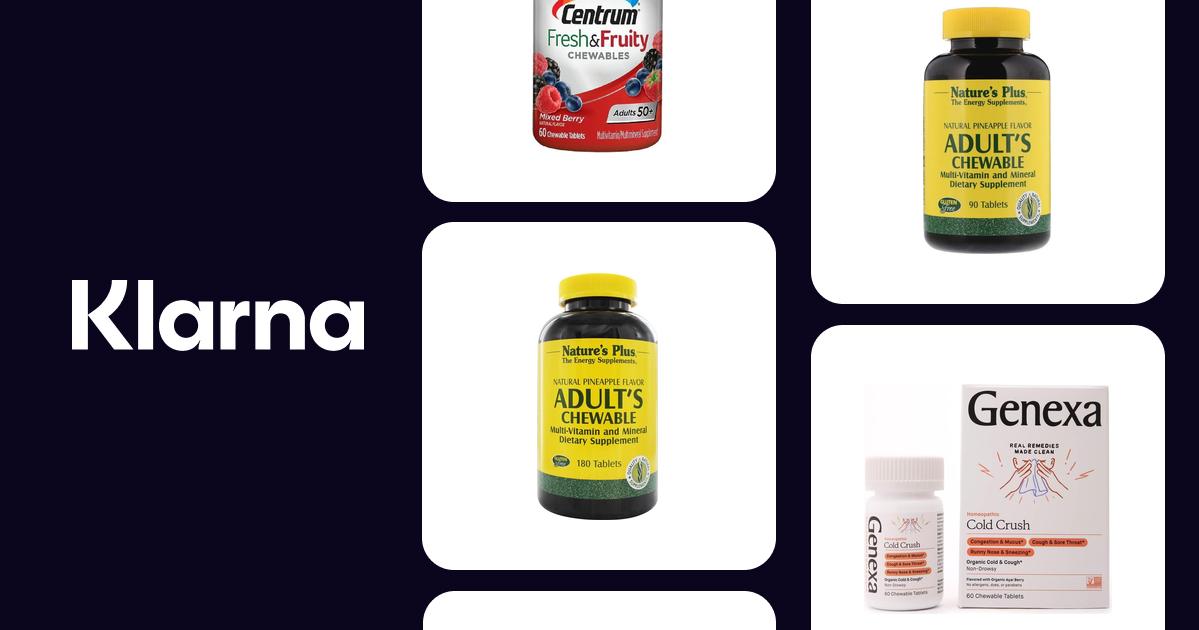
Chewable daily vitamins serve a wide range of demographic groups, each with distinct nutritional requirements and health goals. Understanding these demographics can help in creating targeted products that cater to their unique needs, ensuring optimal health and well-being.
Children, seniors, and individuals with dietary restrictions represent some of the primary groups that benefit from chewable vitamins. Each of these demographics has specific nutritional needs that can be effectively met through tailored formulations. Chewable vitamins can play a crucial role in bridging nutritional gaps, making it easier for these individuals to maintain their health.
Children and Their Nutritional Needs
Children are in a critical growth stage and require various vitamins and minerals to support their development. Chewable vitamins designed for children often come in fun flavors and shapes to encourage compliance. The following nutrients are particularly important for children’s health:
- Calcium: Essential for developing strong bones and teeth.
- Vitamin D: Helps the body absorb calcium and supports immune function.
- Vitamin C: Important for growth and repair of tissues, as well as boosting the immune system.
- Iron: Necessary for cognitive development and energy levels.
Examples of chewable vitamins tailored for children include gummy multivitamins that combine these essential nutrients, making them appealing and easy to take.
Seniors and Their Nutritional Needs
Seniors often face unique health challenges and may have specific dietary needs due to aging. Chewable vitamins for seniors typically focus on supporting bone health, cognitive function, and heart health. Key nutrients for seniors include:
- Vitamin B12: Vital for maintaining nerve function and preventing memory loss.
- Calcium and Vitamin D: Important for maintaining bone density and preventing osteoporosis.
- Omega-3 fatty acids: Support heart health and cognitive function.
- Antioxidants: Help combat oxidative stress and reduce inflammation.
Chewable options like calcium and vitamin D gummies or soft chewable omega-3 supplements are popular among seniors, providing essential nutrients in an easy-to-consume format.
Individuals with Dietary Restrictions
People with dietary restrictions, whether due to allergies, intolerances, or lifestyle choices, often struggle to obtain adequate nutrition. Chewable vitamins can be formulated to accommodate various dietary needs, ensuring that everyone can meet their nutritional goals. Important considerations include:
- Vegan and Vegetarian Options: Chewable vitamins that do not contain animal-derived ingredients, such as gelatin-free gummies.
- Gluten-Free Formulas: Essential for individuals with celiac disease or gluten sensitivities.
- Allergen-Free Products: Chewable vitamins that are free from common allergens like dairy, nuts, and soy.
- Specialized Nutrients: Targeted formulations that provide nutrients like vitamin B12 or iron for those on plant-based diets.
Examples of chewable vitamins designed for individuals with dietary restrictions include vegan multivitamins that use pectin instead of gelatin and gluten-free vitamin gummies that cater to those with gluten intolerances.
Key Ingredients to Look for in Quality Chewable Vitamins
When selecting chewable vitamins, it’s essential to prioritize quality ingredients that contribute to overall health. High-quality chewable vitamins should contain a blend of vitamins and minerals that are beneficial for the body. Understanding the key ingredients can help you make informed choices about your supplement intake.
Significance of ingredient formulation cannot be understated, especially when comparing natural versus synthetic components. Natural ingredients are derived from whole foods and are often more bioavailable, meaning they are easier for the body to absorb. In contrast, synthetic ingredients, though effective, may not provide the same level of nutritional benefits. Those seeking the most effective supplementation should look for products that emphasize natural sources.
Essential Vitamins and Minerals
Several vitamins and minerals are crucial when evaluating the quality of chewable vitamins. Here’s a list of vital ingredients to look for:
- Vitamin C: An antioxidant that supports the immune system and skin health. Natural sources include citrus fruits and vegetables.
- Vitamin D: Plays a significant role in bone health and immune function. This vitamin is often derived from sunlight exposure but can also be found in mushrooms and fortified foods.
- Vitamin B12: Essential for energy production and neurological function, primarily sourced from animal products, making it particularly important for vegetarians and vegans.
- Calcium: A key mineral for bone strength, often sourced from dairy products, fortified non-dairy alternatives, and leafy greens.
- Magnesium: Involved in over 300 biochemical reactions in the body, magnesium can be sourced from nuts, seeds, and whole grains.
When assessing chewable vitamins, prioritize those that contain these essential nutrients.
Reading Labels for Quality
Understanding how to read labels effectively is crucial for identifying quality chewable vitamins. Here’s what to focus on:
First, check for the presence of a complete ingredient list, which includes both active and inactive ingredients. Active ingredients are those that provide the vitamin or mineral benefits, while inactive ingredients typically include binders, flavorings, and sweeteners.
Look for products with minimal artificial additives, preservatives, and high sugar content. Natural flavorings and sweeteners, like stevia or monk fruit, are preferable. Additionally, verify if the vitamins are sourced from whole foods, which can enhance nutrient absorption.
A clean label with simple, recognizable ingredients often indicates a higher-quality product.
Lastly, consider third-party testing seals on the packaging, which can add an extra layer of assurance regarding the product’s quality and potency. Products that have been independently verified ensure that what’s listed on the label matches what’s in the bottle.
Common Misconceptions About Chewable Vitamins
Chewable vitamins have gained popularity for their convenience and taste, but with that popularity come several misconceptions. Many people overlook their benefits or harbor concerns about their efficacy and safety. It’s important to address these myths to ensure proper understanding and usage of chewable vitamins.
One prevalent myth is that chewable vitamins are less effective than traditional pills. In reality, chewable vitamins can be just as effective as their non-chewable counterparts. The key factors influencing vitamin absorption include the formulation and individual digestive health rather than the form in which the vitamin is consumed. Chewing vitamins can enhance the release of active ingredients, aiding in their absorption.
Myth: Chewable Vitamins are Unsafe for Children
There is a common belief that chewable vitamins pose a safety risk for children. However, when formulated specifically for kids and taken as directed, these vitamins can be safe and beneficial. Parents should be aware of the following points regarding the safety of chewable vitamins for children:
- Chewable vitamins designed for children typically have lower dosages that align with their nutritional requirements.
- The flavoring agents used in chewable vitamins are often derived from natural sources, making them appealing without harmful additives.
- Proper education about vitamin intake can prevent misuse, ensuring that children understand these are supplements and not candies.
“Consulting a healthcare professional is essential to determine the right vitamin regimen for children.”
Myth: All Chewable Vitamins Contain Sugar
Another misconception is that all chewable vitamins are loaded with sugar, which can deter health-conscious individuals from using them. While it is true that some brands may include sugar for taste, many sugar-free options are available. It’s crucial to read the labels and look for:
- Natural sweeteners like stevia or monk fruit, which provide flavor without added sugar.
- Brands that emphasize low-sugar or sugar-free formulations, catering to various dietary preferences.
- Vitamins fortified with essential nutrients, offering a healthy alternative to candy-like products.
The Importance of Professional Guidance
Despite the convenience of chewable vitamins, the importance of consulting with healthcare professionals cannot be overstated. Individuals should be aware of the following aspects:
- Healthcare professionals can provide personalized recommendations based on individual dietary needs and health conditions.
- Some vitamins may interact with medications, making it crucial to discuss supplementation with a doctor.
- Routine blood tests can help assess deficiencies, guiding informed choices about vitamin intake.
Understanding these misconceptions helps ensure that chewable vitamins are used safely and effectively. By debunking these myths, individuals can make informed choices about their nutritional supplements.
How to Incorporate Chewable Vitamins into a Daily Routine
Integrating chewable vitamins into your daily routine can be a simple yet effective way to enhance your overall health. These tasty supplements not only make nutrient intake enjoyable but can also complement your dietary choices. By establishing a consistent routine, you can ensure that you benefit from the vitamins you need while balancing them with your diet.
To effectively incorporate chewable vitamins into your routine, it’s important to consider your daily schedule and meal times. This helps in maintaining a balanced intake of both vitamins and nutrients from food sources. Chewable vitamins can be taken at specific times to maximize their benefits and support your daily nutritional needs.
Strategies for Consistent Vitamin Intake
Establishing a routine for taking chewable vitamins can be straightforward when you integrate them into your existing habits. Here are some strategies to help make them a regular part of your day:
- Pair with Meals: Taking vitamins alongside meals can enhance absorption and serve as a reminder. For instance, having a chewable vitamin with breakfast can set a positive tone for the day.
- Set a Daily Reminder: Use your phone or a planner to set reminders for your vitamin intake. A notification can help you remember to take them consistently.
- Keep Them Accessible: Store your chewable vitamins in a visible place, like next to your toothbrush or on the kitchen counter, so you are reminded to take them.
- Involve Family: If you have family members who also take vitamins, make it a family ritual. This not only helps in consistency but also promotes healthy habits among family members.
Balancing Vitamin Intake with Dietary Nutrition
While chewable vitamins provide essential nutrients, they should complement rather than replace a balanced diet. Here are some practical tips to ensure a harmonious balance between vitamins and your dietary sources:
- Diversify Your Diet: Focus on consuming a variety of fruits, vegetables, whole grains, and proteins to ensure you receive a wide range of nutrients.
- Monitor Your Intake: Keep track of the vitamins and minerals you consume through both food and supplements to avoid excessive intake of certain nutrients.
- Consult a Professional: Consider speaking with a healthcare provider or a nutritionist to tailor your vitamin intake based on your dietary habits and health goals.
Sample Daily Schedule for Vitamin Consumption
Creating a structured daily routine can help seamlessly integrate chewable vitamins into your life. Here’s a sample schedule that includes suggested timings for vitamin consumption:
| Time | Activity |
|---|---|
| 7:30 AM | Breakfast (Include a serving of chewable vitamins) |
| 12:00 PM | Lunch (Ensure a balanced meal with plenty of veggies) |
| 3:00 PM | Afternoon Snack (Optional chewable vitamin if needed) |
| 6:30 PM | Dinner (Focus on a variety of food groups) |
| 9:00 PM | Wind down (Reflection on the day’s nutrition and plan for tomorrow) |
Utilizing these strategies, you can effectively incorporate chewable vitamins into your daily routine while ensuring you maintain a balanced diet. This approach helps in optimizing your health and wellness journey.
The Role of Chewable Vitamins in Preventative Health Care
Chewable vitamins have become a popular choice not only for their convenience but also for their significant role in preventative health care. By providing essential nutrients in a tasty and easy-to-consume format, these vitamins can support overall health and wellness, particularly in reducing the risk of various illnesses. Regular supplementation can enhance immunity, improve nutrient intake, and foster long-term health benefits.
The relationship between regular supplementation of chewable vitamins and reduced illness rates is well-documented. A consistent intake of vitamins can bolster the immune system, which is crucial in defending against infections and diseases. Research indicates that individuals who incorporate vitamins into their daily routine often report fewer sick days and improved health outcomes. This proactive approach to health emphasizes the importance of not waiting for illness to strike before addressing nutritional needs.
Impact of Chewable Vitamins on Immune Function
The immune system plays a vital role in our ability to ward off pathogens and maintain health. Chewable vitamins can be particularly beneficial in supporting immune function due to their rich content of essential vitamins and minerals.
To illustrate the impact of chewable vitamins on immune health, consider the following points:
- Vitamin C and Zinc: These two nutrients are commonly found in chewable supplements and have been shown to enhance immune response. Studies have reported that adequate levels of Vitamin C can decrease the duration of colds, while zinc is essential for immune cell function.
- Antioxidant Properties: Vitamins like E and A, often included in chewable forms, act as antioxidants that help reduce oxidative stress and inflammation, supporting overall health and reducing the risk of chronic diseases.
- Prevention of Deficiencies: Regular intake of chewable vitamins can prevent nutrient deficiencies, which can compromise immune function and contribute to higher rates of illness.
Research supports these benefits. A study published in the *American Journal of Clinical Nutrition* found that individuals who regularly took vitamin supplements experienced a significant decrease in illness rates compared to those who did not. Another study indicates that Vitamin D, which is often included in chewable vitamins, can lower the risk of respiratory infections when taken regularly.
“Preventative health measures, including regular supplementation of vitamins, can significantly reduce the incidence of common illnesses and enhance quality of life.”
The integration of chewable vitamins into daily routines not only facilitates better nutrient absorption but also aligns with a preventative health strategy, ultimately leading to healthier, more resilient individuals. This proactive approach to health is more important than ever in today’s fast-paced lifestyle, where nutritional gaps can easily occur.
Understanding the Potential Side Effects of Chewable Vitamins
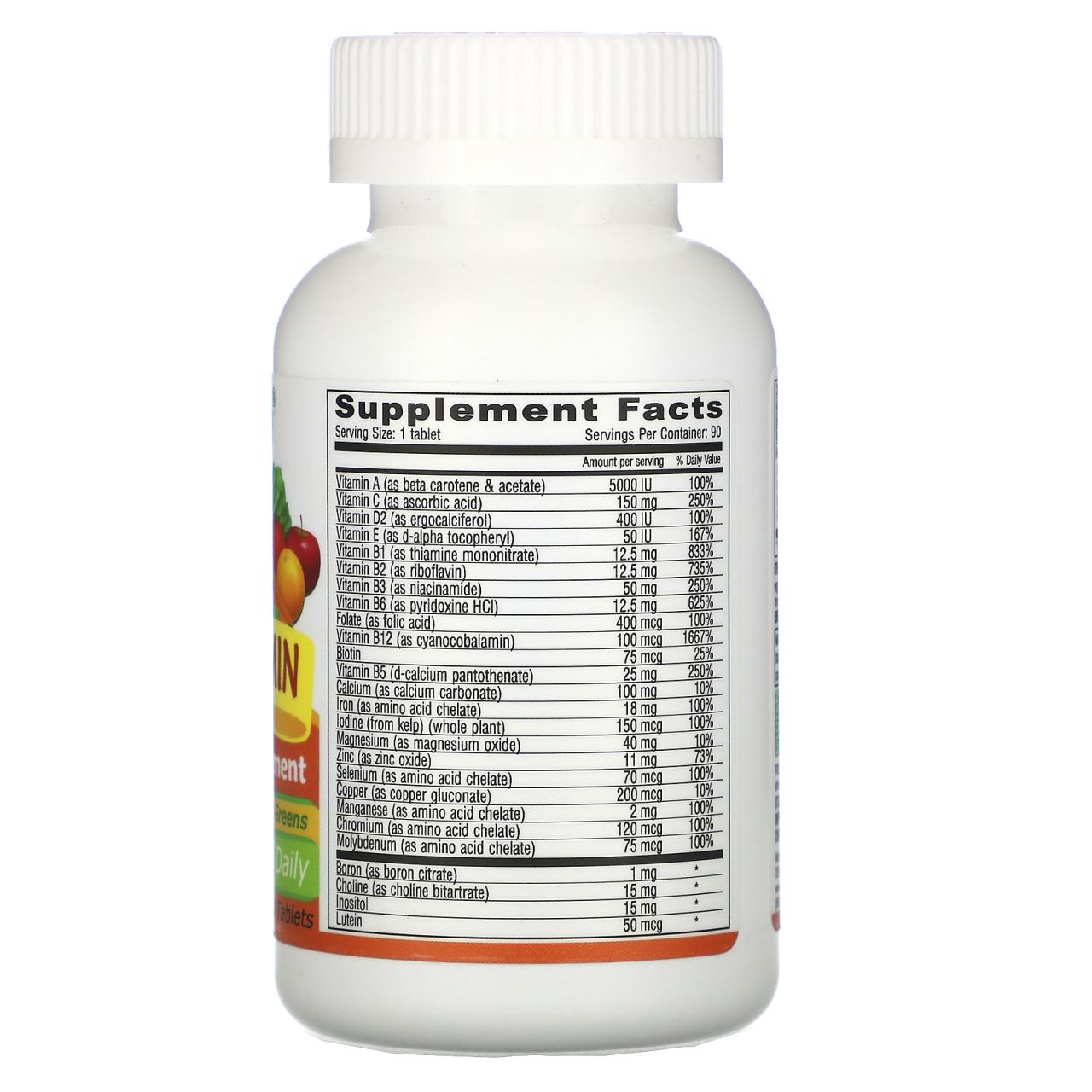
Chewable vitamins provide a convenient and tasty way to boost your daily nutrient intake. However, like any supplement, they come with potential side effects, especially when taken in excess. It’s essential to understand these side effects to ensure you’re reaping the benefits without facing unwanted health issues.
Excessive intake of chewable vitamins can lead to a variety of side effects, primarily due to the presence of certain vitamins and minerals in concentrated forms. Common issues include digestive discomfort, such as bloating, gas, or diarrhea. For instance, consuming too much vitamin C can lead to gastrointestinal upset, while an overload of vitamin A may result in toxicity, manifested through symptoms such as nausea or dizziness. It’s crucial to be mindful of how much you’re consuming and to stay informed about the specific vitamins included in your chewables.
Common Side Effects of Excessive Intake
Overdoing it on chewable vitamins can lead to several health inconveniences. It’s important to recognize these effects to maintain a balanced approach to supplementation. Below are some of the common side effects associated with excessive intake:
- Gastrointestinal Distress: High doses of vitamins, particularly vitamin C and magnesium, can cause symptoms like diarrhea and stomach cramps.
- Headaches: Overconsumption of certain vitamins, such as niacin, may lead to headaches as a side effect.
- Tooth Decay: Chewable vitamins often contain sugar, which can contribute to dental problems if proper oral hygiene is not maintained.
- Allergic Reactions: Some individuals may experience allergic reactions to specific ingredients or additives in chewable vitamins, leading to rashes or breathing difficulties.
The importance of adhering to recommended dosages cannot be overstated. This ensures that you receive the nutrients you need without risking overdose or adverse reactions. It’s recommended to consult healthcare professionals before starting any vitamin regimen, especially if you have pre-existing health conditions or are on medication.
“Moderation is key in any supplement intake to avoid the pitfalls of excessive consumption.”
To avoid side effects while enjoying the health benefits of chewable vitamins, consider these tips:
- Follow Recommended Dosages: Stick to the manufacturer’s guidelines and consult with a healthcare provider when in doubt.
- Monitor Your Intake: Keep track of all vitamins consumed, including those from food sources, to prevent exceeding safe limits.
- Choose Sugar-Free Options: Opt for chewable vitamins that use alternative sweeteners to protect your dental health.
- Consider Your Individual Needs: Every person’s nutritional requirement is different. Tailor your vitamin intake to match your dietary needs and lifestyle.
Innovations in Chewable Vitamin Formulations
The landscape of chewable vitamins has seen remarkable innovations in recent years, driven by consumer demand for more effective and enjoyable supplements. These advancements focus not only on the formulation and delivery of vitamins but also on enhancing the overall experience of taking them. As health-conscious consumers seek alternatives to traditional pills, the evolution of chewable vitamins is more relevant than ever.
Recent technological advancements in chewable vitamin formulations have led to improved bioavailability and absorption rates. Manufacturers are now employing techniques such as microencapsulation, which protects sensitive ingredients from degradation while allowing for a controlled release. This ensures that nutrients are delivered effectively to the body. Furthermore, the shift towards plant-based and natural sources of vitamins has led to formulations that are not only more effective but also more appealing to a broader audience.
Flavor Innovations in Chewable Vitamins
Flavoring has become a critical aspect of chewable vitamin formulations, significantly impacting consumer acceptance and enjoyment. The industry has evolved from basic fruity flavors to a diverse range of unique and sophisticated taste profiles. This evolution reflects the growing demands of consumers who seek both health benefits and enjoyable experiences.
The importance of flavoring in chewable vitamins cannot be overstated. The right flavors can greatly enhance the appeal of vitamins, especially for children and adults who may be reluctant to take supplements. As such, manufacturers are innovating by incorporating natural flavorings and sweeteners, moving away from artificial additives. Here are some notable trends in flavor innovations within chewable vitamins:
- Exotic Fruits: Flavors such as acai, dragon fruit, and passionfruit are becoming popular, appealing to adventurous palates.
- Herbal Infusions: Combinations like ginger-lemon or mint-basil are now incorporated, offering not only flavor but also additional health benefits.
- Customized Flavor Profiles: Brands are now allowing consumers to choose their preferred flavors from a range of options, catering to individual tastes.
- Seasonal Flavors: Limited-edition flavors such as pumpkin spice or peppermint are released to capture the essence of different seasons.
In addition to flavor innovations, ingredient sourcing has also transformed, with a focus on transparency and sustainability. Many brands now prioritize ethically-sourced ingredients, catering to a market that values environmental responsibility. By promoting natural sources, manufacturers not only improve the nutritional profile of their products but also resonate with eco-conscious consumers.
Overall, the evolution of chewable vitamins reflects a commitment to consumer satisfaction, blending health benefits with enjoyable, innovative experiences. These advancements signify a bright future for chewable supplements, as they continue to adapt to the preferences and needs of modern consumers.
The Future of Chewable Vitamins in Health and Wellness
As consumers become more health-conscious and knowledgeable about nutrition, the demand for chewable vitamins is expected to grow significantly. This evolution in the supplement industry reflects a broader trend where convenience, taste, and efficacy are paramount in shaping product offerings. The future of chewable vitamins will likely hinge on innovation driven by consumer preferences, leading to a diverse range of options that cater to specific health needs and lifestyles.
Emerging trends suggest that the supplement sector is becoming increasingly tailored to individual preferences and dietary requirements. The rise of personalized nutrition, where vitamins and supplements are customized to fit personal health profiles, is leading manufacturers to rethink their product lines. Chewable vitamins are no exception; they are evolving to meet specific consumer demands for taste, texture, and nutritional value.
Consumer Preferences Shaping Product Development
Understanding consumer preferences is critical for the successful development of chewable vitamins. As consumers seek out products that align with their values, manufacturers are responding with formulations that reflect these changing expectations. Key areas of focus include:
- Taste and Flavor Variety: With many individuals reluctant to consume traditional pills, the emphasis on delicious flavors is paramount. Brands are experimenting with a range of flavors, from fruity to savory, to enhance appeal.
- Functional Ingredients: The incorporation of additional functional ingredients such as probiotics, adaptogens, and herbal extracts is becoming increasingly popular. These ingredients contribute to broader health benefits beyond basic vitamin supplementation.
- Natural and Organic Options: A shift towards clean-label products has led to a demand for organic and natural ingredients. Consumers are looking for chewable vitamins free from artificial colors, flavors, and preservatives.
- Targeted Solutions: The development of chewable vitamins tailored to specific demographics or health concerns—such as prenatal vitamins, children’s vitamins, or those targeting immunity—reflects a more personalized approach to supplementation.
- Eco-Friendly Packaging: As sustainability becomes a priority for many consumers, brands are exploring eco-friendly packaging solutions that minimize environmental impact while maintaining product integrity.
The future landscape of chewable vitamins will likely be defined by the integration of technology and nutritional science. For instance, advancements in food technology may lead to improved bioavailability of nutrients, ensuring that consumers receive the maximum benefit from their supplements. Additionally, the use of data analytics and consumer feedback is becoming integral to product development, allowing companies to fine-tune their offerings based on real-world usage and preferences.
“The evolution of chewable vitamins is a testament to the growing intersection of health, taste, and convenience in the supplement industry.”
In summary, as the health and wellness landscape continues to evolve, chewable vitamins are poised to become an increasingly significant component of daily nutrition. The combination of consumer preferences, innovative formulations, and enhanced delivery mechanisms will shape a bright future for this segment of the supplement market.
Ending Remarks
In summary, chewable daily vitamins serve as a valuable tool in promoting better health through improved absorption and enjoyable consumption. As we navigate the world of nutrition, understanding the benefits and innovations of chewable vitamins allows us to make informed choices that enhance our well-being. With the right information and a commitment to daily supplementation, anyone can take proactive steps towards a healthier future.
FAQ Explained
Are chewable vitamins as effective as tablets?
Yes, chewable vitamins can be just as effective as traditional tablets, often providing better absorption rates due to their formulation.
Can adults take chewable vitamins designed for children?
While it’s generally safe for adults to take children’s chewable vitamins, it’s advisable to check the dosage and nutrient levels to ensure they meet adult needs.
How many chewable vitamins should I take daily?
Always follow the recommended dosage on the label or consult with a healthcare professional for personalized advice.
Do chewable vitamins have artificial flavors?
Some chewable vitamins may contain artificial flavors, so it’s important to read labels and choose brands that use natural ingredients if you prefer.
Can chewable vitamins replace a healthy diet?
No, while chewable vitamins can supplement your diet, they should not replace whole food sources of essential nutrients for a balanced diet.