
Daily vitamins for picky eaters is a crucial topic for parents navigating the often challenging dietary habits of their children. Many kids can be quite selective about what they eat, leading to gaps in essential nutrients that are vital for their growth and overall well-being. Understanding the specific vitamins and minerals that may be lacking in their diets can help parents make informed decisions about supplementation and dietary adjustments.
In this guide, we will explore the nutritional needs of picky eaters and review the role of daily vitamins in supporting their health. We’ll also provide strategies for introducing these vitamins in appealing ways and discuss the various forms they come in, ensuring that parents are well-equipped to enhance their children’s nutrition.
Understanding the Nutritional Needs of Picky Eaters
Many children and even some adults can be quite selective about the foods they eat, leading to a limited diet that lacks essential nutrients. Picky eaters often gravitate towards familiar flavors and textures, which can result in the omission of a wide range of vital vitamins and minerals. This selective eating can have significant implications for their overall health, development, and well-being.
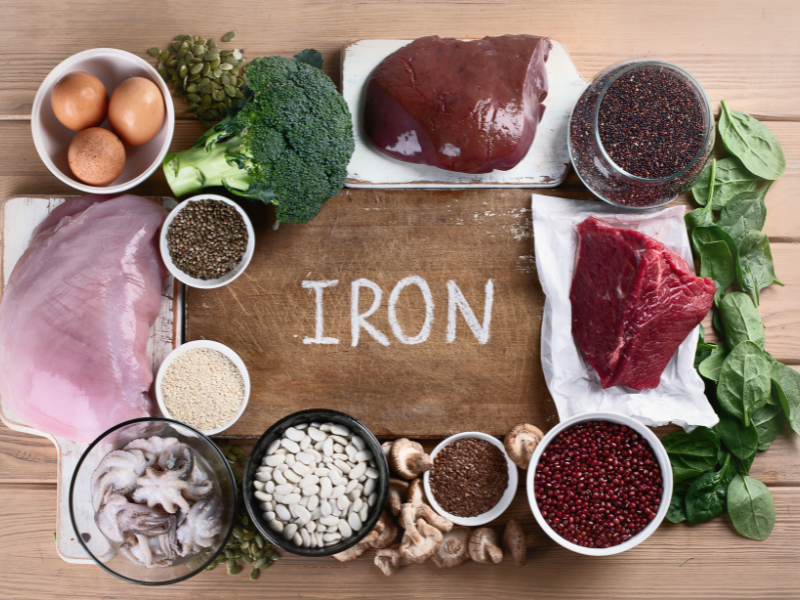
Nutritional deficiencies are common in picky eaters due to their restricted dietary choices. Essential vitamins such as vitamin A, C, D, and B vitamins, along with minerals like iron, calcium, and zinc, frequently fall short in their diets. For instance, vitamin A is crucial for vision and immune function, while vitamin D is key for bone health. Iron deficiency can lead to anemia, characterized by fatigue and weakness, which is particularly concerning for growing children. Calcium and zinc are also fundamental for healthy growth, but picky eaters may refuse dairy products, leading to low intake of these vital nutrients.
Common Dietary Restrictions and Their Health Impact
Picky eaters often impose dietary restrictions that can exacerbate nutrient deficiencies. These may include an aversion to vegetables, fruits, whole grains, and protein sources such as meat or legumes. Such limitations can lead to a diet high in processed foods and sugars, which are low in essential nutrients.
The consequences of these dietary choices can be severe. For example, a child who avoids vegetables may miss out on important fiber and antioxidants, potentially affecting their digestive health and immune system functionality. Those who do not consume adequate protein may experience impaired growth and muscle development. The lack of variety can also lead to a monotonous diet, which can negatively impact mood and energy levels.
Balanced nutrition is vital for maintaining energy and mood, as certain nutrients play specific roles in brain chemistry. The absence of key nutrients such as omega-3 fatty acids—often found in fish and nuts—can affect cognitive function and emotional health, potentially leading to mood swings, irritability, and fatigue. A well-rounded diet helps stabilize energy levels and enhances overall well-being, making it essential for picky eaters to broaden their food choices and ensure they receive sufficient nutrition for healthy development.
The Role of Daily Vitamins for Children
Daily vitamins play a crucial role in the overall health and development of children, particularly for those who are picky eaters. Children often have specific dietary restrictions or preferences that can limit their intake of essential nutrients. This is where daily vitamins act as a supportive element, ensuring that children receive the nutrients necessary for optimal growth, brain development, and a strong immune system. For picky eaters, daily vitamins can bridge the gap created by a limited diet, offering a safety net that helps maintain their health.
Vitamins and minerals are integral to many bodily functions. A deficiency in these nutrients can lead to various health issues, from weakened bones to impaired cognitive function. For children who are selective about their food choices, daily vitamins can provide the necessary nutrients that may be lacking in their diets. Here are some key vitamins that are especially beneficial for children’s health:
Key Vitamins Beneficial for Children
Understanding specific vitamins and their roles helps parents make informed decisions about supplementation. The following vitamins are essential for children:
- Vitamin A: Vital for vision, immune function, and skin health, Vitamin A supports children’s growth and development. It can be found in foods like carrots and sweet potatoes, but supplementation can help ensure adequate intake.
- Vitamin D: Crucial for bone health, Vitamin D aids in calcium absorption. Many children may not get enough sunlight exposure, making supplementation a practical solution.
- Vitamin C: Important for immune health, Vitamin C helps in the absorption of iron and supports skin health. It’s commonly found in fruits like oranges, but picky eaters may miss out.
- B Vitamins (B6, B12, Folate): These vitamins are essential for energy production and brain development. They can be challenging to obtain from limited diets, hence the need for supplementation.
Daily vitamins serve as a valuable supplement to the limited diets of picky eaters, ensuring that they receive the essential nutrients needed for growth and health. By choosing appropriate vitamin supplements, parents can help nourish their children effectively, promoting a healthier future.
Strategies for Introducing Vitamins to Picky Eaters

Getting picky eaters to consume their daily vitamins can be quite a challenge for many parents. However, with a few creative strategies, making vitamins a part of their routine can become easier and even enjoyable. It’s crucial to approach this with patience and ingenuity, leveraging the child’s preferences while ensuring they receive the essential nutrients they need for healthy growth and development.
One effective method is to incorporate vitamins directly into meals and snacks. By disguising the vitamins in familiar foods that children already enjoy, you can enhance their nutritional intake without resistance. For instance, consider blending vitamins into smoothies or mixing them into pancake or muffin batters. This not only masks the taste but also adds a fun twist to their favorite foods. Another strategy involves making vitamin consumption a family activity; for example, involve your child in selecting vitamin flavors or shapes, making them feel part of the process and more willing to try them.
Fun Ways to Incorporate Vitamins into Meals and Snacks
Finding ways to include vitamins into appealing meals and snacks requires a little creativity. Here are some engaging ideas that can attract even the pickiest of eaters:
- Colorful Smoothies: Blend fruits like bananas, berries, and spinach with yogurt or milk. Adding a scoop of powdered vitamins can make this a nutritious treat.
- Fun Shaped Pancakes: Use cookie cutters to create fun shapes when making pancakes and mix in vitamins to the batter for an extra nutrient boost.
- Yummy Yogurt Parfaits: Layer yogurt with granola, fruits, and a sprinkle of vitamin powder; visually appealing and delicious.
- Homemade Fruit Pops: Blend fruit juices with vitamins and freeze them in molds to create tasty popsicles.
- Veggie Dips: Serve colorful veggies with a dip made from yogurt and hidden vitamins, making snacking healthy and fun.
Making vitamins more appealing can also be achieved through creative presentations and flavors. The visual aspect of food plays a significant role in children’s acceptance. Use vibrant colors and fun shapes to enhance the appeal. For example, create a “rainbow plate” with a variety of fruits and vegetables, ensuring that vitamins are subtly incorporated. Moreover, consider flavors that children typically enjoy, such as berry, chocolate, or citrus. Many vitamin supplements come in these flavors, making them more enticing.
Creative presentation and appealing flavors can significantly enhance a child’s willingness to consume vitamins.
Evaluating Different Types of Daily Vitamins
When it comes to selecting daily vitamins for picky eaters, understanding the various forms available is crucial. Parents often find themselves choosing between gummies, powders, and liquids, each offering unique benefits and challenges. This evaluation will help navigate the options based on taste, ease of use, and absorption rates, allowing for informed decisions tailored to individual dietary needs.
The market offers several forms of daily vitamins designed specifically for children. Each type has its strengths and weaknesses, affecting how well children accept and absorb these nutrients.
Comparison of Vitamin Forms
To better understand the differences, we’ll analyze the three primary forms of vitamins: gummies, powders, and liquids. Here’s a breakdown of their advantages and disadvantages:
- Gummies:
Kids often love the taste of gummies, making them an appealing choice for picky eaters.
Pros:
- Tasty and appealing flavors encourage regular consumption.
- Easy to chew and swallow, making them suitable for younger children.
Cons:
- May contain added sugars, which can be a concern for parents.
- Limited nutrient diversity compared to other forms, often focusing on common vitamins like A, C, and D.
- Powders:
Powdered vitamins can be mixed into foods or drinks, providing flexibility.
Pros:
- Can be easily added to smoothies or cereals, enhancing nutrient intake without altering taste significantly.
- Often contain a broader range of vitamins and minerals.
Cons:
- Some children may be reluctant to try new textures.
- Measuring the right dosage may be inconvenient for parents.
- Liquids:
Liquid vitamins can be effective for children who struggle with swallowing pills or gummies.
Pros:
- Quick absorption into the bloodstream due to liquid form.
- Usually easier to customize dosage, especially for varying age groups.
Cons:
- Taste can be off-putting for some kids, leading to rejection.
- Potential for spills or messes during administration.
Selecting the right type of vitamin should consider your child’s preferences and dietary needs. For taste-oriented children, gummies may be the best choice, while those needing more diverse nutrients might benefit from powders or liquids. Always check for added sugars and consult a pediatrician to ensure the chosen vitamins align with your child’s specific health requirements.
Customizing Vitamin Intake Based on Individual Needs
Picky eaters often have specific dietary preferences that can significantly influence their vitamin selection. Understanding the unique needs of these individuals is crucial in ensuring they receive the necessary nutrients for optimal health. Many picky eaters may avoid certain food groups due to taste preferences, allergies, or sensory issues, leading to potential deficiencies. Tailoring vitamin intake to address these needs requires insight into both dietary habits and nutritional science.
Identifying the specific dietary preferences of picky eaters involves careful observation and discussion about their food choices. Common traits include a strong aversion to vegetables, limited protein sources, or a preference for refined carbohydrates. These habits can affect vitamin levels, particularly vitamins A, C, D, and several B vitamins, which are often found in fruits, vegetables, and diverse protein sources. For instance, a child who refuses to eat greens might be at risk for vitamin K deficiency, while another who dislikes dairy might lack calcium and vitamin D. Therefore, recognizing these patterns is the first step in customizing a vitamin regimen.
Tailoring Vitamin Intake to Meet Health Goals
When customizing vitamin intake, it’s essential to align with specific health goals or address deficiencies. This involves selecting supplements that not only fill nutritional gaps but also cater to individual preferences. For example, if a child is deficient in iron due to a limited intake of red meat, incorporating a vegan-friendly iron supplement might be beneficial. Moreover, choosing chewable or gummy vitamins can appeal to picky eaters who prefer enjoyable forms of supplements.
Consulting with healthcare professionals is a vital component of creating a personalized vitamin plan. A registered dietitian or pediatrician can conduct assessments to identify specific deficiencies through blood tests or dietary evaluations. They can also offer tailored recommendations based on the child’s age, activity level, and any underlying health conditions.
In summary, customizing vitamin intake for picky eaters is about understanding their unique dietary habits and health requirements. By working with healthcare providers, caregivers can ensure that these individuals get the vitamins they need to thrive while also respecting their preferences.
The Importance of Regular Consultation with Healthcare Providers
Consulting with healthcare providers, such as pediatricians or nutritionists, is crucial for parents of picky eaters. These professionals possess the expertise to assess dietary needs and recommend appropriate vitamin supplementation. Regular communication with them ensures that a child’s nutritional intake aligns with their developmental requirements, particularly in the case of selective eaters who may be missing out on essential nutrients.
Healthcare professionals play a vital role in evaluating a child’s overall nutritional status. They can identify specific deficiencies or potential health concerns stemming from limited dietary choices. For instance, a pediatrician might conduct blood tests to check for anemia or vitamin D deficiency due to an unbalanced diet. This thorough assessment allows for tailored advice, ensuring that children receive the right vitamins and minerals. The healthcare provider can also suggest safe and effective supplements that can bridge any nutrient gaps.
Monitoring Growth and Development
Regular check-ups with healthcare providers are essential for monitoring growth and development, particularly in relation to dietary habits. These visits provide an opportunity to track a child’s growth patterns, weight, and overall health. Healthcare professionals can compare these metrics against standard growth charts, which highlight whether a child is on track developmentally.
Key aspects during these consultations include:
- Growth Measurements: Pediatricians measure height and weight during each visit, helping identify any growth concerns early on.
- Dietary Assessment: Providers evaluate daily dietary intake, discussing specific foods that may need to be introduced to improve nutritional balance.
- Behavioral Insights: Understanding the child’s eating habits and preferences can guide healthcare professionals in suggesting practical strategies for enhancing nutrition.
- Health Screenings: Regular screenings for potential deficiencies can lead to timely interventions, ensuring children receive necessary vitamins to support their growth.
Regular consultations help create a supportive framework for families, empowering parents with knowledge and resources to foster healthy eating habits in picky eaters. Ultimately, these proactive measures can contribute significantly to a child’s long-term health and well-being.
Real-Life Success Stories
Integrating daily vitamins into the routines of picky eaters can seem like a daunting task for many parents. However, numerous success stories highlight how effective these vitamins can be in improving both dietary habits and overall health. Parents often share their experiences, offering hope and tangible results to others facing similar challenges.
One notable success story comes from Sarah, a mother of two picky eaters. She struggled for years to ensure her children consumed the necessary nutrients through whole foods, often finding that their limited diet led to frequent illness and fatigue. After consulting with a pediatrician, she decided to introduce a daily multivitamin. Within a month, she observed significant changes in her children’s energy levels and mood. “It was like a light switch turned on,” she remarked. “Suddenly, they were more active and engaged in playtime, and they even showed interest in trying new foods.”
Another parent, Mark, faced a different challenge. His son had sensory sensitivities that made him averse to many textures and flavors. After trying various brands of vitamins, they found one that was gummy-based, which appealed to his son’s preferences. Mark noted, “Initially, there was resistance. But when he tasted those gummies, it was a game-changer. He actually looked forward to taking them!” Over the next few months, Mark noticed improvements in his son’s overall health, including fewer colds and improved concentration in school.
While these stories sound promising, the journey often comes with hurdles. For instance, some parents may encounter initial resistance from their children. To overcome this, many parents share tips such as incorporating the vitamins into a daily routine, making it a fun family event, or even using creative storytelling to make vitamin time more exciting.
As these anecdotes illustrate, incorporating daily vitamins into the routines of picky eaters can bring about positive changes in behavior and health. Parents report not only enhanced well-being in their children but also a gradual openness to trying new foods, leading to a more balanced diet overall. Through patience and creativity, the transition to daily vitamins can be smooth and beneficial for both parents and children.
Last Recap
In summary, daily vitamins for picky eaters are not just a supplementary option; they can be an essential part of a child’s health regimen. By understanding their nutritional needs and implementing effective strategies for introducing vitamins, parents can significantly improve their children’s dietary habits and overall health. Remember that consulting with healthcare providers can provide tailored guidance, helping each child thrive even in their pickiest eating phases.
Clarifying Questions
What should I look for in a multivitamin for my child?
Look for a multivitamin that includes essential vitamins like A, C, D, E, and minerals such as calcium and iron, specifically formulated for children’s needs.
Are gummy vitamins effective for picky eaters?
Gummy vitamins can be effective since they are often more appealing due to their taste and texture, but be cautious about sugar content.
How can I make vitamins more appealing to my child?
Try incorporating them into smoothies, yogurt, or baked goods, and choose flavors that your child enjoys.
Is it safe for my child to take vitamins daily?
Generally, daily vitamins are safe for children when taken as directed, but it’s best to consult with a healthcare professional.
What if my child refuses to take vitamins?
If your child refuses, try different forms such as chewables, powders, or even incorporating vitamins into food, and consult a pediatrician for alternatives.