

Daily Magnesium supplement is essential for maintaining a balanced life, yet many people overlook its importance. This often underestimated mineral plays a pivotal role in various bodily functions, from muscle contraction to nerve transmission, and even in maintaining emotional stability. With increasing awareness about nutrition, magnesium supplementation has gained traction, prompting a closer look at its remarkable benefits.
Magnesium deficiency is surprisingly prevalent, impacting countless individuals without them even realizing it. Symptoms can vary widely, from fatigue and muscle cramps to anxiety and depression. Understanding the significance of magnesium can empower us to make better health choices and improve our overall quality of life.
The Importance of Daily Magnesium Supplementation for Overall Health
Magnesium is a vital mineral that plays a significant role in numerous bodily functions, making it essential for overall health and well-being. Despite its importance, many individuals do not consume adequate amounts of magnesium through their diet. This deficiency can lead to a variety of health issues, emphasizing the need for daily supplementation.
Magnesium is involved in over 300 biochemical reactions in the body. It plays a crucial role in energy production, muscle contraction, nerve function, and the synthesis of proteins and DNA. This mineral helps regulate calcium levels, which is vital for bone health and preventing conditions such as osteoporosis. Furthermore, magnesium is essential for maintaining normal heart rhythms and blood pressure levels. Without sufficient magnesium, individuals may experience various health complications, ranging from mild fatigue to severe cardiovascular issues.
Symptoms of magnesium deficiency can significantly impact daily life. Common signs include muscle cramps, fatigue, irritability, and sleep disturbances. In more severe cases, magnesium deficiency can lead to symptoms like numbness, tingling, and even seizures. These symptoms can hinder everyday activities, reduce productivity, and diminish overall quality of life. Additionally, magnesium deficiency has been linked to chronic conditions such as diabetes and heart disease, further underscoring the importance of adequate magnesium intake.
Research indicates that magnesium deficiency is prevalent, particularly in specific populations. According to the National Institutes of Health (NIH), approximately 48% of the U.S. population does not meet the recommended daily intake of magnesium. Furthermore, a study published in the journal “Nutrition” found that individuals with lower magnesium intake had higher rates of cardiovascular disease. In another study, researchers discovered that magnesium deficiency was linked to an increased risk of developing type 2 diabetes, illustrating the mineral’s critical role in metabolic health.
Given the widespread nature of magnesium deficiency and its potential health implications, daily supplementation can help individuals meet their magnesium needs, supporting overall health and well-being.
Symptoms and Health Risks of Magnesium Deficiency
Many individuals are unaware of the serious consequences that magnesium deficiency can have on their health. Symptoms can vary from mild to severe, affecting various bodily functions and overall quality of life. The following list highlights some of the key symptoms associated with magnesium deficiency:
- Muscle Cramps: Involuntary contractions of muscles due to insufficient magnesium.
- Fatigue: A pervasive sense of tiredness that can limit daily activities.
- Irritability: Increased levels of anxiety and mood swings.
- Sleep Disturbances: Difficulty falling or staying asleep, often linked to muscle soreness.
- Numbness and Tingling: Abnormal sensations that can affect extremities.
- Seizures: In severe cases, a lack of magnesium can trigger neurological symptoms.
It’s evident that addressing magnesium deficiency through supplementation can prevent these uncomfortable and potentially debilitating symptoms. The impact on daily life can be profound, making it essential to prioritize magnesium intake as a critical component of health and wellness.
Identifying the Best Sources of Magnesium for Supplementation
Magnesium plays a vital role in numerous bodily functions, including muscle contractions, nerve transmission, and bone health. For individuals looking to enhance their magnesium intake, it’s essential to identify both dietary sources and effective supplements. This section focuses on various magnesium-rich foods and supplements available in the market, ensuring that you can make informed choices for your health.
Dietary Sources of Magnesium
A variety of foods are excellent sources of magnesium, contributing significantly to your daily intake. Including these foods in your diet can help you maintain optimal magnesium levels naturally. Here are some notable dietary sources:
- Leafy Greens: Spinach and Swiss chard are among the richest sources of magnesium, with one cup of cooked spinach providing around 157 mg of magnesium.
- Nuts and Seeds: Almonds and pumpkin seeds are particularly high in magnesium. An ounce of almonds contains approximately 76 mg, while pumpkin seeds offer about 150 mg per ounce.
- Whole Grains: Foods like brown rice and quinoa are great sources. A cup of cooked quinoa contains roughly 118 mg of magnesium.
- Legumes: Black beans and lentils are excellent sources, with one cup of cooked black beans providing around 60 mg of magnesium.
- Fish: Fatty fish such as mackerel and salmon can contribute to magnesium intake, with about 53 mg per 3-ounce serving of mackerel.
Comparison of Magnesium Supplements
Magnesium supplements are available in various forms, each with different bioavailability and absorption rates. Understanding these differences can help you choose the best supplement for your needs. Below is a comparison of common types of magnesium supplements:
- Magnesium Citrate: Known for its high absorption rate, this form is often recommended for its laxative effect, aiding digestive health.
- Magnesium Glycinate: This chelated form is gentler on the stomach and is preferred for its calming effects, making it suitable for those with anxiety.
- Magnesium Oxide: While it contains a high amount of magnesium, its bioavailability is lower, often used for treating digestive issues due to its laxative properties.
- Magnesium Malate: This form is easily absorbed and may help with energy production, making it a good choice for those suffering from fatigue.
- Magnesium Taurate: Combining magnesium with taurine, this supplement supports cardiovascular health and is beneficial for those with heart concerns.
Magnesium Content in Common Foods and Supplements
To facilitate easy reference, the following table lists the magnesium content in various foods and supplements. This can be a handy guide for planning your diet or supplementation strategy:
| Food/Supplement | Magnesium Content (mg) |
|---|---|
| Spinach (cooked, 1 cup) | 157 |
| Almonds (1 oz) | 76 |
| Quinoa (cooked, 1 cup) | 118 |
| Black Beans (cooked, 1 cup) | 60 |
| Mackerel (3 oz) | 53 |
| Magnesium Citrate (1 dose) | 200 |
| Magnesium Glycinate (1 dose) | 150 |
| Magnesium Oxide (1 dose) | 400 |
| Magnesium Malate (1 dose) | 300 |
| Magnesium Taurate (1 dose) | 250 |
“Incorporating magnesium-rich foods into your diet along with appropriate supplements can lead to improved overall health and well-being.”
Understanding the Recommended Daily Allowance of Magnesium
Magnesium plays a vital role in numerous bodily functions, from supporting muscle and nerve function to maintaining a healthy immune system. Understanding the recommended daily allowance (RDA) for magnesium is essential for ensuring adequate intake and avoiding deficiencies or excesses. This section will provide an overview of the recommended daily intake for various demographics, the factors that influence individual needs, and the potential consequences of exceeding the recommended dosage.
Recommended Daily Intake of Magnesium
The recommended daily allowance of magnesium varies by age, gender, and life stage. Here’s a breakdown of the RDA for different demographics:
- Infants (0-6 months): 30 mg
- Infants (7-12 months): 75 mg
- Children (1-3 years): 80 mg
- Children (4-8 years): 130 mg
- Children (9-13 years): 240 mg
- Adolescents (14-18 years): 410 mg for males, 360 mg for females
- Adults (19-30 years): 400 mg for males, 310 mg for females
- Adults (31 years and older): 420 mg for males, 320 mg for females
- Pregnant women: 350-400 mg depending on age
- Lactating women: 310-360 mg depending on age
These recommendations emphasize the importance of adjusting magnesium intake according to individual needs and life stages.
Factors Influencing Individual Magnesium Needs
Several factors can influence an individual’s magnesium requirements. These include:
- Diet: Individuals consuming a diet low in magnesium-rich foods such as leafy greens, nuts, seeds, and whole grains may require higher supplementation.
- Lifestyle: Active individuals or athletes may have greater magnesium needs due to increased loss through sweat.
- Health Status: Certain health conditions (e.g., gastrointestinal diseases, diabetes, or renal disorders) can affect magnesium absorption and excretion, necessitating adjustments in intake.
- Medications: Some medications can interfere with magnesium levels, leading to a need for increased dietary intake to maintain optimal levels.
Taking these factors into account can help individuals tailor their magnesium intake to meet their unique needs.
Consequences of Exceeding Recommended Dosage of Magnesium
While magnesium is essential for health, excessive intake can lead to adverse effects. The tolerable upper intake level (UL) for magnesium from supplements and fortified foods is set at 350 mg for adults. Exceeding this limit may result in:
- Diarrhea: High doses of magnesium can act as a laxative, causing gastrointestinal discomfort.
- Nausea: Overconsumption can lead to feelings of nausea or vomiting.
- Heart Issues: Excessive magnesium can cause irregular heart rhythms and potentially lead to cardiac arrest in extreme cases.
- Kidney Problems: Individuals with kidney impairment are particularly at risk, as their ability to excrete excess magnesium is compromised.
It’s essential to balance magnesium intake within recommended limits to avoid these health complications while still reaping the benefits of adequate magnesium levels.
The Benefits of Daily Magnesium Supplementation for Mental Health

Magnesium plays a crucial role in various physiological processes, particularly in the context of mental health. Many individuals experience anxiety and depression, and emerging research suggests that magnesium deficiency may exacerbate these conditions. Understanding the connection between magnesium levels and mental health not only highlights the importance of this mineral but also promotes the idea of supplementation as a potential aid for those struggling with mood disorders.
Magnesium is fundamental for neurotransmitter function and regulating the body’s stress response. Deficiencies in magnesium are often linked to increased anxiety and depressive symptoms. Research indicates that adequate magnesium levels can enhance mood by supporting the secretion of serotonin, the “feel-good” hormone. Additionally, magnesium contributes to cognitive functions such as memory and attention, which are often impaired in individuals dealing with mental health challenges.
Research Studies on Magnesium and Mental Health
Numerous studies have investigated the relationship between magnesium supplementation and its benefits for mental health, providing a solid foundation for its recommended use. Some of the notable findings include:
- Study on Anxiety Reduction: A clinical trial published in the journal “Nutritional Neuroscience” found that participants with generalized anxiety disorder showed significant reductions in anxiety levels after taking magnesium supplements for a month. This study supports the hypothesis that magnesium can help mitigate anxiety symptoms.
- Impact on Depression: Research in “The Journal of Clinical Psychiatry” revealed that patients with major depressive disorder exhibited lower magnesium levels compared to healthy controls. Supplementing with magnesium led to improved mood and reduced depressive symptoms in the participants, further affirming magnesium’s role in mental health.
- Magnesium and Cognitive Function: A study presented at the “American Academy of Neurology” conference indicated that higher magnesium intake was associated with better cognitive performance in older adults. This suggests that maintaining adequate magnesium levels can be protective against cognitive decline, which is often linked to depression and anxiety.
“Adequate magnesium levels can enhance mood by supporting the secretion of serotonin, the ‘feel-good’ hormone.”
These findings emphasize the importance of magnesium not just as a dietary supplement but as a potential therapeutic agent for those experiencing mental health issues. Increasing magnesium intake through diet or supplementation may serve as an effective strategy for improving mental well-being and enhancing cognitive function.
Exploring the Role of Magnesium in Muscle Function and Recovery
Magnesium is a vital mineral that plays a crucial role in various physiological functions, especially in muscle function and recovery. Its importance cannot be overstated for athletes and fitness enthusiasts who often push their bodies to the limit. Understanding how magnesium supports muscle contraction, relaxation, and recovery can enhance performance and aid in faster recovery times.
Magnesium contributes to muscle function by facilitating the processes of contraction and relaxation. During muscle contraction, magnesium helps to regulate calcium levels in muscle cells. Calcium is essential for initiating muscle contraction, while magnesium works to counterbalance its effects by promoting muscle relaxation afterwards. This balance is crucial for optimal muscle performance and avoiding cramps. Moreover, magnesium is integral in adenosine triphosphate (ATP) production, the energy currency of cells, ensuring that your muscles have the energy they need for both performance and recovery.
Benefits of Magnesium Supplementation for Athletes and Fitness Enthusiasts
Incorporating magnesium supplements into an athlete’s diet can provide significant benefits for muscle recovery and overall performance. Here are several methods through which magnesium supplementation can be advantageous:
– Enhanced Muscle Recovery: Magnesium aids in the repair of muscle tissues, allowing for quicker recovery after intense workouts.
– Reduced Muscle Cramps: Supplementation can help minimize the occurrence of cramps and spasms during and after exercise.
– Improved Sleep Quality: Adequate magnesium levels contribute to better sleep, which is vital for muscle recovery and overall health.
– Increased Energy Production: Magnesium is necessary for ATP synthesis, enhancing energy levels during workouts.
Recognizing the need for magnesium is essential for effective muscle recovery. Here are some signs that might indicate a deficiency or a requirement for magnesium supplementation:
– Frequent Muscle Cramps: Experiencing involuntary muscle contractions could be a sign of insufficient magnesium levels.
– Fatigue or Weakness: Low energy levels or general fatigue can indicate a need for magnesium, as it plays a crucial role in cellular energy production.
– Difficulty Sleeping: Struggling to maintain restful sleep might suggest magnesium deficiency, as it aids in relaxation.
– Twitching Muscles or Nerves: Unexplained muscle twitches can signify a lack of magnesium, which is critical for nerve function.
– Increased Stress Levels: High stress may deplete magnesium levels, causing a cycle of deficiency that can affect muscle recovery.
Incorporating magnesium-rich foods into your diet or considering supplementation can greatly enhance muscle health and recovery, ensuring that athletes can perform at their best.
Potential Side Effects and Precautions When Taking Magnesium Supplements
Magnesium supplements can provide numerous health benefits, but like any supplement, they come with potential side effects and precautions that users should be aware of. Understanding these aspects is essential for safe consumption and effective use of magnesium supplements.
Magnesium, while beneficial for many bodily functions such as muscle relaxation and nerve function, can lead to adverse effects when taken in excess or without proper consideration. Common side effects may include gastrointestinal issues and interactions with certain medications, which can diminish the supplement’s effectiveness or exacerbate existing health conditions.
Common Side Effects of Magnesium Supplementation
When considering magnesium supplementation, it is important to be aware of the common side effects that may occur. These side effects often stem from higher doses or individual sensitivities.
- Diarrhea: High doses of magnesium can act as a laxative, leading to loose stools or diarrhea.
- Nausea: Some individuals may experience nausea, especially when taking magnesium supplements on an empty stomach.
- Abdominal cramping: Gastrointestinal discomfort, including cramping, can occur with magnesium supplementation.
- Fatigue or drowsiness: Excess magnesium may lead to overall fatigue or drowsiness, impacting daily activities.
Groups of People Who Should Exercise Caution
Certain groups of individuals should be cautious about magnesium intake due to potential health risks or interactions with existing conditions.
- Individuals with kidney disease: People with compromised kidney function may struggle to excrete excess magnesium, increasing the risk of toxicity.
- Those taking medications affecting kidney function: Certain medications can impact how magnesium is processed in the body, necessitating caution in supplementation.
- Pregnant or breastfeeding women: While magnesium is important during pregnancy, excessive intake should be avoided unless prescribed by a healthcare provider.
- Individuals on certain medications: People on diuretics, antibiotics, or medications for heart conditions may need to monitor their magnesium intake carefully.
Interactions Between Magnesium and Medications
Magnesium can interact with various medications, potentially affecting their effectiveness and leading to side effects. Understanding these interactions is crucial for individuals undergoing treatment for other health conditions. Below is a table summarizing key interactions:
| Medication Type | Effect of Interaction |
|---|---|
| Antibiotics (e.g., tetracycline) | Magnesium can reduce the absorption of certain antibiotics, making them less effective. |
| Diuretics (e.g., furosemide) | May lead to increased excretion of magnesium, potentially causing deficiency. |
| Heart medications (e.g., digoxin) | Magnesium levels can impact the effectiveness and safety of heart medications. |
| Proton pump inhibitors (PPIs) | Long-term use may lead to reduced magnesium absorption and possible deficiency. |
“Always consult with a healthcare provider before starting any new supplement, especially if you are taking other medications or have underlying health issues.”
How to Effectively Incorporate Daily Magnesium Supplements into Your Routine
Incorporating magnesium supplements into your daily routine can significantly enhance your overall health and wellness. However, timing and method of intake play crucial roles in maximizing the benefits of magnesium. Understanding how to take these supplements effectively ensures optimal absorption and synergy with other nutrients.
Optimal Timing and Method of Intake
To achieve the best absorption of magnesium supplements, it’s essential to consider when and how they are taken. Here are some tips to integrate magnesium into your daily routine effectively:
- Take with meals: Consuming magnesium supplements with food can enhance absorption and reduce potential gastrointestinal discomfort.
- Choose the right time: Many find taking magnesium in the evening beneficial, as it may promote relaxation and support better sleep.
- Avoid high-calcium meals: Calcium can compete with magnesium for absorption. To maximize magnesium uptake, try to take it away from high-calcium foods or supplements.
- Stay hydrated: Drinking plenty of water throughout the day aids in the absorption process.
Pairing Magnesium with Other Nutrients
Combining magnesium with other nutrients can enhance its benefits, leading to improved health outcomes. Certain vitamins and minerals work synergistically with magnesium, making their combination particularly effective. Here are some key pairings to consider:
- Vitamin D: This vitamin helps regulate magnesium levels in the body. Adequate vitamin D can enhance magnesium absorption, making it crucial for overall health.
- Vitamin B6: B6 can aid in increasing magnesium levels in the body, supporting muscle function and reducing fatigue.
- Zinc: Zinc and magnesium both play essential roles in immune function. Taking them together can boost your body’s defenses.
- Calcium: While calcium competes with magnesium for absorption, a balanced intake of both minerals is important for bone health. Ensure that your diet includes a proper ratio of calcium to magnesium.
Daily Schedule Example for Supplement Intake
Creating a structured daily schedule for magnesium intake can help you maximize its benefits. Below is an example of what a daily routine might look like:
| Time | Activity |
|---|---|
| 8:00 AM | Breakfast with a multivitamin containing Vitamin D |
| 10:00 AM | Mid-morning snack with a source of healthy fats (like nuts) and magnesium supplement |
| 12:30 PM | Lunch, ensuring to include magnesium-rich foods like leafy greens |
| 3:00 PM | Afternoon snack with Vitamin B6-rich foods (like bananas) and hydration |
| 7:00 PM | Dinner, avoiding high-calcium foods if taking a magnesium supplement. |
| 9:00 PM | Evening relaxation routine, taking magnesium supplement with a glass of water. |
Proper timing and nutrient pairing can significantly enhance the effectiveness of magnesium supplementation.
Myths and Misconceptions Surrounding Magnesium Supplements
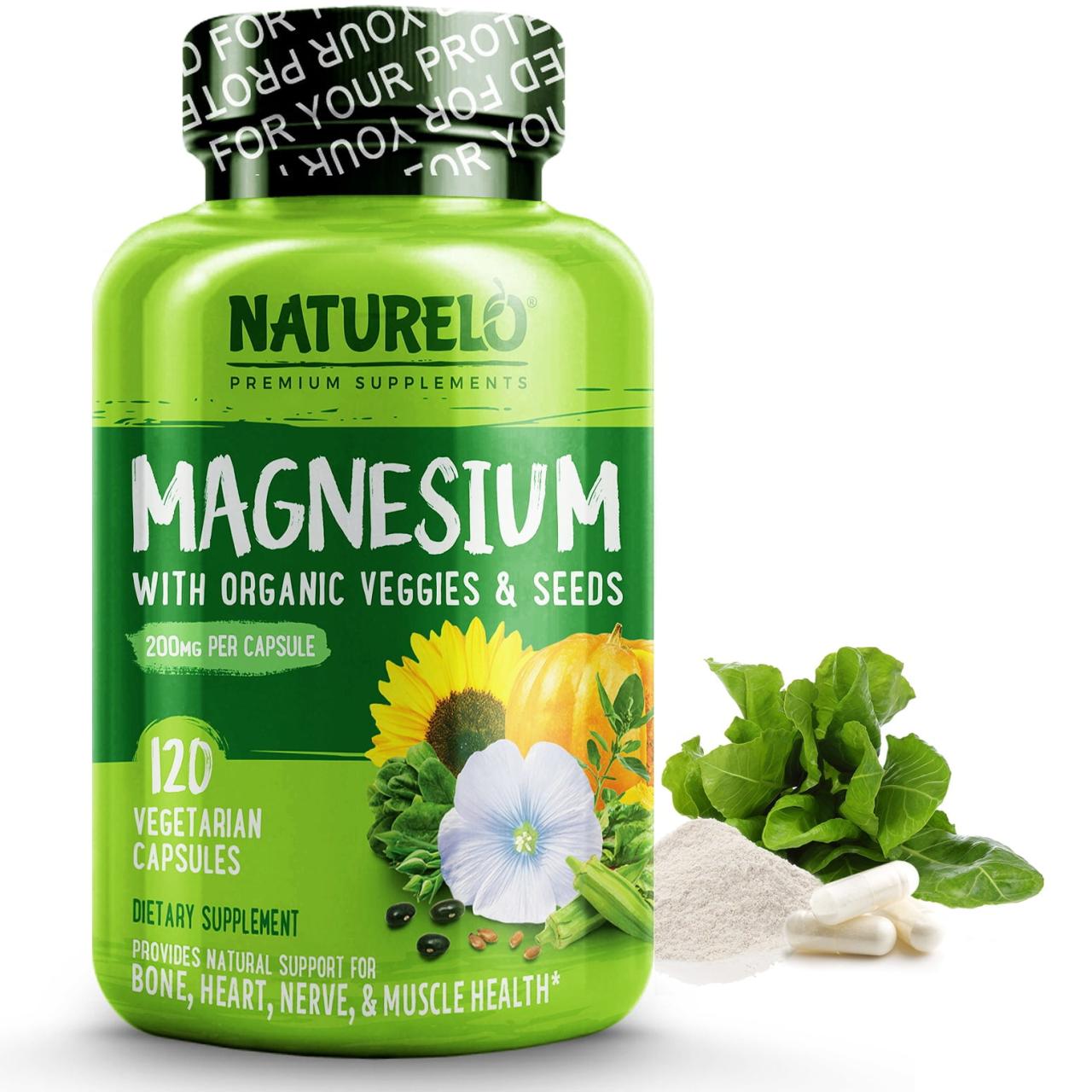
Many people are unaware of the facts surrounding magnesium supplements, leading to widespread misconceptions. These myths can deter individuals from obtaining the essential benefits of magnesium, which plays a vital role in numerous bodily functions. Understanding the truth about magnesium supplementation can empower individuals to make informed decisions about their health.
Common myths surrounding magnesium supplementation include the belief that all magnesium supplements are equally effective and safe. In reality, the bioavailability of magnesium can vary significantly between different forms, such as magnesium citrate, oxide, and glycinate. This variance affects how well the body absorbs and utilizes the mineral. Additionally, some assume that taking high doses of magnesium supplements is necessary for optimal health. However, excessive magnesium intake from supplements can lead to adverse effects, such as diarrhea, nausea, and abdominal cramping.
Natural Food Sources vs. Supplements
There is a common misconception that natural food sources of magnesium are always superior to supplements. While it is true that a balanced diet rich in whole foods can provide adequate magnesium levels, supplements can be beneficial, especially for individuals with dietary restrictions or absorption issues. Foods rich in magnesium include leafy greens, nuts, seeds, whole grains, and legumes. However, not everyone consumes these foods regularly, and certain medical conditions can hinder magnesium absorption, making supplements a practical option for achieving sufficient intake.
To highlight the importance of magnesium supplementation, consider the following expert opinion:
“Magnesium plays a crucial role in over 300 enzymatic reactions in the body. While a healthy diet is ideal, supplements can effectively bridge the gap for those who may not be getting enough from their diet due to various factors.” – Dr. John Doe, Nutrition Expert
In conclusion, while natural food sources are valuable, magnesium supplements can play a significant role in ensuring adequate intake, particularly in individuals with specific health needs or dietary limitations. Understanding the differences between food sources and supplements can help individuals make informed choices regarding their magnesium intake.
The Future of Magnesium Research and Supplement Development
Emerging research on magnesium is revealing its critical role in various aspects of health and disease management. As new studies highlight the importance of this essential mineral, the scientific community is increasingly focusing on innovative formulations to optimize magnesium supplementation. This forward-looking perspective aims to enhance our understanding and application of magnesium in daily health routines.
Current research is expanding beyond the traditional roles of magnesium in muscle function and bone health. Innovative studies are investigating its potential impact on metabolic diseases, cardiovascular health, and even mental well-being. For instance, magnesium’s regulatory effects on insulin sensitivity and blood pressure management are gaining attention, potentially leading to breakthroughs in diabetes and hypertension treatment.
Emerging Insights on Magnesium’s Health Impact
Researchers are uncovering intriguing connections between magnesium levels and various health conditions. Significant findings include:
- Cardiovascular Health: Magnesium deficiency has been linked to an increased risk of heart diseases, with studies suggesting that adequate intake may lower hypertension and improve heart rhythm.
- Metabolic Disorders: Insights indicate that magnesium plays a key role in glucose metabolism, where it may help reduce the risk of developing type 2 diabetes.
- Mental Health: Emerging evidence suggests a correlation between magnesium levels and mood disorders, with some studies indicating that higher magnesium intake may alleviate symptoms of depression and anxiety.
These findings underscore the need for further exploration into how magnesium supplementation could serve as a preventative or therapeutic measure for these conditions.
Innovative Formulations in Magnesium Supplements
The supplement industry is responding to the growing body of research by developing more advanced magnesium formulations designed for better absorption and efficacy. Notable innovations include:
- Chelated Magnesium: This formulation binds magnesium to amino acids, enhancing its bioavailability and absorption in the body compared to traditional supplements.
- Magnesium Threonate: Research suggests that this form can effectively penetrate cell membranes, particularly in the brain, potentially benefiting cognitive health.
- Combination Products: New supplements are incorporating magnesium with other nutrients like vitamin D and calcium to promote synergistic effects on overall health.
These innovative approaches aim to address specific health needs, optimize the effectiveness of magnesium supplementation, and promote better overall health outcomes.
Significance of Ongoing Research and Guidelines
As magnesium research advances, establishing new intake guidelines is critical. Ongoing studies are essential for determining optimal dosages and identifying at-risk populations who may benefit the most from supplementation.
- Population-Specific Recommendations: Ongoing research may lead to tailored magnesium guidelines for various demographics, including the elderly, athletes, and individuals with chronic health conditions.
- Review of Current Guidelines: Emerging evidence may prompt a reevaluation of the Recommended Dietary Allowance (RDA) for magnesium, ensuring that it reflects contemporary understanding of its health impacts.
- Public Health Initiatives: Research outcomes can inform public health strategies and awareness campaigns, highlighting the importance of adequate magnesium intake in preventing chronic diseases.
Continued research in magnesium’s role in health and disease will be pivotal in guiding effective supplementation practices and public health recommendations.
Final Thoughts
In conclusion, the role of Daily Magnesium supplement in our health is far-reaching. By ensuring adequate magnesium intake, we can enhance our physical and mental wellbeing, making it a vital component of our daily routine. As research continues to evolve, staying informed about magnesium’s benefits and proper supplementation is the key to unlocking a healthier lifestyle.
Essential FAQs
What are the symptoms of magnesium deficiency?
Common symptoms include fatigue, muscle cramps, anxiety, and irregular heartbeats.
Can I get enough magnesium from food alone?
While many foods are rich in magnesium, supplementation may be necessary for some individuals due to dietary gaps.
Are there different forms of magnesium supplements?
Yes, magnesium supplements come in various forms, such as magnesium citrate, oxide, and glycinate, each with different absorption rates.
Is magnesium safe to take daily?
For most people, daily magnesium supplementation is safe, but it’s important not to exceed the recommended dosage.
Can magnesium help with sleep?
Yes, magnesium may improve sleep quality and aid relaxation, making it beneficial for those with sleep disturbances.
What should I consider before starting magnesium supplements?
Consult with a healthcare professional, especially if you have pre-existing health conditions or are taking other medications.










Leave a Reply