Did you know nearly 90% of Americans don’t get enough of this key nutrient? This fat-soluble antioxidant is like a vital shield for our cells. It fights oxidative stress and helps us look radiant and healthy.
Most people get enough from foods like nuts and seeds. But it’s crucial to understand its role in everyday wellness. These nutrients keep us balanced, even when we don’t see them working.
In this guide, we’ll show you how to boost your vitamin E levels naturally. We’ll talk about the best foods, supplements, and skincare routines. Our aim is to give you tips on spotting deficiency signs, picking the right products, and staying safe in your routine.
Key Takeaways
- This nutrient serves as a primary antioxidant protecting cells from damage.
- Most individuals can meet their needs through a balanced diet of nuts and seeds.
- Topical applications may support skin health and barrier function.
- Supplements should be used carefully to avoid exceeding recommended daily limits.
- Recognizing signs of deficiency helps in maintaining long-term vitality.
What is Vitamin E and Why is it Important?
Vitamin E is a key fat-soluble nutrient our bodies need. It’s stored in fatty tissues and the liver. It helps with many body functions. Because it’s fat-soluble, we need dietary fat to absorb it well.
The Role of Vitamin E in the Body
Vitamin E acts as a protective shield for our cells. It fights off free radicals, which can harm our cells. This keeps our body’s systems working right.
Types of Vitamin E
There are eight types of Vitamin E, divided into two groups: tocopherols and tocotrienols. Alpha-tocopherol is the most important one.
Alpha-tocopherol is the focus of most research. It’s the form our bodies keep best. It’s found in most supplements and is known for its superior biological activity.
Sources of Vitamin E
Finding good sources of Vitamin E is easy with whole, plant-based foods. Eating a variety of these foods gives you lots of nutrients, including Vitamin E.
Here’s a table of some of the best foods for Vitamin E:
| Food Category | Specific Examples | Nutrient Density |
|---|---|---|
| Plant Oils | Sunflower, Olive, Wheat Germ | Very High |
| Nuts and Seeds | Almonds, Hazelnuts, Sunflower Seeds | High |
| Leafy Greens | Spinach, Swiss Chard | Moderate |
| Whole Grains | Fortified Cereals, Brown Rice | Moderate |
Health Benefits of Vitamin E
The benefits of vitamin E are vast and vital for our health. It’s a fat-soluble compound our bodies need for many functions. Adding daily vitamin E capsules to our diet can help meet our health needs.
Antioxidant Properties
Vitamin E is famous for fighting free radicals. Free radicals harm our cells. By stopping them, vitamin E keeps our cells healthy and strong.
Heart Health Support
Research has shown vitamin E’s link to heart health. Early studies hinted at a heart disease risk reduction. But, big trials showed it’s not a single fix for heart issues.
Enhancing Immune Function
Vitamin E is key for a strong immune system. It helps immune cells work better to fight off sickness. Keeping vitamin E levels up keeps our immune system strong.
Skin Benefits
Vitamin E also benefits our skin. It keeps skin moist and protects it from damage. This leads to smoother, more hydrated skin.
| Benefit Category | Primary Mechanism | Key Outcome |
|---|---|---|
| Antioxidant | Neutralizes free radicals | Reduced oxidative stress |
| Immune Support | Cellular communication | Stronger defense response |
| Skin Health | Moisture retention | Improved skin elasticity |
| Heart Health | Vascular support | Maintained blood flow |
How Vitamin E Affects Skin Health
Vitamin E is a natural way to care for our skin. It helps keep our skin healthy and protects it from the environment. Knowing the vitamin E skin benefits helps us choose better skincare.
Anti-Aging Effects
Vitamin E is known for its antioxidant properties. It fights off free radicals that cause aging and damage. It may also help prevent skin damage from UV light.
It’s not a cure-all, but it keeps skin hydrated and soft. Using it regularly can make your skin look younger and brighter.
Vitamin E in Skincare Products
Vitamin E is found in many skincare items like creams, serums, and masks. Vitamin E oil is also popular for its concentrated benefits. These products help hydrate your skin’s surface.
Keep your skincare in a cool, dark spot to keep it fresh. Always check the packaging to make sure it’s still good.
DIY Skincare Recipes with Vitamin E
Making your own skincare at home can be fun. If you use vitamin E oil in a DIY mask or serum, test it first. This ensures your skin won’t react badly.
When making your own mixes, use a little to avoid clogging pores. Don’t use vitamin E instead of sunscreen because it doesn’t protect against UV rays. Keep your DIY recipes simple and use them carefully.
Incorporating Vitamin E into Your Diet
Building a balanced diet starts with picking the best vitamin E rich foods. Instead of taking high-dose pills, we can feed our bodies with whole foods that naturally offer this essential nutrient.
Food Sources Rich in Vitamin E
There are many tasty options to help us meet our nutritional needs. Adding a variety of these foods to our meals ensures we get enough of this important antioxidant.
- Sunflower seeds and almonds are great snacks full of vitamin E.
- Leafy greens like spinach and broccoli add color and health to our meals.
- Healthy fats like avocado and vegetable oils are perfect for dressings and cooking.
- A spoonful of peanut butter can also boost our daily intake.
Recommended Daily Allowance
For most healthy adults, the daily need is 15 milligrams of vitamin E. Meeting this goal is easy with a diet rich in nuts, seeds, and plant oils.
Our bodies absorb vitamin E best with a bit of dietary fat. Adding a drizzle of olive oil or avocado to our greens boosts absorption.
Cooking Tips for Maximizing Vitamin E
Vitamin E is sensitive to heat, air, and light. So, how we cook matters. To keep these vitamin E rich foods effective, we should avoid high heat and light.
Store oils in a cool, dark place, not on the counter. Choose gentle cooking methods like steaming or light sautéing. These small changes help us keep the most nutritional value in our meals.
Potential Vitamin E Deficiencies
A vitamin E deficiency is rare in healthy people but serious. It can cause health problems that need doctor’s care. Most people in the U.S. get enough vitamin E from a balanced diet.
Signs and Symptoms to Look For
When vitamin E levels are low, the body shows signs. Look for changes in how well you move and muscle strength.
Signs of a vitamin E deficiency include:
- Muscle weakness or loss of muscle mass.
- Difficulty with balance and coordination, known as ataxia.
- Numbness or tingling sensations in the hands and feet.
- Vision problems caused by damage to the light-sensitive cells in the retina.
Populations at Risk
Some groups are more likely to have a deficiency. They often have trouble absorbing fat-soluble vitamins, leading to a vitamin E deficiency.
At-risk groups include:
- Individuals with fat-malabsorption disorders like Crohn’s disease or cystic fibrosis.
- People with rare genetic conditions that impair the body’s ability to process vitamins.
- Infants born prematurely who may have lower stores of essential nutrients.
- Patients following extremely restrictive diets that lack healthy fats.
Health Implications
Untreated low levels can harm nerves and muscles. Symptoms can look like other health issues. A vitamin E deficiency needs a doctor’s diagnosis.
Don’t try to diagnose yourself. A doctor will use blood tests to check levels. Professional guidance ensures safe and effective treatment.
Choosing the Right Vitamin E Supplement
Finding the best health product often means looking beyond the label. The market for vitamin E supplements can be confusing. But, knowing the basics helps us make better choices for our health.
Differences Between Natural and Synthetic
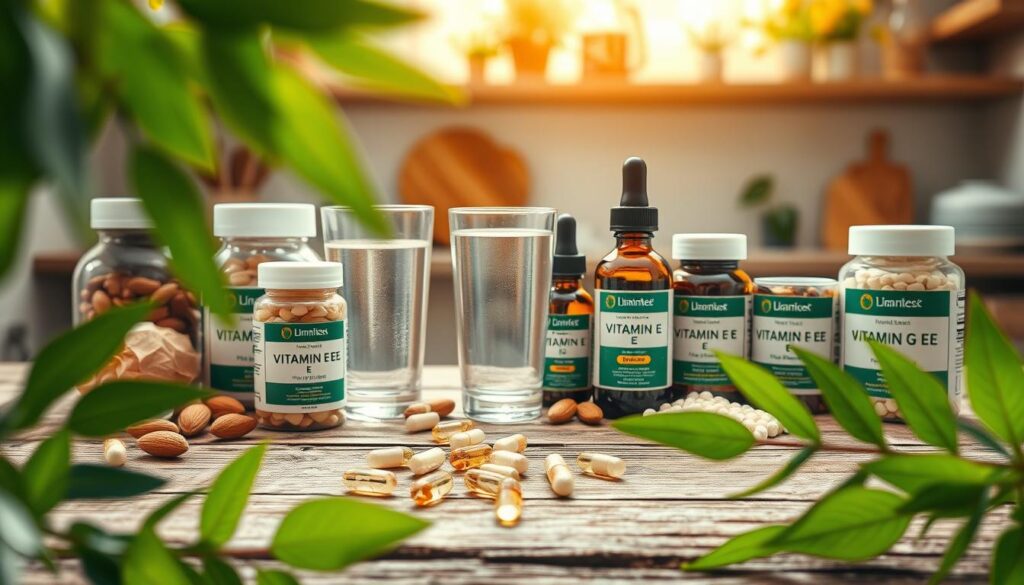
Vitamin E comes in two main types: natural and synthetic. Natural vitamin E is called “d-alpha-tocopherol.” Synthetic vitamin E is labeled as “dl-alpha-tocopherol.”
Studies show natural vitamin E is better absorbed by our bodies. Always check the ingredient list to get the right form for your health.
Forms of Vitamin E Supplements
Supplements come in softgels, tablets, and liquid drops. Quality products often have mixed tocopherols or tocotrienols. These offer more antioxidant support than alpha-tocopherol alone.
To learn more about these compounds, visit the Linus Pauling Institute. The right form depends on your body’s digestion and your preference.
| Supplement Type | Key Characteristic | Best For |
|---|---|---|
| Natural (d-alpha) | High bioavailability | General health support |
| Synthetic (dl-alpha) | Cost-effective | Budget-conscious users |
| Mixed Tocopherols | Broad spectrum | Comprehensive antioxidant intake |
| Tocotrienols | Unique structure | Targeted cellular health |
Recommended Dosages
Daily needs differ from supplement doses. Supplements have higher levels than food. This might not be right for everyone.
Always talk to a healthcare provider before taking high doses. Taking it with a meal rich in healthy fats helps absorption.
Too much vitamin E can cause problems or interact with drugs. Always get professional advice to keep your vitamin E dosage safe and effective.
Myths and Facts About Vitamin E
When it comes to Vitamin E, it’s key to know the real facts from marketing myths. Many think more is always better, but our bodies need a delicate balance.
Common Misconceptions
One big myth is that high-dose supplements can stop aging and disease. While it’s a strong antioxidant, it can’t fix damage right away.
People also think applying it topically will instantly fix wrinkles. But, it helps with skin hydration but can’t replace a good skincare routine or a healthy lifestyle.
Research and Studies
Studies often show less than ads promise. For example, big studies on heart health rarely show supplements prevent heart disease for most people.
But, there are cases where Vitamin E works well. The AREDS formula for eye health is a good example. Always look for peer-reviewed data when checking these claims.
Clarifying Usage
We suggest eating foods rich in nutrients first. Supplements are for specific needs, not daily use for everyone.
If you’re thinking about Vitamin E for health reasons, talk to a doctor. Evidence-based usage helps you get benefits without risks.
Safety and Side Effects of Vitamin E
Vitamin E is good for health, but it’s important to know the risks of using it too much. When you start taking vitamin E capsules, remember to use them in moderation. This is key for your health in the long run.
Possible Side Effects
Most people do fine with the usual amount, but too much can cause problems. Some might feel digestive discomfort like nausea, diarrhea, or stomach pain.
High doses of vitamin E capsules can also lead to rare issues like neurological problems or feeling very tired. If you use the oil on your skin, watch out for irritation or allergic reactions. This can happen if your skin is too sensitive.
Interactions with Medications
It’s crucial to know that supplements can affect how your body reacts to medicines. Vitamin E might make bleeding more likely, which is a concern with anticoagulant or antiplatelet medications like warfarin or aspirin.
If you’re going to have surgery, stop taking these supplements two weeks before. This helps your doctors manage your blood clotting levels better during and after the surgery.
Safe Usage Guidelines
Before starting vitamin E capsules, talk to a healthcare professional. This is very important if you’re pregnant, nursing, or have ongoing health issues like diabetes or liver disease.
Your doctor will check if you really need supplements or if your diet is enough. Always stick to the recommended dosage or your doctor’s advice to avoid toxicity. Being careful and informed lets you enjoy vitamin E’s benefits safely.
Conclusion: Embrace Vitamin E for a Healthier Lifestyle
Adding nutrient-rich foods to our daily lives is key to staying healthy. Even small changes in what we eat can make a big difference for our bodies.
Summing Up Its Benefits
Vitamin E protects our cells from damage. It boosts our immune system and keeps our skin looking good. This nutrient is essential for our cells to work right.
Encouraging Healthy Habits
We choose foods like sunflower seeds, almonds, and spinach for their health benefits. These foods give us Vitamin E naturally, without the need for pills. Eating a diet full of vegetable oils and leafy greens is the best way to stay healthy.
Final Thoughts on Vitamin E
Most people don’t lack Vitamin E if they eat a variety of foods. But, taking too much can be harmful. Always talk to a doctor before starting any supplements. Getting advice tailored to you helps keep you safe and healthy.