

Did you know nearly half of all adults in the United States take a dietary supplement every day? This shows a big trend towards personal wellness and health care. Finding organic vitamins that are pure and plant-based is key for those looking for the best nutrition.
Choosing the right products can be tough because of all the marketing. We want to help you see past the flashy ads. By focusing on science, you can make choices that really help your body.
In this guide, we’ll show you how to find trustworthy sources. We’ll make sure your daily routine is safe and works well. Let’s start this journey to a healthier lifestyle together, making sure you get the best from your wellness efforts.
Key Takeaways
- Approximately 50% of American adults incorporate daily supplements into their health routines.
- Distinguishing between clever marketing claims and verified scientific data is crucial for consumer safety.
- Prioritizing high-quality, natural ingredients helps ensure better absorption and overall wellness.
- We aim to provide clear, actionable advice to help you navigate the complex supplement industry.
- Making informed choices empowers you to build a sustainable and effective personal health plan.
Understanding Organic Vitamins and Their Benefits
Many of us wonder what makes a vitamin organic in today’s market. Organic vitamins come from whole foods, not made in labs. They aim to give nutrients in a form our bodies can easily use.
What Are Organic Vitamins?
Organic vitamins come from plants and natural materials grown without harmful chemicals. They have the natural helpers and nutrients found in the original food. These vitamins help connect our diet to our health goals.
Why Choose Organic?
People choose organic for its purity and transparency. They want to avoid synthetic additives found in many vitamins. Making the switch supports farming that’s better for the planet.
Here’s a table showing the main differences between conventional and organic vitamins:
| Feature | Conventional Vitamins | Organic Vitamins |
|---|---|---|
| Source | Synthetic/Lab-made | Whole Food/Plant-based |
| Additives | Commonly includes fillers | Minimal to none |
| Absorption | Variable | Often enhanced by co-factors |
| Production | Industrial chemical process | Natural extraction |
Health Benefits of Organic Vitamins
Talking about organic vitamin benefits means looking at how they work. These products are not meant to cure diseases, as the law says. They help fill nutritional gaps and boost our energy and immune system.
Adding them to a healthy lifestyle can improve our daily energy and immune health. Consistency is key in seeing how these supplements meet our health needs.
Key Ingredients in Organic Vitamins
Looking into our supplements shows why some are better than others. Choosing organic vitamins means we pick products from natural sources. This ensures our bodies get nutrients in a form that’s easier to use.
Common Sources of Organic Vitamins
Top supplements get their nutrients from plant extracts. These come from foods rich in vitamins, like fruits and vegetables.
- Organic fruits like acerola cherries for Vitamin C.
- Leafy greens and vegetables for essential minerals.
- Plant-based oils for healthy fats and fat-soluble vitamins.
- Sprouted seeds and grains for B-complex vitamins.
Difference Between Synthetic and Organic Ingredients
Synthetic vitamins are made in labs to mimic natural ones. But they might not have the co-factors found in whole foods.
Organic vitamin benefits come from natural co-factors. These help our bodies use vitamins better. Choosing organic means we get a more natural way to nourish ourselves.
The Role of Whole Foods in Vitamin Production
Whole foods are key for the best supplements today. Manufacturers who focus on these ingredients follow strict rules to keep their products pure.
The FDA has Good Manufacturing Practices (GMPs) for supplements. Brands that follow these standards ensure we get the organic vitamin benefits we expect. Always look for these quality signs to get the best organic vitamins for our health.
Popular Types of Organic Vitamins
When we think about our daily health, some supplements are key for many of us. Finding the best organic vitamins helps when our food doesn’t meet our body’s needs. By choosing these common options, we can match our supplements to our health goals.
Organic Multivitamins
Organic multivitamins are popular because they’re easy to take. They give us a mix of important nutrients in one pill. These vitamins and minerals come from whole foods, which might help our bodies use them better.
Organic Vitamin C
Vitamin C is a top choice for a strong immune system. Organic versions avoid synthetic stuff, giving us the antioxidants we need. It’s a simple way to boost our immune system and keep our skin healthy.
Organic Vitamin D
Vitamin D is key for strong bones and calcium absorption. Vitamin D3 is best for supplements because it works well in our blood. Choosing D3 helps us stay active and keeps our bones healthy over time.
Choosing the Right Organic Vitamins
Choosing the best organic vitamins needs careful thought and knowing what we want for our health. Since the FDA doesn’t check if supplements work before they hit the market, we must look out for ourselves. By doing our own research, we can pick products that really help us stay healthy.
Factors to Consider
When looking at supplements, it’s key to choose brands that are open about where they get their ingredients and how they make their products. Good products come from places that follow strict rules to ensure quality.
Also, check if the supplements have been tested by outside groups. These groups make sure the ingredients listed are actually in the product. This helps us avoid bad stuff that might be in cheaper products.
Reading Labels and Certifications
Learning to read labels is crucial for finding the top organic vitamins. Look for seals from places like the USDA Organic or Non-GMO Project. These show the product meets high standards for being clean and safe.
It’s also important to check the “Other Ingredients” section for unwanted additives. Some supplements have artificial stuff that we might not want. By picking products with simple labels, we make sure we’re getting what we need.
| Label Feature | What It Means | Why It Matters |
|---|---|---|
| USDA Organic | Certified organic farming | Ensures no synthetic pesticides |
| Third-Party Seal | Independent lab verification | Confirms label accuracy |
| Non-GMO Project | No genetically modified organisms | Supports natural ingredient integrity |
Personal Health Needs
Everyone needs different nutrients based on their age, lifestyle, and health. Before starting any new supplements, talk to a doctor to figure out what’s missing from our diet. This way, we can find the best organic vitamins that fit our needs.
Remember, supplements are meant to help, not replace, a healthy diet. By eating well first, we can see which top organic vitamins will help us the most. Being informed and careful helps us on our journey to better health.
The Importance of Quality and Sourcing
When we buy health products, the source is as important as the ingredients. We need to make sure the best organic vitamins are made safely. This way, we avoid harmful contaminants and get what we pay for.
Organic Certification Explained
Independent groups check if our supplements are real. The United States Pharmacopeia (USP) and NSF International test products thoroughly. They confirm the products have what the label says.
Without these checks, it’s hard to know if a supplement is safe. We look for these marks to avoid bad stuff. Getting third-party verification helps us stay healthy.
Trusted Brands to Consider
Finding reliable organic vitamin brands is key for good health. The top organic vitamins are transparent about where they come from. We like brands that share testing results with us.
When picking a brand, look for USDA Organic or Non-GMO Project Verified. These labels show the brand cares about quality. Choosing well-known brands keeps us safe from bad products.
Where to Buy Organic Vitamins
It doesn’t matter if you buy from a local organic vitamin shop or online. The source is always important. Many people like to buy organic vitamins online for easy comparisons and reviews. But, make sure the seller is legit.
Stick to trusted health stores that keep products fresh. Good storage keeps natural ingredients strong. Here’s a table showing what we look for in quality.
| Verification Type | Primary Benefit | Common Organizations |
|---|---|---|
| Third-Party Testing | Ensures Purity | USP, NSF International |
| Organic Certification | Confirms Natural Sourcing | USDA, QAI |
| Label Transparency | Prevents Hidden Fillers | In-house Lab Reports |
How to Incorporate Organic Vitamins into Your Diet
Starting your wellness journey is easy when you know how to mix vitamins with food. Many people choose organic vitamins for their health. But how you take them matters a lot. A smart way to use supplements can really boost your health.
Pairing Organic Vitamins with Foods
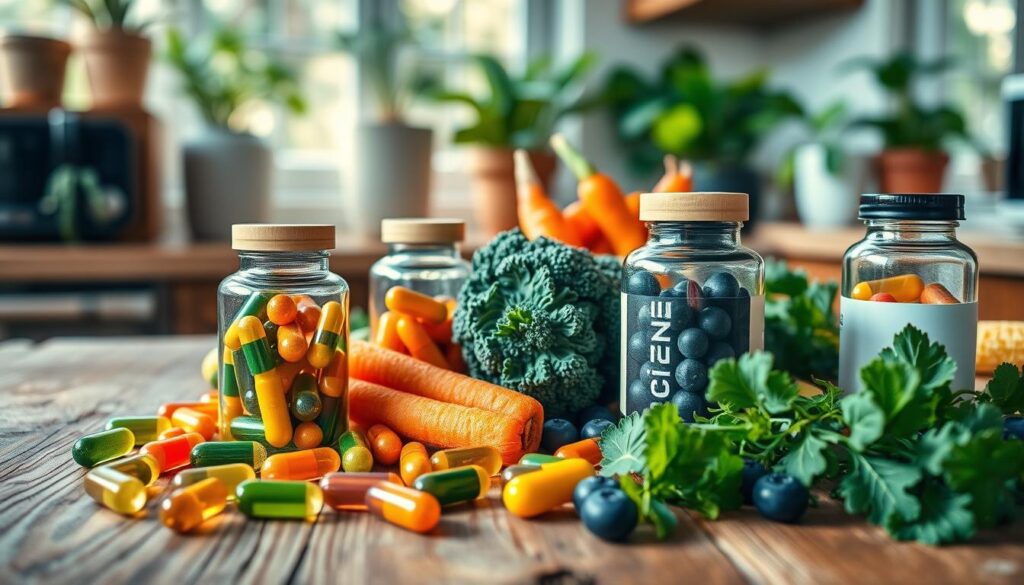
To get the most from your natural vitamin supplements, think about how your body absorbs them. Fat-soluble vitamins like A, D, E, and K work best with foods high in healthy fats. Try taking them with avocado, nuts, or olive oil. This helps your body use these vitamins better.
On the other hand, water-soluble vitamins like Vitamin C and B-complex don’t need fat to be absorbed. They’re best taken with water or a light snack. Paying attention to these details helps your body get the most from your vitamins.
Meal Planning for Optimal Health
Being consistent is key to a good health routine. Keep your vitamins where you can see them, like near your breakfast spot. This makes it easier to remember to take them every day. It’s important for keeping your nutrient levels steady.
For top-notch options, check out a reputable organic vitamin shop. They offer products that fit your dietary needs. Eating whole, nutrient-rich foods also boosts your supplement’s effectiveness. Your body does best with a steady flow of nutrients, not just occasional doses.
Supplements vs. Natural Sources
Remember, supplements can’t replace the variety of foods needed for a healthy diet. While natural vitamin supplements help fill gaps, they should support a diet full of whole foods. Foods give you complex fibers and nutrients that supplements can’t match.
See supplements as a helpful addition, not the main source of nutrition. Focus on whole foods first and use supplements to fill in the gaps. This balanced approach helps you nourish your body fully.
Addressing Common Misconceptions
Many think natural vitamin supplements are always safe. But this is a myth. Even though they come from plants, “natural” doesn’t mean they’re safe. It’s important to look beyond labels to know what you’re taking.
Are Organic Vitamins Really Better?
Whether organic vitamins are better depends on your health goals. Many like them for their purity, but they’re not always better than synthetic ones. Look at how well your body can use the nutrients, not just the label.
“The greatest wealth is health.”
Natural vitamin supplements are still made products. Check the brand’s transparency and third-party tests, not just the organic label. This way, you avoid spending too much on products that may not help you much.
Do Organic Vitamins Have Side Effects?
Some think organic supplements can’t cause problems. But, some plant ingredients can be very strong and harmful. For example, comfrey and kava can damage the liver in some people.
Be careful when trying new supplements. Always talk to a doctor first. This ensures the natural vitamin supplements won’t harm you or interact with your meds. Paying attention to how your body reacts is key to a safe and effective routine.
Organic Vitamins for Specific Health Goals
Reaching your health goals needs a focused nutrition plan. A balanced diet is key, but sometimes we need natural vitamin supplements for extra support. Always talk to a healthcare provider to make sure these supplements are right for you.

Vitamins for Immune Support
Keeping your immune system strong is crucial. Vitamins C and zinc help fight off infections. Choosing an organic daily vitamin ensures you get these nutrients from the best sources.
Vitamins for Energy Boost
Feeling tired? B-complex vitamins can help. They turn food into energy, perfect for busy lives. Knowing the organic vitamin benefits helps pick the right product for your body.
Vitamins for Skin Health
Healthy skin shows good nutrition and hydration. Vitamins C and E protect skin cells. Some products, like AREDS, also support eye health and slow vision loss.
| Health Goal | Key Nutrients | Primary Benefit |
|---|---|---|
| Immune Support | Vitamin C, Zinc | Defense Optimization |
| Energy Levels | B-Complex | Metabolic Support |
| Skin & Eye Health | C, E, Lutein, Copper | Cellular Protection |
Always remember supplements are meant to help, not replace a healthy lifestyle. By choosing evidence-based options, you support your long-term health.
The Role of Lifestyle in Vitamin Absorption
Getting healthy is more than just taking supplements. It’s about living a balanced life. Your lifestyle affects how well your body uses organic multivitamins. By making healthy choices, you can boost your wellness plan.
How Diet Affects Vitamin Efficacy
Your diet is key to nutrient absorption. Fat-soluble vitamins like A, D, E, and K need fat to be absorbed. Taking organic multivitamins with healthy fats, like avocado or nuts, helps your body use them better.
Staying consistent with your diet keeps your metabolism steady. Learn more about how food affects health by checking out this study. Eating whole foods with your supplements helps your body flourish.
Importance of Hydration
Water is vital for nutrient transport in your body. Drinking enough water helps dissolve and distribute water-soluble vitamins. Without enough water, even the best organic multivitamins won’t work as well.
Keep a water bottle with you all day to stay hydrated. This simple habit boosts your metabolism and detoxifies your body. Drinking water is crucial for getting the most from your health routine.
Balancing Active and Restful Days
Being active changes how your body uses nutrients. On busy days, your body needs nutrients fast for energy and recovery. On calm days, it focuses on storing vitamins for later.
It’s important to balance activity and rest. This helps your body absorb nutrients better. By listening to your body, you can time your supplements for maximum effect.
Reading and Understanding Labels
When we choose to buy organic vitamins, the first step is to learn how to read labels. Many of us visit an organic vitamin shop or look for organic vitamins online without really understanding the labels. It’s important to know how to read these labels to pick the best products for our health.
Key Terms in Organic Vitamin Labels
Every good product has a Supplement Facts label. This label shows the active ingredients, how much is in each serving, and any extra stuff like flavorings. By looking at these details, we can compare different organic vitamin brands to find the best one.
Recommended Daily Allowance (RDA)
The Recommended Daily Allowance, or RDA, is a key number for our nutrition. It’s the amount of nutrients most people need each day. When picking organic multivitamins, we should look for percentages that meet our health needs without going over the limit.
How to Spot Hidden Ingredients
Some products have extra stuff like fillers, binders, or artificial colors. We need to check the “Other Ingredients” list to make sure we’re not getting unwanted additives. Transparency in labeling is a sign of a reliable brand. So, we should always choose companies that clearly list every ingredient in their products.
Future Trends in Organic Vitamins
The world of wellness is evolving as science and nature come together. We’re excited about the future of organic vitamins for our health.
Advancements in Production
New ways to extract nutrients mean more power without harmful additives. Brands are now all about clean processing. This ensures our organic vitamins stay pure.
Personalized Nutrition
Health is becoming more personal with data-driven choices. Shopping for organic vitamins online now offers tailored plans. This means we get exactly what our bodies need.
Sustainability and Safety
People care more about the planet than ever. We look for brands that farm ethically and package sustainably. The FDA keeps an eye on products to ensure they’re safe and honest. Staying informed helps us make better choices for our health.